
A soft pedal at the lights on Moorabool Street, a squeal while pulling into the supermarket, or a steering wheel that shudders on the way down the Princes Highway can quickly turn an ordinary drive into a concern. Brake repairs Geelong vehicle owners need are not something to leave until the next service, especially when your car is carrying children, commuting each day or heading away for the weekend.
Brakes do not usually fail without warning. They tend to give drivers small signs first: extra noise, a changed pedal feel, pulling to one side or longer stopping distances. Acting on those signs early often makes the repair more straightforward and can prevent damage to rotors, calipers and other parts of the braking system.
When should you book brake repairs in Geelong?
The most obvious warning is a high-pitched squeal when braking. Many brake pads have wear indicators designed to make a noise as the friction material gets low. It is a useful alert, but it is not an invitation to keep driving for another few months. Once the pad wears through, metal can contact the rotor, reducing braking performance and increasing the cost of the job.
A grinding or harsh scraping sound needs more urgent attention. It may indicate that the pads are severely worn, but noise can also come from debris, a seized caliper or rotor damage. Either way, it calls for an inspection rather than a guess.
Pay attention to how the pedal feels as well. A spongy pedal, a pedal that sinks lower than normal, or one that requires more pressure to stop the vehicle can point to old brake fluid, air in the hydraulic system, a leak or a fault within the master cylinder. A firm pedal does not guarantee everything is perfect, but a sudden change in pedal feel should never be ignored.
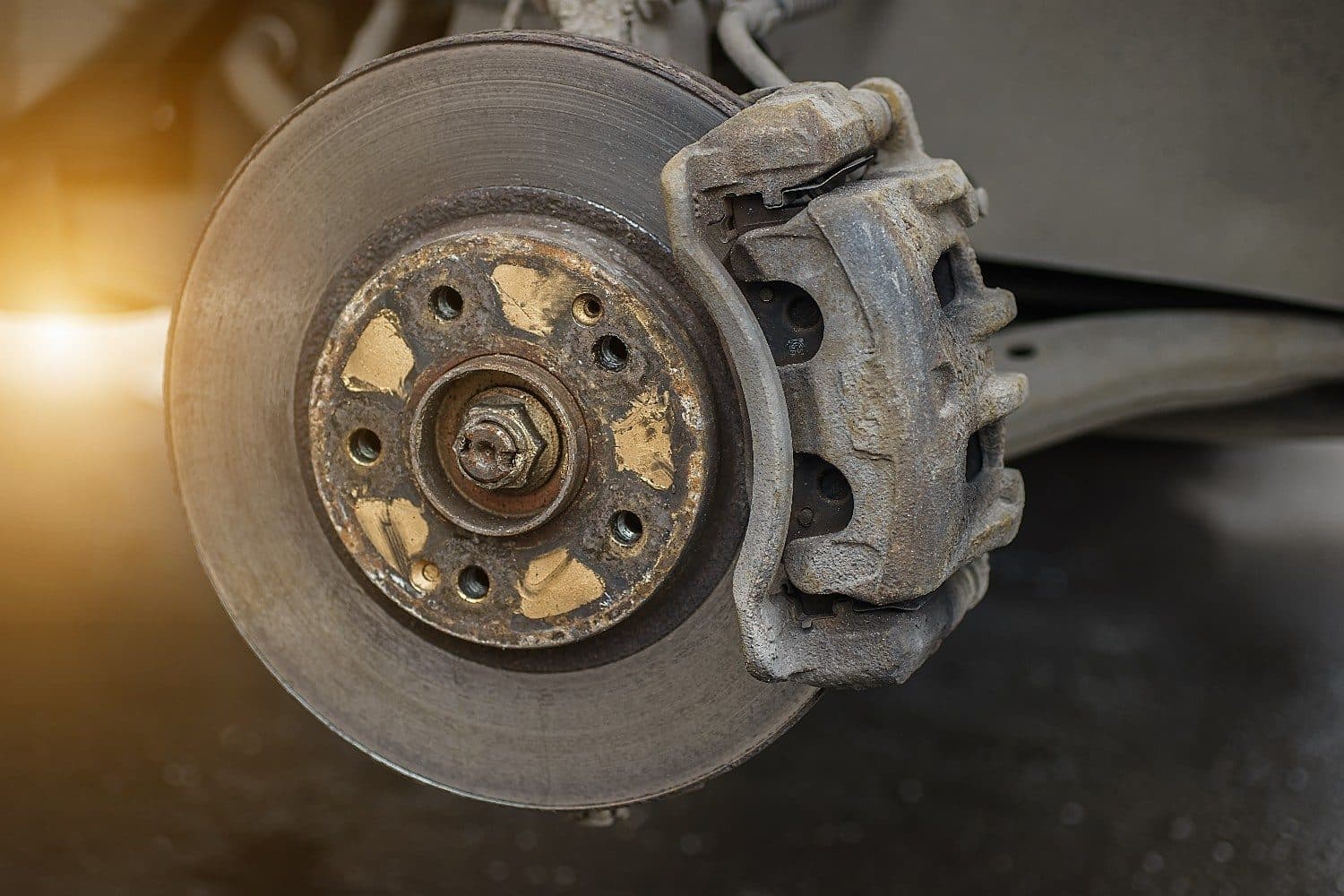
Vibration through the steering wheel or brake pedal during braking is another common reason to book in. Drivers often describe this as warped rotors. The cause can be uneven rotor wear, heat-related issues or deposits on the rotor surface. The right repair depends on the rotor thickness, condition and manufacturer specifications. In some cases machining may be suitable; in others, replacement is the safer and more economical option.
If the car pulls left or right under braking, do not assume it is only a wheel alignment issue. Uneven braking force can be caused by a sticking caliper, worn pads, contaminated brake components, tyre problems or suspension wear. A proper assessment looks at the whole vehicle, because braking, tyres and suspension all affect how safely the car stops.
What a proper brake inspection should cover
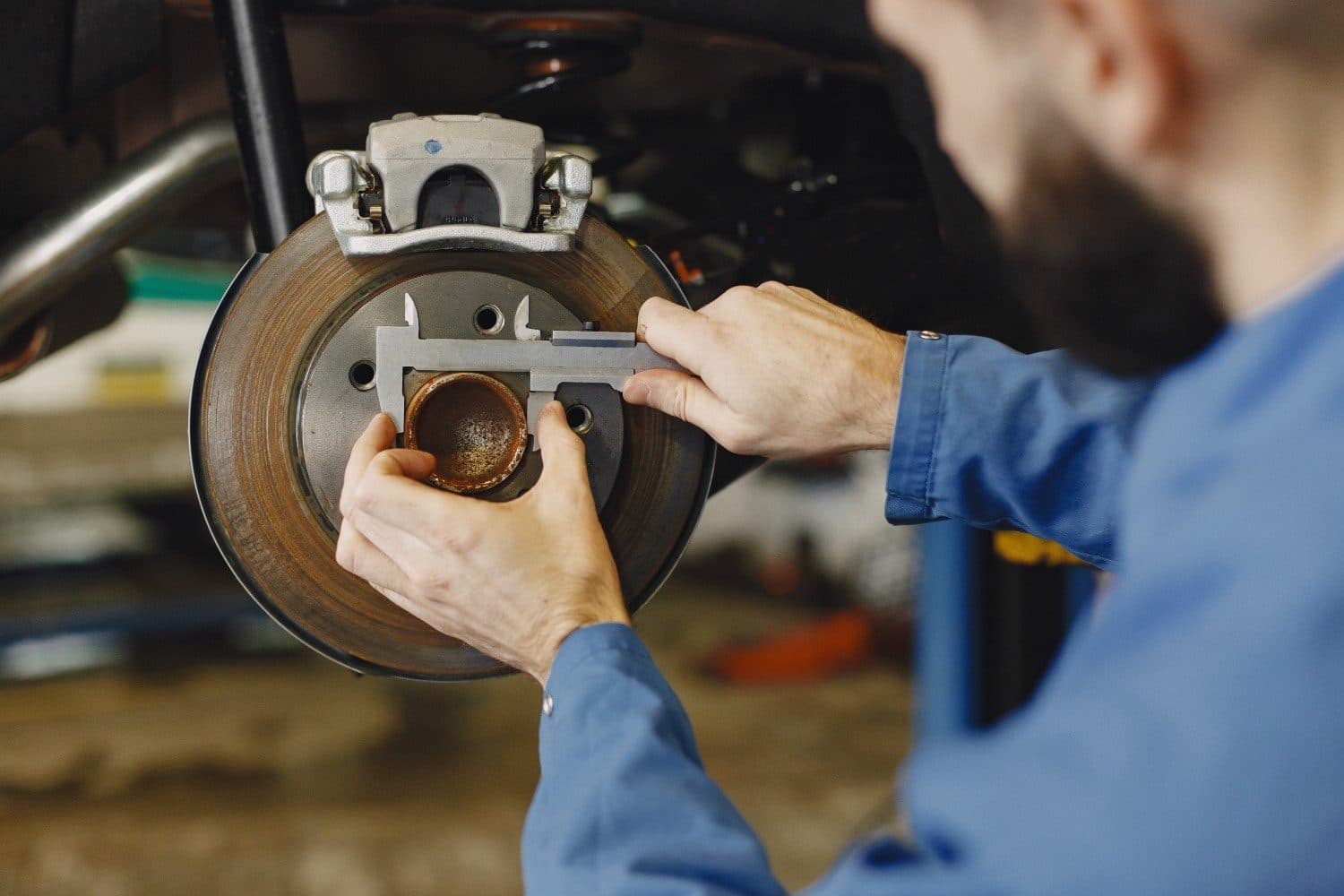
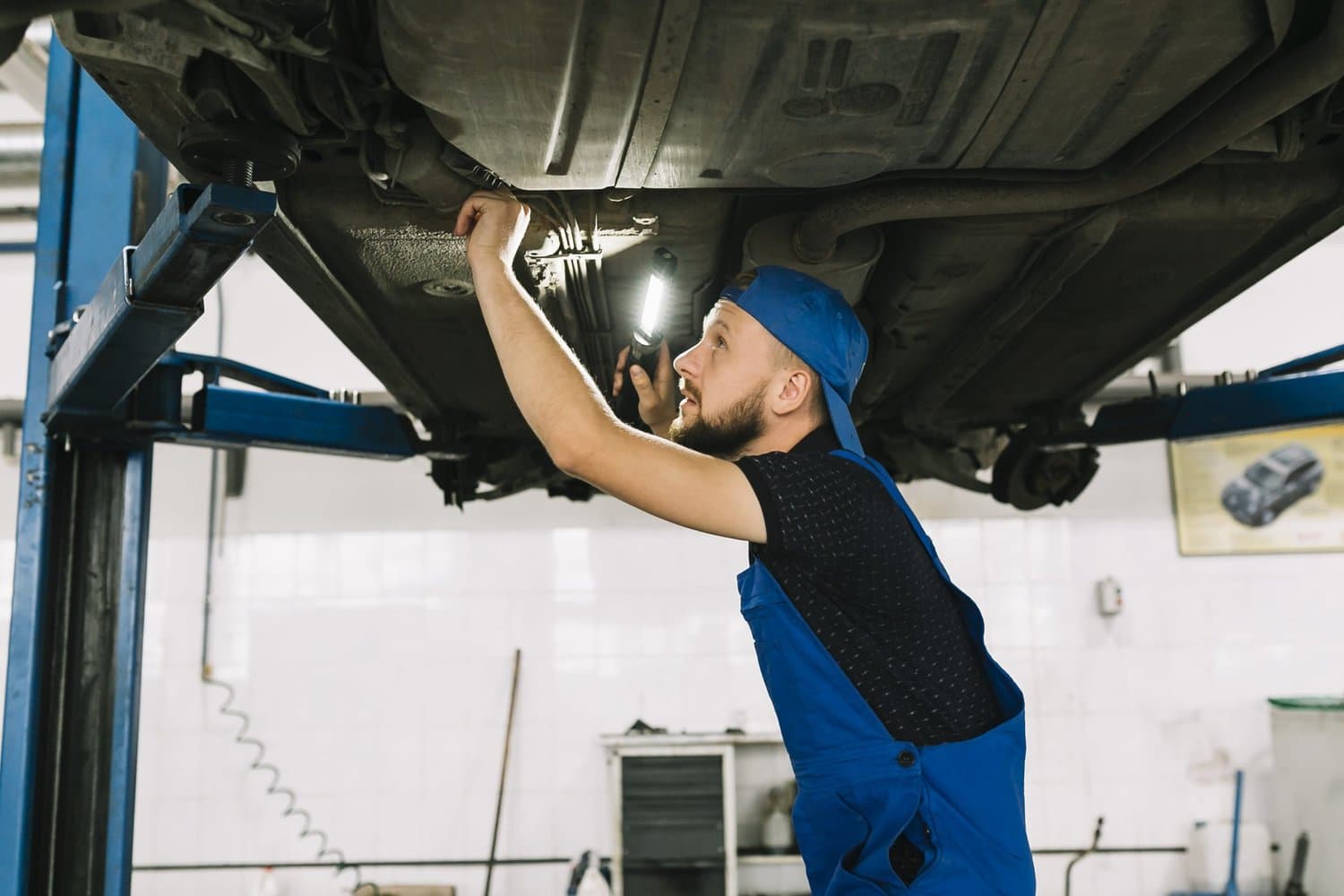
A brake check should be more than a quick look through the wheel spokes. The technician needs to assess pad thickness and wear patterns, rotor condition, caliper operation, brake hoses, fluid level and the condition of relevant hardware. On vehicles with rear drum brakes, the shoes, wheel cylinders and internal components need their own inspection.
Brake fluid also matters. It absorbs moisture over time, which lowers its boiling point and can contribute to corrosion within the hydraulic system. Under repeated hard braking, such as towing, travelling through hilly areas or carrying a full load, degraded fluid can affect pedal feel and performance. A brake fluid flush is not required at every service, but it should be completed at the interval specified for your vehicle or when testing shows it is due.
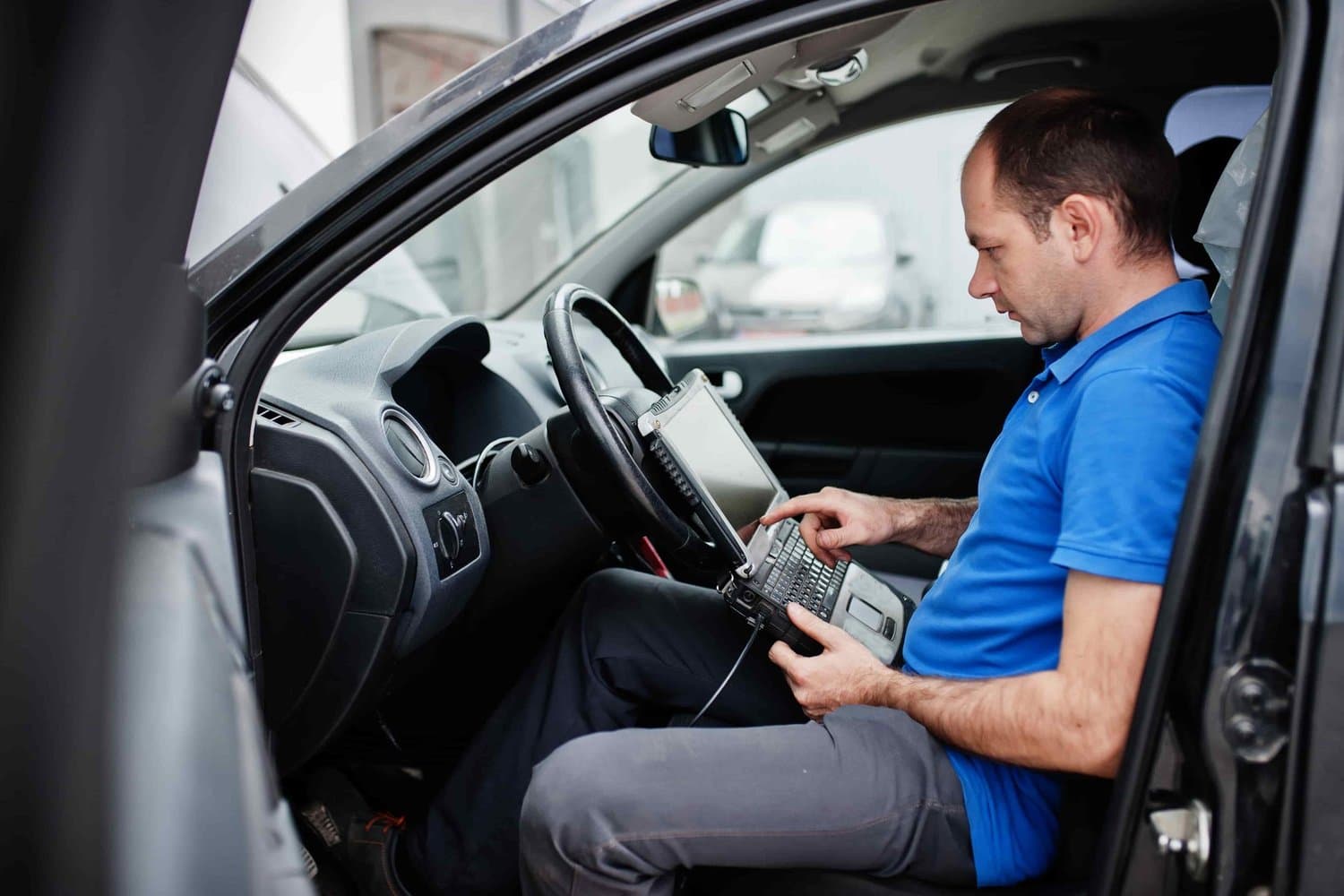
Modern cars add another layer. Anti-lock braking systems, electronic stability control and electronic parking brakes rely on sensors, modules and accurate diagnostic procedures. A warning light on the dash may be caused by a sensor or electrical fault rather than worn pads, but it still needs prompt diagnosis. Clearing a light without finding the cause is not a repair.
At Armstrong Creek Motors, brake assessments are approached with the same principle as any safety repair: identify the actual issue, explain it in plain language and provide a clear quotation before work proceeds. That means you can understand what is urgent, what can be monitored and why a particular part has been recommended.
Pads, rotors and calipers: what usually needs replacing?
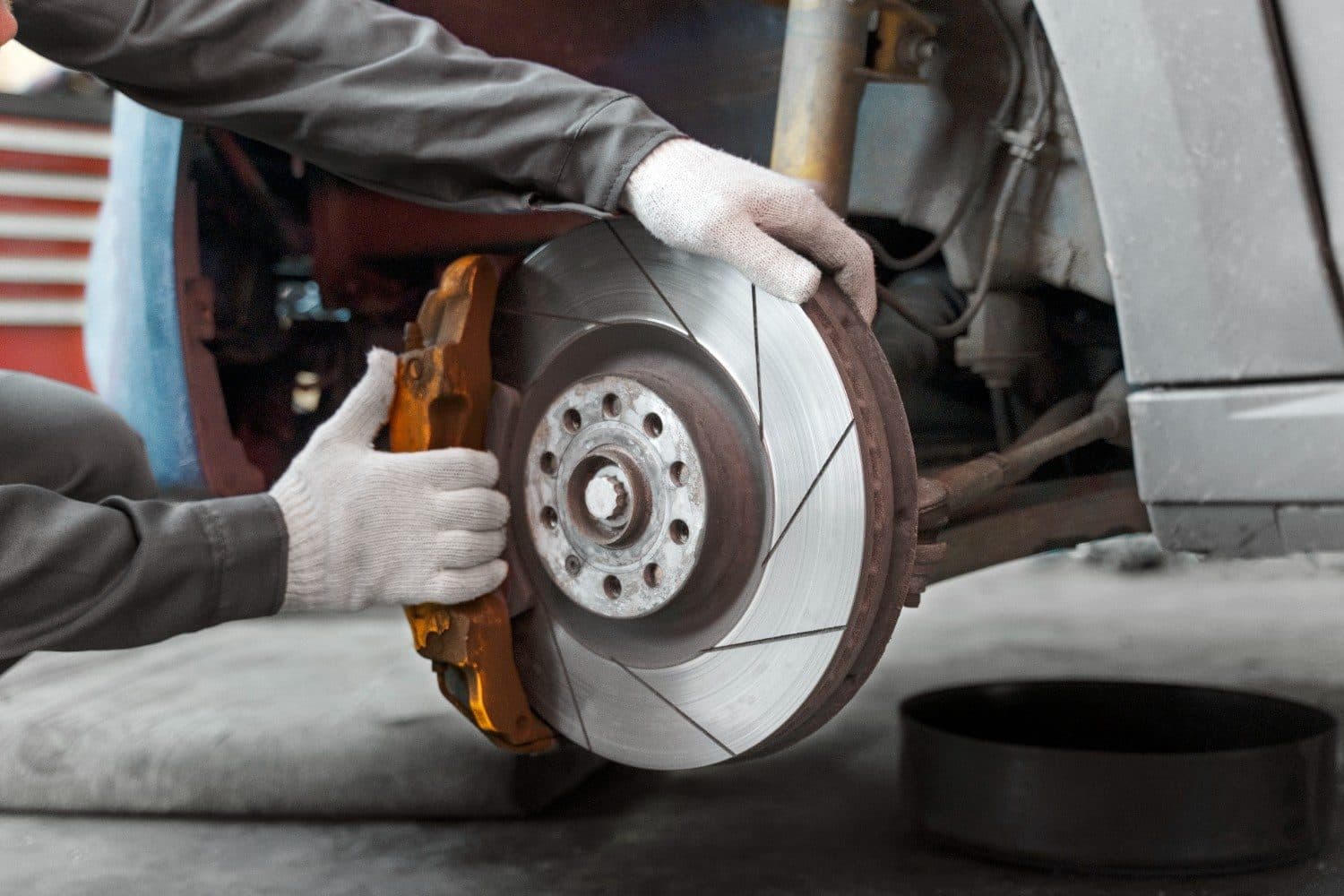
Brake pads are wear items, so replacement is expected during the life of a vehicle. How often they need changing depends on the car, driving conditions, load, driving style and whether most trips are stop-start suburban travel or open-road kilometres. A commuter who regularly drives through Geelong traffic may wear pads differently from someone who mainly uses their vehicle on country roads.
Rotors do not always need replacing with every set of pads. However, they must meet the manufacturer’s minimum thickness requirements and have an acceptable braking surface. Fitting new pads to deeply grooved, overheated or undersized rotors can compromise the result. It may also lead to noise, vibration and shorter pad life.
Calipers are built to apply even pressure to the pads. If a caliper sticks, one pad can wear much faster than the other, the vehicle may pull when braking, and the affected wheel can become unusually hot. Caliper faults are not as routine as pad replacement, but catching one early helps avoid wider damage.
Quality parts matter, particularly on a safety system. The cheapest available pads may not provide the same noise control, durability or stopping consistency as quality alternatives suited to your vehicle. That does not mean every car needs the most expensive option. The sensible choice depends on the vehicle, how it is used and the parts that meet the correct specifications. Honest advice should include those trade-offs, not a one-size-fits-all recommendation.
Why brake problems can affect your roadworthy inspection
For anyone selling a vehicle, buying a used car or arranging re-registration, braking performance and component condition are key roadworthy considerations. Worn pads alone are not the only concern. Brake fluid leaks, damaged hoses, ineffective handbrakes, warning lights and uneven braking can all affect whether a vehicle meets the required standard.
A roadworthy inspection is not a substitute for ongoing maintenance. It checks that a vehicle meets minimum safety requirements at the time of inspection. If you have noticed brake symptoms before booking a certificate, arranging repairs first can save time and reduce the stress of a follow-up inspection.
This is particularly relevant for used-car buyers. A vehicle may look tidy, drive quietly and still have brake components close to the end of their service life. An independent inspection gives you a clearer picture of likely work ahead, rather than relying on appearance or a seller’s assurance.
Can you keep driving with noisy brakes?
It depends on the noise and the cause, which is why a workshop inspection is the right next step. A brief squeak after rain may be surface moisture on the rotors. Some light noise can also occur with certain pad materials. But persistent squealing, grinding, vibration or a changed pedal feel should not be dismissed as normal.
If the brake warning light comes on, the pedal becomes soft, the car pulls sharply, braking distance increases, or you smell burning near a wheel, stop driving as soon as it is safe to do so and arrange assistance. Continuing to drive can put you and other road users at risk, while also turning a manageable repair into a larger one.
Looking after your brakes between services
You do not need to be a mechanic to notice changes in your braking. Listen for new sounds with the radio off occasionally, note whether the car tracks straight under normal braking and take warning lights seriously. If you tow a trailer, carry work equipment, drive a loaded ute or spend plenty of time in stop-start traffic, tell your mechanic. Those conditions can change the wear rate and service needs of the braking system.
Routine servicing is also a good opportunity to have brake wear checked before it becomes urgent. There is rarely a fixed kilometre figure that suits every vehicle, so condition-based inspection is more useful than relying on a number alone.
Your brakes are one of the few systems you rely on every time the car moves. If something feels different, booking an inspection now offers more certainty than hoping the noise disappears on its own.