

A warning light on a BMW, Audi, Mercedes-Benz or Volkswagen rarely tells the whole story. It may be a minor sensor issue, a battery losing charge or a fault that needs attention before it affects performance, safety or reliability. Choosing a German car service Geelong drivers can rely on means finding a workshop that can diagnose the cause properly, explain it clearly and repair only what is needed.
German vehicles are engineered with close tolerances, integrated electronics and manufacturer-specific service requirements. They do not always need dealership servicing, but they do deserve a mechanic with the right diagnostic capability, technical knowledge and approach to preventative care. That is where an independent specialist workshop can offer real value.
Why German vehicles need a considered approach
European cars are often enjoyable to drive because their engines, transmissions, suspension and safety systems work closely together. That same sophistication means a generic inspection or a quick code scan is not always enough when something goes wrong.
Modern German vehicles use multiple control modules that share information across the car. An engine warning light could relate to an ignition component, airflow reading, fuel delivery, emissions equipment or an electrical fault elsewhere in the system. Replacing parts based on a fault code alone can become expensive quickly. Accurate diagnosis starts with the code, then confirms the fault through testing, vehicle history and an understanding of how the system should operate.
Servicing matters just as much. Correct oil specifications, quality filters, suitable brake components and properly matched parts help protect performance and reduce avoidable wear. Saving money on the wrong consumables can lead to bigger costs later, particularly with turbocharged engines, automatic transmissions and complex cooling systems.
What a proper German car service in Geelong should include
The right service depends on the vehicle’s age, mileage, model and maintenance history. A late-model Audi on a capped-price service schedule has different needs from an older Volkswagen bought second-hand with incomplete records. A good workshop does not force every car into the same package.
A routine logbook service should address the manufacturer’s scheduled items while checking the vehicle’s overall condition. This generally includes the correct engine oil and filter, fluid checks, brakes, tyres, suspension, steering, lights, battery condition and visible leaks. Depending on the service interval, it may also include cabin filters, air filters, spark plugs, brake fluid or transmission servicing.
For German cars, the detail behind those checks matters. Brake wear sensors, electronic parking brakes, service reminders and condition-based maintenance systems may need suitable diagnostic tools and reset procedures. If a technician finds an issue, you should receive a clear explanation of what is urgent, what can be monitored and what can reasonably wait. That helps you plan repairs without feeling pressured into unnecessary work.
Diagnostics should lead the repair
Diagnostic work is especially valuable when a vehicle has intermittent faults, reduced power, rough running, warning lights or electrical problems. A scan tool can retrieve fault information, but it is only the starting point. Technicians may need to test wiring, charging voltage, fuel pressure, sensors, ignition operation or live data from the engine management system.
This process takes more care than fitting the most likely part, but it can prevent repeat visits and wasted spending. It also gives you a better answer than vague language about a problem being “electrical”. A quality repair should identify the failed component or system, explain the recommended fix and set out the cost before work proceeds.
Common issues worth addressing early
Not every noise or dashboard message means a major repair is around the corner. Still, early attention can make a genuine difference to cost and reliability. Oil leaks, cooling-system seepage, worn suspension bushes, weak batteries and brake vibration can become more involved if left too long.
Owners of BMW, Audi, Mercedes-Benz and Volkswagen vehicles should pay attention to changes such as extended cranking, uneven idle, a smell of coolant or oil, hesitation under acceleration, a clunk over bumps, vibration through the steering wheel or a warning message that disappears and returns. These symptoms can have several causes, so there is little value in guessing. Booking an inspection while the issue is still occurring gives the technician a better chance of tracing it efficiently.
Transmission concerns also deserve prompt assessment. Delayed engagement, harsh shifting, slipping or unusual noises can be caused by fluid condition, electronic controls, internal wear or a related engine issue. The solution depends on the diagnosis. Some vehicles may benefit from scheduled transmission servicing; others need more targeted repair work. Clear advice is important because these jobs can be significant, and owners need to understand their options.
Dealership servicing versus an independent specialist
A dealership can be a suitable choice for some owners, particularly where a warranty arrangement, recall or brand-specific campaign is involved. The trade-off is often higher labour costs and less flexibility around parts or repair choices.
An independent workshop with German vehicle experience can provide a practical alternative for routine servicing, repairs and diagnostics. The benefit is not simply a lower invoice. It is the chance to deal directly with a local team that knows your vehicle’s history, discusses priorities in plain language and provides a transparent quote before the work begins.
For newer vehicles, logbook servicing by a qualified independent mechanic can be completed in line with manufacturer requirements using appropriate parts and fluids. If you are concerned about a particular warranty condition, ask before booking so the service can be planned correctly. For older vehicles, a tailored maintenance plan is often more useful than following a rigid schedule without considering how the car is actually used.
How to get more life from your European car
Regular servicing is the foundation, but ownership habits matter too. Short trips can be hard on batteries and engines that do not reach operating temperature. Stop-start driving, towing, coastal conditions and heavy commuting can all affect maintenance needs. Let your mechanic know how the vehicle is used, especially if you have noticed a change in fuel economy, performance or starting behaviour.
Keeping service records is also worthwhile. It helps technicians make better decisions, supports resale value and gives used-car buyers more confidence. If you have recently bought a German vehicle with an unclear history, a thorough inspection can establish a sensible baseline. It may reveal immediate safety concerns, but it can also help you budget for work that is likely to arise over the next few months.
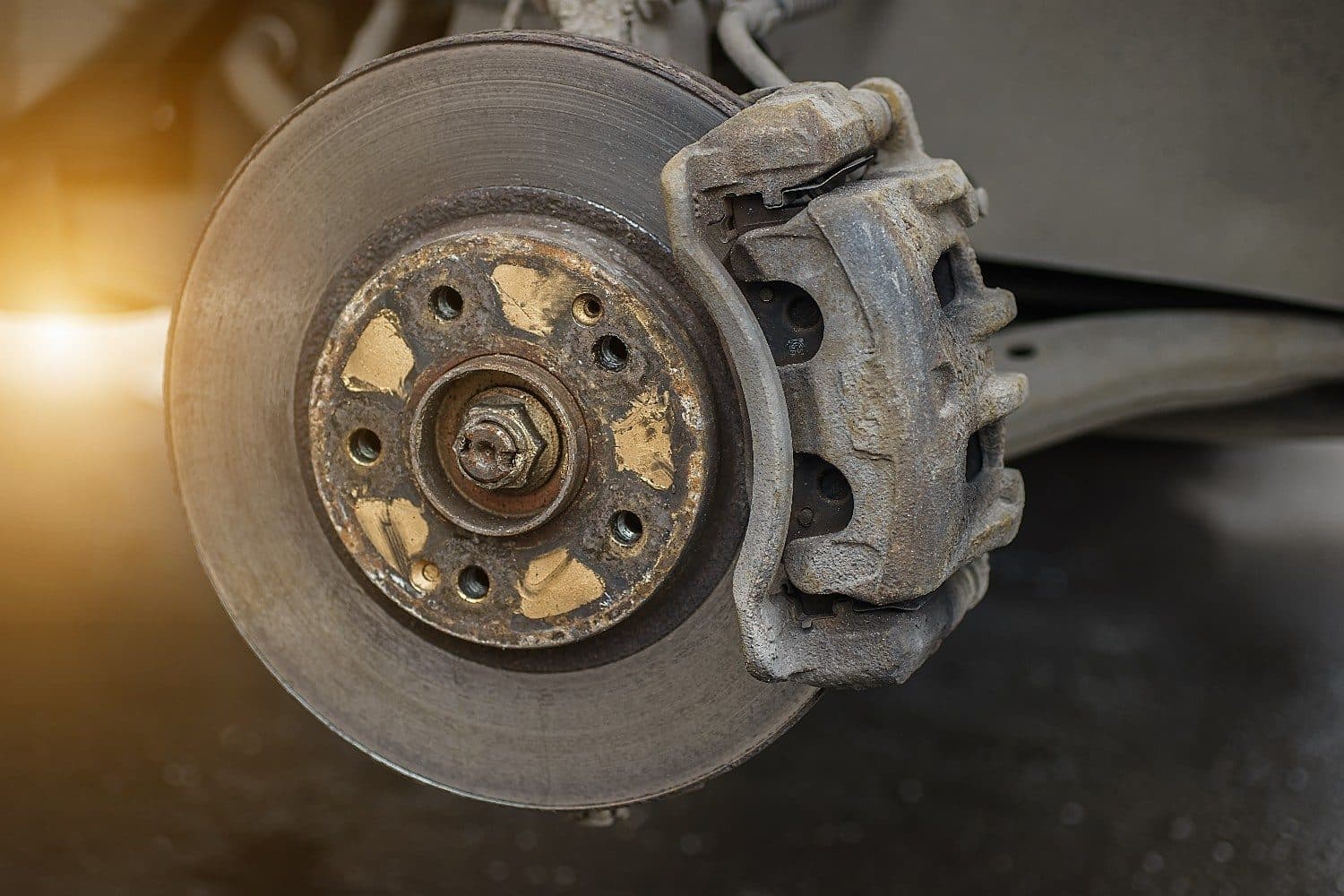
Do not overlook tyres, brakes and suspension. These systems shape how a German car feels on the road and are central to safe driving. Uneven tyre wear may point to alignment or suspension issues, while a soft brake pedal, squeal or vibration deserves inspection rather than a wait-and-see approach.
Clear advice makes servicing easier
Car repairs can feel uncertain when the explanation is full of technical terms and the estimate arrives without context. A dependable workshop should make the process straightforward: inspect the vehicle, identify the cause, explain the recommended repair and obtain approval before proceeding. Where there are choices, such as timing, parts options or staged repairs, those choices should be discussed honestly.
At Armstrong Creek Motors, German vehicle servicing is handled with advanced diagnostics, quality parts and the same personal attention offered to every local customer. Whether your car needs a scheduled service, fault diagnosis, brake work, cooling-system repair or a pre-purchase inspection, the aim is fair pricing and workmanship you can trust.
Your European car does not need dealer-style complexity to be looked after properly. Book it in before a small concern becomes a disruption, and ask the questions that help you make a confident decision.