
A sharp knock over the speed humps, a steering wheel that no longer sits straight, or a car that feels unsettled on the Princes Highway can be more than an annoyance. These are common reasons Geelong drivers seek suspension repairs. Your suspension does much more than soften bumps - it keeps tyres in contact with the road, helps your vehicle brake predictably and supports stable cornering when conditions change.
Ignoring a suspension concern can make a vehicle less comfortable, but the bigger issue is safety. Worn components can affect tyre wear, braking performance and control in wet weather. The good news is that most problems can be diagnosed clearly and repaired before they become a larger, more expensive job.
What your suspension system actually does
The suspension is a group of components working together between the wheels and the vehicle body. Springs carry the vehicle’s weight. Shock absorbers or struts control spring movement, stopping the car from continuing to bounce after a bump. Control arms, bushes, ball joints, sway bars and links keep the wheels correctly positioned as the vehicle travels and turns.
When these parts are in good condition, your car feels planted rather than floaty. It tracks straight, responds consistently to steering input and stays composed over uneven roads. That matters on daily school runs and commutes, as well as on longer trips down the Surf Coast or through country Victoria.
Not every vehicle uses the same layout. A family SUV, work ute, small hatch and European sedan may have very different suspension designs and component costs. That is why a proper inspection is more useful than guessing based on one symptom alone.
Signs you may need suspension repairs in Geelong
Suspension wear is often gradual, so drivers can become used to the change. Paying attention to how the vehicle behaves can help you act early. A clunk, knock or rattle over rough surfaces may point to worn sway bar links, bushes, mounts or ball joints. A creak when turning or travelling over a driveway can also indicate worn rubber components or joints.
If the car continues to bounce after crossing a speed hump, feels like it dips heavily under braking, or leans excessively through corners, worn shock absorbers or struts are worth checking. Leaking fluid around a shock absorber is another clear warning sign, though not every failed shock will leak externally.
Uneven tyre wear is particularly important. Bald patches, cupping or rapid wear on one edge can stem from wheel alignment issues, worn suspension parts, incorrect tyre pressures or a combination of these. Replacing tyres without finding the underlying cause can mean the same problem returns sooner than it should.
You may also notice the vehicle pulling to one side, wandering at highway speed, vibrating through the steering wheel or sitting lower at one corner. Some of these symptoms can be caused by tyres, steering or braking components rather than suspension alone. This is exactly why an inspection should look at the whole system, not just the part that appears most obvious.
Why Geelong roads can expose suspension wear
Potholes, patched road surfaces, kerbs, gravel driveways and repeated speed humps all put suspension components under load. One hard impact can bend a wheel, damage a tyre or knock wheel alignment out. More often, normal use slowly wears bushes, joints and dampers over time.
Carrying heavy tools, towing a trailer, frequent fleet use or loading up a seven-seat vehicle can accelerate wear. So can ageing rubber bushes, particularly on vehicles that spend a lot of time outdoors. It does not necessarily mean the vehicle has been poorly maintained. It means the system needs to be checked and serviced as part of normal ownership.
For European vehicles such as BMW, Audi, Mercedes-Benz and Volkswagen, suspension diagnosis can require particular experience. These vehicles may use multi-link systems, electronically controlled dampers or model-specific components. Choosing the cheapest replacement part is not always the best value if it compromises ride quality, handling or durability. A workshop should explain the available options and what is appropriate for your vehicle and budget.
A clear diagnosis before any repair work
A reliable suspension repair starts with listening to the driver. When does the noise occur? Is it worse when turning, braking, carrying passengers or driving over bumps? Has the car struck a pothole or kerb recently? These details can shorten the diagnostic process and avoid replacing parts that are not causing the issue.
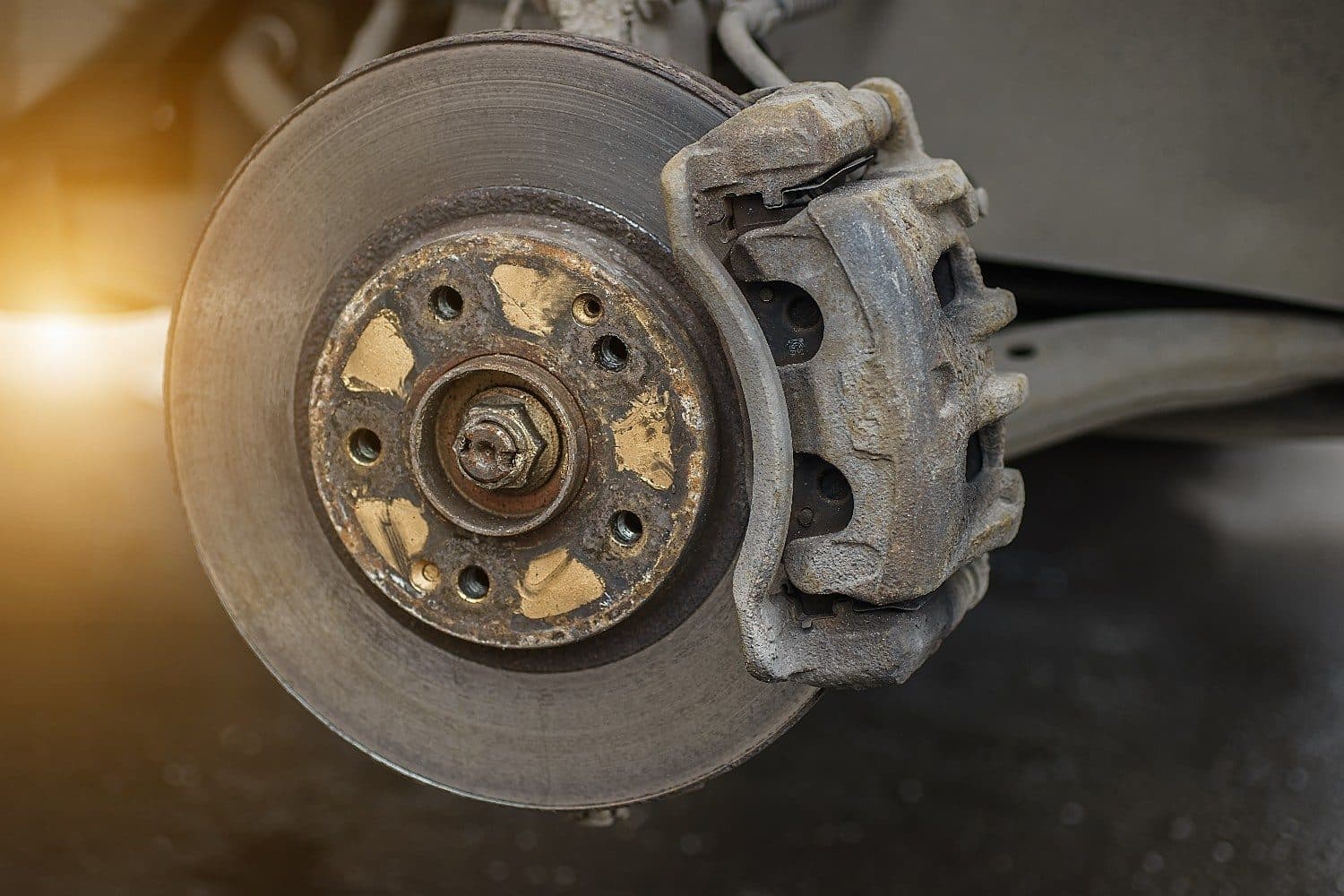
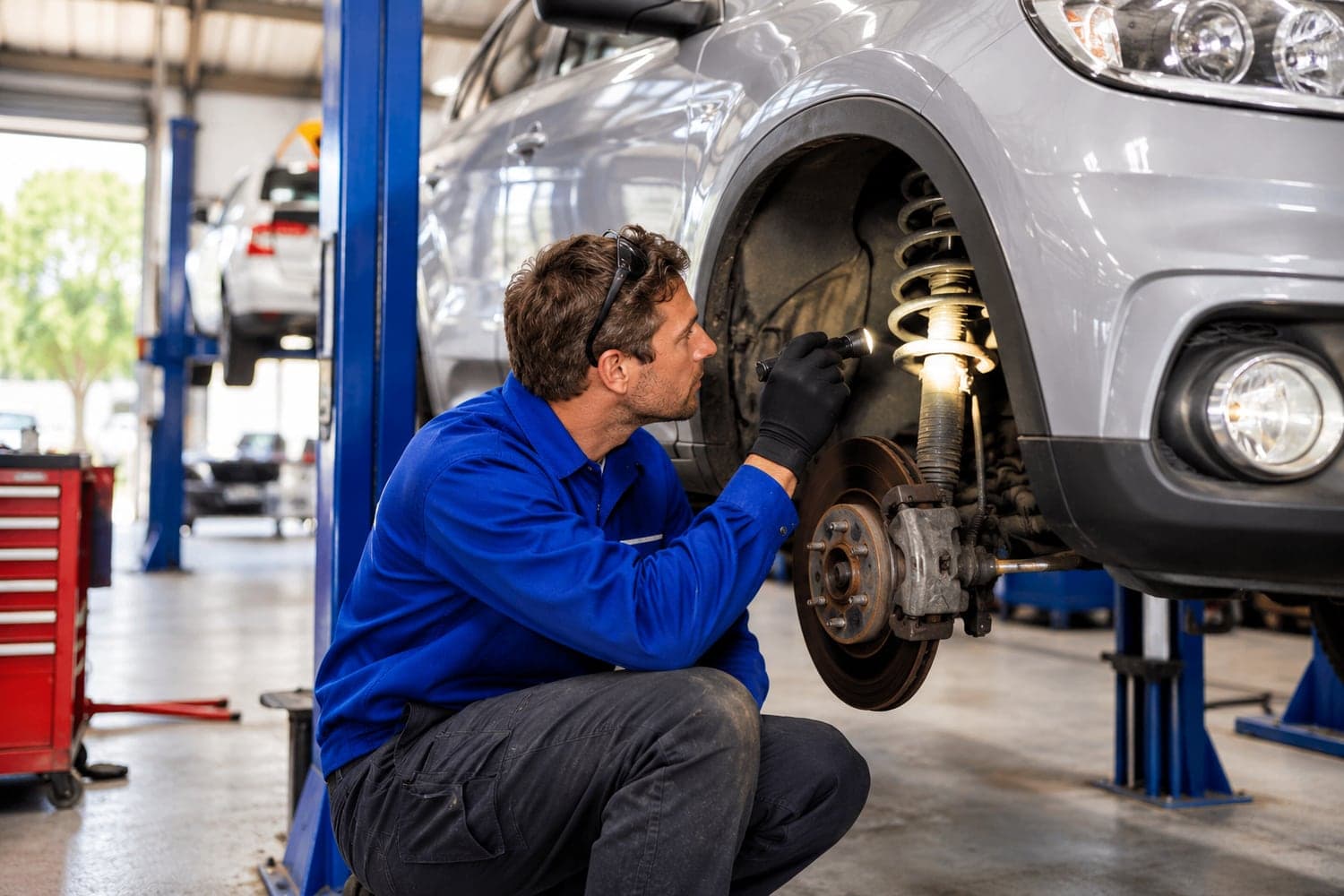
The vehicle should then be road tested where appropriate and inspected on a hoist. A technician can check for play in ball joints and tie rod ends, cracked or separated bushes, leaking shocks, damaged springs, loose mounting hardware and worn sway bar links. Tyres are also inspected for uneven wear, damage and correct inflation.
Wheel alignment measurements may be needed after the suspension check, especially where a tyre wear issue, steering pull or impact damage is present. Alignment is not a substitute for repairing worn parts. If a ball joint or bush has excessive movement, the alignment may not hold until the faulty component is rectified.
At Armstrong Creek Motors, the approach is straightforward: identify what has failed, explain what is urgent and provide a clear quotation before work begins. If several components show wear, you should understand the safety implications, what can reasonably wait and how each option affects cost and vehicle performance. No gimmicks and no vague recommendations.
Common suspension repairs and when they make sense
Shock absorbers and struts are often replaced in axle pairs. Replacing only one side can leave the vehicle reacting differently from left to right, which may affect handling. The same principle commonly applies to springs where one has broken or sagged. However, the right approach depends on the vehicle, the condition of the matching component and the manufacturer’s requirements.
Bushes, sway bar links and ball joints may be replaced individually, but sometimes the complete control arm is the more sensible repair. A complete arm can include a new ball joint and bushes, reducing labour and avoiding another repair soon after. On other vehicles, replacing only the worn bush is a practical and cost-effective option. There is no one-size-fits-all answer.
If a coil spring has snapped, do not delay the repair. A broken spring can move out of position, damage a tyre or affect vehicle height and handling. Likewise, any component with excessive play in a steering or suspension joint should be assessed promptly, particularly if the vehicle is due for a roadworthy inspection.
After suspension work, an alignment is often recommended or required. It protects tyre life and helps ensure the steering wheel is centred and the vehicle drives as it should. The exact work needed should be based on inspection results, not added automatically without explanation.
Can you keep driving with a suspension problem?
It depends on the fault. A light rattle may not mean immediate danger, but it still deserves inspection before a small worn part causes further damage. A broken spring, severe knocking, a vehicle that pulls sharply, visible tyre damage, major fluid leakage from a strut, or unstable handling should be treated as urgent. If the car does not feel safe to drive, arrange for it to be assessed rather than taking chances on the road.
Suspension issues can also affect a roadworthy certificate outcome. Components with excessive wear, damaged springs, insecure mounts and unsafe tyres can all create compliance concerns. Repairing the cause properly is better than chasing a pass without addressing the vehicle’s safety.
Protecting your suspension between services
You cannot avoid every pothole, but you can reduce unnecessary wear. Keep tyres inflated to the vehicle manufacturer’s recommendation, slow down for speed humps and rough surfaces, and avoid clipping kerbs when parking. If you regularly tow, carry heavy loads or drive on unsealed roads, mention it at your next service so the vehicle can be checked with its real workload in mind.
Most importantly, trust changes in the way your car feels. A vehicle that is quieter, straighter and more settled is easier to drive and safer for everyone inside it. Booking an inspection when the first signs appear gives you clear answers, fair repair options and the confidence to get back on Geelong roads without second-guessing every bump.