

A reliable car mechanic Geelong drivers can turn to should make vehicle care feel clearer, not more complicated. Whether your dash warning light has appeared on the way to work, your family SUV is due for a service, or you are preparing a car for sale, you deserve straight answers about what is needed, what can wait and what it will cost.
The right workshop does more than change oil and replace brake pads. It helps you make sensible decisions about your vehicle over time, with qualified workmanship, accurate diagnosis and advice that is easy to understand.
What a good local mechanic should do

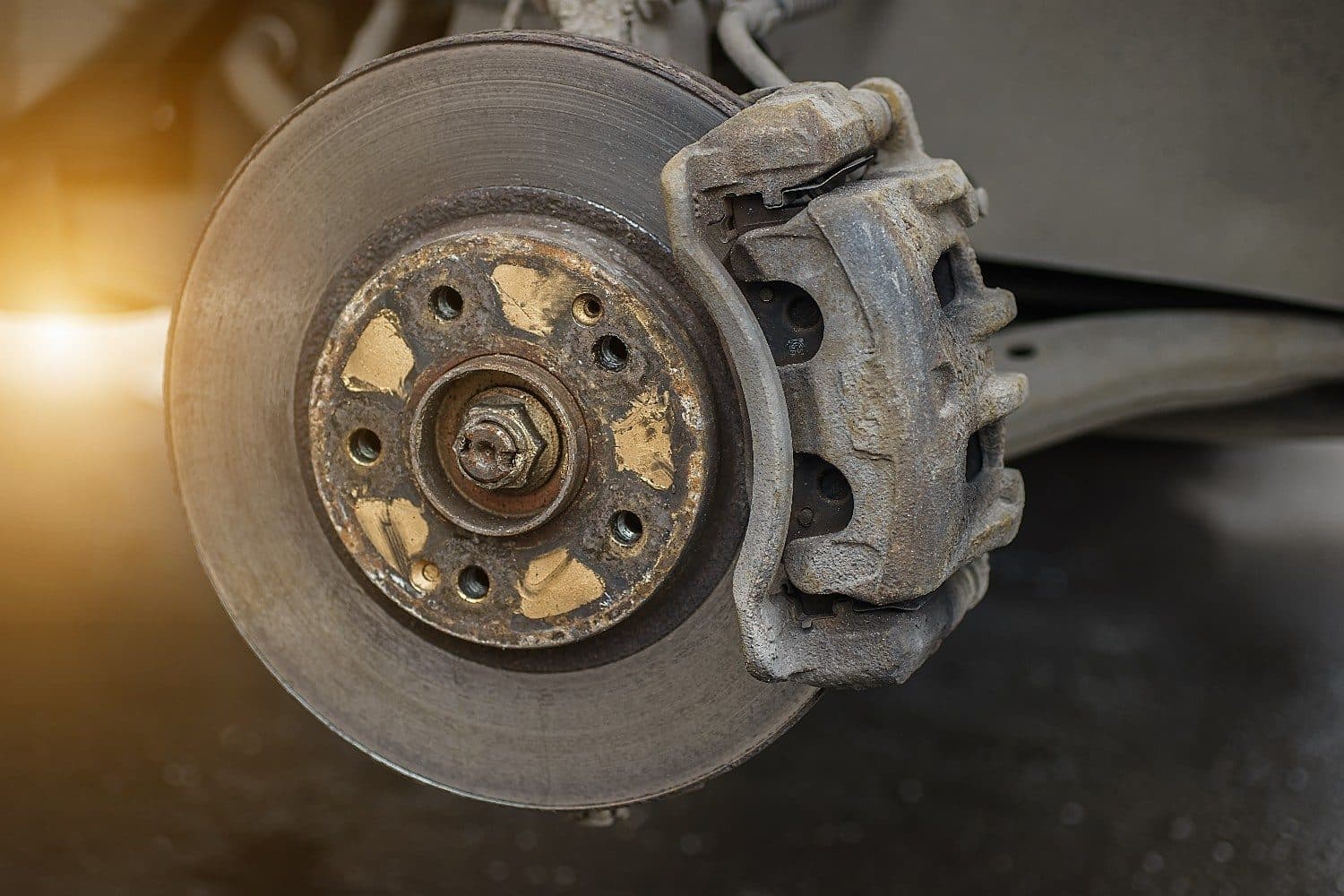
Most cars will need more than routine servicing during their working life. Wear-and-tear items such as tyres, brake rotors, batteries and suspension components have a finite life. Other issues, including oil leaks, electrical faults or engine performance problems, need careful testing before repairs are recommended.
A dependable mechanic begins with diagnosis, not assumptions. If a vehicle is running rough, for example, the cause could be an ignition issue, a fuel or EFI fault, a sensor, an air leak or a range of other problems. Replacing parts without properly testing the system can become expensive very quickly.
Look for a workshop that explains the fault in plain language and separates urgent safety concerns from maintenance that can be planned for later. There are times when a repair cannot wait - a brake issue, overheating engine, failing tyre or unsafe steering component should be dealt with promptly. But not every recommendation needs to be completed on the same day. Honest advice gives you the information to decide.
Choose a car mechanic in Geelong who communicates clearly
Clear communication is one of the strongest signs of a professional workshop. Before work starts, you should understand the scope of the job, the likely cost and whether further inspection may be needed. If additional faults are found, the workshop should contact you before carrying out extra work wherever practical.
A detailed quote does not mean a mechanic can predict every outcome on a complex repair. Some problems only become visible once components are removed or diagnostic testing progresses. What matters is how this is handled. A good mechanic will explain what has been found, why it affects the repair and what the available options are.
Be cautious if you receive a vague recommendation with no explanation, pressure to approve work immediately or a final invoice that bears little resemblance to the original conversation. Fair pricing is about more than choosing the lowest figure. It is about knowing what you are paying for, including parts, labour and the reason the repair is necessary.
Servicing protects more than your engine
Regular servicing is one of the most practical ways to reduce the risk of inconvenient breakdowns and larger repair bills. A logbook service follows the manufacturer’s required schedule while preserving the checks your vehicle needs at each interval. Depending on the car and kilometres travelled, this may include engine oil and filter replacement, fluid checks, brake inspection, tyre condition, battery testing and a review of key safety systems.
For older vehicles or cars that do lots of short trips, a mechanic may recommend attention based on condition rather than kilometres alone. Stop-start driving, school runs and city commuting can be hard on engine oil, batteries and brakes. On the other hand, a vehicle that spends most of its time on open roads may wear differently.
The important point is that servicing should be tailored to the vehicle, its service history and how it is used. A workshop that takes the time to ask about unusual noises, recent warning lights, towing, long trips or changes in fuel use is more likely to spot concerns before they become disruptive.
Ask about preventative maintenance
Preventative work is not about adding unnecessary items to an invoice. It is about replacing known wear items before they fail and cause further damage. Timing components, cooling system parts, transmission servicing and drive belts are common examples where following the right interval can save a major repair later.
Your mechanic should be able to tell you what is due now, what is worth monitoring and what is likely to be needed at the next service. That makes it easier to budget for your car rather than being caught off guard.
Specialist diagnostics matter for modern cars

Modern vehicles rely on a network of computers, sensors and electronic modules. A warning light may point to one part of the system, but it does not automatically mean that component has failed. Proper diagnostic equipment, technical knowledge and methodical testing are needed to find the underlying cause.
This is particularly relevant for BMW, Audi, Mercedes-Benz and Volkswagen vehicles. These cars often require specialist scan tools and experience with European vehicle systems. Choosing an independent workshop with the right diagnostic capability can provide a practical alternative to dealership servicing, without sacrificing careful attention or quality parts.
The same principle applies to air conditioning, electrical repairs and engine management faults. A quick fix may be tempting, especially when a car is needed every day, but accurate diagnosis is usually the better value choice. It avoids repeated visits for the same issue and reduces the chance of replacing parts that were never the real problem.
Roadworthy certificates need a thorough approach
If you are selling a vehicle, buying privately, re-registering a car or dealing with compliance requirements, you may need a roadworthy certificate. This inspection focuses on whether a vehicle meets the required minimum safety standards at the time of inspection.
It is not the same as a full mechanical inspection or a service. A roadworthy inspection covers safety-related areas such as tyres, brakes, steering, suspension, lights, windscreen condition and other required components. It does not guarantee that every mechanical or cosmetic item on the car is perfect.
For buyers, that distinction matters. A roadworthy certificate is valuable, but it should not replace a pre-purchase inspection when you want a clearer picture of a used car’s overall condition. A thorough check can identify concerns such as oil leaks, engine faults, transmission behaviour, cooling system issues and signs of previous poor-quality repairs that may sit outside the roadworthy criteria.
When fast turnaround matters, quality still comes first
Being without a vehicle can affect work, family routines and business commitments. A good local workshop understands that completing work promptly matters. However, fast turnaround should not mean rushing diagnosis or overlooking safety checks.
The best outcome is a workshop that manages both: efficient booking and repair processes, paired with enough time to do the job properly. Availability of parts can affect timing, especially for less common models or specialist European components. A transparent mechanic will keep you informed if a repair requires additional time, rather than leaving you wondering what is happening with your car.
For households with multiple cars and businesses operating a small fleet, consistency is especially valuable. Having service records, known vehicle histories and one trusted point of contact can make maintenance planning far easier.
Questions worth asking before you book
You do not need to be mechanically minded to choose well. Ask whether the workshop can service your make and model, provide a clear quote and explain any recommended repairs. It is also reasonable to ask about the parts being used, expected turnaround time and workmanship guarantee.
Pay attention to how the answers are given. Technical knowledge matters, but so does the ability to explain it without talking down to you. A mechanic who welcomes questions is more likely to build a long-term relationship than one who relies on confusing jargon.
Armstrong Creek Motors supports motorists across Geelong, Grovedale and Armstrong Creek with servicing, repairs, diagnostics and licensed roadworthy inspections. The focus is simple: qualified work, honest advice, fair costs and clear communication from booking through to collection.
Your vehicle does not need attention only when something goes wrong. Booking a service before a long drive, getting a new noise checked early or arranging an inspection before buying a used car can give you confidence well before a small issue becomes a costly interruption.