
A missed service rarely causes trouble on the day you miss it. The cost tends to show up later: a battery that fails before work, brakes that become noisy, an overheating engine on the highway, or a small oil leak that becomes a major repair. Reliable car servicing Geelong drivers can trust is about finding these issues early, explaining what they mean and keeping repairs proportionate to the vehicle's needs.
For local drivers, servicing is not simply a stamp in a book. It is the practical maintenance that keeps school runs, commutes, weekend trips and work vehicles running safely. A good workshop should give you a clear picture of your car's condition, a fair quote before work starts and advice you can understand without needing to be a mechanic.
What car servicing in Geelong should include

A proper service is more than an oil change. While the exact work depends on your vehicle's age, make, mileage and manufacturer schedule, the technician should inspect the systems that affect safety, reliability and everyday performance.
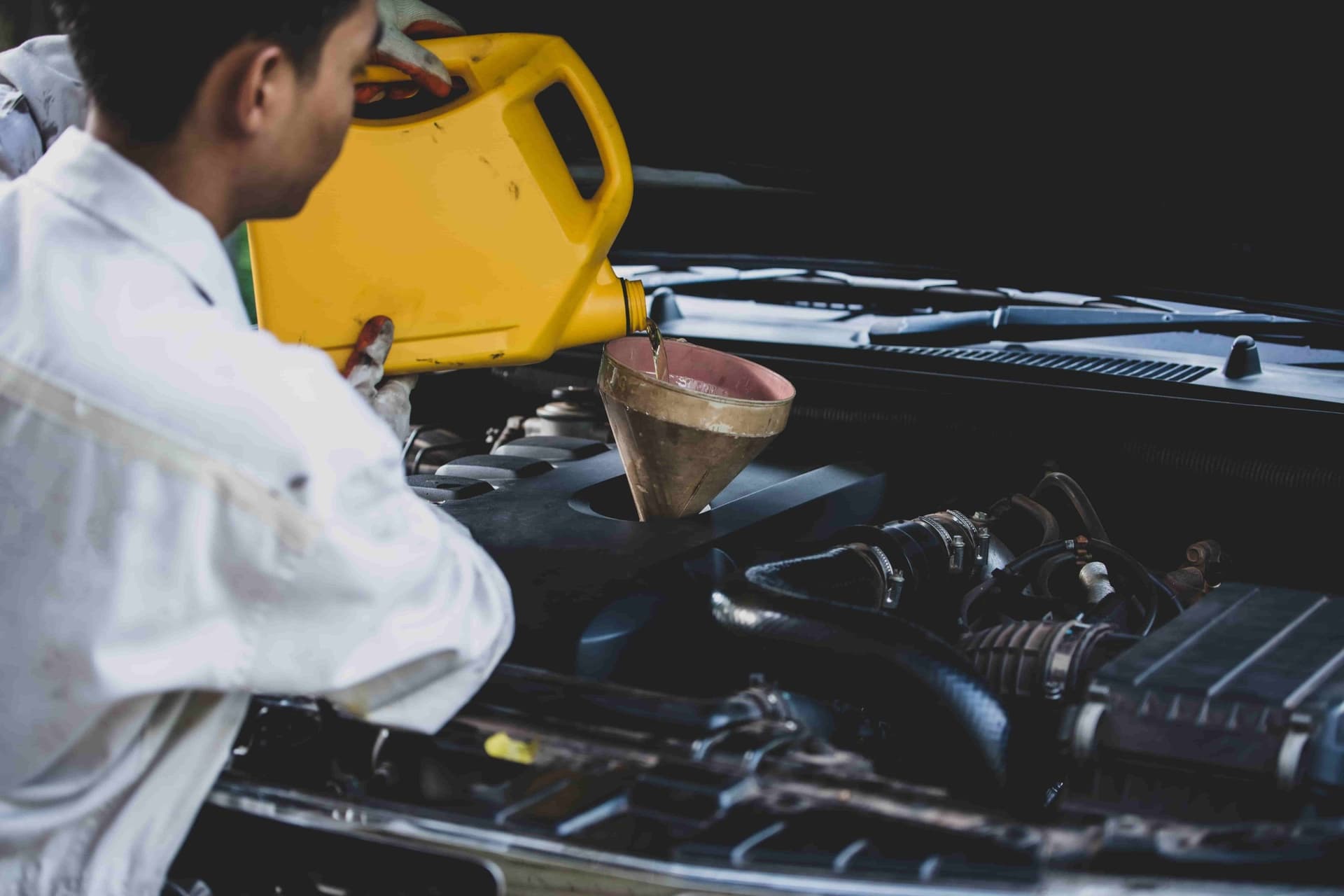
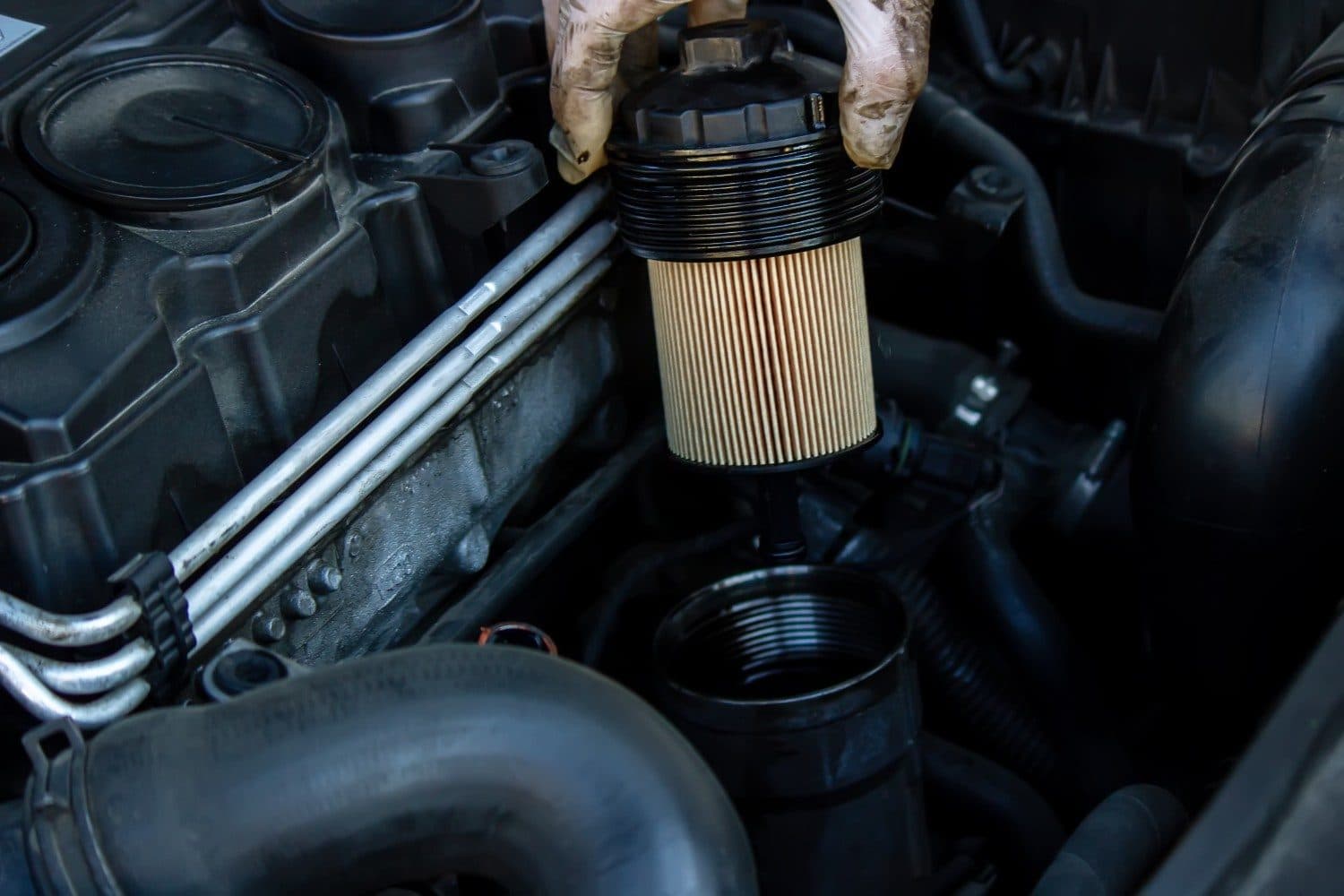
Engine oil and filters are replaced where required because clean oil protects moving engine parts from wear. Fluids such as coolant, brake fluid, transmission fluid and power steering fluid may also need checking or replacement at set intervals. Neglecting these can lead to poor performance and expensive component damage.
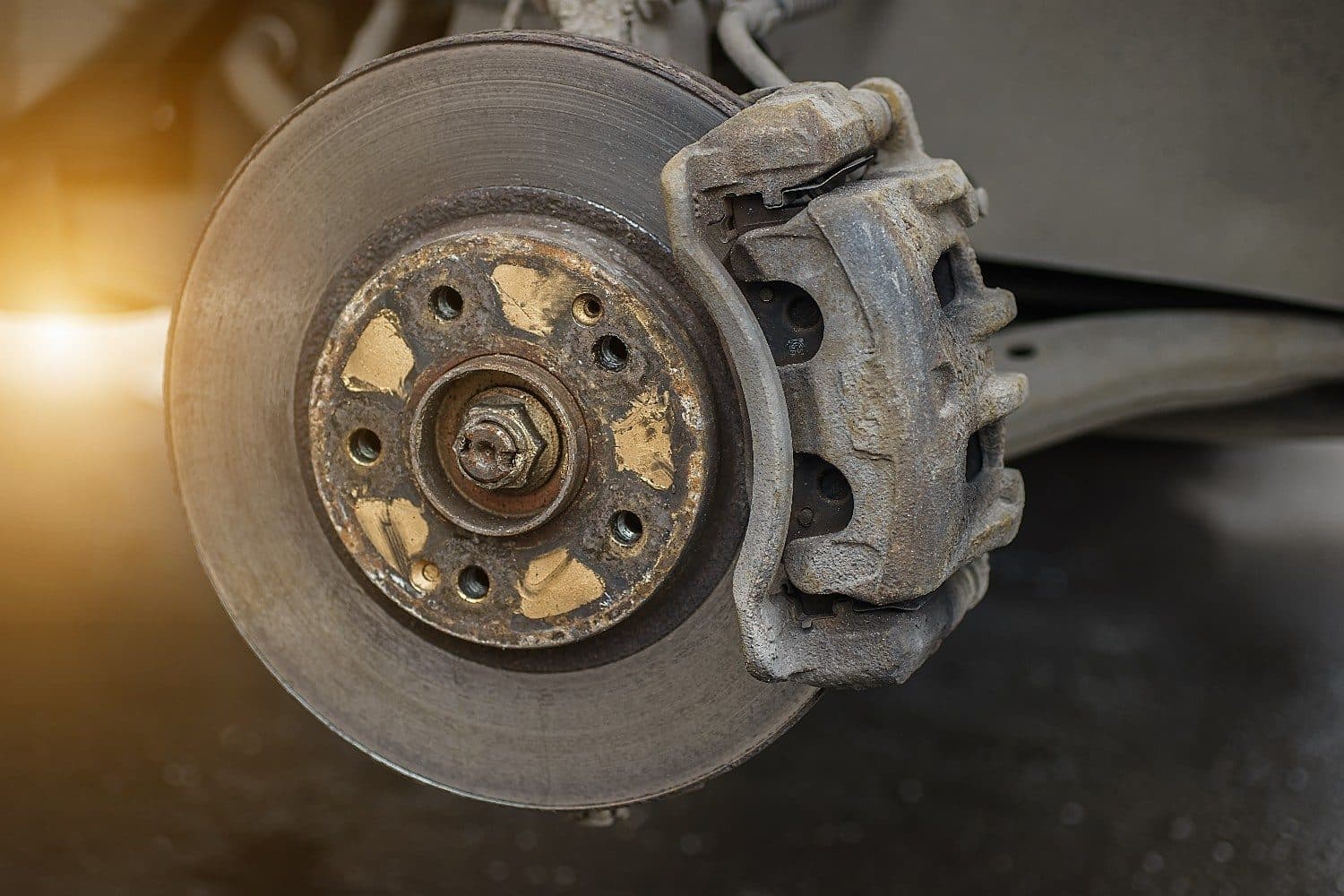
Your brakes deserve close attention at every service. Pads, rotors, hoses and brake fluid are checked for wear, leaks and safe operation. A squeal does not always mean immediate danger, but a soft pedal, pulling under braking or a warning light should be inspected promptly rather than left until the next scheduled service.
Tyres, steering and suspension are equally important on Geelong roads, particularly when your car regularly carries children, tools or heavy loads. Uneven tyre wear can point to wheel alignment, worn suspension components or incorrect tyre pressure. Addressing the cause can help protect both your tyres and your vehicle's handling.
A thorough service should also look at the battery and charging system, lights, wipers, belts, hoses, air conditioning, exhaust and visible oil leaks. Modern vehicles require diagnostic checks too. Warning lights, sensor faults and EFI issues are not always obvious in the way a leaking hose is, but they can affect fuel use, emissions and drivability.
Follow the logbook, but pay attention between services
Your manufacturer's logbook provides the best starting point for service intervals. Many cars need attention every six or 12 months, or at a nominated kilometre interval. The first limit reached is generally the one to follow. A vehicle that only travels short distances around Armstrong Creek, Grovedale or Geelong can still need regular servicing, as short trips can put extra strain on oil, batteries and engine components.
Logbook servicing matters while your vehicle is under warranty, but you do not necessarily need to return to a dealership. An independent workshop can carry out scheduled servicing using suitable parts and correct procedures, while giving you a more direct conversation about what your car actually needs.
That said, a service interval is not a reason to ignore a new symptom. Book an inspection sooner if you notice a burning smell, fluid under the car, difficulty starting, vibration through the steering wheel, rough gear changes, reduced air conditioning performance or an engine warning light. Some faults are minor. Others become more costly the longer they are driven.
Why cheap servicing can become expensive
A low advertised price can be useful if it clearly states what is included. The issue arises when a basic oil-and-filter service is presented as though it covers every inspection and item required by the manufacturer. A very cheap service may not include the diagnostic time, quality filters, correct oil specification or detailed checks your vehicle needs.
Price should not be the only deciding factor, but neither should servicing feel like a blank cheque. The right approach is transparent: you should know what is included in the scheduled service, what has been found during the inspection and what repairs are urgent, recommended soon or simply worth monitoring.
Not every recommendation needs to be approved on the spot. For example, tyres approaching their wear limit may be safe for now but require planning before a road trip. A leaking shock absorber or severely worn brake pads is different and should be treated as a priority. Honest advice distinguishes between those situations and helps you make an informed decision.
Specialist care for European vehicles
BMW, Audi, Mercedes-Benz and Volkswagen vehicles often need more than generic servicing knowledge. They can have specific oil requirements, electronic service records, complex warning systems and components that need model-specific diagnostic equipment. Using the wrong fluid or overlooking a fault code can create avoidable issues later.
Specialist European car servicing does not have to mean dealership pricing. An experienced independent mechanic can complete scheduled maintenance, diagnose electrical and EFI faults, repair brakes, suspension, cooling systems and engines, and source quality parts suited to the vehicle. The key is having technicians who understand the platform and take the time to diagnose the cause of a problem rather than replacing parts by guesswork.
Servicing is also about safety and roadworthy readiness
A regular service and a roadworthy certificate are related, but they are not the same thing. A service focuses on maintaining your vehicle according to its needs. A roadworthy inspection assesses whether a vehicle meets the required safety standards when it is being sold, re-registered or otherwise needs certification.
Routine maintenance can make roadworthy preparation less stressful. Brakes, tyres, lights, suspension, windscreen wipers, steering and safety equipment are all areas that can create problems if left unattended. If you are buying or selling a used car, it is sensible to arrange an inspection early enough to understand any work required before deadlines become urgent.
For families with more than one vehicle, or businesses managing a small fleet, planned servicing also reduces disruption. Keeping a record of service dates, tyre replacements, battery age and upcoming repairs makes it easier to schedule work around busy periods instead of dealing with unexpected downtime.
What to expect from a local workshop
The best workshop relationship is built over more than one visit. Your mechanic gets to know your vehicle's history, how you use it and which repairs have already been completed. That context can make fault-finding faster and maintenance decisions more practical.
At Armstrong Creek Motors, the focus is on qualified workmanship, clear communication and fair pricing. Before approving additional repairs, you should receive an explanation in plain language of the issue, the likely consequences of delaying it and the expected cost. That personal guidance matters whether you drive a family SUV, a work ute, a European sedan or an older vehicle you want to keep on the road.
It is also reasonable to ask questions. Find out whether the quoted service follows your logbook requirements, which parts and fluids will be used, whether diagnostic scans are included and when the vehicle will be ready. A professional workshop will answer directly, not hide behind technical jargon.
Make your next booking before there is a problem
The easiest time to organise servicing is when your vehicle is running well. Check your logbook, look at the service reminder on your dashboard and think about any changes you have noticed behind the wheel. Booking before a warning light, breakdown or roadworthy deadline gives you more choice, more time and a clearer path to keeping your car safe on the road.