

A small engine warning can turn into an expensive repair quickly. A rough idle on the school run, a tapping sound at traffic lights or smoke from the exhaust is not something to ignore and hope disappears. For engine repairs Geelong vehicle owners can rely on, the priority is finding the actual cause early, understanding the options and approving work with confidence.
Modern engines are highly capable, but they depend on oil pressure, cooling, fuel delivery, ignition timing and electronic sensors all working together. When one system starts to fail, it can affect others. The best outcome is rarely about replacing parts first. It starts with a careful diagnosis and an honest explanation of what your vehicle needs.
When engine repairs in Geelong should not wait
Some faults develop gradually, while others need immediate attention. If the oil pressure warning light, temperature warning light or check engine light appears, pay attention to how the vehicle is behaving. A light on its own may indicate a sensor issue, but a warning light combined with loss of power, overheating, knocking or an unusual smell needs prompt assessment.
Stop driving and arrange help if the engine is overheating, producing heavy smoke, making a loud metallic knock or showing an oil pressure warning. Continuing to drive can turn a manageable repair, such as a coolant leak or ignition fault, into serious internal engine damage.
Other signs are less urgent but still worth booking in soon. These include hard starting, rough idling, poor fuel economy, hesitation under acceleration, a recurring check engine light, oil spots where you park and exhaust smoke. A vehicle that feels different to drive is often telling you something before a breakdown forces the issue.
What the colour of exhaust smoke can suggest
Smoke is not a diagnosis by itself, but it provides useful clues. Blue-grey smoke can indicate the engine is burning oil, potentially due to worn seals, piston rings or a turbocharger issue. Thick white smoke with a sweet smell may point to coolant entering the combustion chamber. Black smoke can suggest an overly rich fuel mixture, which may be related to EFI components, sensors, injectors or air intake faults.
These symptoms have different possible causes. That is why a technician should inspect the vehicle rather than relying on a quick assumption based on smoke colour alone.
Accurate diagnosis before engine repair work begins
A proper engine assessment combines technician experience with the right equipment. Fault-code scanning is useful, particularly on later-model vehicles, but a stored code is a starting point rather than a final answer. For example, a misfire code may be caused by a spark plug, ignition coil, injector, vacuum leak, compression issue or a wiring fault.
The workshop may inspect fluid condition and levels, look for leaks, test battery and charging performance, check ignition and fuel systems, assess cooling operation and inspect related hoses, belts and wiring. Depending on the symptoms, compression testing, leak-down testing or further electronic diagnostics may be appropriate.
This approach matters because it helps avoid unnecessary parts replacement. Replacing components until the problem goes away can be costly and frustrating. Clear diagnosis helps identify whether the repair is straightforward, whether other systems have been affected and whether there are options to consider before work begins.
At Armstrong Creek Motors, the focus is on explaining the findings in plain language. You should know what has failed, why it matters, what work is recommended now and what can reasonably be monitored. That makes it easier to make a decision without dealer-style complexity or surprise costs.
Common engine faults and the repairs they may need
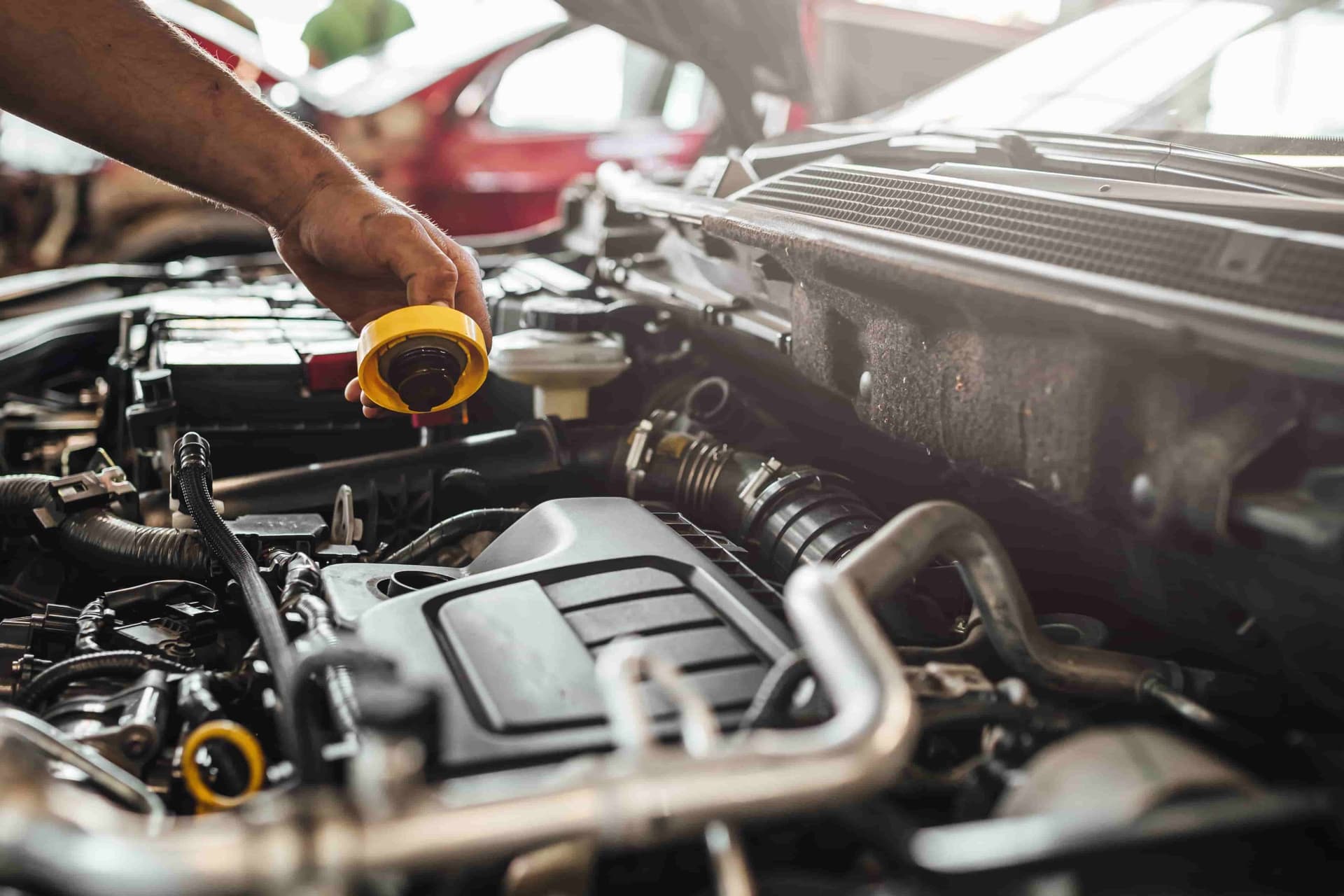
Engine repair can mean anything from replacing a leaking gasket to resolving a more involved internal fault. The right repair depends on the vehicle, its service history, the cause of the issue and the condition of the engine overall.
Oil leaks are among the most common concerns. Leaks can come from rocker cover gaskets, timing covers, sump gaskets, crank seals, oil filter housings or other sealing points. Some leaks are minor at first, but even a slow leak can lower oil levels, damage rubber components or create smoke and odour if oil reaches hot exhaust parts.
Cooling problems also deserve attention. A failed thermostat, worn hose, leaking radiator, water pump issue or faulty cooling fan can allow an engine to overheat. Overheating risks warping the cylinder head or damaging the head gasket, so solving the original cooling fault early is usually far more affordable than repairing the damage that follows.
Misfires and poor performance are often linked to spark plugs, ignition coils, fuel injectors, airflow concerns or EFI sensors. These can make the car shudder, lose power or use more fuel than normal. In some cases, driving for too long with a severe misfire can damage the catalytic converter as unburnt fuel enters the exhaust.
Timing components require particular care. Timing belts have specified replacement intervals, while timing chains can stretch or develop guide and tensioner problems over time. If a timing belt fails on an interference engine, internal damage can occur. Service records and manufacturer recommendations are valuable here, especially when purchasing a used vehicle with an uncertain history.
Repair, rebuild or replace: the decision depends
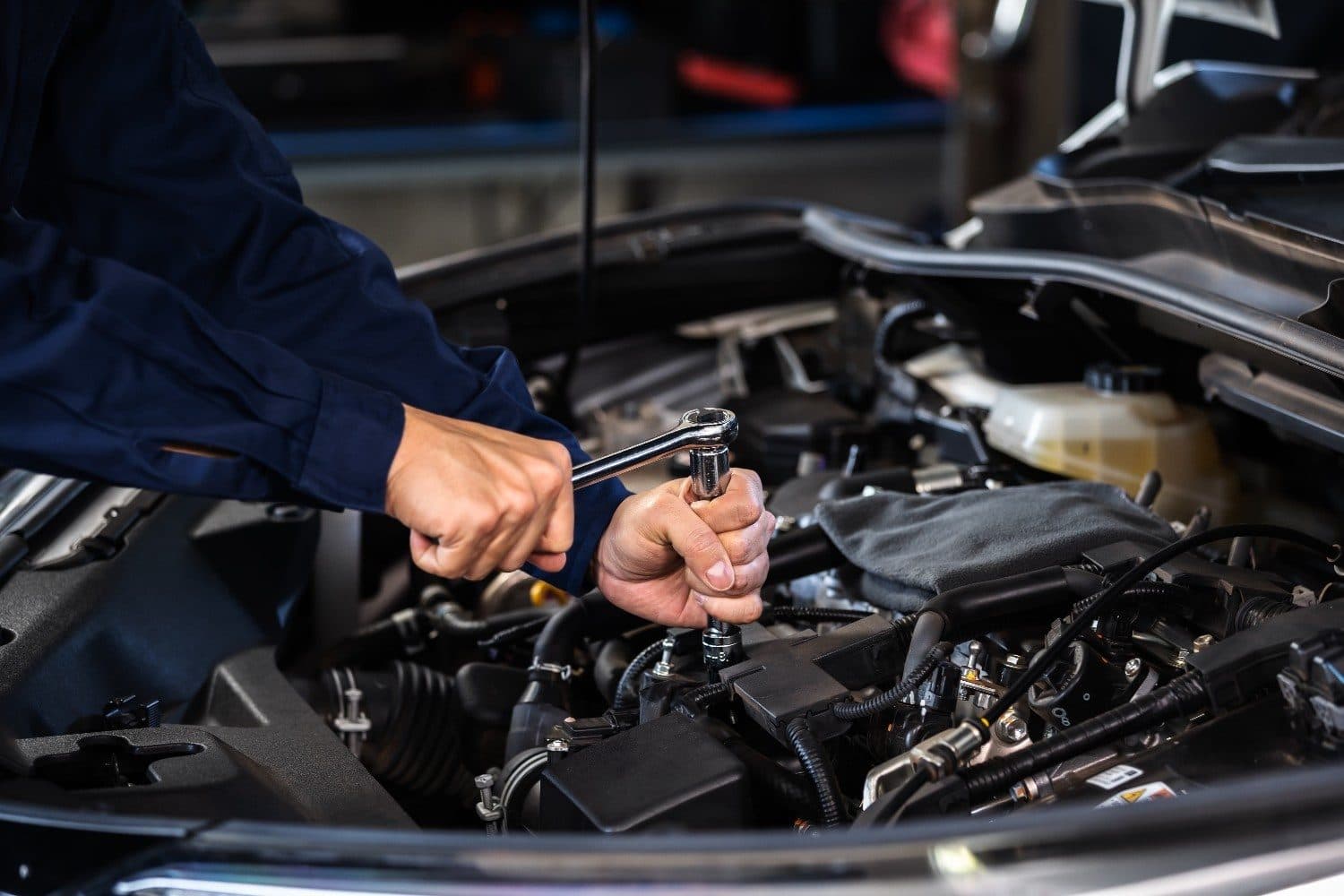
Not every engine problem calls for a replacement engine. Many faults can be fixed by repairing the affected system, replacing external components or carrying out targeted sealing work. Where there is significant internal wear or damage, the choice may be between rebuilding the existing engine and fitting a replacement unit.
A rebuild can make sense when the vehicle is otherwise in good condition, the engine is worth retaining and quality parts are available. It can also allow worn internal components to be addressed properly. However, rebuilds require more labour and can be less economical for an older vehicle with multiple unrelated issues.
A replacement engine may reduce downtime in some cases, but its history, warranty conditions and compatibility need to be checked carefully. A lower upfront quote is not always the best value if it excludes essential associated work, fluids, seals, diagnostics or a clear workmanship guarantee.
The most useful question is not simply, “What is the cheapest option?” It is, “What repair gives this vehicle a dependable future for the way I use it?” A daily commuter, family SUV, work ute and weekend European vehicle can each justify a different decision.
Why servicing protects the engine you already have
Routine logbook servicing is one of the most effective ways to reduce avoidable engine repairs. Fresh oil of the correct specification protects internal components, while quality filters help prevent contaminants circulating through the engine. Checking coolant, belts, hoses, ignition components and fluid leaks during service can expose small faults before they become breakdowns.
Service intervals should be based on your manufacturer’s requirements and how the vehicle is used. Short trips, stop-start commuting, towing, dusty conditions and regular idling can be tougher on an engine than open-road kilometres. If your car works hard, it may benefit from closer attention than the standard interval suggests.
European vehicles, including BMW, Audi, Mercedes-Benz and Volkswagen models, also require correct oils, parts and diagnostic knowledge. Specialist servicing does not need to mean dealership pricing, but it does require a workshop that understands the systems involved and follows the right procedures.
Questions to ask before approving an engine repair
A trustworthy repair conversation should be clear, not confusing. Ask what tests were carried out, what has been found and whether the issue is likely to affect other components. It is also reasonable to ask for a transparent quotation, whether genuine or quality aftermarket parts are recommended, how long the work is expected to take and what workmanship guarantee applies.
If the repair is substantial, ask whether there are urgent safety or reliability concerns if you delay it. Sometimes a repair can wait briefly while you plan for it. Other times, such as low oil pressure, overheating or a serious misfire, delay can dramatically increase the final bill.
Keep copies of service and repair invoices once the work is complete. They help you track maintenance, support resale value and give the next technician useful information if another fault develops.
A dependable local workshop should leave you with more than a repaired vehicle. You should leave knowing what was done, why it was needed and what to keep an eye on next. If your engine is making a new noise, losing power or showing a warning light, booking an inspection early is often the fairest way to protect both your car and your budget.