

A missed service can look harmless on the calendar, then become an expensive surprise when the brakes, battery, cooling system or engine oil have been working harder than expected. Logbook servicing Geelong vehicle owners can rely on is not about ticking a box. It is about giving your car the maintenance it needs at the right time, with a clear record of what was checked and why.
For commuters travelling between Armstrong Creek, Grovedale and Geelong, family cars doing school runs, and fleet vehicles that cannot afford downtime, regular servicing is one of the simplest ways to reduce avoidable repairs. The right workshop will follow the manufacturer’s schedule while still taking the time to look at the condition of the vehicle in front of them.
What a logbook service actually covers

Your vehicle’s logbook sets out service intervals based on time, kilometres, or whichever comes first. A car that only travels short distances still needs attention because oil ages, batteries discharge, tyres deteriorate and moisture can affect fluids and components.
The work required changes from one interval to the next. A basic scheduled service may include replacing engine oil and the oil filter, inspecting fluid levels, checking tyre condition and pressure, and looking over brakes, steering, suspension, lights, belts, hoses and safety items. At larger intervals, your vehicle may require additional work such as air and cabin filter replacement, spark plugs, transmission servicing, brake fluid replacement or coolant renewal.
A proper service is more than an oil change. It involves checking the systems that keep the vehicle safe, dependable and efficient. If a technician identifies an issue, you should receive a clear explanation of what has been found, how urgent it is and what the repair is likely to cost before extra work goes ahead.
Why scheduled servicing can save money
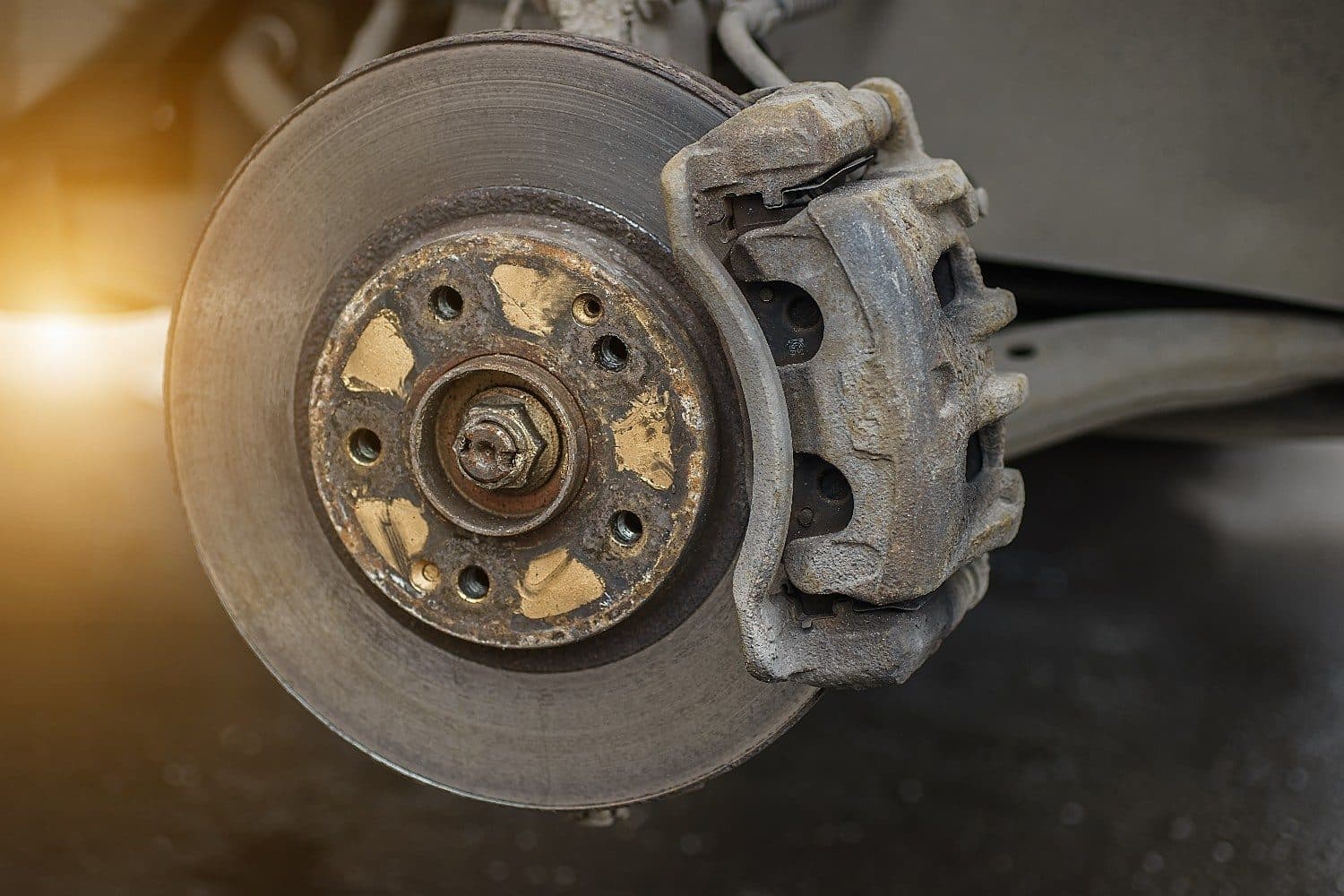
Most major mechanical problems start as smaller issues. An oil leak may begin with a worn seal. Brake pads left too long can damage the rotors. A failing battery can put extra strain on the charging system. A cooling fault that is ignored can lead to overheating and, in the worst cases, serious engine damage.
Scheduled servicing gives a technician the chance to identify these concerns early. That does not mean every vehicle needs a long list of repairs at every visit. Honest servicing means separating urgent safety or reliability work from maintenance that can be planned for later. The goal is sensible vehicle care, not unnecessary spend.
For older vehicles, condition matters just as much as the logbook. A ten-year-old car with low kilometres may still need attention to tyres, rubber hoses, seals, brakes and fluids. Conversely, a newer vehicle doing high annual kilometres may reach its service requirements sooner than expected. A qualified local mechanic can help you make sense of both the schedule and the real condition of your car.
Protecting your warranty without dealership pricing
Many drivers assume they must return to the dealership for every service while their vehicle is under warranty. In many cases, you can choose an independent workshop, provided the service is carried out according to the manufacturer’s requirements using suitable parts, oils and procedures, with accurate records retained.
The detail matters. Manufacturer specifications can include the correct oil grade, filter type, service intervals and diagnostic checks. Some vehicles also require electronic service records to be updated. This is particularly relevant for European vehicles, where systems can be more specialised and warning lights may require advanced diagnostics rather than guesswork.
Keep your invoices and service documentation together with the logbook. They provide a useful history for warranty queries and can make the vehicle more appealing when it is time to sell. If you have any uncertainty about your particular warranty conditions, ask before the service is booked. Clear advice upfront is far better than assumptions later.
Logbook servicing Geelong drivers should expect

A dependable workshop should make the process straightforward. You should know what service is due, what is included, what the expected cost is and when the car will be ready. If unexpected repairs are found, the workshop should contact you, explain the issue in plain language and provide a quotation before proceeding.
At Armstrong Creek Motors, the focus is on qualified workmanship, transparent recommendations and personal service. Whether you drive a family SUV, a work ute, a hatchback or a European vehicle, the service should be matched to its manufacturer requirements and its actual use on local roads.
There are a few practical questions worth asking when comparing workshops:
- Will the service follow my vehicle manufacturer’s scheduled requirements?
- Are the correct oils, filters and parts being used for my make and model?
- Will the logbook and any electronic service record be updated?
- Will I be contacted before additional repairs are carried out?
- Can you explain which recommendations are urgent and which can be planned?
These questions are not about finding the cheapest service advertised. They help you compare value properly. A very low starting price can exclude filters, required fluids, diagnostic checks or items specified by your manufacturer. A clear quote makes it easier to understand what you are paying for.
European vehicles need the right diagnostic approach
BMW, Audi, Mercedes-Benz and Volkswagen vehicles often have precise service requirements and sophisticated onboard systems. They can be rewarding cars to own, but they benefit from a workshop with the diagnostic equipment and technical knowledge to read fault codes properly, reset service indicators and use appropriate parts and fluids.
That does not automatically mean every service needs dealer-level pricing. An experienced independent workshop can provide a practical alternative, particularly once the vehicle is out of warranty or where the owner wants a more direct relationship with the people working on their car. The important point is capability, not the sign above the door.
If a warning light is on, mention it when booking. A service is an ideal opportunity to inspect the issue, but faults sometimes need dedicated diagnostic time beyond standard scheduled maintenance. Being clear about this from the start avoids surprises and helps the technician allocate the right time to the vehicle.
Don’t wait for warning signs
Your logbook interval is the starting point, but there are times when it makes sense to book in sooner. A new noise when braking, vibrations through the steering wheel, a burning smell, rough gear changes, fluid on the driveway, declining air-conditioning performance or a dashboard warning light all deserve attention.
Likewise, a vehicle preparing for a long road trip should be checked before it leaves Geelong, not after it has developed a problem on the highway. Tyres, brakes, coolant, battery condition and lights are simple checks that can make a real difference to safety and confidence.
For vehicles being sold, purchased or re-registered, a roadworthy certificate may also be required. A logbook service and a roadworthy inspection are not the same thing, although both can reveal maintenance concerns. Servicing focuses on scheduled care, while a roadworthy inspection assesses whether the vehicle meets the required safety standards at that time.
Make servicing part of your routine
Put the next service date and kilometre interval in your mobile calendar as soon as the current service is complete. Check the service sticker, your logbook or the vehicle display if you are unsure. Booking before the due date gives you more choice of appointment times and reduces the chance of running past an important interval.
Good vehicle care should feel clear and manageable. Choose a mechanic who explains the work, respects your budget and stands behind the result, then keep a consistent service history. Your car will have a better chance of staying reliable for the trips that matter most.