

Selling a car can move quickly until the buyer asks for a current roadworthy. If you need a roadworthy certificate Geelong vehicle owners can trust, it helps to know what the inspection is designed to assess - and what to do if repairs are required before the certificate can be issued.
A roadworthy inspection is not about making an older vehicle look new. It is a safety and compliance check that focuses on the items most likely to affect safe operation on Victorian roads. A well-maintained older car can pass, while a newer vehicle with worn tyres, faulty lights or an oil leak may not.
When you need a roadworthy certificate in Geelong
In Victoria, a roadworthy certificate is commonly required when selling a registered vehicle, transferring registration, re-registering a vehicle, or clearing certain defect notices. The person selling the vehicle will usually arrange the certificate, although private buyers may also choose to organise an inspection before committing to a purchase.
There are exceptions in some circumstances, including specific transfer arrangements, so it is sensible to confirm the current registration requirements before the sale. A certificate is generally valid for 30 days from the date it is issued. That short window matters if you are advertising a vehicle, negotiating with buyers or waiting for finance and paperwork to be finalised.
For many local drivers, the practical question is timing. Booking the inspection before listing the car can give you time to address any safety issues without rushing. On the other hand, if the car has been serviced recently and is in good condition, you may prefer to book once a serious buyer is ready. The right approach depends on your timeframe and how confident you are in the vehicle’s condition.
What a roadworthy inspection checks
A Victorian roadworthy inspection is a visual assessment of key safety-related components. The licensed vehicle tester checks whether these parts are in safe working order and meet the applicable standards at the time of inspection.
Brakes, steering and suspension
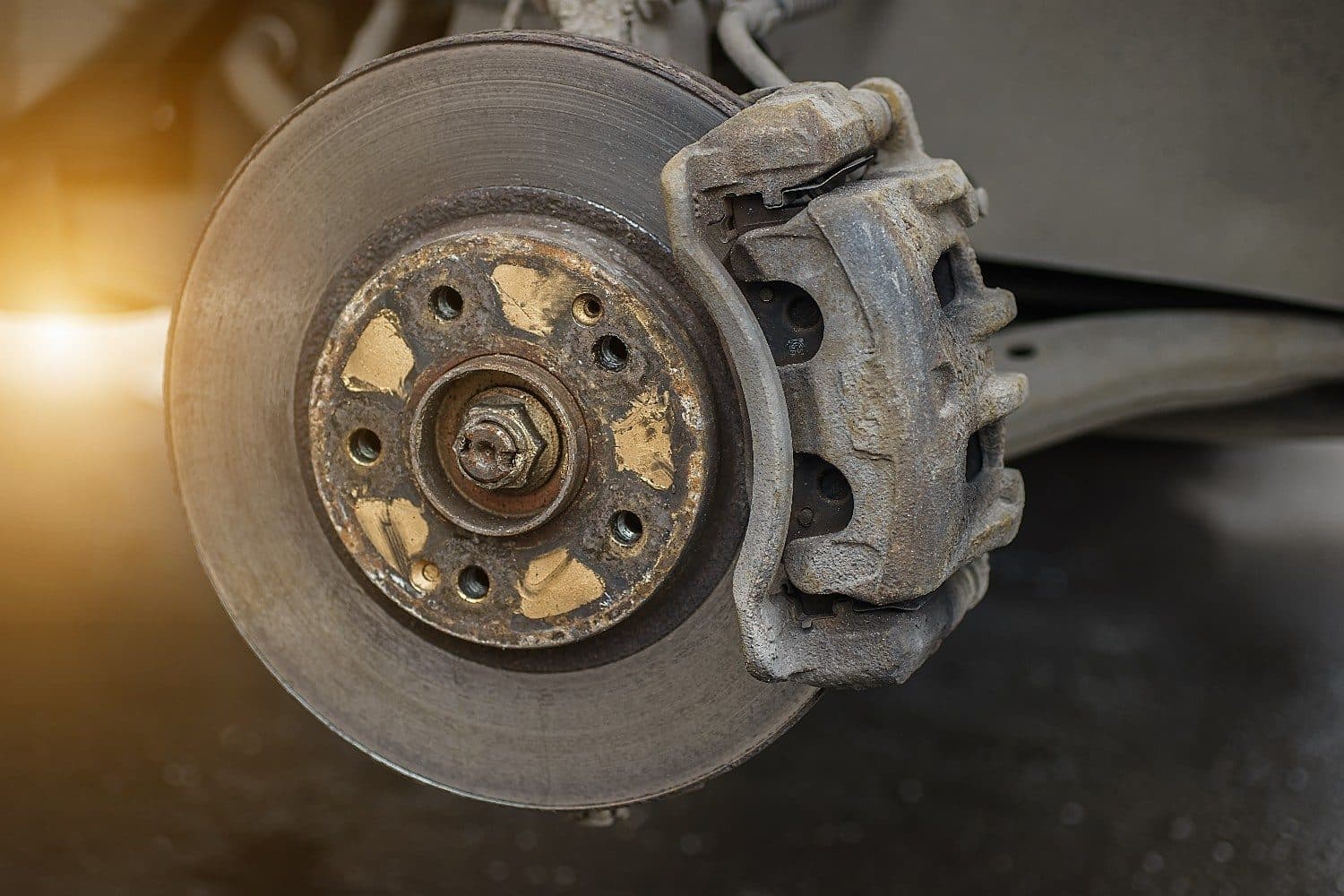
The braking system receives close attention because wear or imbalance can affect stopping distance and control. This may include brake pads, discs or rotors, hoses, fluid leaks and handbrake operation. A warning light on the dash, spongy brake pedal or grinding noise is worth investigating before your appointment.
Steering and suspension components are also checked for excessive wear, damage and unsafe movement. Worn ball joints, bushes, shock absorbers or steering parts can make a car feel loose on the road, create uneven tyre wear and prevent it from passing. A rattle over bumps or vibration through the steering wheel should not be ignored just because the vehicle still drives.
Tyres, wheels and lights
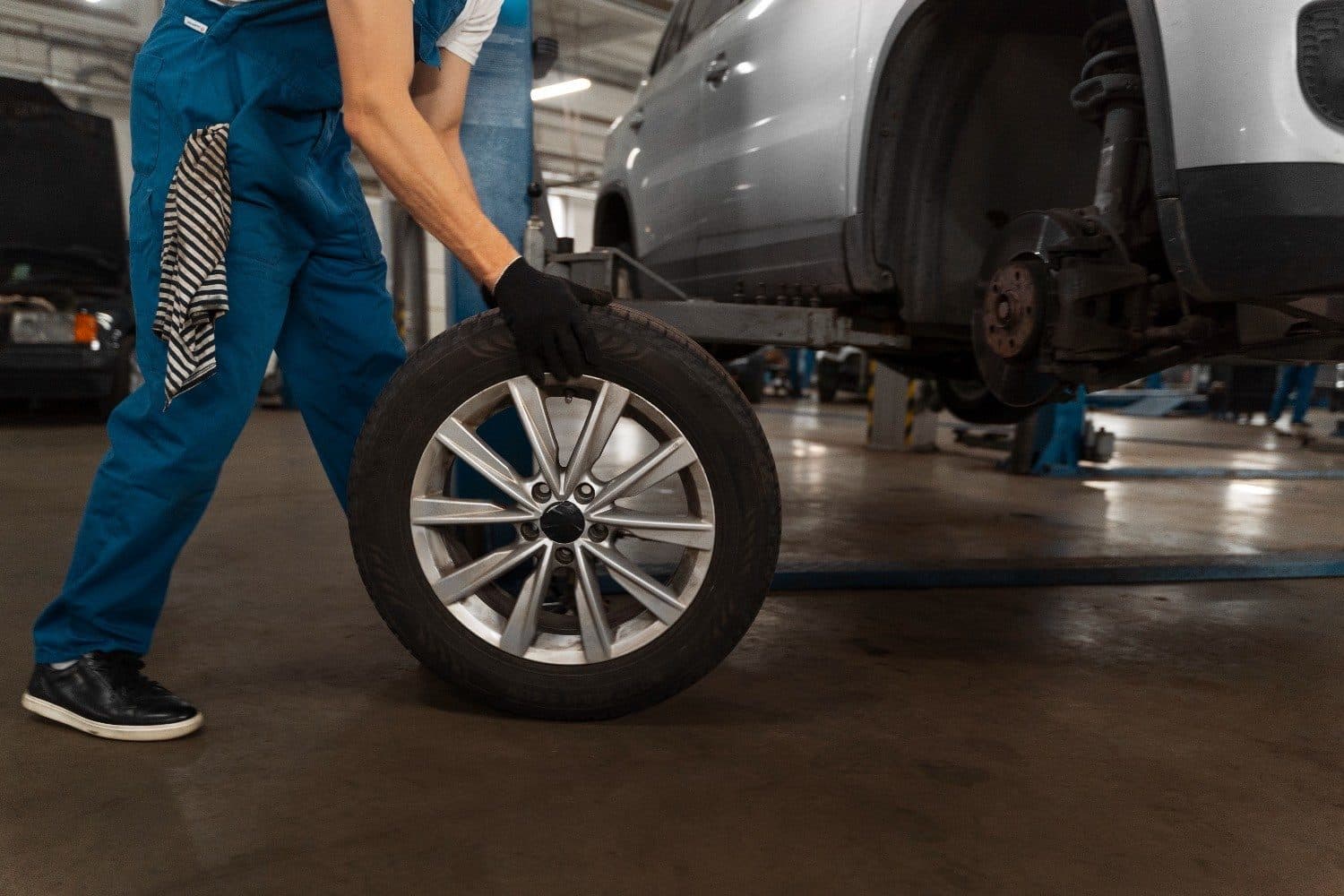
Tyres must have legal tread depth, suitable condition and no visible damage that makes them unsafe. The inspector will also look for mismatched tyre sizes, damaged wheels and clearance issues. A tyre may appear acceptable at a glance but still have cracking, exposed cords or uneven wear that points to a suspension or alignment problem.
All required lights need to work properly, including headlights, indicators, brake lights, reverse lights, number plate lights and hazard lights. Check these with someone standing behind the car where possible. Replacing a globe is often straightforward, but a recurring blown fuse or intermittent light can indicate an electrical fault that needs proper diagnosis.
Windscreen, wipers and visibility
Safe visibility is another core part of the inspection. Significant damage in the driver’s field of view, ineffective windscreen wipers, faulty washers and damaged mirrors can all create issues. A small chip is not automatically a failure, but its location, size and condition matter.
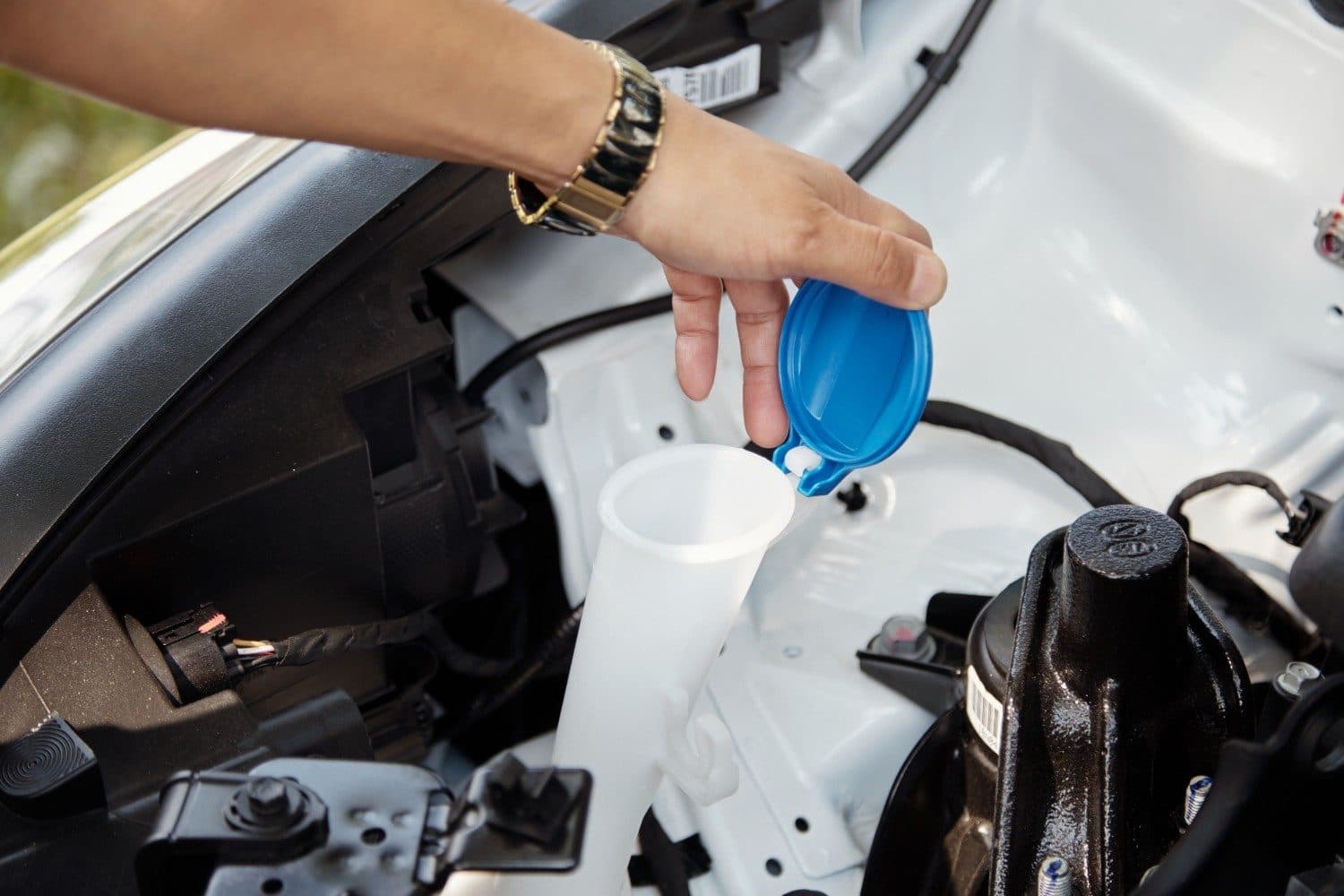
Take a moment to check the windscreen washer bottle is filled and the wipers clear water effectively rather than smearing it across the glass. This is a simple preparation step that is easily missed.
Seats, seatbelts and body condition
Seatbelts must latch, retract and show no unsafe damage or fraying. Seats need to be securely mounted, and doors, bonnets and boots must close and latch as intended. The vehicle’s body and chassis are checked for rust, damage or modifications that may compromise safety.
This does not mean every scratch, faded patch of paint or small dent needs repair. Cosmetic condition is different from structural integrity. The focus is whether the vehicle can be operated safely, not whether it is showroom-perfect.
Engine, exhaust and fluid leaks
The inspector may identify excessive oil, fuel, coolant or other fluid leaks where they present a safety concern. The exhaust system is assessed for security, condition and excessive noise. Engine warning lights, visible smoke or a strong fuel smell should be checked by a mechanic before inspection rather than treated as a last-minute problem.
For diesel, petrol and European vehicles alike, accurate diagnosis can make a real difference. A warning light may be caused by something minor, but it can also point to a fault in the EFI system, emissions equipment, sensors or electrical wiring. Guessing at repairs can cost more than having the issue assessed properly.
A roadworthy certificate is not a full mechanical inspection
This distinction is especially useful for used-car buyers. A roadworthy certificate confirms that listed safety items meet the required standard on the day of inspection. It is not a guarantee that the engine, transmission, air conditioning or every electrical feature will remain fault-free after purchase.
If you are buying a second-hand car, consider a separate pre-purchase inspection. That broader assessment can identify developing issues such as transmission hesitation, clutch wear, cooling-system concerns, oil leaks, battery condition and diagnostic fault codes. It gives you better information to negotiate fairly and decide whether the vehicle suits your needs.
Likewise, sellers should not assume a passed certificate removes the value of a recent service history. Receipts for logbook servicing, brake work, tyres and repairs help reassure a buyer that the vehicle has been looked after beyond the minimum roadworthy standard.
How to prepare before your inspection
A quick check at home can prevent avoidable delays. Make sure the vehicle is reasonably clean, especially around lights, tyres and the number plates, so components can be inspected properly. Remove loose items from the boot if access is needed, and bring any relevant paperwork for modifications or repairs.
Before arriving, test the lights, horn, wipers, washers, seatbelts and indicators. Check tyre pressures and look closely for bald edges, sidewall damage or a spare tyre that has been left flat for years. If the dash has warning lights, the brakes are noisy, the steering feels unusual or there is fluid on the driveway, book a repair assessment first.
Do not try to conceal a fault with a quick fix. A temporary patch can create more work, delay the certificate and leave a buyer questioning the vehicle’s history. Honest repairs completed with quality parts are the better result for everyone.
If your vehicle does not pass
A vehicle that does not pass is not necessarily a major problem. It means the inspector has identified safety items that need attention before a certificate can be issued. You should receive clear information about the relevant defects, allowing you to understand the repairs required and obtain a transparent quote.
Some jobs are simple, such as replacing worn wiper blades, a globe or a tyre. Others, including brake repairs, suspension work, windscreen replacement or correcting an oil leak, may need more time. The best workshops explain what is required for roadworthy compliance, what maintenance should be planned separately, and why those recommendations differ.
At Armstrong Creek Motors, licensed inspections and mechanical repairs can be handled in the one local workshop, with straightforward advice on what needs attention and no dealer-style runaround. That can be particularly helpful when you need to sell or transfer a vehicle without losing weeks to separate bookings.
A roadworthy certificate should give the next owner confidence that the car meets a meaningful safety standard. Give yourself enough time, address genuine faults properly, and you can hand over the keys knowing the vehicle is ready for its next trip around Geelong and beyond.