
A transmission problem rarely starts with a complete breakdown. More often, it begins with a small change you notice on the drive to work: a delay when selecting Drive, a shudder while changing gear, or an unfamiliar whine at speed. Arranging transmission repair Geelong motorists can rely on early may be the difference between a targeted repair and a far more expensive rebuild.
Your transmission has one job that is easy to take for granted - it transfers engine power to the wheels at the right ratio for the way you are driving. Whether your vehicle has an automatic, manual, CVT or dual-clutch transmission, it relies on correctly operating mechanical, hydraulic and electronic components. When one part begins to fail, the symptoms can be subtle at first, but they should not be ignored.
Signs your transmission needs attention
A slipping sensation is one of the clearest warning signs. In an automatic, the engine may rev higher without the vehicle accelerating as expected, or the gearbox may seem to fall out of gear briefly. In a manual vehicle, a worn clutch can cause a similar feeling, particularly when accelerating uphill or carrying a load.
Harsh, delayed or erratic gear changes also deserve an inspection. You might feel a thump as the vehicle changes gear, wait too long for it to engage after selecting Reverse or Drive, or find it hunts between gears on a steady road. Some modern gearboxes adapt to driving habits, so an occasional change in shift feel is not always a fault. Consistent or worsening behaviour is different.
Other symptoms include a burning smell, unusual humming or whining noises, transmission fluid leaking beneath the vehicle, and a warning light on the dashboard. A red or brown fluid leak around the centre of the vehicle should be checked promptly. Transmission fluid does more than lubricate parts - in many automatic transmissions, it also provides hydraulic pressure and helps control operating temperature.
If your vehicle will not select a gear, loses drive while moving, or makes a severe grinding noise, stop driving as soon as it is safe to do so. Continuing to drive can cause secondary damage and may leave you stranded.
Why accurate diagnosis matters for transmission repair in Geelong
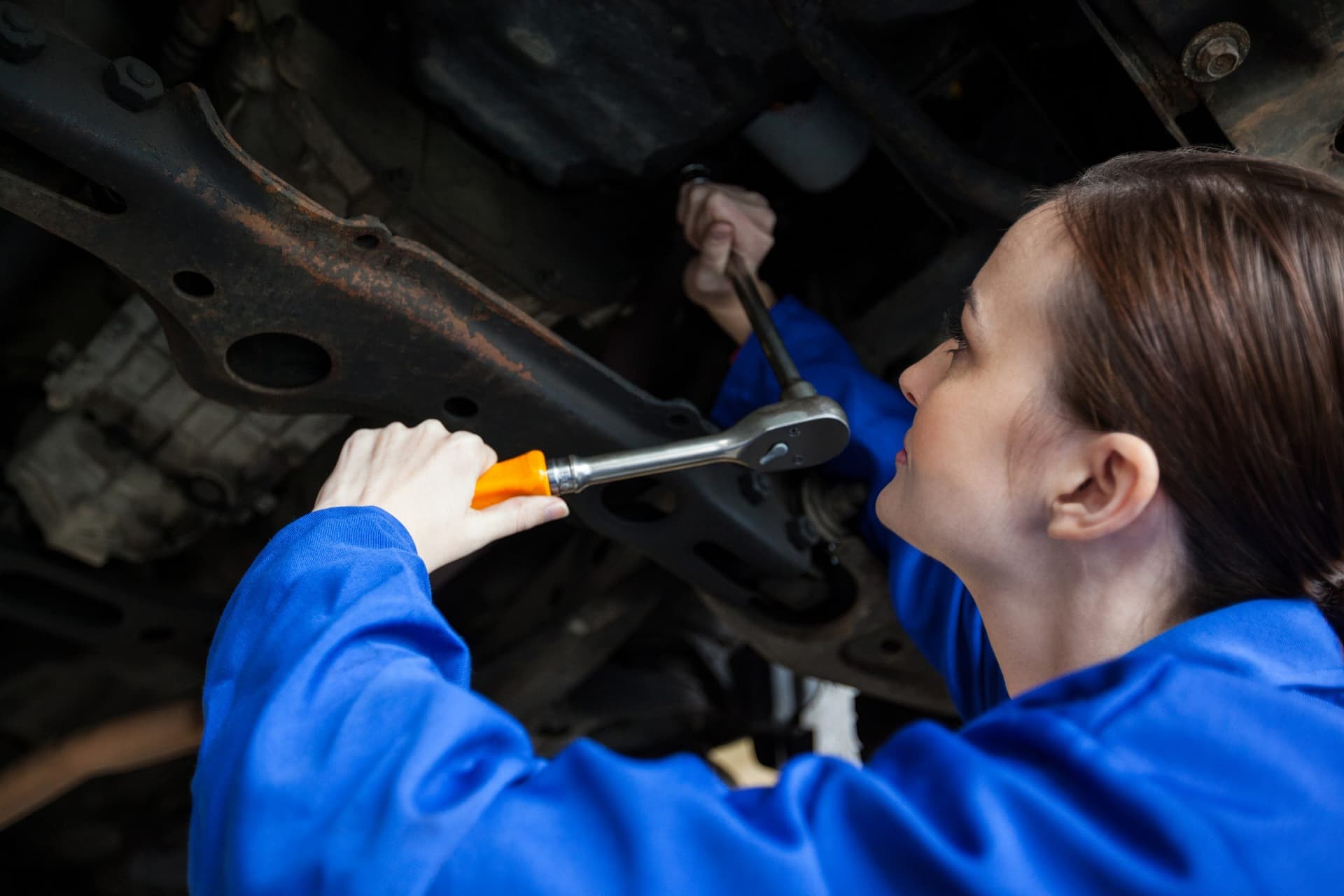
Transmission faults can feel similar to engine, clutch, driveline or electrical problems. A hesitation may be caused by a gearbox issue, but it can also relate to an engine misfire, a sensor fault, low battery voltage or fuel delivery. Replacing parts before identifying the cause is frustrating and costly.
A proper assessment begins with the vehicle's history and the conditions in which the problem occurs. Does it happen only when cold? Under load? At highway speed? When reversing? These details help narrow down the likely fault.
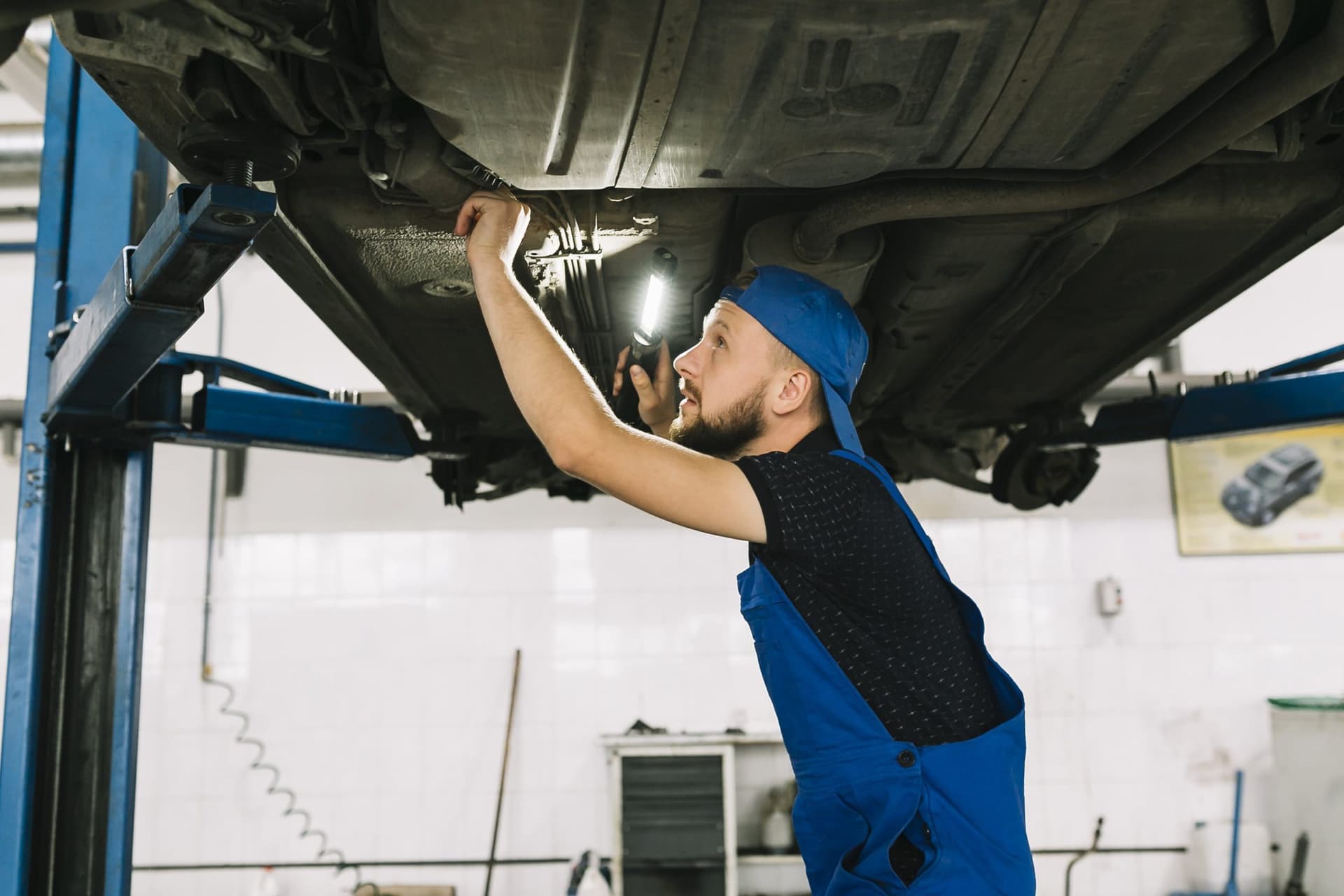
From there, a qualified technician may carry out a road test, inspect for leaks and damaged mounts, check fluid condition where applicable, and scan the vehicle's computer systems for fault codes and live operating data. Modern transmissions are closely linked to engine control modules, speed sensors and electronic solenoids. Diagnostic equipment is essential, particularly for European vehicles such as BMW, Audi, Mercedes-Benz and Volkswagen.
At Armstrong Creek Motors, the aim is to explain the findings in plain terms before work goes ahead. Some faults can be resolved through servicing, an electrical repair or adjustment. Others may require internal transmission work, clutch replacement or specialist rebuilding. Honest diagnosis matters because the right repair depends on the fault, the condition of the vehicle and how long the issue has been present.
Common transmission and clutch repairs
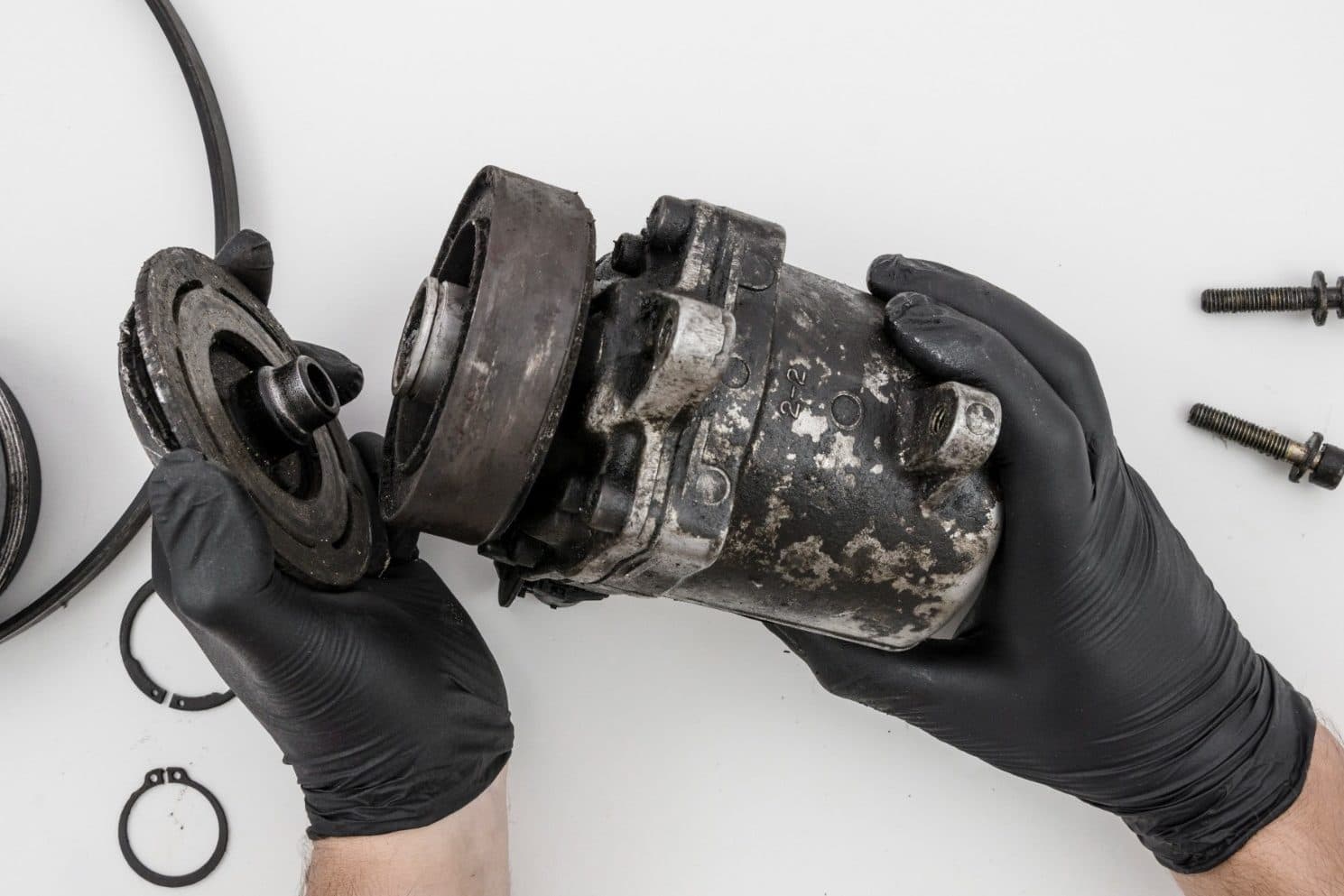
The repair needed will vary significantly between vehicles. Automatic transmissions may develop problems with fluid quality, valve bodies, solenoids, seals, torque converters or internal clutch packs. A transmission service can be beneficial where it is recommended by the manufacturer and the unit is otherwise operating correctly. However, a service is not a cure-all for a severely worn or damaged gearbox.
Manual transmissions have their own set of likely issues. A clutch that slips, shudders or has a very high engagement point may be worn. Difficulty selecting gears can point to clutch hydraulics, shift cables, linkages, a worn clutch assembly or an internal gearbox concern. A noisy bearing that changes when the clutch pedal is pressed also warrants professional attention.
CVT transmissions, found in many small cars and SUVs, need the correct fluid and procedures. They can be smooth in normal operation, so surging, juddering or a noticeable delay should not be dismissed as normal behaviour. Dual-clutch systems can also require specialised diagnosis because their clutches, actuators and control software operate differently from conventional automatics.
For many drivers, the key question is whether repair is worthwhile. There is no one-size-fits-all answer. The age and value of the vehicle, its overall mechanical condition, the nature of the fault and the expected cost all matter. A clear quote and explanation let you make a sensible decision without dealer-style complexity or pressure.
Can you prevent major gearbox trouble?
Not every transmission failure can be prevented. Internal components wear over time, seals age and electronics can fail without warning. Still, routine maintenance and early action reduce the risk of avoidable damage.
Follow your manufacturer's servicing schedule, including any specified transmission fluid intervals. Use the correct fluid type, as using an unsuitable product can affect shift quality and component life. If you tow, carry heavy loads, spend long periods in stop-start traffic or drive regularly on steep roads, your vehicle may place additional heat and stress on the transmission. Mention these conditions when booking a service.
It also helps to respond quickly to leaks and warning lights. Low or contaminated fluid can cause overheating and poor lubrication, while a small electrical fault may affect how the gearbox shifts. What begins as an intermittent issue can become more serious when left untreated.
For manual vehicles, avoid resting your foot on the clutch pedal and do not hold the vehicle on a hill using the clutch. These habits can add unnecessary wear. Use the handbrake when stopped on an incline, and have any clutch vibration or slipping assessed before it affects the flywheel or other components.
What to expect when booking transmission repair
A trustworthy workshop should not jump straight to recommending a replacement transmission. First, the vehicle needs to be assessed and the fault confirmed. You should receive a clear explanation of what has been found, what work is recommended and what the likely cost involves.
Ask whether the quote covers diagnostic time, parts, fluids, labour and any additional work that may be needed once components are removed. Some transmission and clutch repairs involve findings that cannot be fully confirmed until the vehicle is dismantled. That does not mean costs should be vague. A good workshop will outline the likely range, seek approval before proceeding with extra work and keep you informed.
Fast turnaround is valuable, particularly when the car is needed for school runs, work or a busy household. But quality repairs should not be rushed. The right parts, correct fluid specifications and careful testing after repairs all contribute to a reliable result.
A change in the way your car shifts is worth checking while it is still a manageable problem. Book an inspection when the first warning signs appear, and you will have clearer options, fairer costs and a better chance of keeping your car dependable for the roads around Geelong.