

Summarise this article with AI
On this page · 7 sections
Key takeaways
- Replacing one O2 sensor commonly costs around $250 to $650, including parts, diagnosis and labour.
- European cars, hard-to-reach or seized sensors and genuine parts push the price up.
- A fault code alone does not prove the sensor has failed. Exhaust leaks, wiring and air leaks can cause the same codes.
- A quality direct-fit sensor is usually a better buy than a cheap universal one that has to be spliced in.
A check engine light can make a small fault feel like a major repair. The replacing O2 sensor cost depends on the vehicle, the sensor involved and whether the sensor is genuinely the cause of the problem. A proper diagnosis is the difference between paying for the right repair and replacing a part that was never faulty.
Oxygen sensors, commonly written as O2 sensors, play a key role in how your engine runs. They monitor oxygen levels in the exhaust and send information to the engine computer, which adjusts the air-fuel mixture. When a sensor fails or provides unreliable readings, it can affect fuel economy, performance and emissions.
What does replacing an O2 sensor cost?
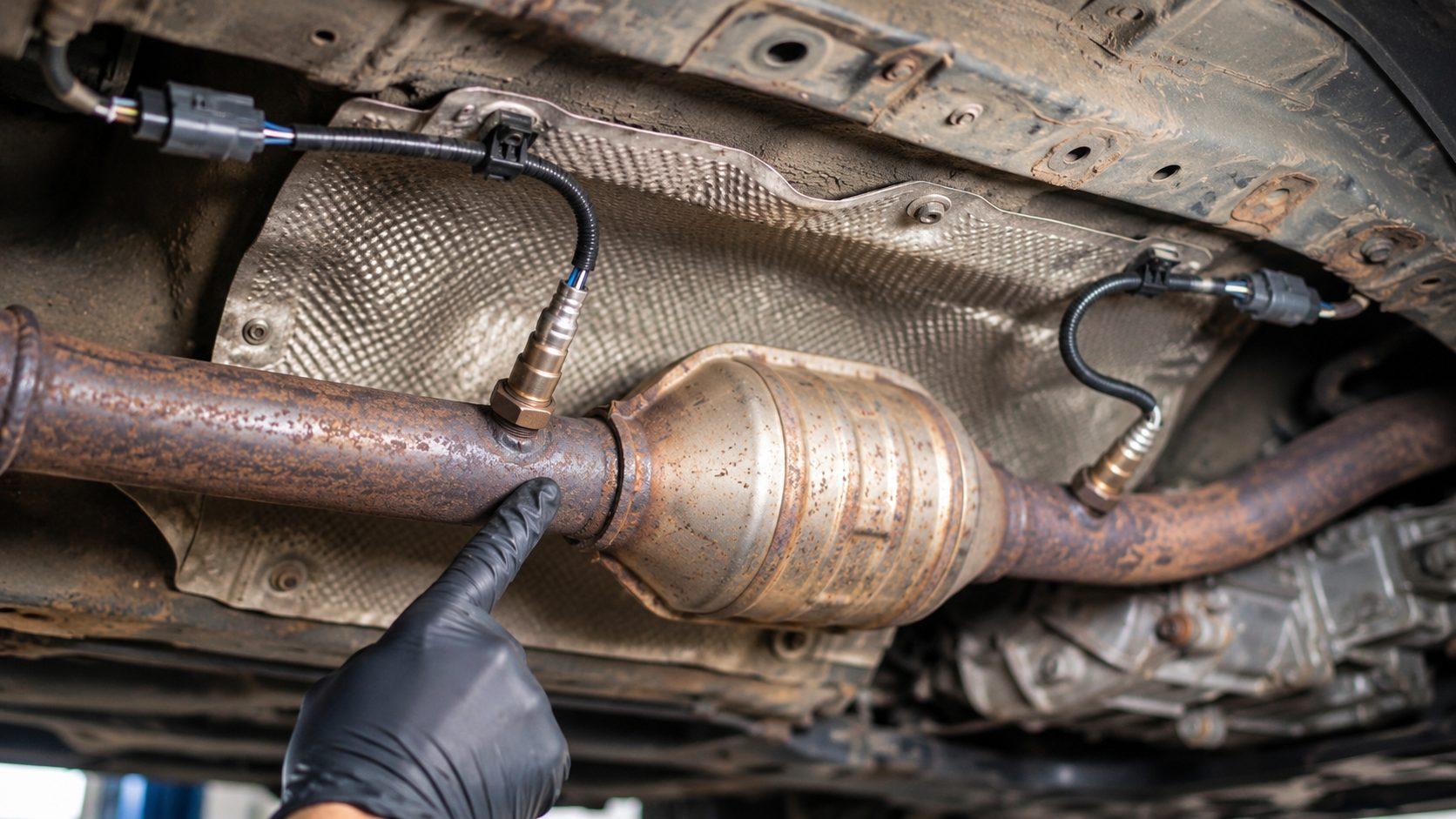
For many Australian passenger vehicles, replacing one O2 sensor commonly costs around $250 to $650, including parts, diagnosis and labour. The lower end generally applies where the sensor is easy to access and an appropriate quality aftermarket part is available. The cost can be higher for European vehicles, sensors fitted in difficult locations, or jobs requiring genuine or vehicle-specific parts.
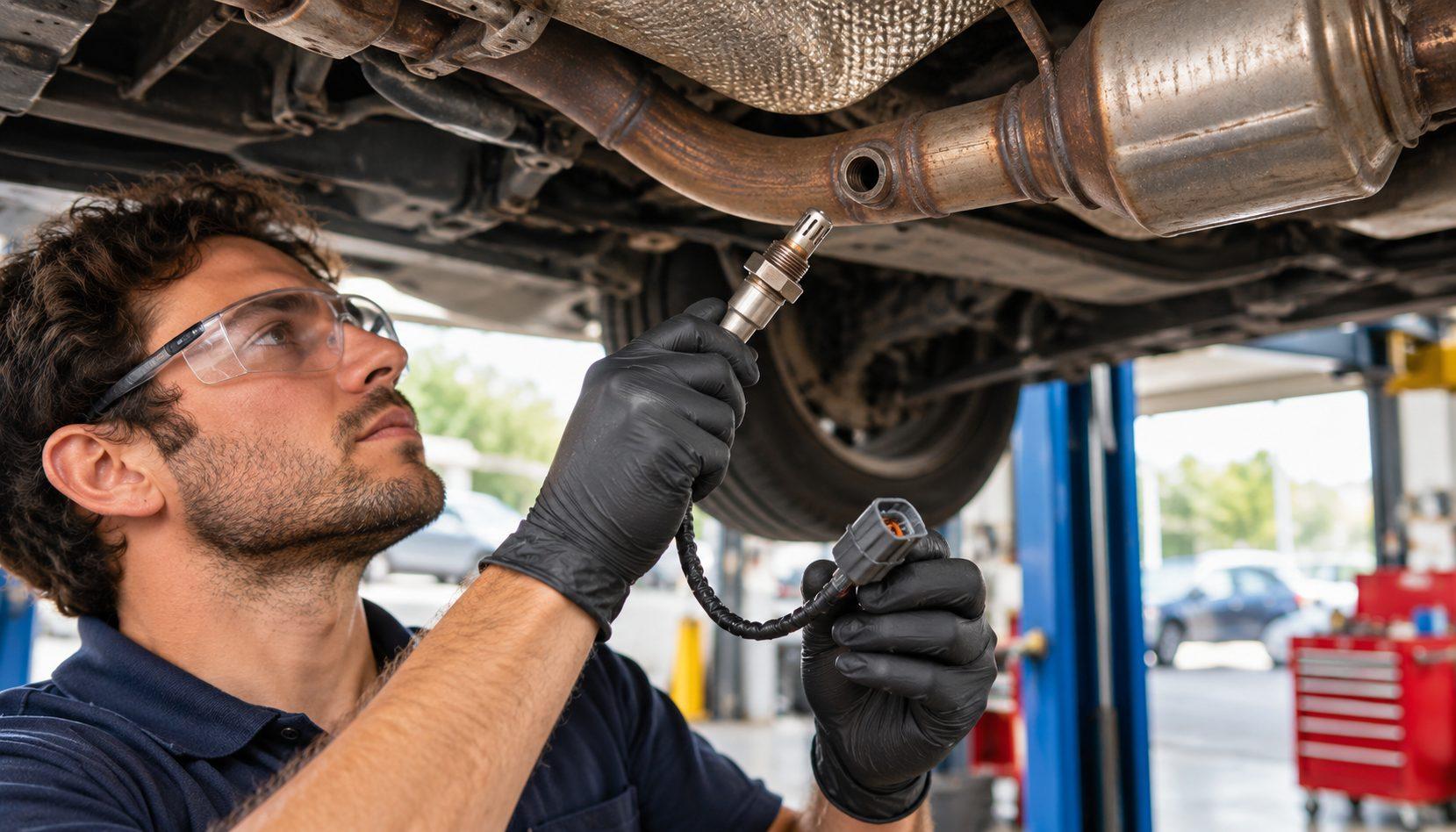
Some vehicles have two sensors, while others have four or more. They are usually positioned before and after the catalytic converter. A quote should identify exactly which sensor needs attention rather than simply stating that the vehicle "needs O2 sensors".
The sensor itself may cost anywhere from roughly $100 to more than $400. Labour can be relatively modest when the sensor is accessible under the vehicle, but a seized sensor, heat-damaged wiring or restricted access can add time. This is why two cars with the same fault code may receive very different quotes.
Why O2 sensor replacement prices vary
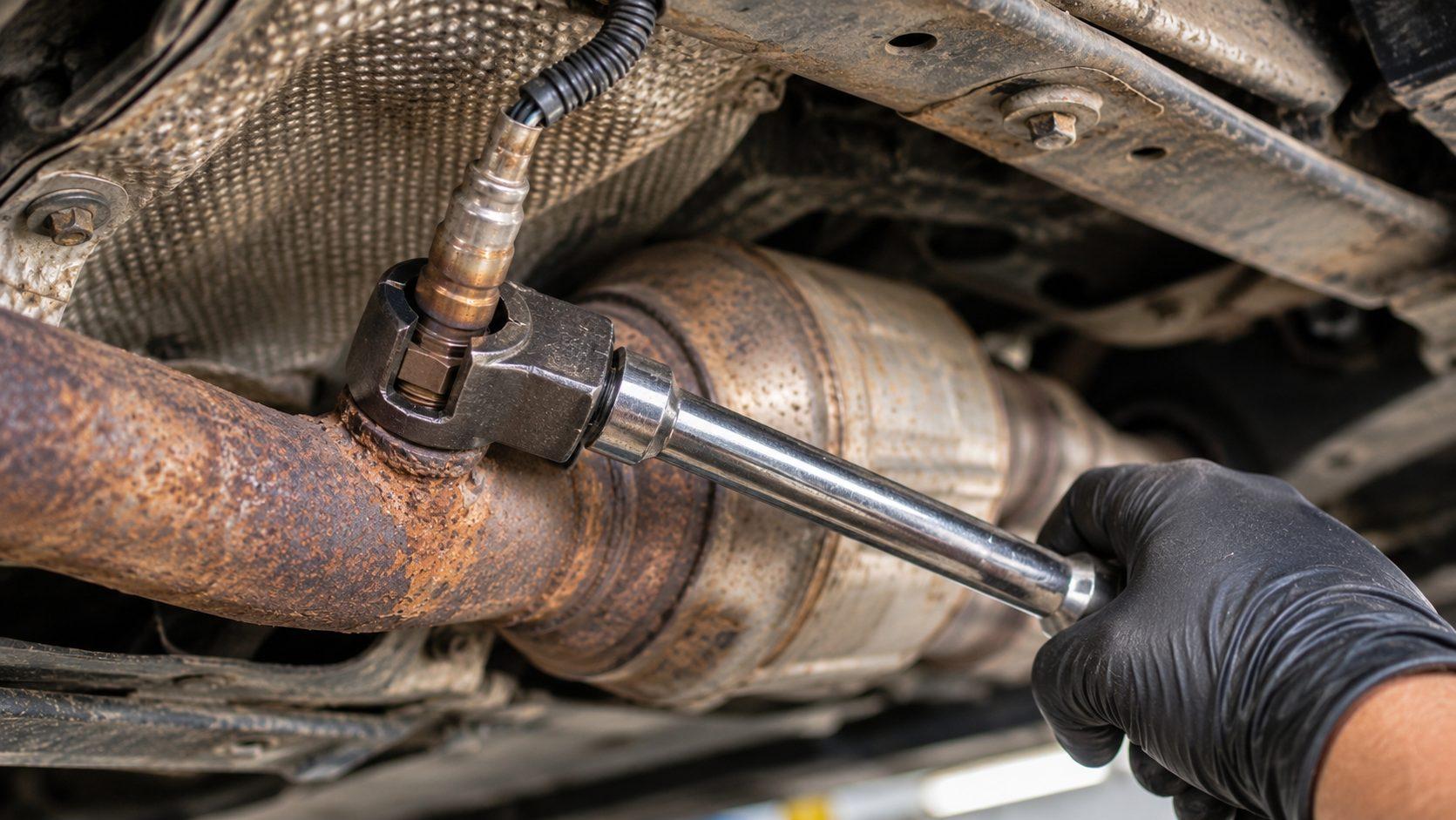
The biggest factor is the vehicle. A common Japanese or Australian-market vehicle may use a readily available sensor with a straightforward fitment. A BMW, Audi, Mercedes-Benz or Volkswagen can require a specific sensor, more detailed diagnostic testing and careful handling of the exhaust and electrical systems. This is where a workshop experienced with European cars makes a difference.
Sensor location also matters. An upstream sensor sits before the catalytic converter and has a direct role in managing the engine's fuel mixture. A downstream sensor monitors catalytic converter performance. Neither is automatically more expensive, but one may be harder to reach than the other.
Part quality is another consideration. Cheap universal sensors can appear attractive, but they may require wiring modifications or fail to communicate correctly with some engine management systems. A quality direct-fit sensor is usually the better long-term choice. It is designed for the vehicle's plug, wiring length and calibration, reducing the risk of repeat fault codes and further labour costs.
Finally, the fault may not be the sensor at all. Exhaust leaks, damaged wiring, a vacuum leak, ignition issues, fuel delivery problems or a failing catalytic converter can all trigger oxygen-sensor-related fault codes. Replacing the sensor without testing the system may clear the light temporarily, or it may make no difference at all.
Signs your oxygen sensor may need attention
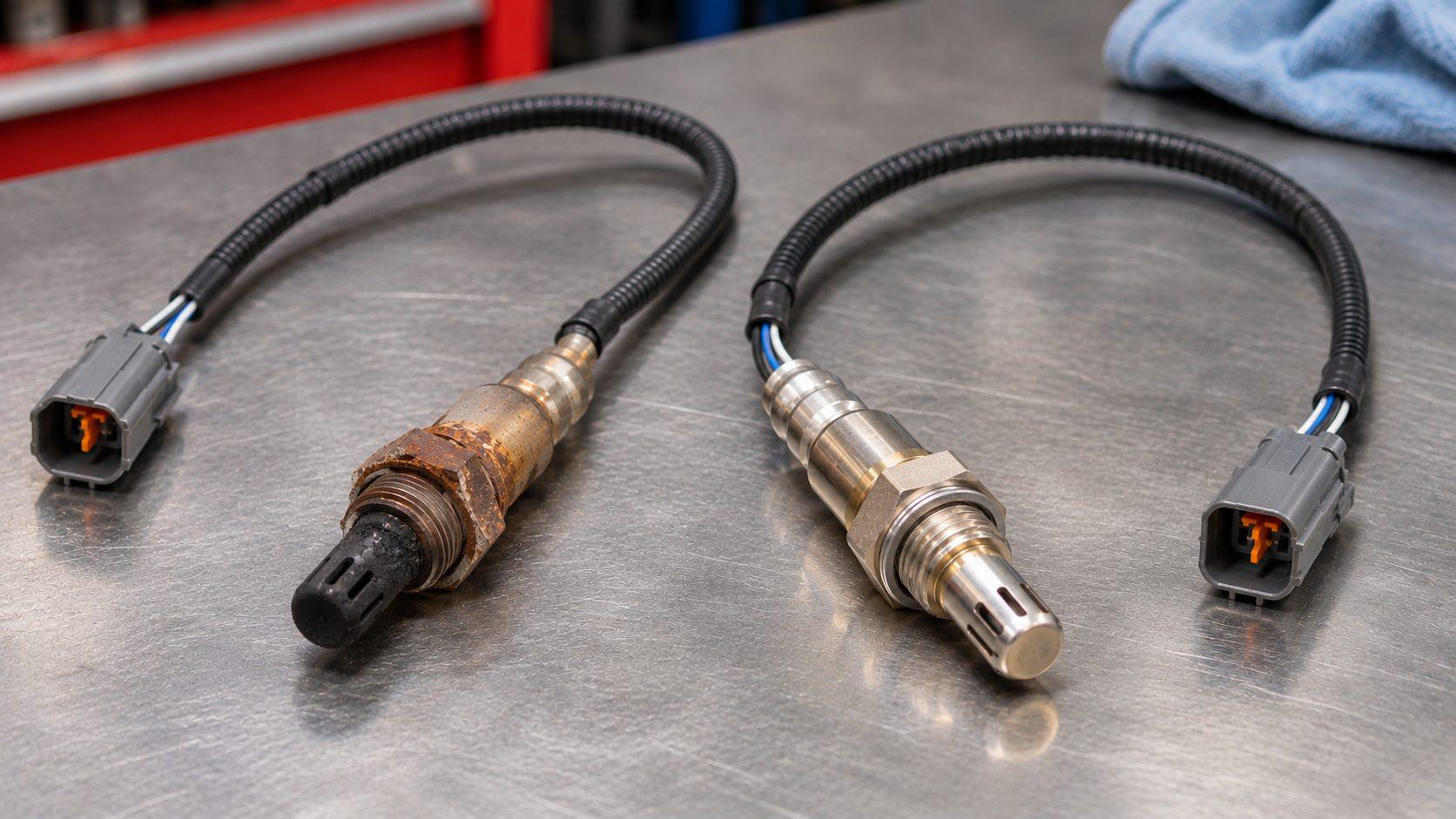
A check engine light is the most common starting point, but it does not confirm a failed sensor on its own. You may also notice increased fuel use, rough idling, hesitation under acceleration or an exhaust smell that seems stronger than usual.
In some cases, there are no noticeable driving symptoms. The engine computer can compensate for poor sensor readings for a while, especially when only one sensor is ageing. That does not mean the issue should be ignored. Ongoing incorrect fuel mixtures can contribute to poor economy and may place extra stress on the catalytic converter, which is far more expensive to replace.
If your vehicle is due for a roadworthy inspection, an illuminated warning light or obvious emissions-related issue is worth investigating early. A roadworthy certificate is not an emissions test in the same way as some overseas inspections, but warning lights and vehicle condition still matter when assessing safety and compliance concerns.
Diagnosis should come before replacement
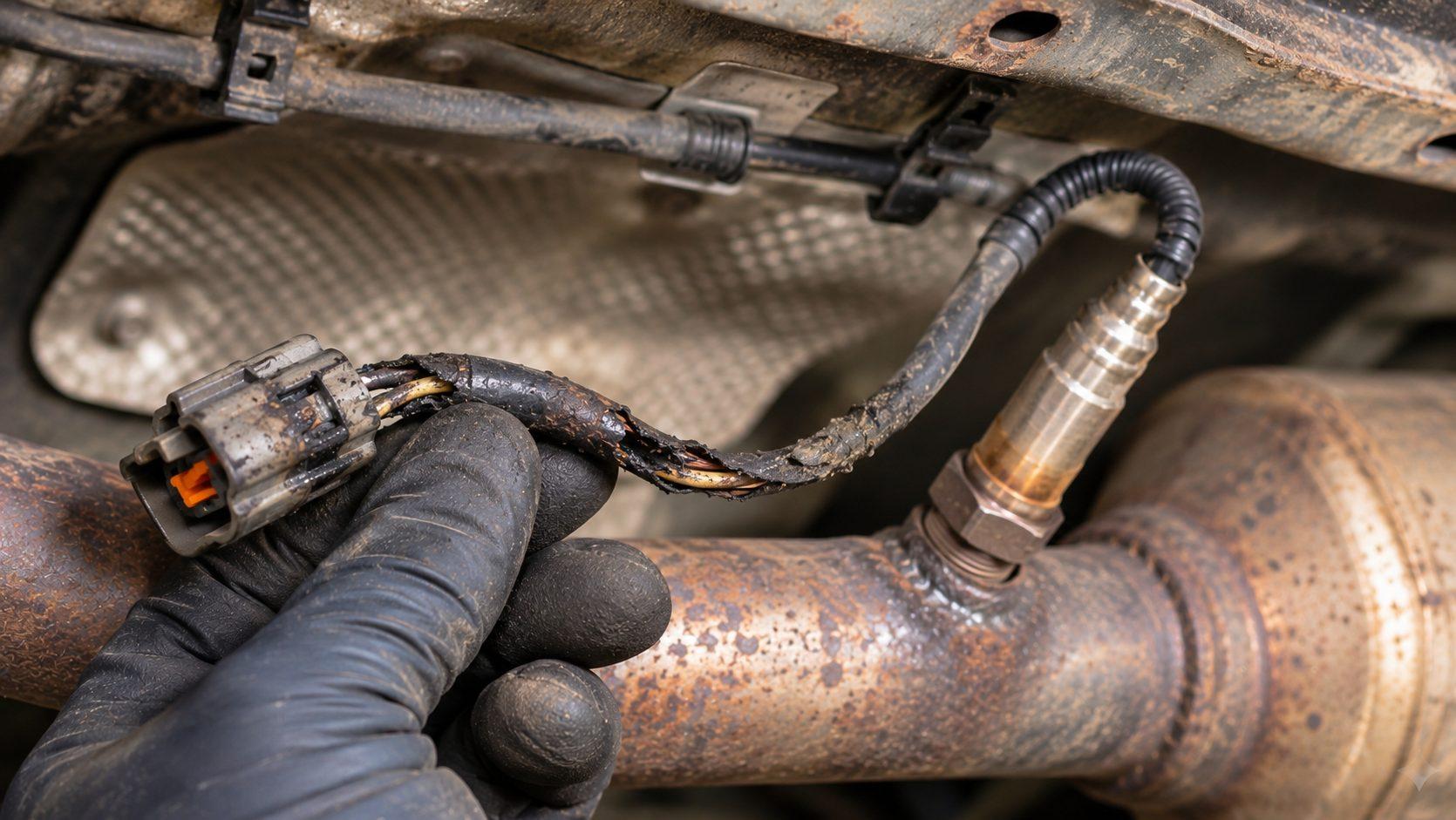
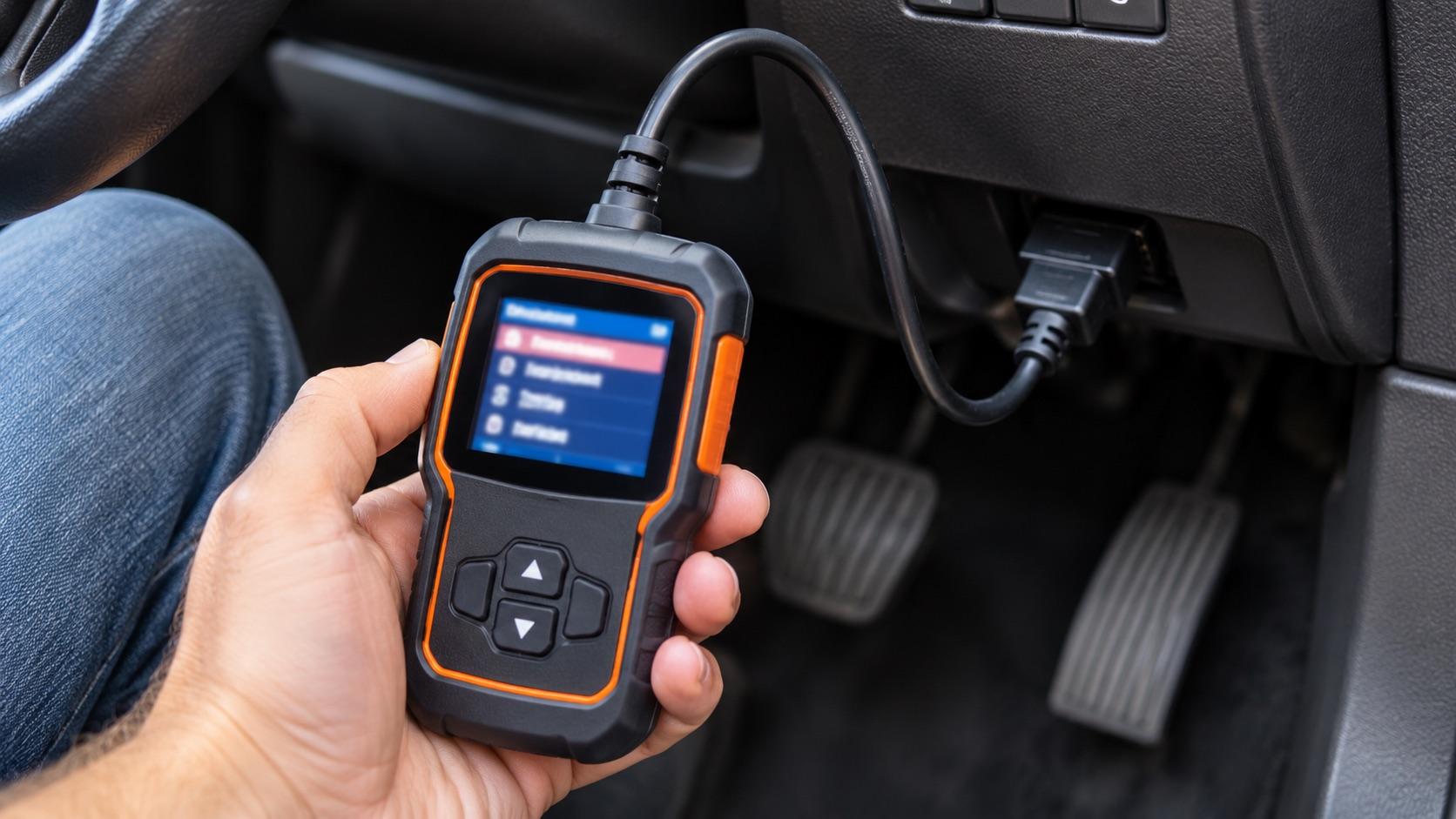
A scan tool can read the trouble code stored in your vehicle, but a code is only the first clue. For example, a code that refers to an O2 sensor heater circuit could point to the sensor itself, its wiring, a fuse or a connector issue. A code showing a lean or rich reading may be caused by an air leak, injector concern or fuel-pressure issue.
A qualified technician should inspect the relevant wiring and connectors, check for exhaust leaks, review live sensor data and consider related engine faults before recommending replacement. This process takes more care than simply fitting a new part, but it provides a clearer answer and helps avoid unnecessary cost.
At Armstrong Creek Motors, the aim is to explain the finding in plain language before work begins. If the test results show the sensor is faulty, you should know which sensor is affected, why it has failed and what part will be fitted. If the sensor is only reporting another problem, the quote should focus on the actual repair instead.
Can you keep driving with a faulty O2 sensor?
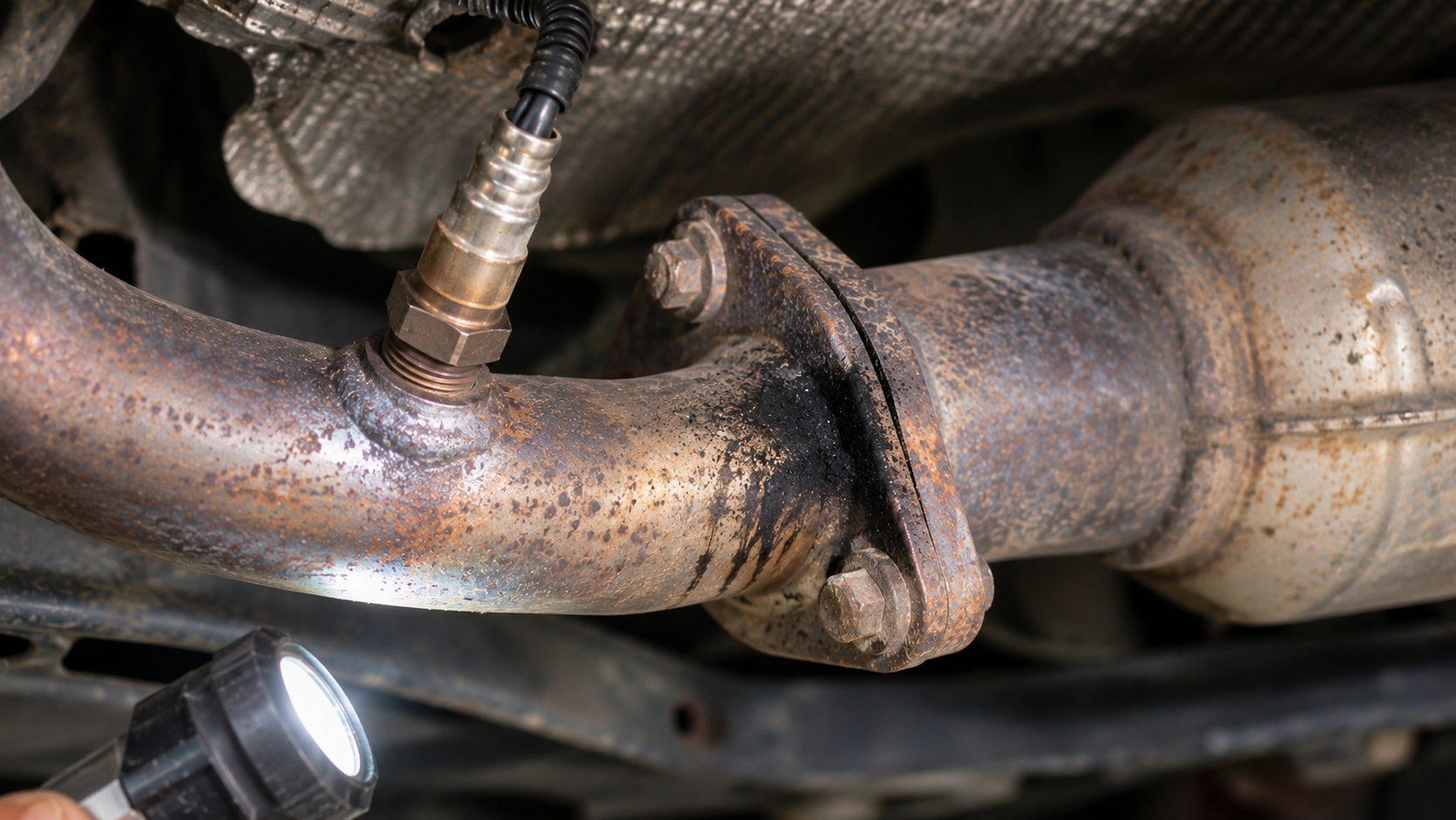
It depends on the fault and how the car is behaving. If the check engine light is steady and the vehicle is otherwise driving normally, you may be able to drive it short-term while arranging an inspection. However, leaving it for months can mean higher fuel bills and a greater chance of damaging emissions components.
A flashing check engine light is different. It can indicate an active misfire that may quickly damage the catalytic converter. If the engine is running rough, lacks power, smells strongly of fuel or has a flashing warning light, avoid unnecessary driving and arrange prompt mechanical attention.
A faulty O2 sensor can also hide a more significant issue. If the engine is using oil, leaking air into the intake, misfiring or running excessively rich, fitting a new sensor alone will not provide a lasting solution. These faults need engine diagnosis and repair of their own.
Is it worth fitting an aftermarket O2 sensor?
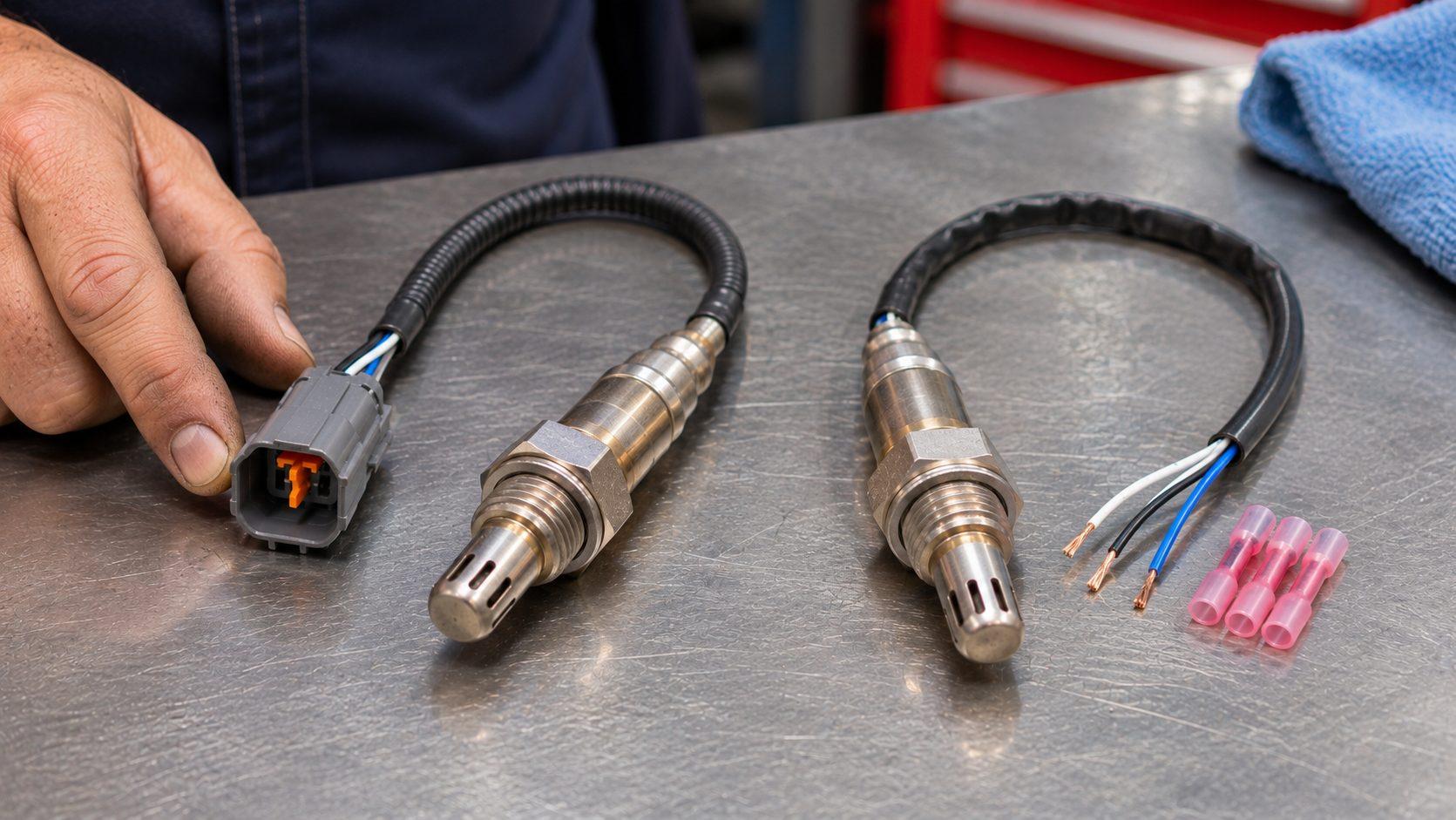
A quality aftermarket sensor can be a sensible option for many vehicles and can help keep the repair cost fair. The key word is quality. Well-made direct-fit parts from reputable manufacturers can perform reliably when matched correctly to the vehicle.
Genuine parts may be preferable for some late-model or European vehicles, particularly where the engine management system is sensitive to sensor response and calibration. There is no single answer for every car. The right choice balances vehicle requirements, expected reliability, warranty and budget.
Be cautious with the cheapest option, especially if it is a universal sensor that needs to be spliced into the original wiring. The initial saving can disappear if fault codes return, wiring becomes unreliable or the part needs to be replaced sooner than expected.
Questions to ask when you receive a quote
A clear quote for an oxygen sensor repair should tell you whether diagnostic testing is included, which sensor is being replaced and whether the price includes parts, labour and fault-code clearing. It is also reasonable to ask whether the part is genuine or aftermarket, and what warranty applies to the workmanship and component.
If more than one sensor is recommended, ask why each one needs replacement. Sensors can age at similar rates, but replacing all of them is not automatically necessary. A workshop should be able to support its recommendation with test results and the vehicle's condition, not just a broad assumption.
For drivers around Geelong, Grovedale and Armstrong Creek, arranging diagnosis as soon as the warning light appears can often keep the repair simpler. A small sensor fault is usually manageable when addressed early, and honest testing gives you the confidence to spend money only where it is needed.
Was this article helpful?