

Summarise this article with AI
On this page · 7 sections
Key takeaways
- Even a slow drip needs checking — low oil speeds up engine wear and oil on hot parts can smoke.
- Watch for puddles, a burning smell, blue-grey smoke or a falling dipstick level.
- The lowest wet spot is rarely the source — proper diagnosis avoids paying for the wrong repair.
- Stop-leak additives and constant top-ups hide the problem rather than fix it.
Have it diagnosed promptly: even a slow drip lowers the oil level and can smoke on hot parts, and the lowest wet spot is rarely where the leak starts.
A few fresh drops under the car can be easy to ignore, especially when the vehicle still drives normally. But oil leak repair Geelong motorists arrange early can be far less costly than waiting for a warning light, a low oil level or smoke from the engine bay. Engine oil is there to lubricate moving components, manage heat and reduce wear. Once it escapes, the risk is not just a stained driveway.
Why an oil leak deserves prompt attention
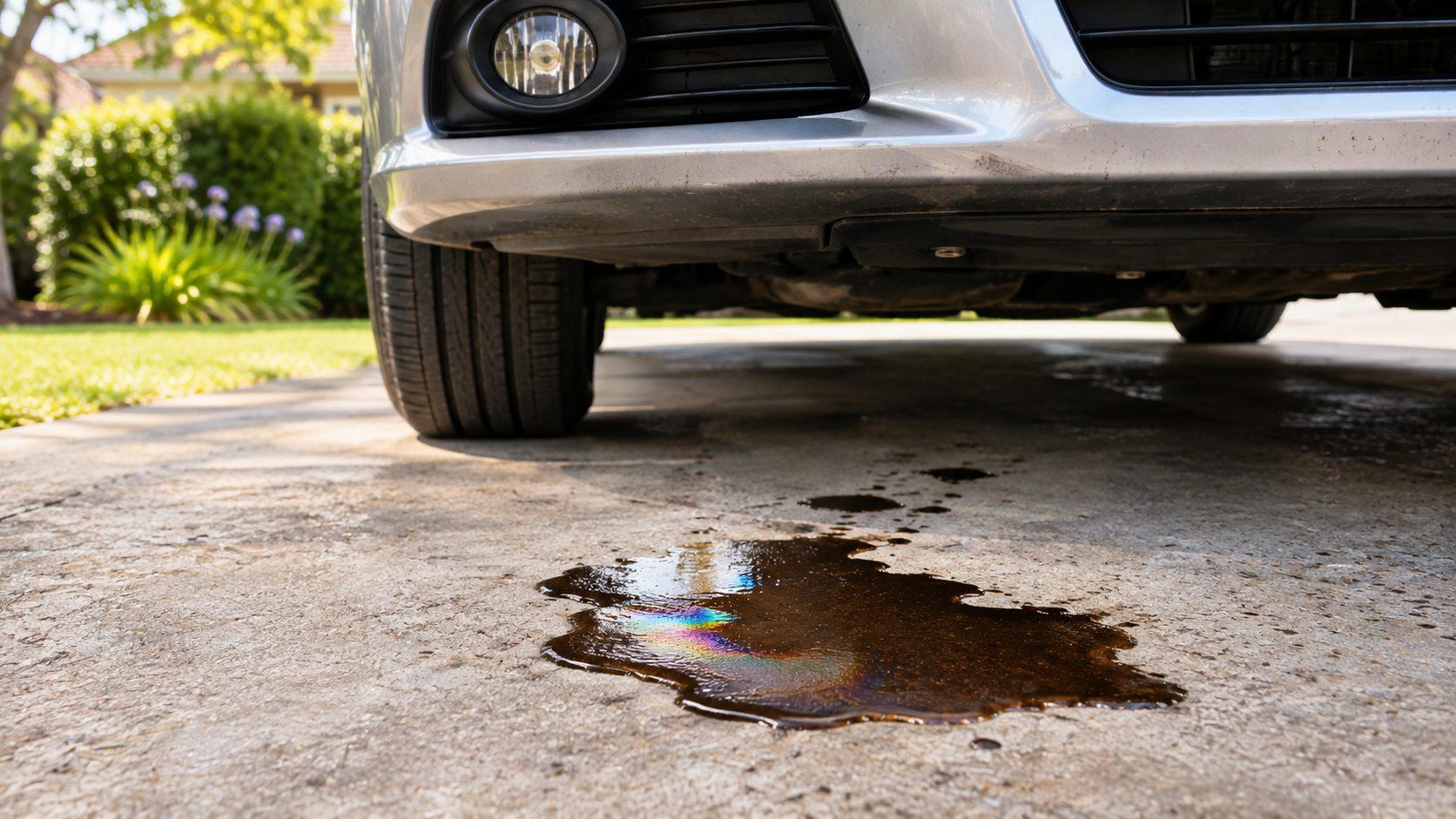
Oil leaks range from minor seepage around an ageing seal to a fault that can quickly lower the engine's oil level. The difference is not always obvious from the driveway. Oil may collect on the undertray, travel along hoses or components, and drip somewhere well away from the actual source.
Even a slow leak needs a proper assessment. Low oil can accelerate internal engine wear, while oil landing on a hot exhaust can create a burning smell or smoke. It may also contaminate belts, hoses, suspension bushes and rubber mounts over time. On some vehicles, a leak can make its way onto the roadworthy-critical areas around brakes or steering, where it should never be left unchecked.
There is also the practical side. Oil on a garage floor or driveway is slippery, difficult to clean and can wash into stormwater drains. Addressing the cause, rather than repeatedly topping up the oil, protects the car and avoids a bigger clean-up later.
Signs you may need oil leak repair in Geelong
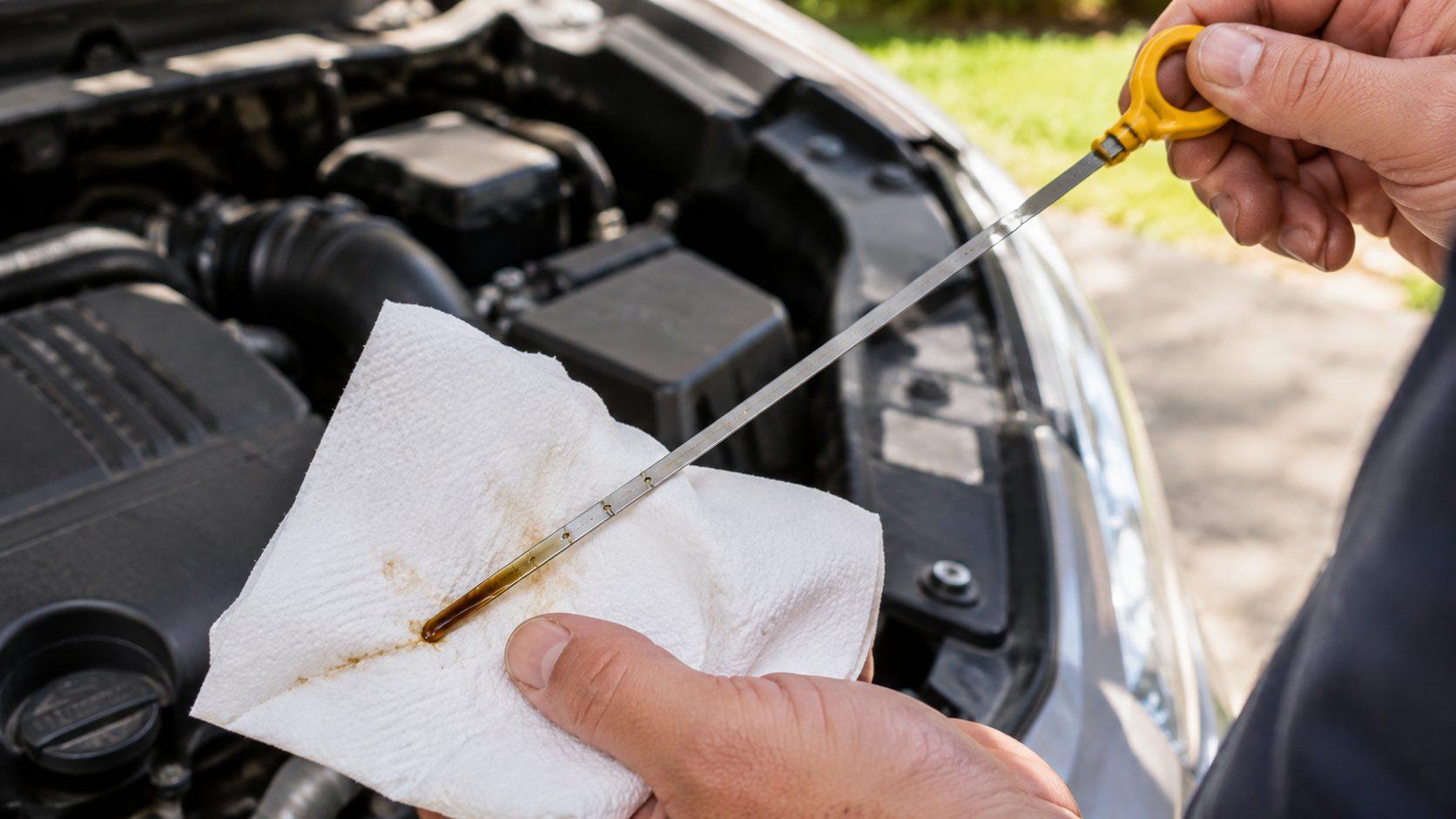
The classic sign is a dark brown or black puddle beneath the engine after the car has been parked. Fresh engine oil often feels slick between the fingers and has a distinct oily smell. However, not every leak reaches the ground. Modern cars commonly have undertrays that hold small amounts of oil, masking the issue until it becomes more serious.
A burning oil smell after a drive is another common warning. This can happen when oil reaches hot exhaust components, particularly after the engine has warmed up. Blue-grey smoke from under the bonnet should be investigated promptly, even if it only appears occasionally.
Keep an eye on the oil level as well. If the dipstick reading drops between routine checks, or the dashboard displays a low-oil warning, do not assume it is simply normal consumption. Some engines use a small amount of oil by design, but a sudden change calls for diagnosis. An oil pressure warning light is more urgent - stop the engine safely as soon as practical and arrange assistance rather than driving on.
Other clues include oil around the edge of the rocker cover, wetness near the sump, oil residue around the oil filter housing, or a smell that appears only after longer trips. A technician can distinguish engine oil from transmission fluid, coolant, brake fluid and power steering fluid, which is vital before any repair is approved.
Common causes of engine oil leaks
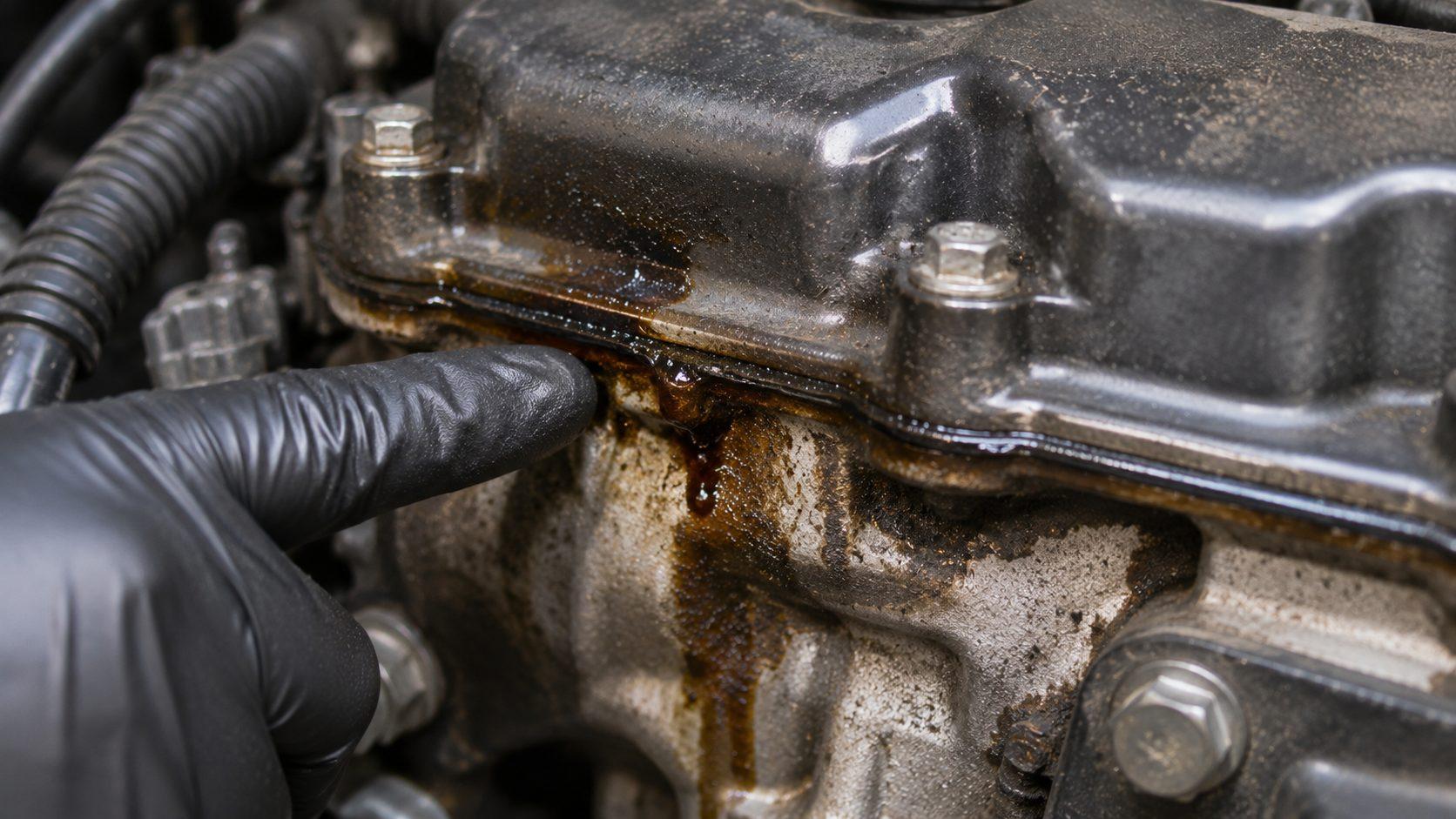
Rubber seals and gaskets work in a harsh environment. They are exposed to repeated heat cycles, vibration and oil additives, so eventually they can harden, shrink or lose their sealing ability. A rocker cover gasket, sump gasket, timing cover seal or crankshaft seal may all become leak points as a vehicle ages.
The oil filter and drain plug are also worth checking, especially if the leak has appeared after a service. A loose filter, damaged sealing ring, worn drain-plug washer or cross-threaded fitting can allow oil to escape. These problems are usually straightforward to correct when caught early, but should not be guessed at from home.
Higher crankcase pressure can force oil past seals that would otherwise hold. This may be caused by a blocked or faulty positive crankcase ventilation system. In other cases, an oil leak is linked to an external engine component such as a vacuum pump, oil cooler, turbocharger oil line or oil filter housing.
European vehicles can have their own known leak points, and the correct repair often relies on accurate diagnosis rather than replacing several parts at once. BMW, Audi, Mercedes-Benz and Volkswagen engines may need specialist inspection and diagnostic equipment to identify whether oil is coming from a gasket, housing, breather system or another connected component.
How a workshop finds the real source
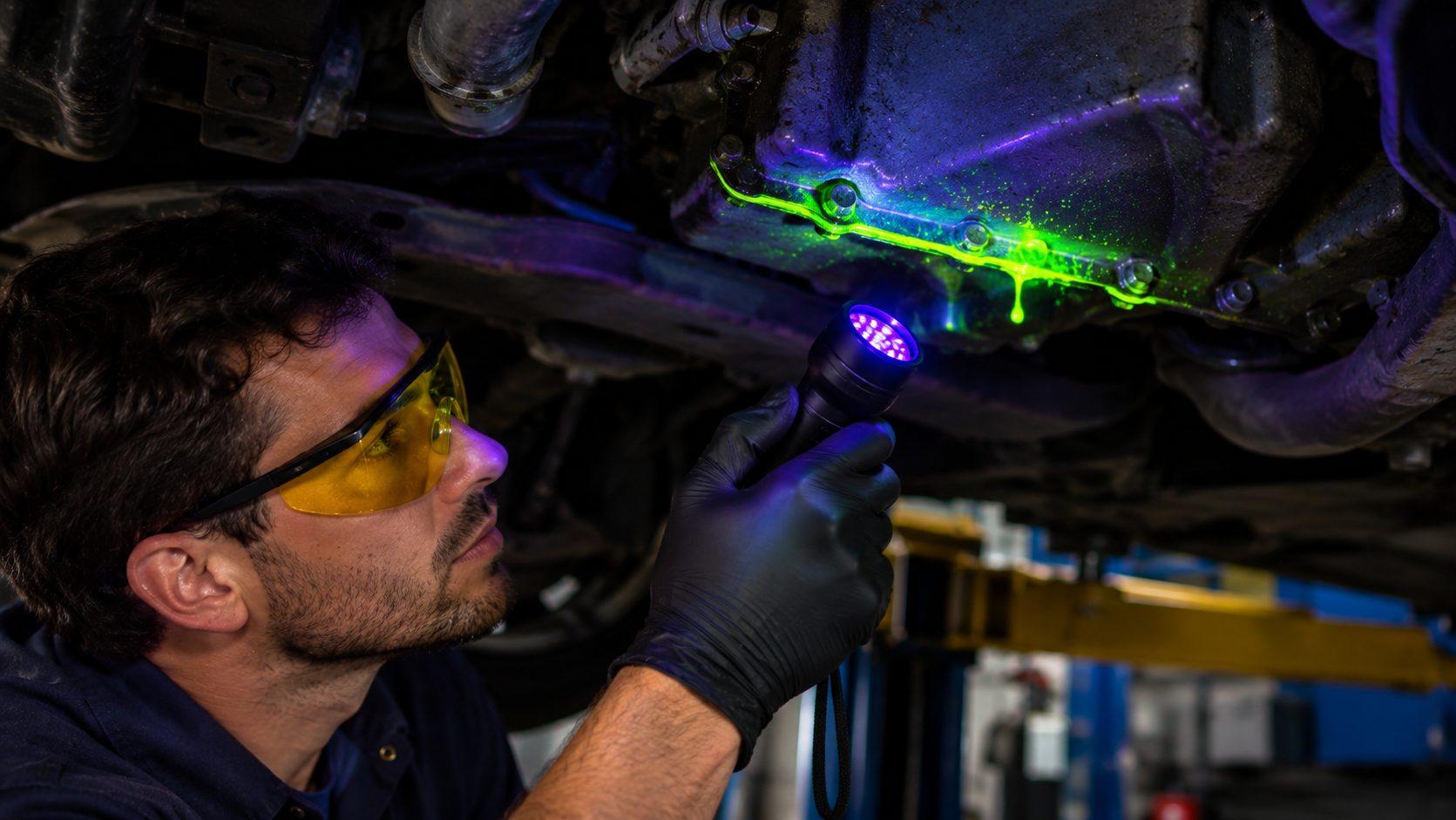
A clean engine bay does not necessarily mean a clean bill. It means the leak can be traced properly. The usual process starts with confirming the fluid type, inspecting the engine from above and below, and checking the oil level and service history. Existing oil residue is cleaned where needed so fresh seepage can be identified.
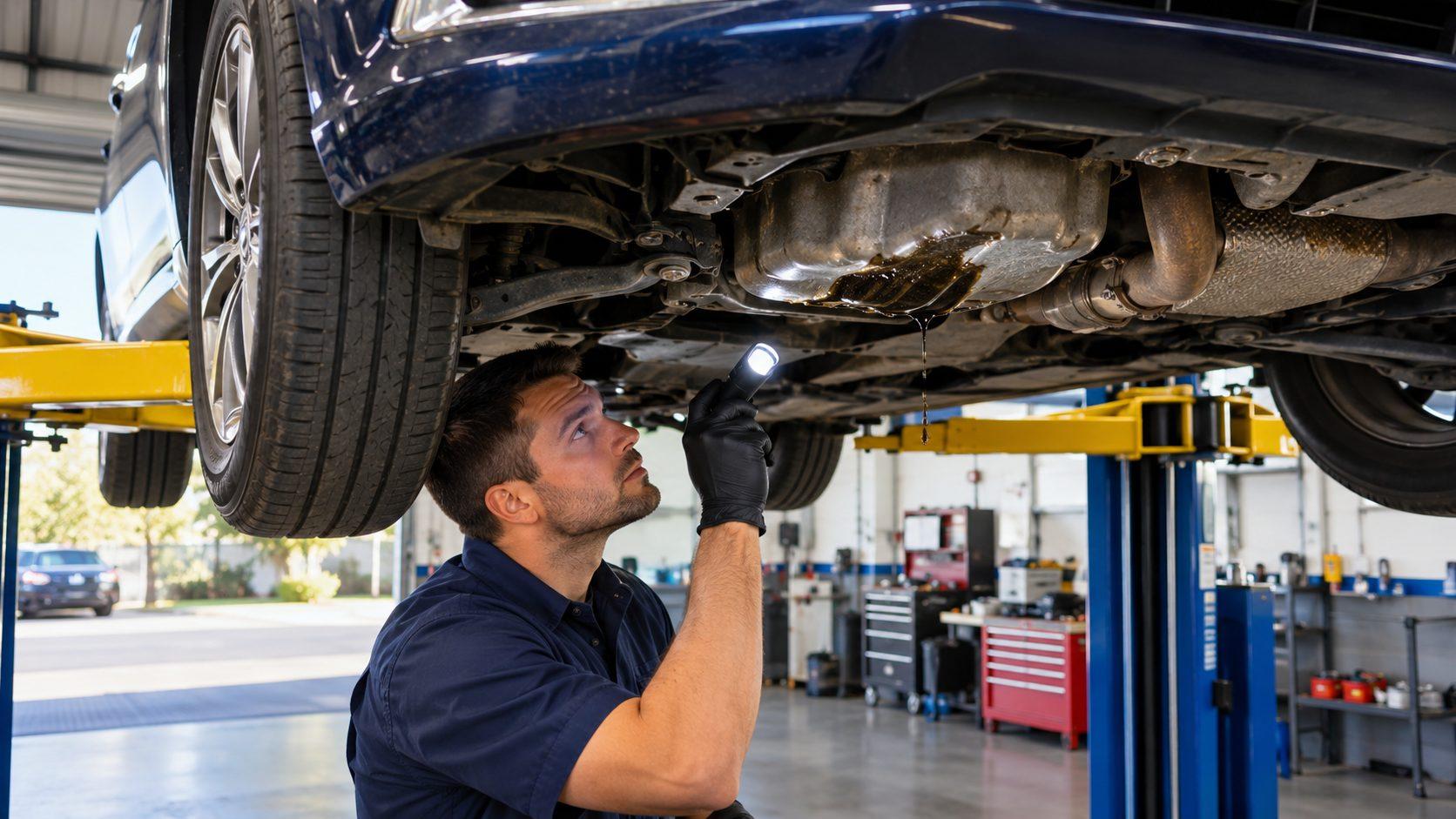
Depending on the leak, the vehicle may be run to operating temperature and inspected safely on a hoist. UV dye may be appropriate for difficult or intermittent leaks. A technician will also check whether there is damage to nearby wiring, belts, exhaust components or undertrays, and whether the oil loss has contributed to another fault.
This process matters because the lowest wet point is rarely guaranteed to be the source. Replacing a sump gasket when oil is actually running down from the rocker cover wastes time and money. Clear diagnosis lets the workshop provide a transparent quote based on the repair the vehicle genuinely needs.
What oil leak repairs can involve
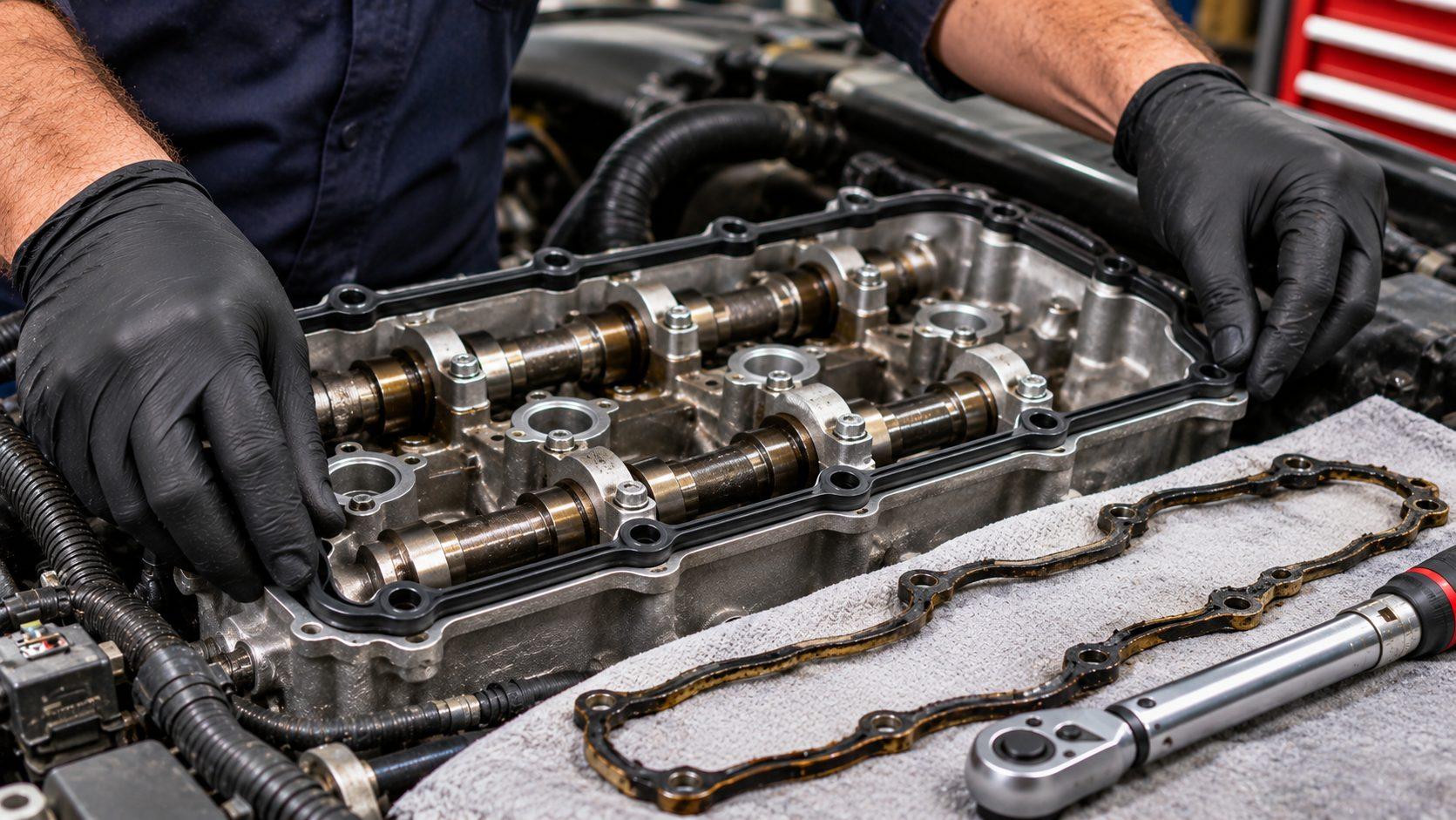
The right repair depends on access, the location of the leak and the condition of related parts. Replacing an accessible rocker cover gasket is generally different from repairing a rear main seal, which can require transmission removal. Labour can therefore vary significantly, even when the leaking seal itself is a relatively inexpensive part.
A quality engine repair should include the correct gasket or seal, proper surface preparation, torque settings and the right engine oil if a refill or oil change is required. Where an oil filter housing, cooler or breather component has failed, related seals and hoses may need inspection at the same time. This is not about adding unnecessary work - it is about avoiding a repeat visit for a connected fault that is already visible.
There are times when a minor seepage can be monitored rather than repaired immediately. For example, if there is no measurable oil loss, no oil reaching hot or safety-related components, and no concern for a roadworthy inspection, a technician may recommend cleaning the area and reviewing it at the next service. Honest advice should account for the vehicle's age, value, use and condition, not pressure you into work that can wait.
Avoid quick fixes that hide the problem
Oil stop-leak additives can sound appealing, but they are not a universal answer. Some may temporarily soften certain seals, yet they cannot repair damaged housings, loose fittings, blocked breathers or worn components. They can also be unsuitable for particular engines and oils.
Likewise, simply topping up the oil is not a repair plan. It can help maintain a safe level while an appointment is being arranged, but it does nothing to stop oil reaching the exhaust, belts or driveway. If you do top up, use the manufacturer-specified grade and avoid overfilling. Too much oil can create problems of its own. When you do book the repair, the ACCC's consumer guarantees require services to be carried out with due care and skill, so you are entitled to a proper fix rather than a temporary one.
Keeping future leaks less likely

Regular servicing gives a workshop the chance to spot early seepage before it becomes an active leak. Using the correct oil grade, replacing filters and sealing washers properly, and addressing overheating or crankcase ventilation faults all support seal life. It also helps to check the oil level every few weeks, and before a long trip, particularly in older vehicles or cars with higher kilometres.
If you notice new drips, take a photo of where the car was parked and note whether it happened after a short commute or a longer drive. That small detail can help narrow down an intermittent issue. Avoid hosing the engine bay or applying sealants before an inspection, as this can make the source harder to trace.
For drivers around Geelong, Armstrong Creek Motors can assess oil leaks with a practical, no-gimmicks approach: identify the source, explain the repair in plain language and provide a clear quotation before work begins. A small patch of oil may not feel urgent today, but booking an inspection while the car is still running well gives you more choice, more control and a better chance of keeping the repair straightforward.
Was this article helpful?