

Summarise this article with AI
On this page · 5 sections
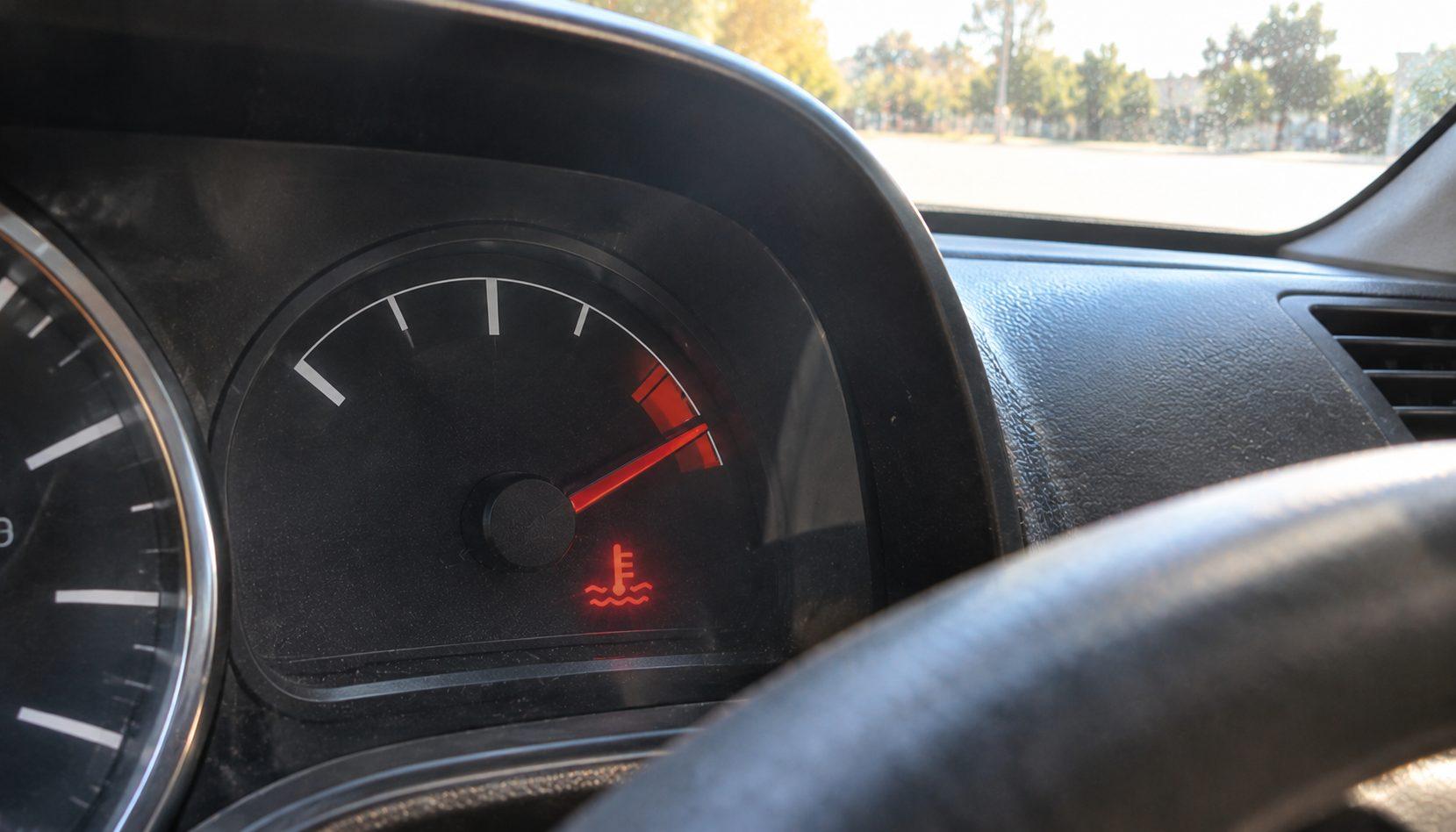
The temperature gauge climbs past its normal position, a warning light appears, or steam starts coming from under the bonnet. If you are asking, "why is my car overheating?", treat it as a problem that needs attention straight away. Continuing to drive an overheated engine can turn a relatively contained cooling-system repair into major engine damage.
A car can run hot for several reasons, from low coolant or a leaking hose to a failed thermostat, water pump or cooling fan. The right repair depends on finding the actual cause, not simply topping up coolant and hoping the issue disappears. That is where clear diagnosis can save both time and money.
What to do when your car starts overheating
If the temperature gauge reaches the red zone, an overheating warning appears, or you notice steam, safely pull over as soon as conditions allow. Turn off the air conditioning, stop the vehicle and switch the engine off. Do not keep driving to get home, to work or to the next suburb if the engine is clearly overheating.
Leave the car to cool completely before checking anything under the bonnet. Never remove a radiator cap or coolant reservoir cap while the engine is hot. Cooling systems operate under pressure, and hot coolant or steam can cause serious burns.
Once the engine has cooled, you may be able to see obvious clues such as a puddle of coolant beneath the car, a split hose, or a low coolant level in the overflow reservoir. Coolant is often green, red, pink, blue or orange depending on the vehicle and product used, but it should not be treated as a simple top-up issue. If coolant is low, it has usually gone somewhere.
If you are stranded, have the vehicle assessed rather than risking further driving. A tow is generally far cheaper than repairing a warped cylinder head or damaged engine.
Why is my car overheating? The most common causes
Your engine produces a great deal of heat every time you drive. The cooling system moves that heat away using coolant, a radiator, hoses, a water pump, thermostat and cooling fans. When one part cannot do its job, temperatures rise quickly, particularly in traffic, on hot Victorian days, while towing, or climbing hills.
Low coolant or a coolant leak
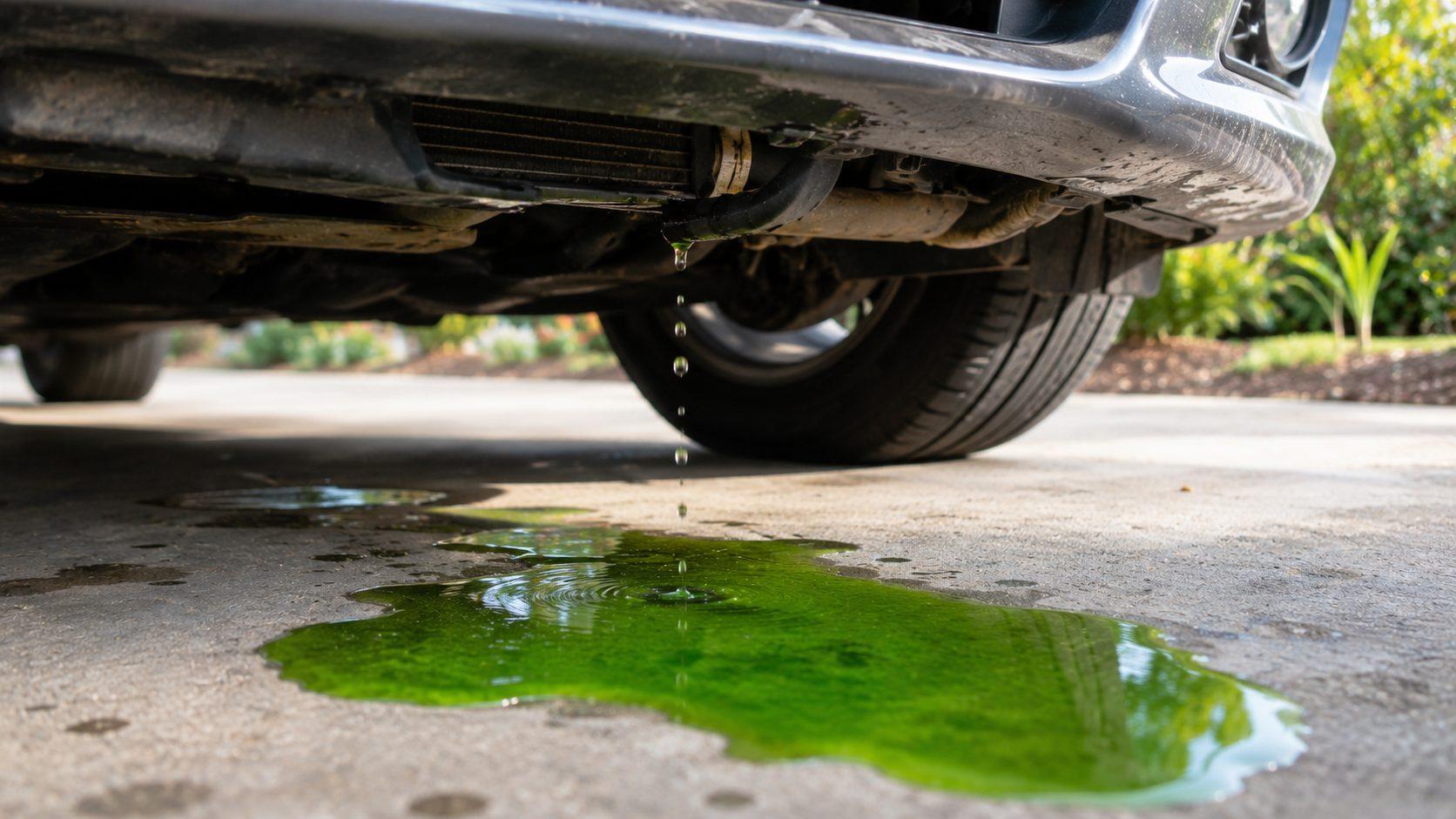
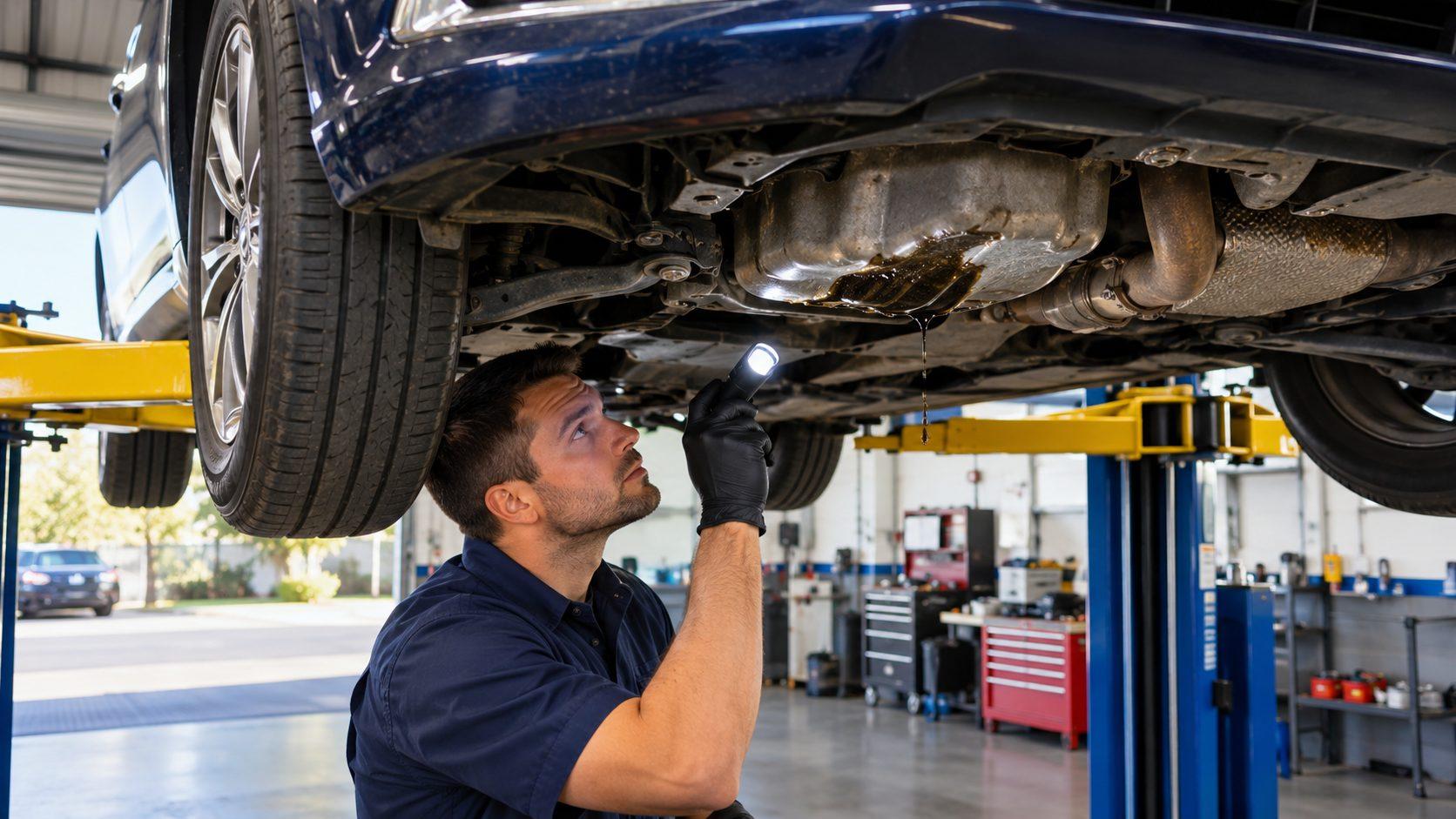
Low coolant is one of the most common reasons for overheating. A leak may come from a radiator hose, hose clamp, radiator, heater hose, coolant reservoir, water pump, thermostat housing or a deteriorated seal. Some leaks are obvious, while others only appear when the system is hot and pressurised.
A sweet smell around the engine bay, coloured residue near a hose connection, damp carpet on the passenger side, or repeated low coolant levels can all point to a leak. Coolant should not need regular topping up. If it does, a proper pressure test and inspection are needed to locate the fault.
A thermostat that is stuck closed
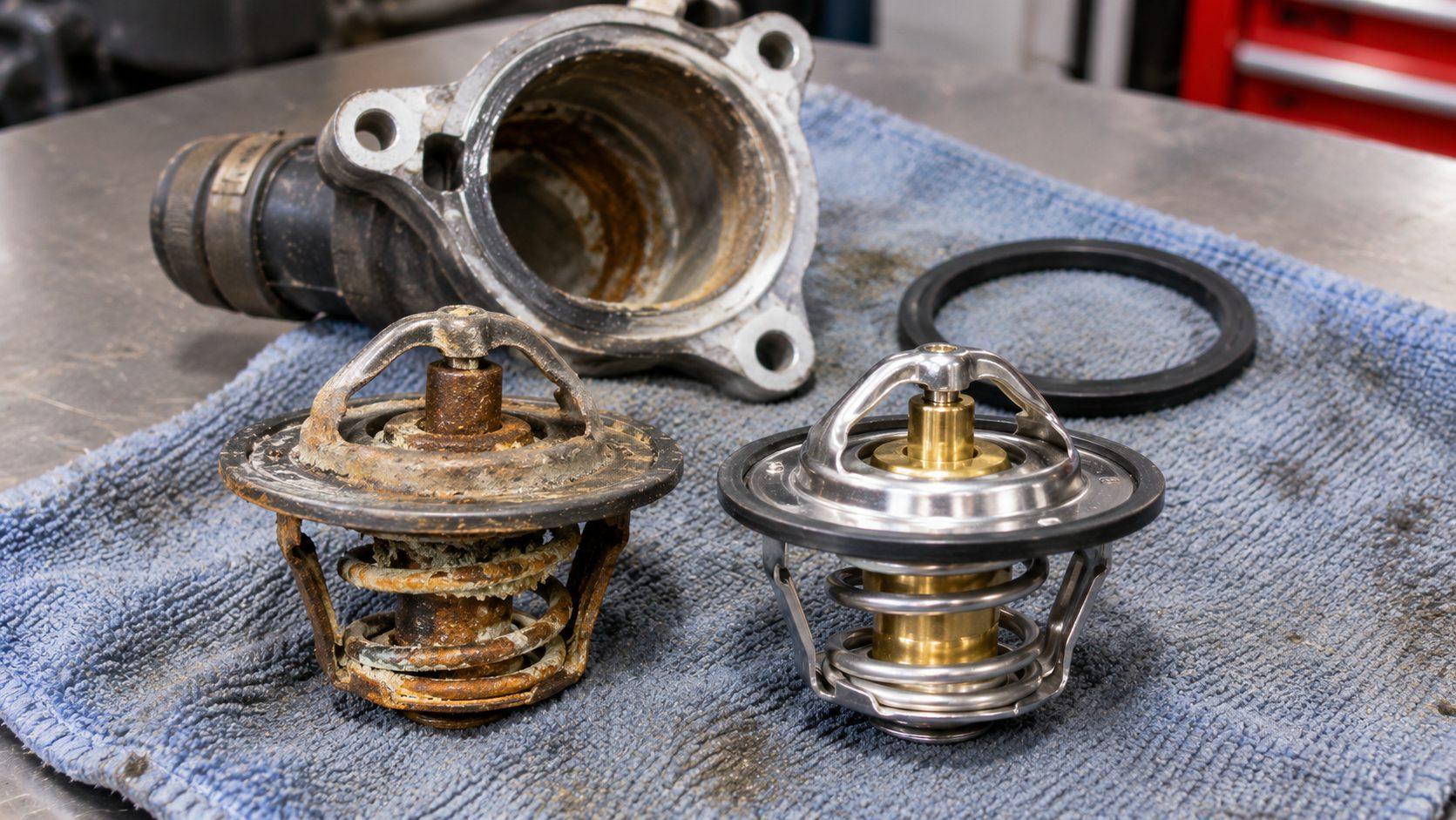
The thermostat controls when coolant circulates through the radiator. When it works correctly, it helps the engine warm up efficiently, then opens as operating temperature is reached. If it sticks closed, hot coolant cannot travel through the radiator properly.
This can cause the temperature gauge to rise rapidly, sometimes shortly after starting. Thermostats are relatively small parts, but ignoring a failed one can have expensive consequences. Diagnosis matters because a similar symptom can also be caused by poor coolant circulation, an airlock or a sensor fault.
Failed radiator fan or fan control fault
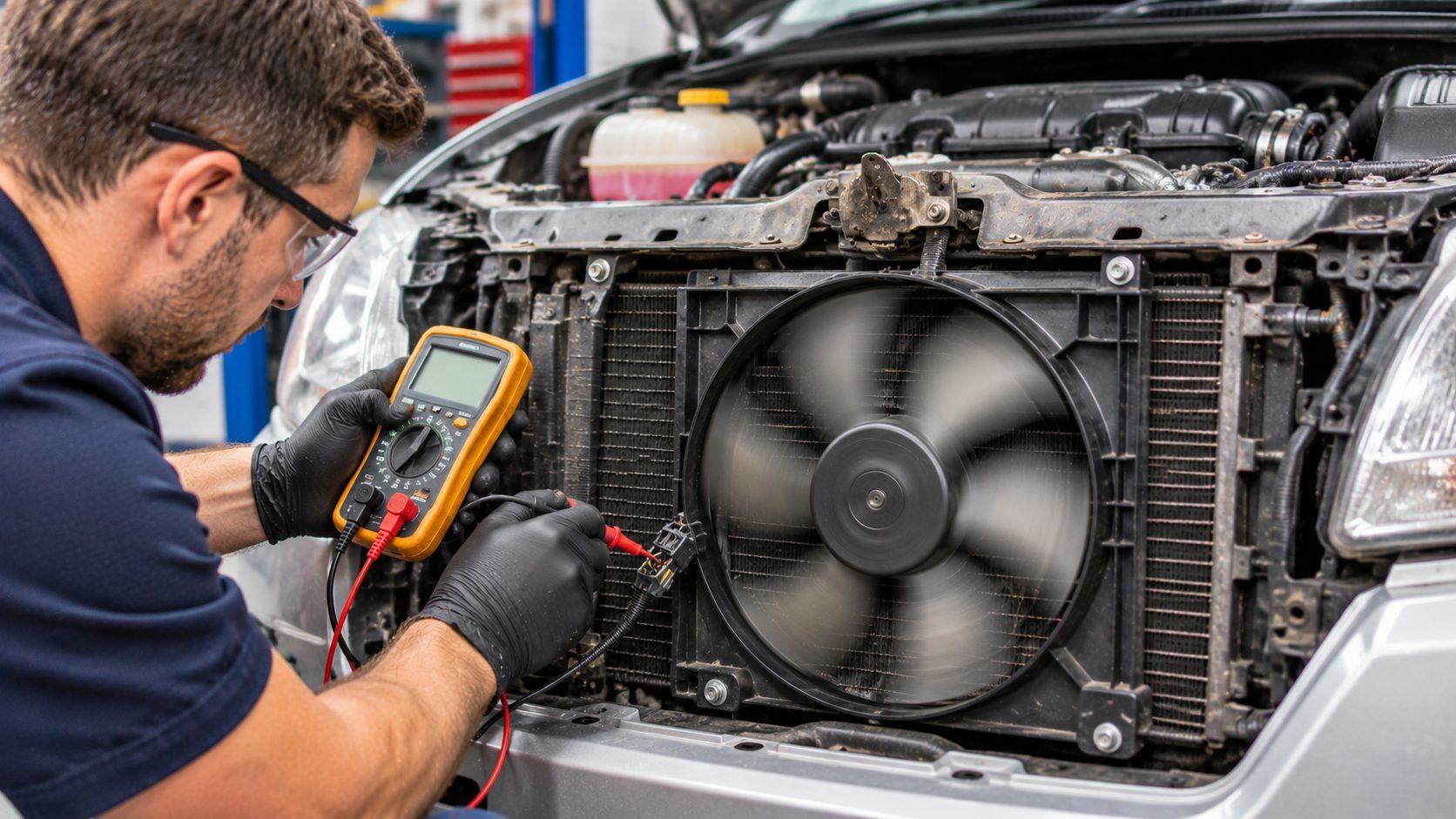
At highway speed, air passing through the radiator helps cool the engine. In slow traffic, at traffic lights or while idling, electric cooling fans take over. If a fan motor, fuse, relay, wiring connection or temperature sensor fails, a car may run normally on open roads but overheat in stop-start driving.
This pattern is useful information for a technician. Tell the workshop when the overheating happens, whether the air conditioning was on, and whether the fan could be heard running. Modern vehicles may have multiple fans and electronically controlled fan speeds, so the fault is not always visible without testing.
Blocked or damaged radiator
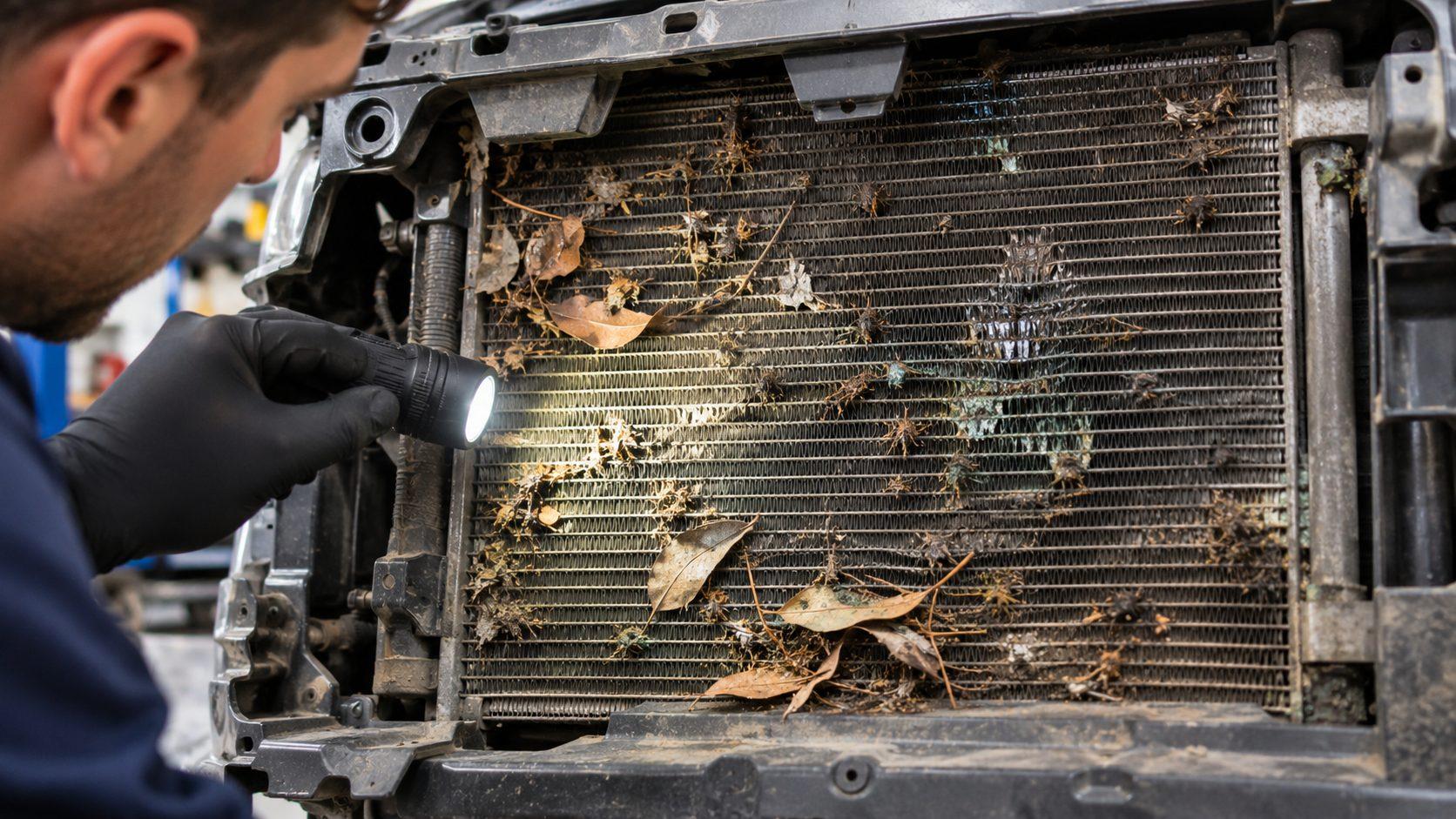
Radiators can lose efficiency over time. Internal corrosion, old or incorrect coolant, sludge and mineral deposits can restrict coolant flow. Externally, leaves, dirt, insects and road debris can block airflow through the radiator and air-conditioning condenser.
A damaged radiator may leak, but it can also cool poorly without an obvious leak. Flushing a neglected system is not always the answer. In some cases, a restricted or corroded radiator needs replacement to restore reliable cooling.
Water pump problems
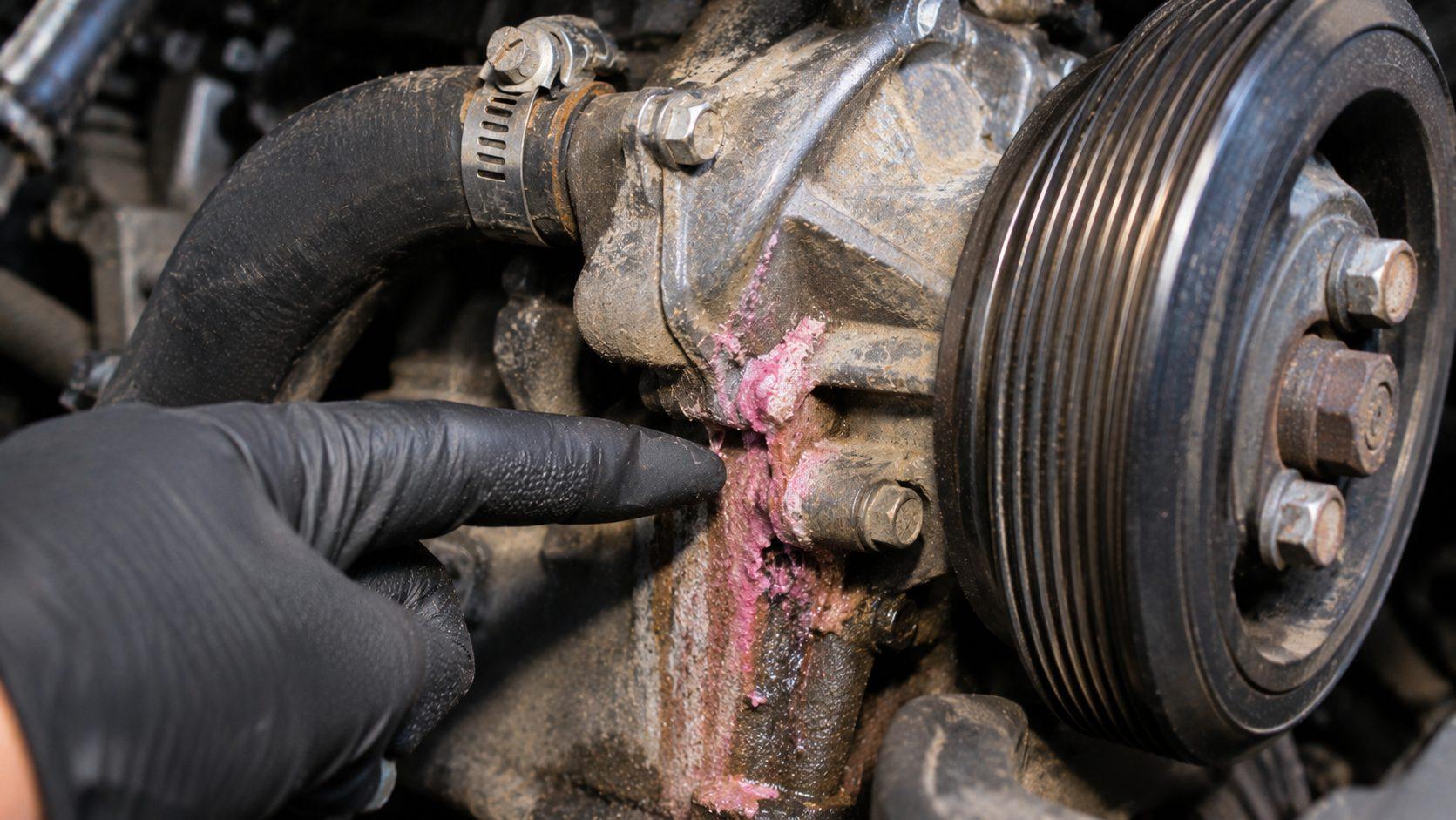
The water pump circulates coolant through the engine, heater core and radiator. A worn pump may leak from its seal, develop bearing noise or fail to move enough coolant. On some engines, the pump is driven by the timing belt or timing chain system, which affects the labour involved in replacement.
Warning signs can include coolant loss, a whining or grinding noise from the engine area, temperature fluctuations and poor cabin heater performance. Because water pump access varies greatly between vehicles, it is worth getting a clear quote that explains the recommended repair and any related components that should be addressed at the same time.
Air trapped in the cooling system
Air pockets can stop coolant circulating correctly and create hot spots inside the engine. This often occurs after coolant has been changed, a hose or radiator has been replaced, or a leak has allowed air into the system.
Many modern cooling systems require a specific bleeding procedure. Simply filling the reservoir and driving away may leave trapped air behind. A workshop can vacuum-fill or bleed the system correctly, confirm it holds pressure and make sure the cooling fans and thermostat are operating as they should.
Head gasket or internal engine damage
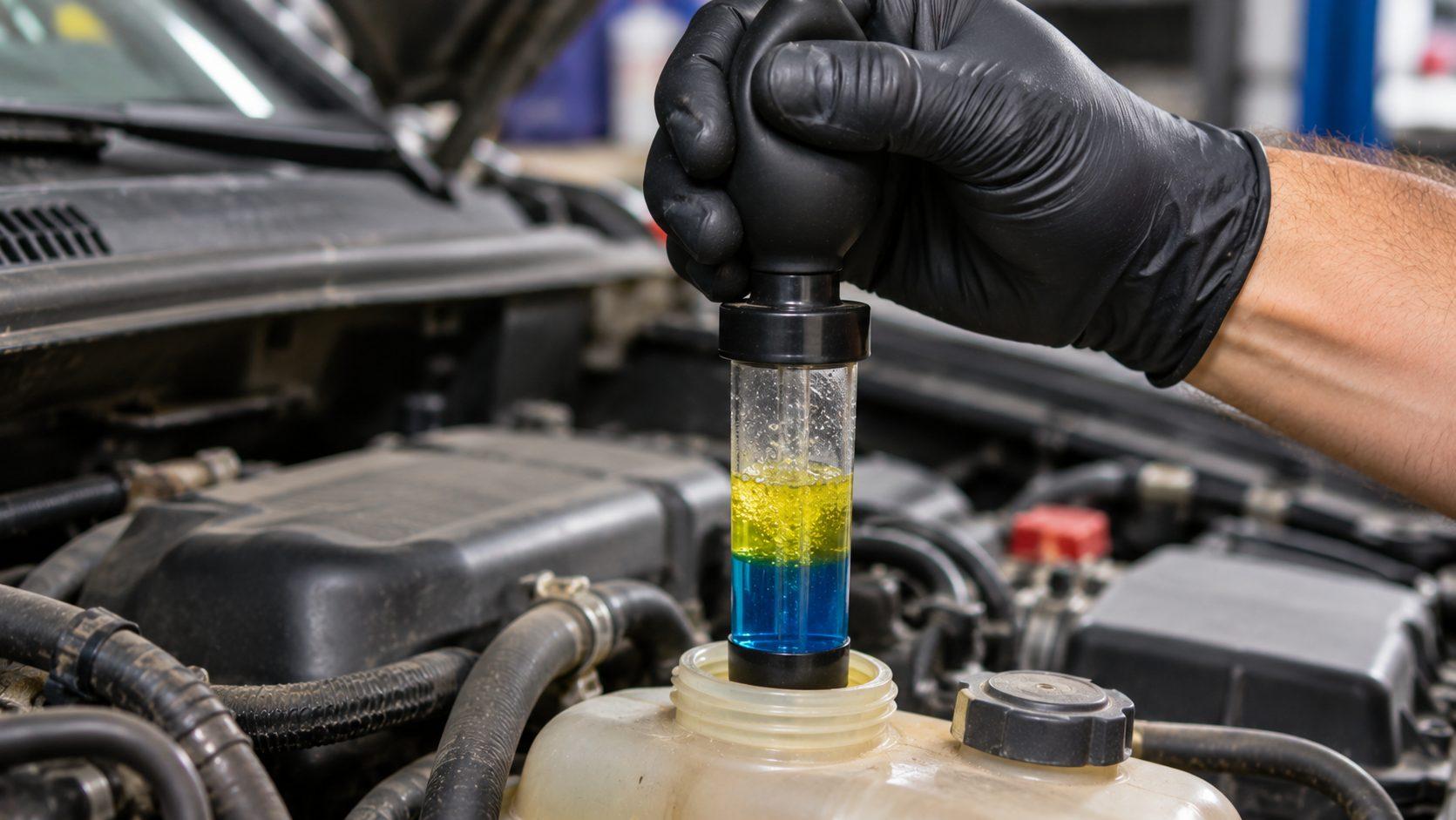
An overheating issue can cause a head gasket failure, but a failed head gasket can also cause overheating. Combustion gases may enter the cooling system, creating excess pressure and pushing coolant out. Coolant can also mix with oil in some cases, although this is not always present.
Persistent overheating, white exhaust smoke after warm-up, unexplained coolant loss, bubbles in the coolant reservoir, a misfire on start-up or creamy contamination under the oil cap are warning signs worth investigating. These symptoms do not automatically confirm a head gasket problem, but they should not be ignored. Testing can identify combustion gases in the cooling system and help avoid guesswork.
Why topping up coolant is not a lasting fix
Adding coolant may get the level back to normal, but it does not repair the reason it became low. Mixing incompatible coolant types can also reduce corrosion protection and create deposits within the system. The correct coolant specification is particularly important for European vehicles, including BMW, Audi, Mercedes-Benz and Volkswagen models.
Using plain water as an emergency measure may be necessary in limited circumstances, but it is not a long-term substitute for the correct coolant mixture. Coolant protects against corrosion, raises the boiling point and helps protect components throughout the cooling system. Once the cause of the problem is repaired, the system should be refilled with the right product and concentration.
Details that help diagnose an overheating car
A good diagnosis begins with the vehicle's symptoms and history. Before booking in, note whether the overheating happens only in traffic, at highway speeds, under load, with the air conditioning running, or all the time. Also mention any recent repairs, coolant top-ups, warning lights, unusual smells or leaks.
A qualified mechanic may inspect for leaks, pressure-test the cooling system, test the radiator cap, check coolant condition, verify fan operation, assess thermostat performance and scan the vehicle for fault codes. If necessary, further tests can check for internal engine issues. This process is more reliable than replacing parts based on a single symptom.
At Armstrong Creek Motors, the focus is on explaining what has failed, why the repair is recommended and what the likely cost involves before work goes ahead. That is particularly valuable with cooling problems, where a small leak may be straightforward but repeated overheating can point to a more involved repair.
Can you prevent your car from overheating?
Regular servicing gives the cooling system a better chance of doing its job. During a service, coolant condition and level, hoses, belts, leaks and visible radiator condition can be checked alongside the rest of the vehicle. It is also sensible to act early if you notice the temperature gauge behaving differently, coolant disappearing or the heater suddenly blowing cold air.
Avoid putting off a minor coolant leak because the car still seems to drive normally. Cooling faults often worsen under pressure, on a hot day or during a longer trip, when there is less room for the engine to cope.
An overheating warning is your car asking for attention before a manageable repair becomes a major interruption. Stop safely, let the engine cool, and arrange a proper inspection so you can get back on the road with a cooling system you can rely on.
Was this article helpful?