


Summarise this article with AI
On this page · 8 sections
Key takeaways
- A clear quote lists the fault, the repair, the parts, the labour and GST.
- Diagnosis and repair can be separate jobs, so ask which one the quote covers.
- Compare what each quote includes, not just the total; a cheaper one may leave out related parts.
- The workshop should contact you and get your approval before any extra chargeable work.
Check that it names the fault and lists the parts, labour and GST, whether it covers diagnosis or the repair, and that extra work needs your approval.
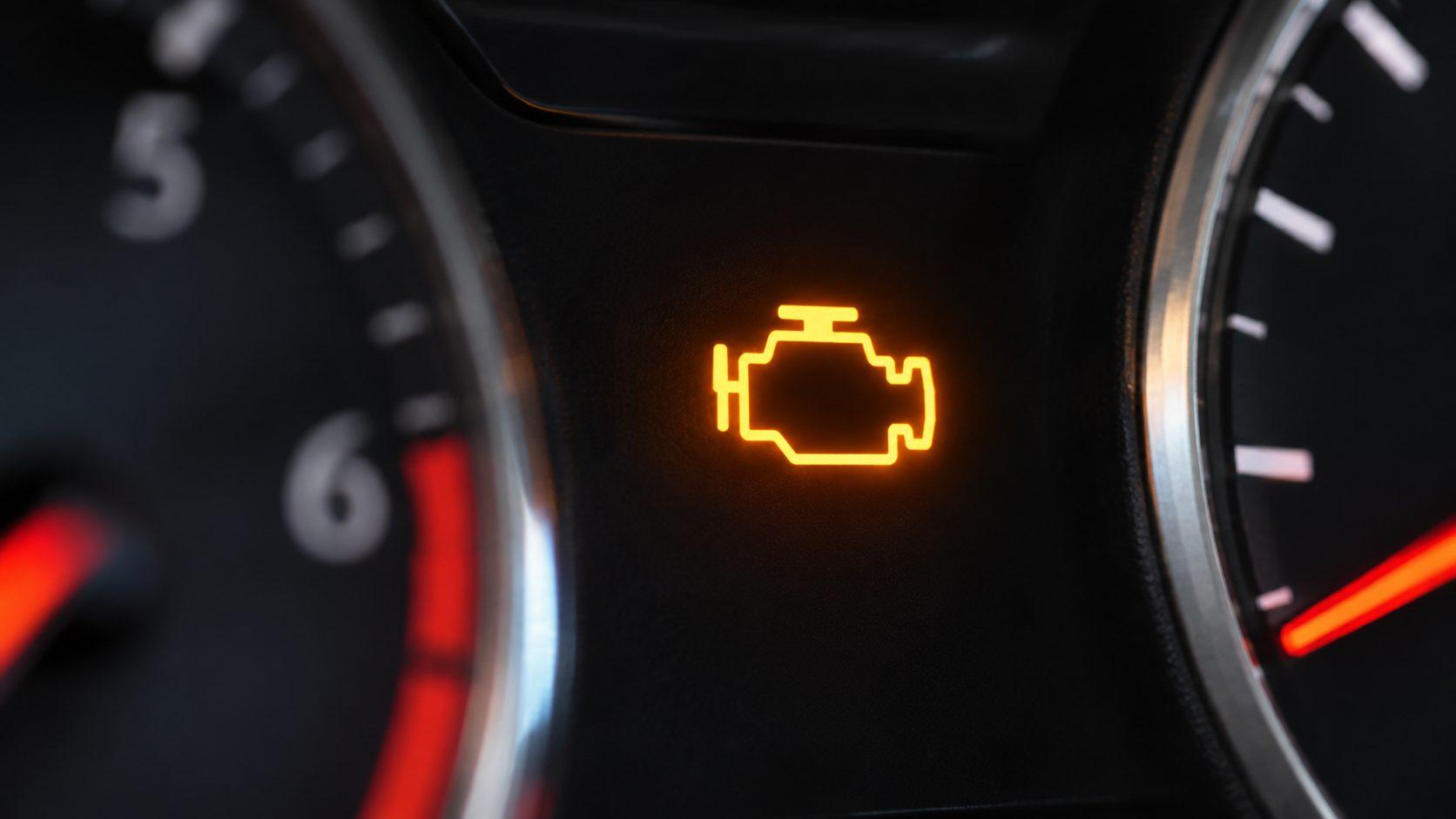
A warning light, grinding brakes or a car that will not start can make any repair quote feel urgent. Understanding mechanic repair quotes gives you a clearer way to make decisions without guessing, delaying a necessary repair or agreeing to work you do not fully understand. A good workshop should be able to explain what has been found, why it matters and what the cost covers in plain language.
A quote is not simply a number at the bottom of a page. It is a repair plan for your vehicle, based on the symptoms, inspection results and the parts needed to return it to safe, reliable operation. The detail behind that number is where confidence comes from.
What a mechanic repair quote should show
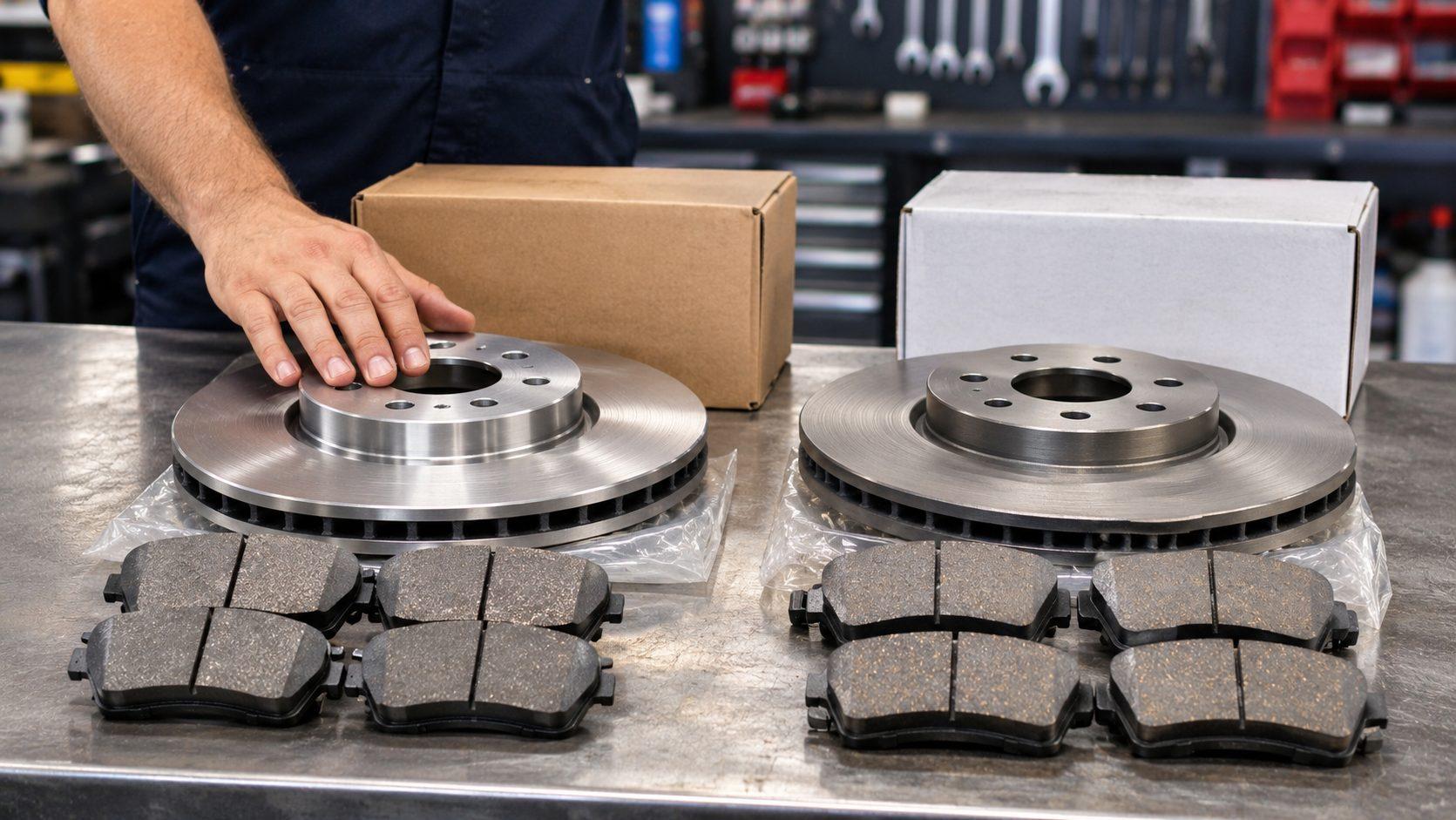
A clear repair quote separates the work into meaningful parts. You should be able to see the diagnosed issue, the repairs recommended, parts required and the expected labour charge. GST should be clear, along with any additional items such as fluids, consumables, wheel alignment or diagnostic time where relevant.
For example, a brake repair may include new brake pads, rotors, labour, brake fluid inspection and a road test. If only the pads are listed, it is fair to ask whether the rotors have been measured and whether they can safely remain in service. The answer may be yes, but knowing that helps you understand the recommendation.
The same applies to an engine oil leak. Replacing a seal can involve anything from a relatively accessible rocker cover gasket to major labour if the leak is behind components that must be removed first. The part itself may be inexpensive, while the access work is not. A trustworthy quote makes that distinction understandable rather than hiding it in vague wording.
Diagnosis and repair are not always the same job
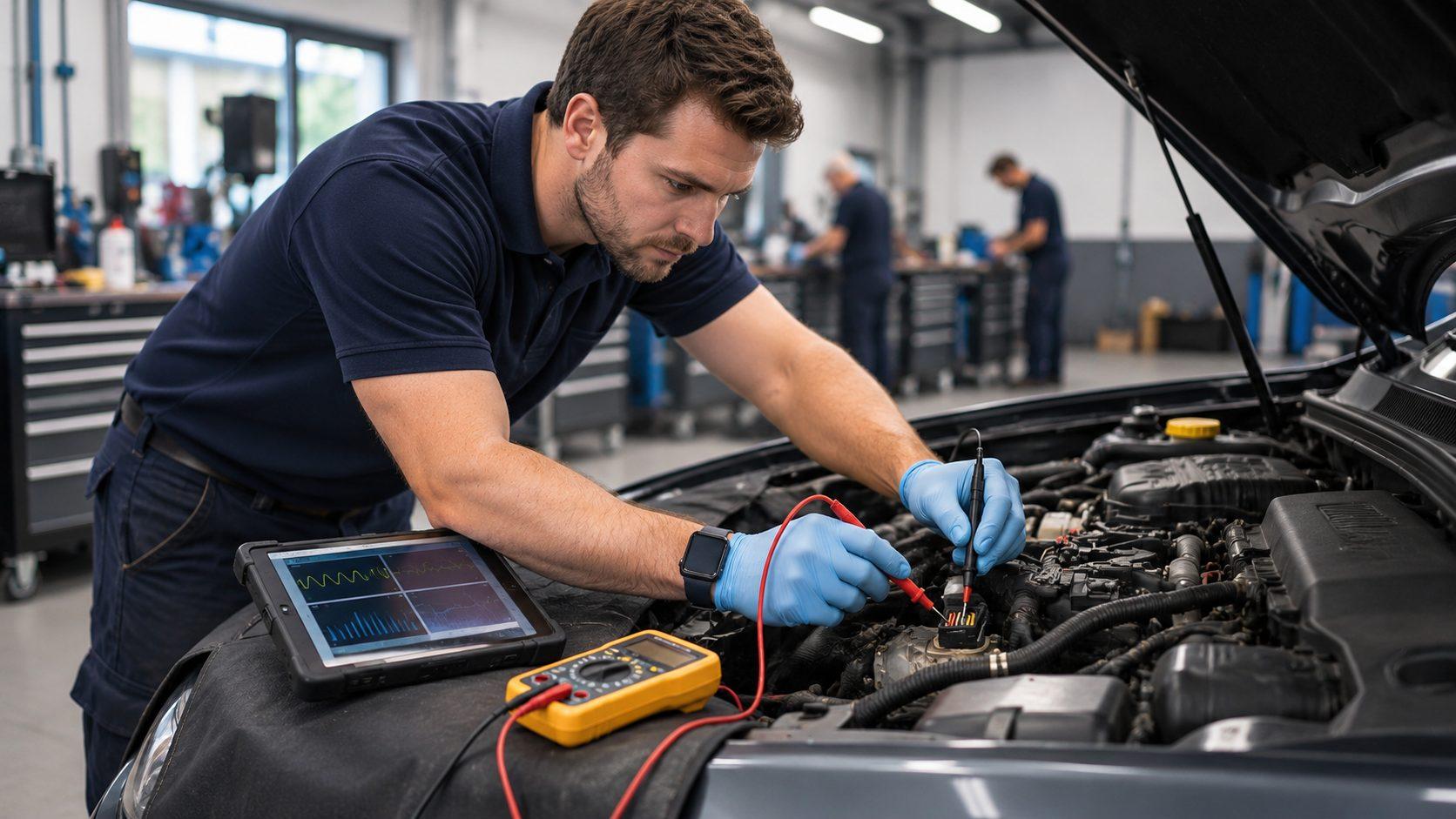
Many vehicle faults need testing before an exact repair cost is known. Electrical issues, EFI faults, intermittent starting problems, air conditioning faults and some transmission concerns can have several possible causes. In these cases, a diagnostic charge is not an unnecessary extra - it is the process of identifying the real fault before parts are replaced.
A proper diagnosis may include a scan tool check, battery and charging tests, visual inspection, pressure testing, road testing or checking wiring and sensors. Once the cause is confirmed, the workshop can provide a more accurate repair quote. This approach often costs less than fitting parts based on a hunch.
Ask whether the quote is for diagnosis, the confirmed repair, or both. That one question prevents plenty of misunderstandings.
Understanding mechanic repair quotes line by line
The most useful question is not always, "Is this cheap?" It is, "What exactly is included, and is it the right repair?" Two quotes can look very different because they are not proposing the same work or using the same quality of parts.
Labour reflects more than the time a vehicle spends on a hoist. It includes qualified technical work, specialist equipment, workshop information, testing, safe fitting procedures and final checks. Modern vehicles, particularly BMW, Audi, Mercedes-Benz and Volkswagen models, can require manufacturer-level diagnostic capability and precise repair procedures. This is one reason a realistic quote can differ from a quick estimate given without inspecting the vehicle.
Parts are another major variable. Depending on the job, a workshop may recommend genuine parts, original equipment quality parts or reputable aftermarket alternatives. Each option has a place. Genuine parts can be preferable for certain sensors, modules and model-specific components, while quality aftermarket parts can offer excellent value for common maintenance items such as filters, brake components or suspension parts.
The right choice depends on the vehicle, the part's role, availability and your plans for the car. If you are preparing an older vehicle for sale, the sensible solution may differ from what suits a family car you intend to keep for years. Good advice takes that context into account.
Why the cheapest quote can cost more
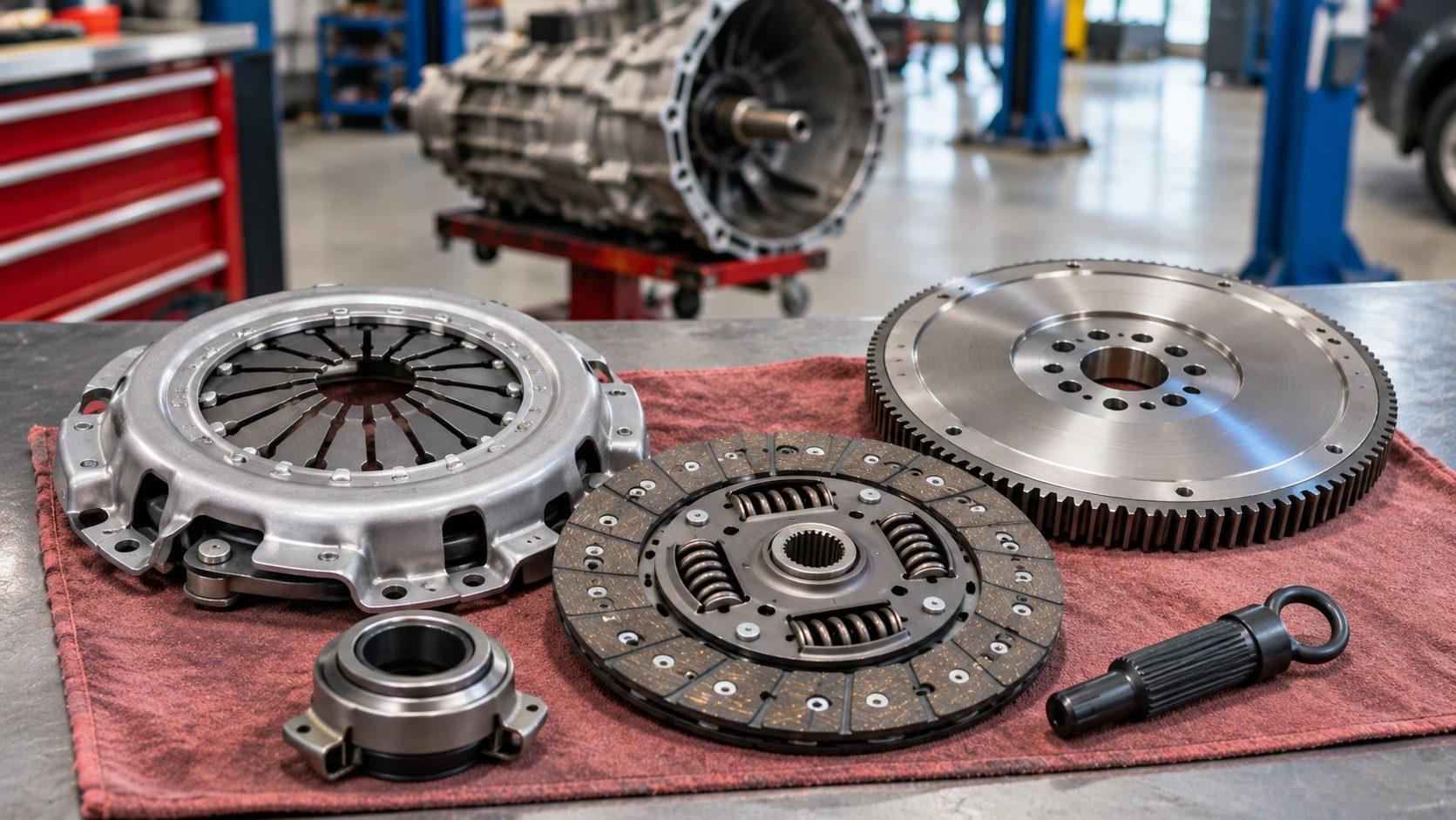
A low figure can be appealing, especially when repairs arrive unexpectedly. But compare the scope before comparing the total. One quote may include a complete clutch kit, new release bearing, flywheel inspection, fresh gearbox oil and a warranty-backed installation. Another may list only a clutch plate and pressure plate.
Neither quote is automatically wrong, but they are not equal. Missing related components can lead to repeat labour later, which is particularly frustrating when the gearbox has to be removed again. The same principle applies to timing components, cooling system repairs, suspension work and brake servicing.
Be wary of quotes that do not identify the actual issue, use broad descriptions such as "repair as required", or promise a fixed low price before the vehicle has been assessed. A fair quote does not need to be complicated, but it should be specific enough for you to know what you are approving.
Questions worth asking before you approve work

There is no need to be an automotive expert to ask sensible questions. Start by asking what caused the problem and what could happen if you wait. Some work is safety-critical, such as heavily worn brakes, damaged tyres, steering faults or issues that affect roadworthiness. Other work may be advisable but can be planned around your budget and schedule.
It also helps to ask whether there are repair options, which parts will be used, whether the price includes GST, and whether the workshop will contact you before any extra work is completed. If the repair is significant, ask what workmanship guarantee applies and whether the parts carry their own warranty.
For a used-car inspection or roadworthy-related repair, ask which items are required for compliance and which are general maintenance recommendations. These are not always the same thing. A clear explanation lets you deal with urgent compliance items first while planning non-urgent maintenance properly.
Estimates, quotes and changes during the repair
An estimate is a guide based on the information available at the time. A quote is generally a firmer commitment to complete defined work for an agreed price. The difference matters when a job involves unknowns.
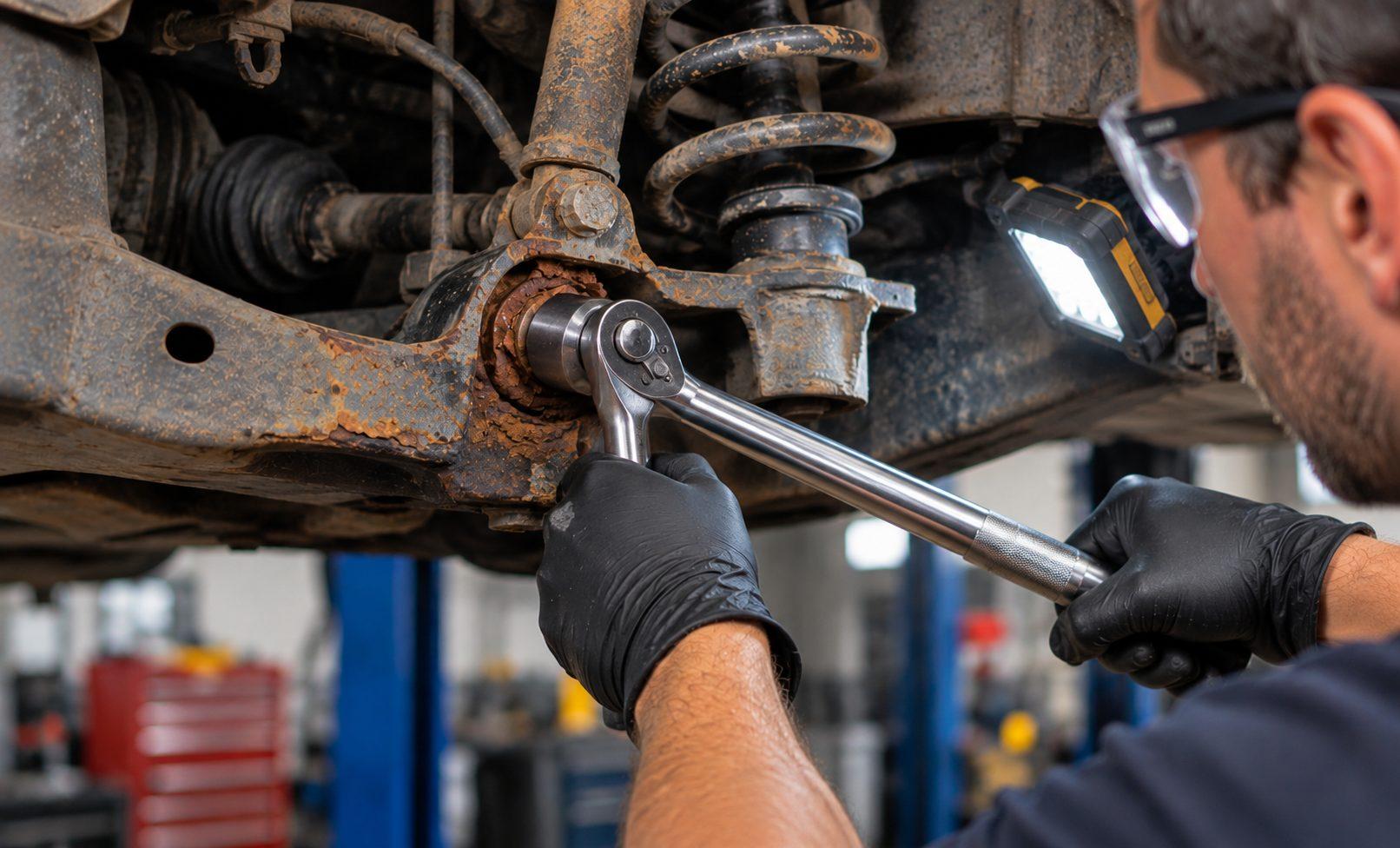
Sometimes a technician cannot see the full condition of a component until it is dismantled. A seized bolt, hidden oil leak, damaged wiring or worn associated part may only become apparent during the repair. This does not automatically mean the original quote was poor. What matters is how the workshop handles it.
You should be contacted, shown the options and asked for approval before additional chargeable work goes ahead. Consumer Affairs Victoria’s guide to car services and repairs recommends a written estimate and asking to be called before any extra work. If the workshop identifies a minor issue that can wait, it should be explained as advice, not used to pressure you into an immediate decision.
Keeping the original quote, approved changes and final invoice also creates a useful service record. It can support warranty discussions, help with future diagnosis and show prospective buyers that the vehicle has been maintained responsibly.
When to seek a second opinion
A second opinion can be sensible for major engine, transmission, air conditioning or electrical repairs, especially if the diagnosis is uncertain or the cost is substantial. Bring the first quote with you and ask the second workshop to assess the vehicle independently. An honest technician will not dismiss another workshop without evidence.
However, avoid asking several workshops to quote from the same unconfirmed description alone. "The car needs a new alternator" may be the conclusion of one diagnosis, not necessarily the fault itself. Battery condition, wiring, belt drive and charging output should be checked before comparing alternator prices.
A second opinion is most valuable when it compares diagnosis and repair scope, not just parts prices.
Make the conversation work for you

Before dropping off your vehicle, write down when the fault occurs, any warning lights, noises, smells or changes in how the car drives. Mention recent repairs, accidents, overheating, flat batteries or water exposure. These details can shorten diagnostic time and improve the accuracy of the quote.
When the workshop calls, do not feel rushed. Ask for the repair to be explained in everyday terms, request a priority order if there is more than one issue, and confirm the total you are authorising. A reliable local workshop will respect those questions because clear approval protects both the customer and the technician.
At Armstrong Creek Motors, the aim is straightforward: clear advice, fair costs and repairs that make sense for your vehicle. The best quote is one you can understand, approve confidently and look back on knowing the work was necessary and completed properly.
Was this article helpful?