

Summarise this article with AI
On this page · 7 sections
A service reminder appears on the dash, the brakes have started squealing, or the air conditioning is struggling just before a hot weekend. The decision between dealer versus local mechanics can feel bigger than it needs to be, particularly when the car is still under warranty or the repair sounds expensive. The better choice depends on the work required, the age and make of your vehicle, and whether you are receiving clear advice before any work begins.
For most routine servicing and many repairs, a qualified independent workshop can provide the same careful attention without the dealership overheads. But there are situations where a dealer has a genuine advantage. Knowing the difference helps you spend confidently, rather than simply choosing the name on the bonnet.
Dealer versus local mechanics: start with the job
A dealership is tied to one manufacturer. Its technicians work on that brand every day, have access to factory technical information and may be the only practical place for certain recall work, warranty claims or manufacturer-specific software updates. If your vehicle has an active recall, a fault covered by the new-car warranty, or a problem that needs a factory campaign applied, the dealer is often the right first call.
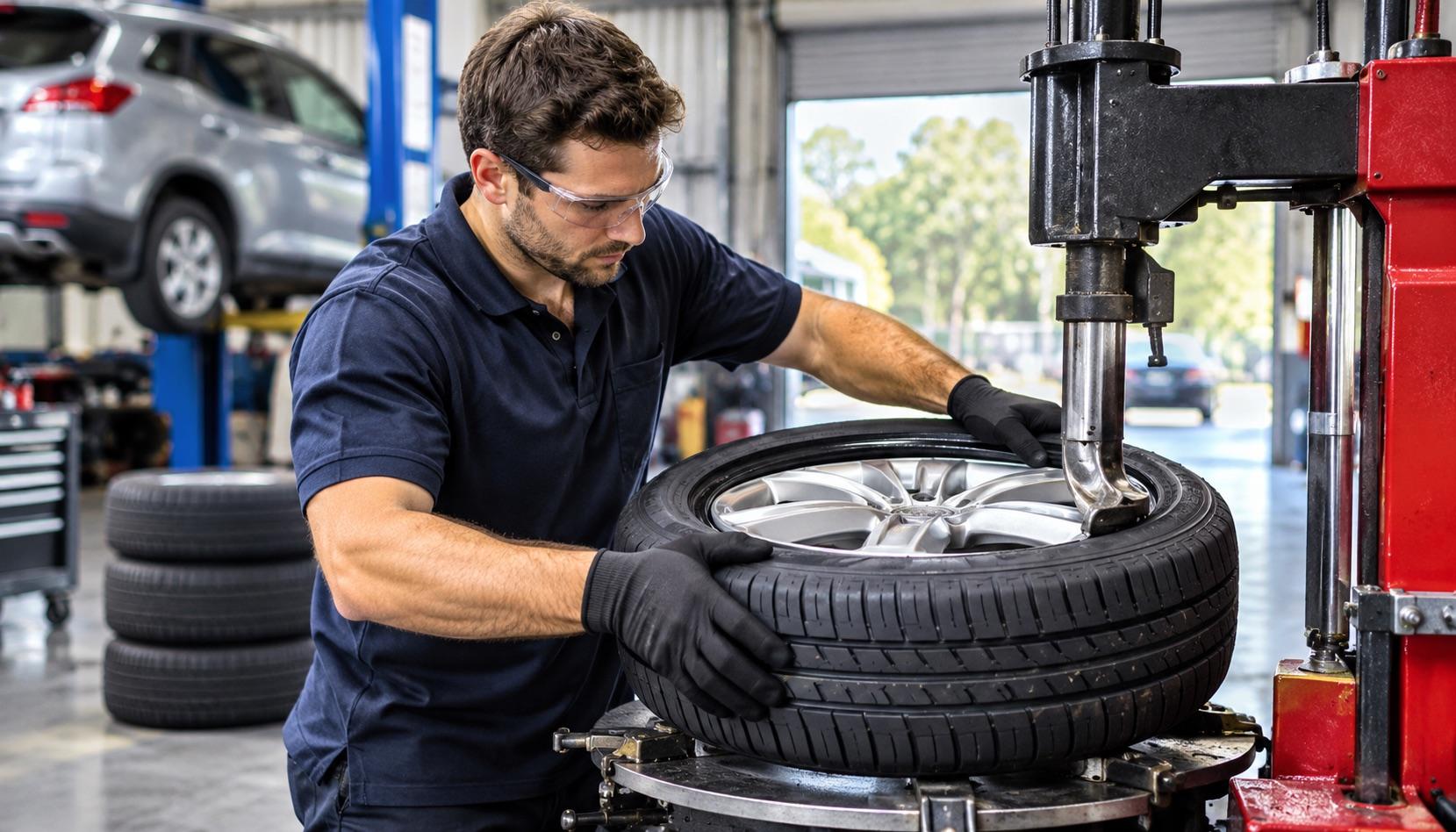
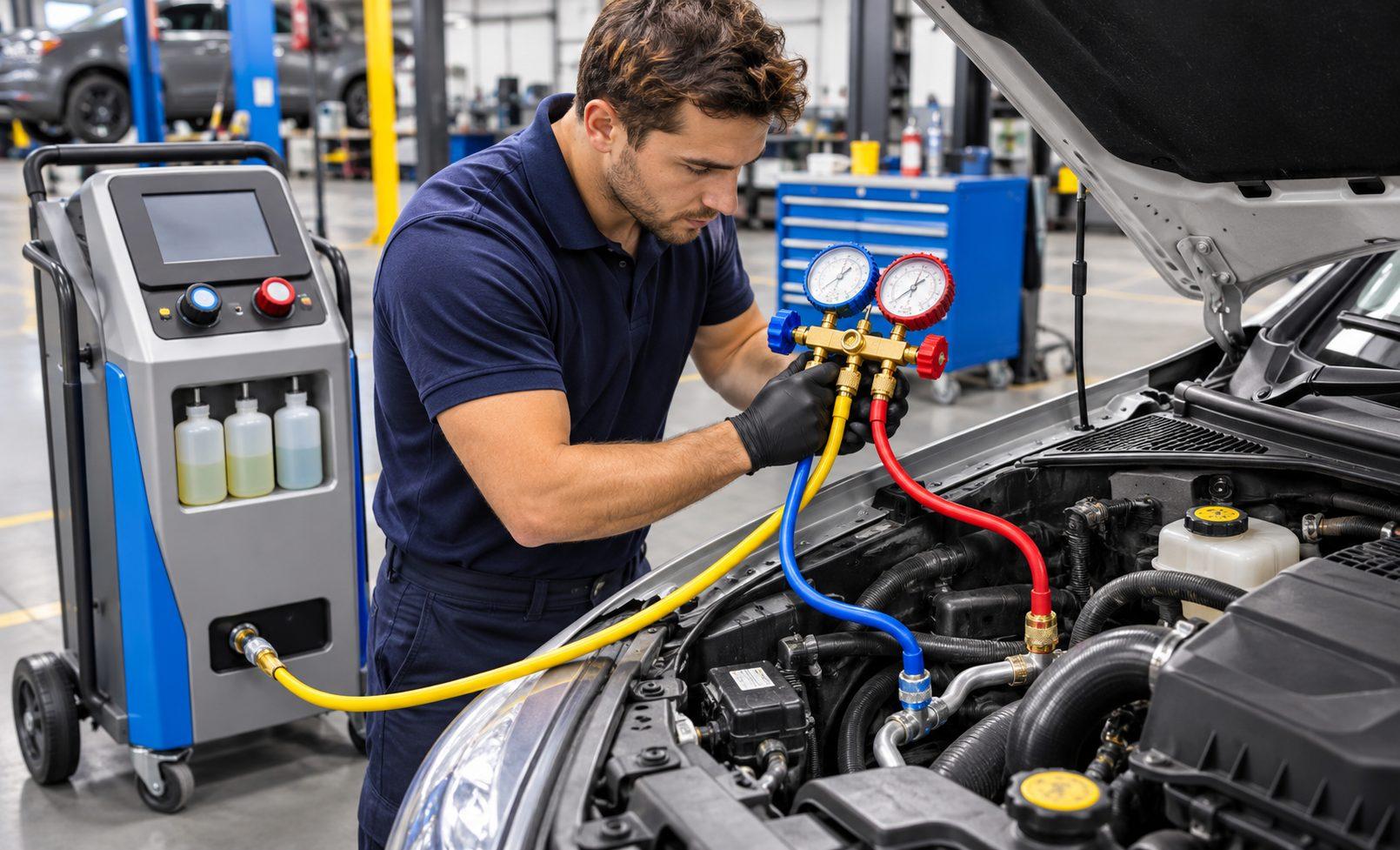
A local independent mechanic works across many makes and models. A well-equipped workshop can handle logbook servicing, brakes, tyres, suspension, batteries, cooling systems, electrical faults, engine repairs, transmission work and air conditioning. Independent workshops also commonly use diagnostic equipment and quality parts that meet the vehicle's requirements.
The key question is not whether a dealer or independent is automatically better. It is whether the workshop has the training, equipment and process to diagnose and repair your particular issue properly. For an oil leak, worn brake rotors or a clutch problem, competent diagnosis and quality workmanship matter far more than a branded waiting room.
Cost is about more than the hourly rate
Dealership pricing can be higher because dealers carry larger premises, brand systems and manufacturer training costs. That does not mean every dealer quote is unreasonable. Genuine parts, specialist testing and a complex repair can all add legitimate cost.
Still, it is worth asking what is included. A quote for a major service may contain items that are due under the manufacturer's schedule, while other recommendations may be based on wear, age or a precautionary inspection. Those are different things, and you should be told which is which.
A good local mechanic will explain the fault in plain language, provide a transparent quotation and seek approval before adding work. If a repair can wait safely, you should be told that too. If it cannot wait because it affects braking, steering, tyres or another safety system, the reason should be clear.
Cheapest is not always best. A low quote that uses unsuitable parts or misses the underlying cause of a warning light can cost more in the long run. Fair pricing means paying for the work your car needs, completed to a standard that lasts.
Convenience and personal service can change the experience

Dealerships can be efficient for planned warranty work, but they can also be busy, centralised operations. You may speak with a service adviser rather than the technician inspecting your vehicle, and booking lead times can be longer during peak periods.
At a local workshop, the person explaining the repair is often closer to the work itself. That makes it easier to ask practical questions: Is the car safe to drive? What happens if I wait a month? Are there options for parts? Can you show me what has worn out?
For families, commuters and fleet operators, this direct communication has real value. A workshop that knows the service history of your car can spot patterns early, such as repeated battery issues, uneven tyre wear or a cooling-system fault that is becoming more serious. Preventative maintenance is usually less stressful than a breakdown on the way to work.
Will an independent service affect your warranty?

This is one of the most common concerns. In Australia, having your car serviced by a qualified independent mechanic does not automatically void the manufacturer's warranty. The service must be carried out according to the manufacturer's specifications, using suitable parts and fluids, with accurate records retained.
That said, a dealer remains the appropriate place to assess and process a repair that is being claimed under the manufacturer warranty. An independent mechanic can identify the issue and give you useful information, but the manufacturer or dealer ultimately decides warranty coverage.
Keep every invoice and make sure your service book or digital service record is updated. The paperwork should show the date, odometer reading, work completed and parts or fluids used. This protects you at resale time as well as during the warranty period.
Specialist knowledge matters for European vehicles
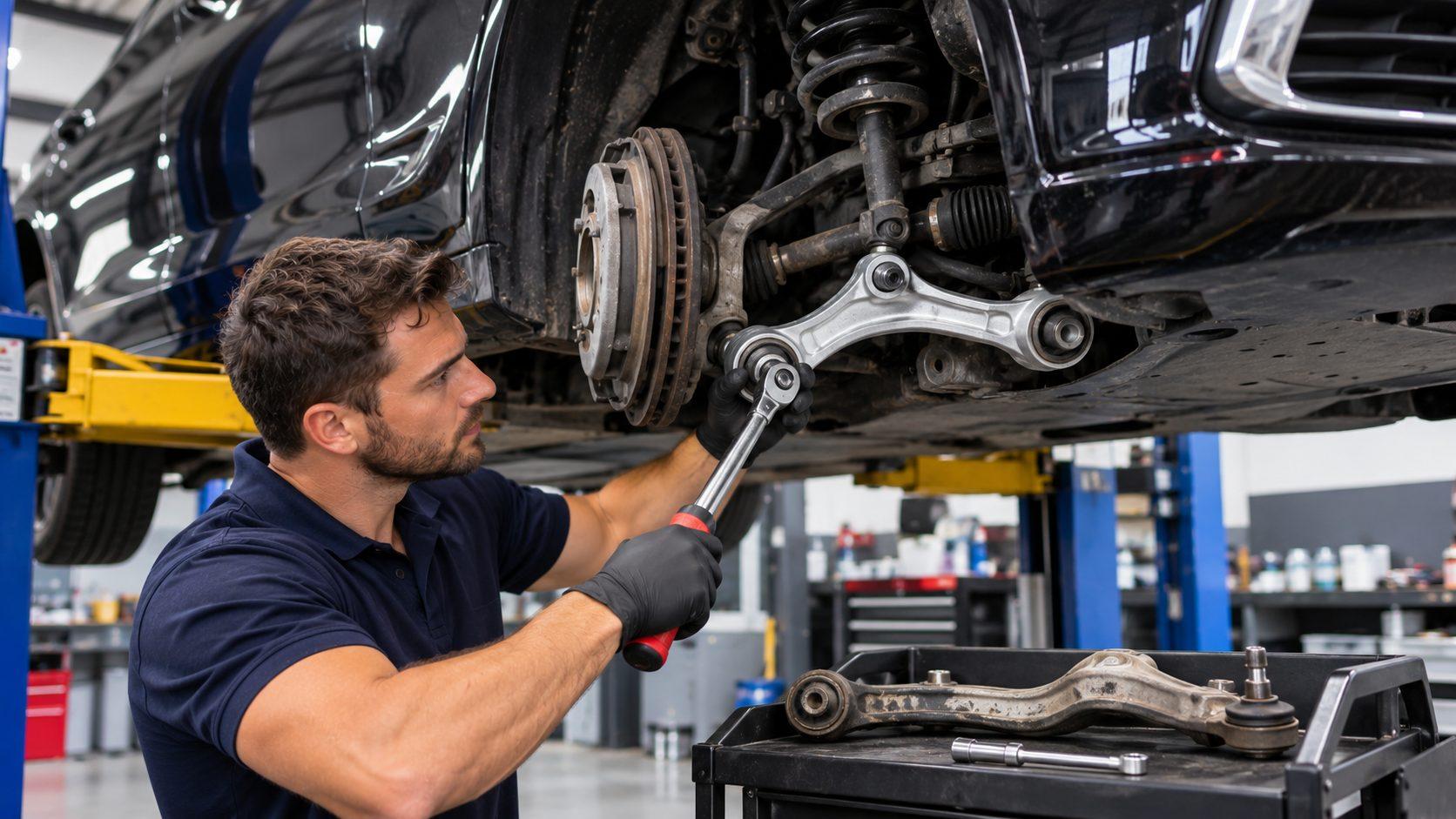
BMW, Audi, Mercedes-Benz and Volkswagen owners often assume a dealer is their only safe option once a dashboard warning appears. These vehicles do need accurate diagnostics, the right service procedures and technicians who understand their systems. However, that capability is not exclusive to dealerships.
A specialist independent workshop with suitable scan tools and experience can service and repair German vehicles while offering more personal communication and an alternative to dealer-level pricing. This is particularly valuable once the factory warranty has ended, when maintenance such as brakes, suspension, cooling components, electrical repairs and transmission servicing becomes a regular ownership consideration.
Before booking, ask whether the workshop works on your make regularly and whether it can diagnose the specific system involved. Modern vehicles rely heavily on electronic control modules, sensors and EFI systems, so guesswork is never a good repair strategy.
Roadworthy certificates are a separate decision
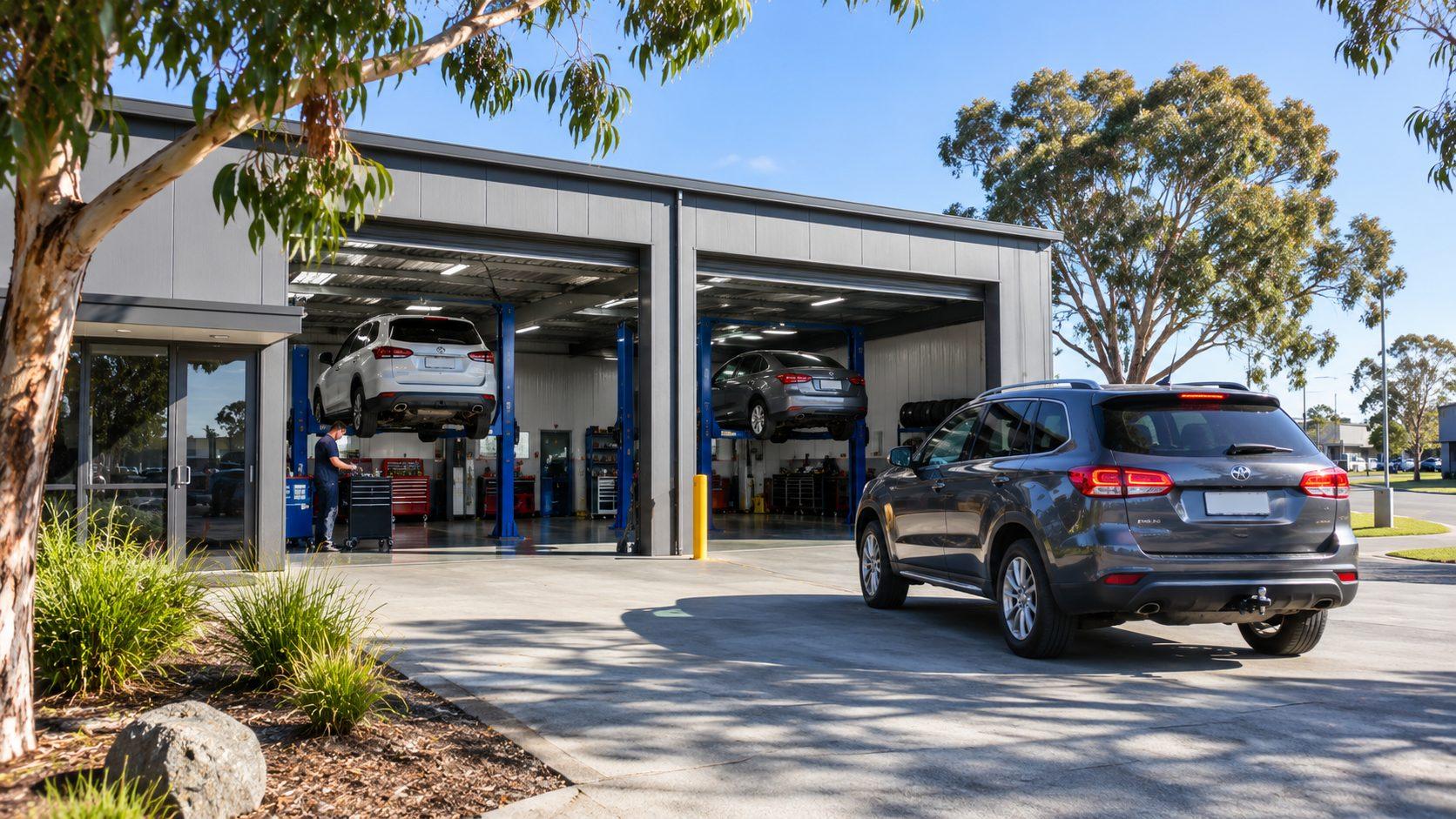
If you are selling a vehicle, transferring registration or re-registering it in Victoria, you may need a roadworthy certificate. A licensed roadworthy tester checks whether the vehicle meets the required minimum safety standards at the time of inspection.
A roadworthy certificate is not a full mechanical health report and does not mean every component is new or free from future wear. For a used-car buyer, a pre-purchase inspection is often the smarter extra step. It can look beyond basic roadworthiness and identify developing concerns with the engine, transmission, cooling system, suspension, tyres or electrical equipment before money changes hands.
Using a workshop that can complete both the inspection and any necessary repairs makes the process simpler, provided the recommendations are explained clearly and you receive a written quote.
How to choose a workshop with confidence

Rather than choosing solely on price or a familiar badge, look for evidence that the workshop takes responsibility for its work. Qualified technicians, clear estimates, diagnostic capability, appropriate parts and a workmanship guarantee are practical signs of a business that values long-term customers.
Ask how the fault will be diagnosed before parts are replaced. Ask whether the quotation includes labour, parts, fluids and any additional testing. If a workshop identifies several issues, ask which repairs are urgent, which should be monitored and which can be planned for later. Straight answers help you manage your budget without compromising safety.
For drivers around Geelong, Armstrong Creek Motors offers this balance of qualified mechanical care, transparent advice and personal service across routine maintenance, complex repairs and roadworthy inspections. The goal should be a workshop relationship where you understand what your car needs and why.
Your vehicle does not need dealership treatment for every job, and it should never receive cut-price guesswork either. Choose the workshop that can explain the work, stand behind it and keep your car safe and reliable for the kilometres ahead.
Was this article helpful?