

Summarise this article with AI
On this page · 6 sections
Key takeaways
- A tidy car and current registration don't show what's happening underneath it or inside the engine.
- The inspection covers the engine, transmission, brakes, suspension, electrics, fault codes and signs of previous damage.
- A roadworthy only checks minimum safety items on the day; it isn't a mechanical inspection.
- Book it before paying a deposit you can't get back, and use the report to negotiate or walk away.
Yes, before you pay for a used car: an independent inspection checks the engine, transmission, electrics and signs of previous damage, which a roadworthy certificate does not cover.
A used car can look excellent in a driveway, then reveal an expensive problem on the trip home. Fresh detailing, a quiet idle and a current registration are reassuring, but they do not tell you what is happening underneath the vehicle or inside the engine. A pre purchase car inspection Geelong buyers arrange before handing over money gives you an independent picture of the car’s safety, mechanical condition and likely repair needs.
For a few hundred dollars, an inspection can prevent a much larger bill for brakes, suspension, transmission work, tyres or an engine fault that was not obvious during a short test drive. Just as importantly, it gives you clear information to negotiate fairly or walk away without second-guessing yourself.
What a pre purchase inspection should look for
A worthwhile inspection is more than a quick look under the bonnet. The vehicle should be assessed methodically, with attention to the areas that affect safety, reliability and ownership costs. The findings need to be explained in plain language, so you understand what needs immediate attention, what can wait and what may make the car a poor buy.
Engine, cooling and fluid leaks
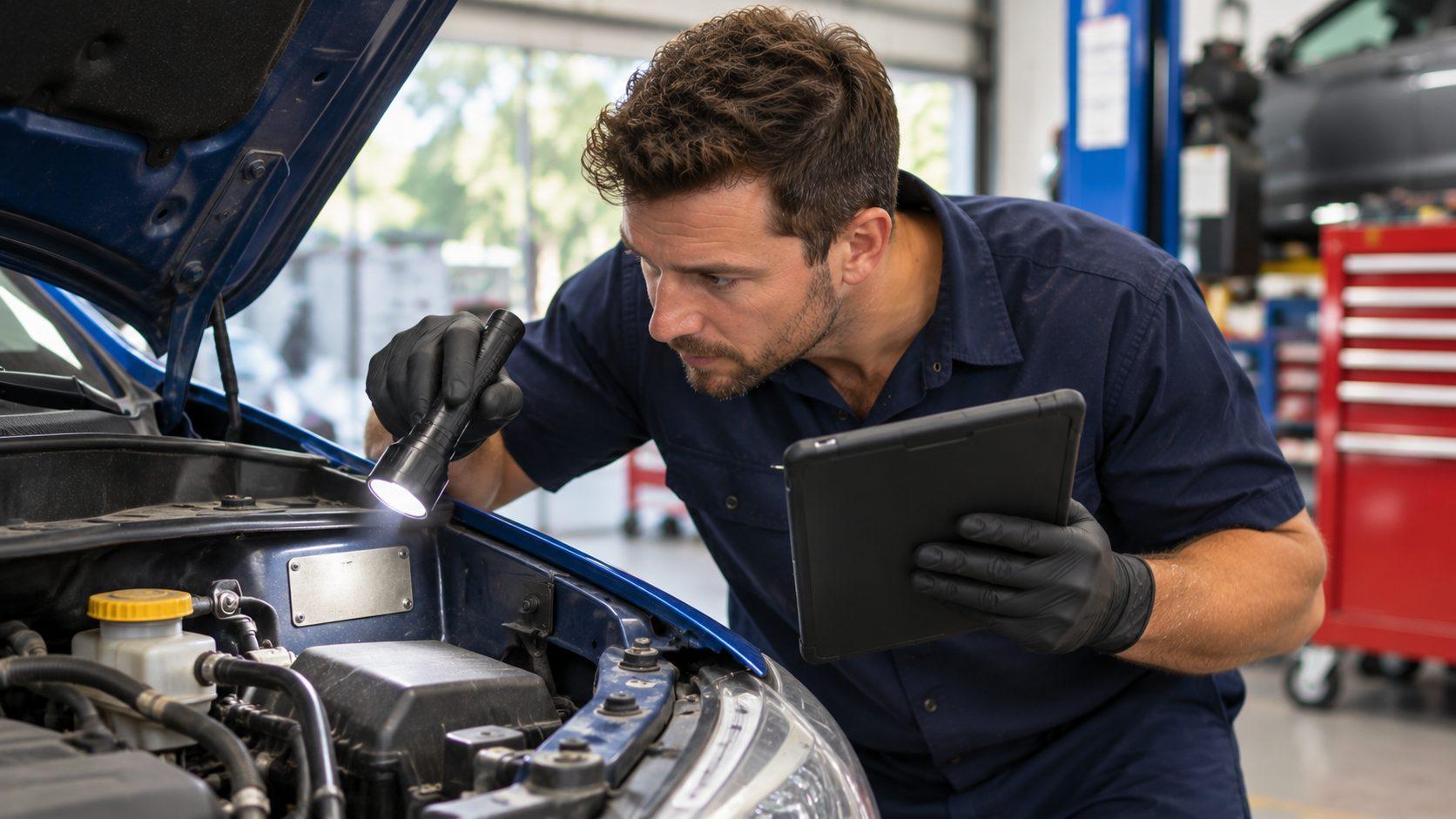
The engine bay can tell a detailed story when it is checked properly. A technician will look for oil leaks, coolant leaks, damaged hoses, worn belts, poor battery condition and signs of overheating. Low or contaminated fluids can point to neglected servicing, while fresh oil around the engine or gearbox may indicate an active leak rather than a recently completed repair.
The inspection should also consider starting performance, engine noise, warning lights and exhaust smoke. A car that starts cleanly and idles smoothly is encouraging, but it is not a complete answer. Some faults appear only once the engine is warm or under load on the road.
Transmission, clutch and driveline
Manual vehicles need a clutch that engages smoothly, without slipping, shuddering or excessive pedal travel. Automatic transmissions should change gears cleanly and consistently, without harsh shifts, delays or flaring through the revs. These are not minor concerns. Transmission and clutch repairs can quickly change the real cost of a used car.
A road test may also reveal noises or vibration from CV joints, wheel bearings, differentials and driveline components. If the seller has described a noise as normal, it is worth having that statement checked. Some noises are harmless, while others indicate a repair that should be priced into the purchase decision.
Brakes, tyres, steering and suspension
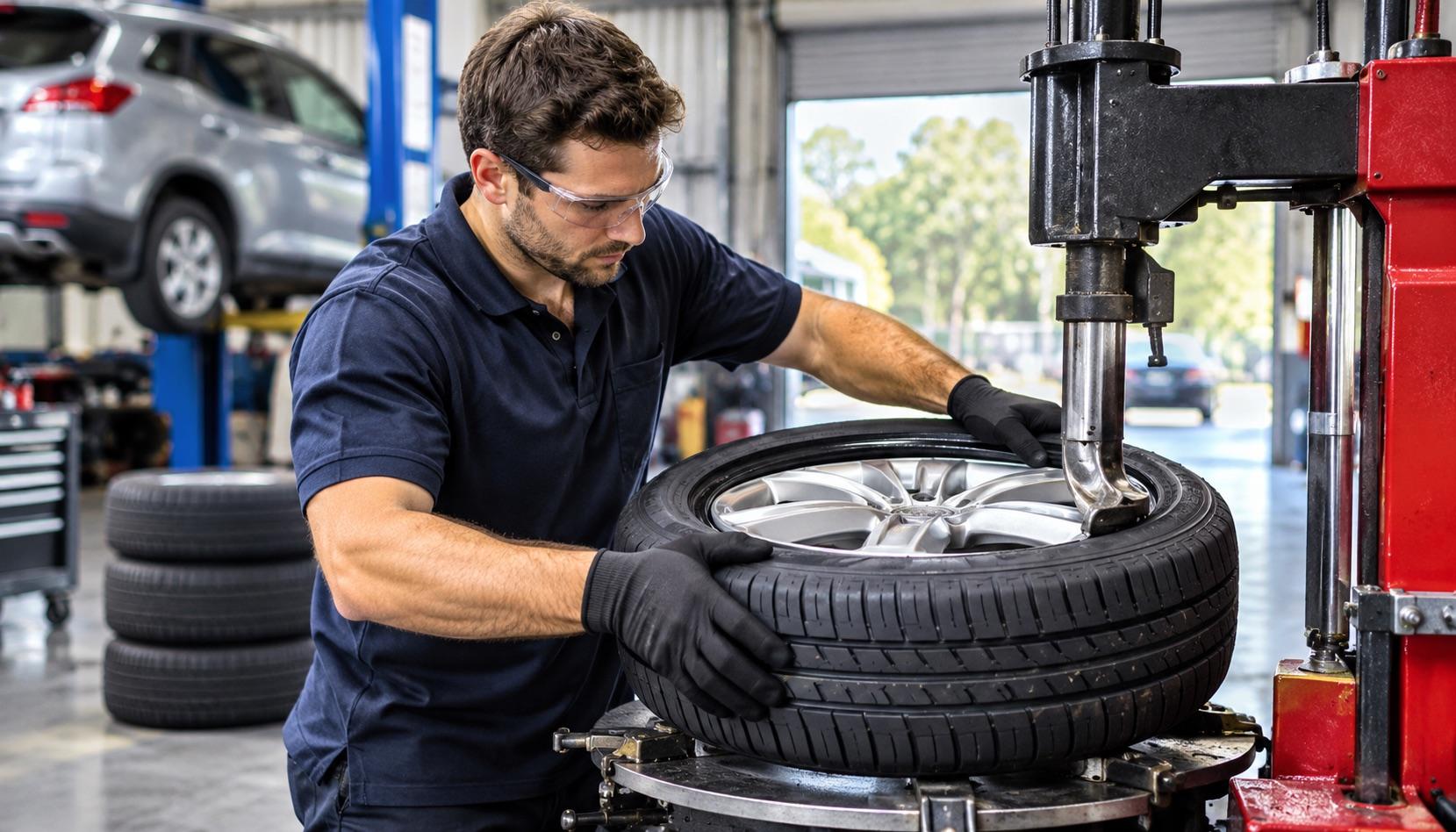
These systems matter every time you drive, especially in wet conditions, on the highway or with children in the car. Brake pads, discs, hoses and brake operation should be assessed, along with tyre tread depth, uneven tyre wear and tyre age. Uneven wear can be a simple wheel-alignment issue, but it can also suggest worn suspension or steering components.
The inspection should check for worn shocks, bushes, ball joints and mounts, as well as steering play and wheel-bearing noise. A vehicle can still feel reasonably comfortable on a short drive with worn suspension, yet handle poorly in an emergency stop or need significant work soon after purchase.
Electrical systems and diagnostics
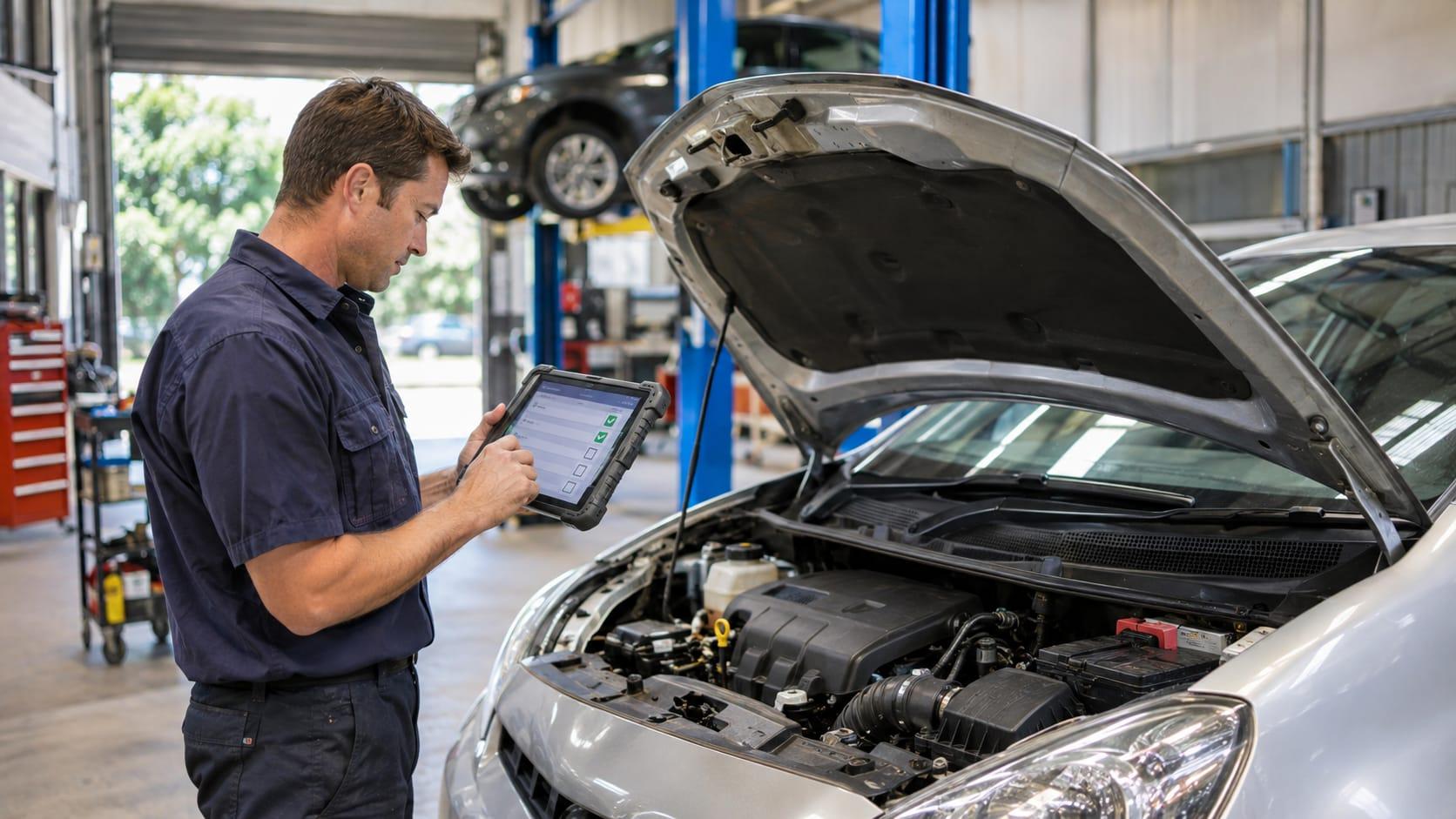
Modern cars rely heavily on electronics. Warning lights that disappear after starting do not always mean there are no stored fault codes. Diagnostic scanning can identify issues relating to the engine, EFI system, transmission, ABS, airbags and other modules.
Electrical checks may include the battery, charging system, lights, wipers, power windows, central locking, air conditioning and infotainment functions. Air conditioning repairs, electrical fault finding and replacement modules can be costly, particularly where a fault has been ignored for some time.
For BMW, Audi, Mercedes-Benz and Volkswagen vehicles, specialist diagnostic capability is particularly valuable. European cars can be excellent to own when maintained properly, but their service history, electronic systems and repair requirements deserve closer attention than a quick visual check can provide.
Body, underbody and previous damage
A tidy exterior does not guarantee a clean history. An inspection can identify inconsistent panel gaps, paint differences, corrosion, underbody damage and signs of previous repairs. Not every repaired panel is a reason to reject a car, but the quality and location of repairs matter.
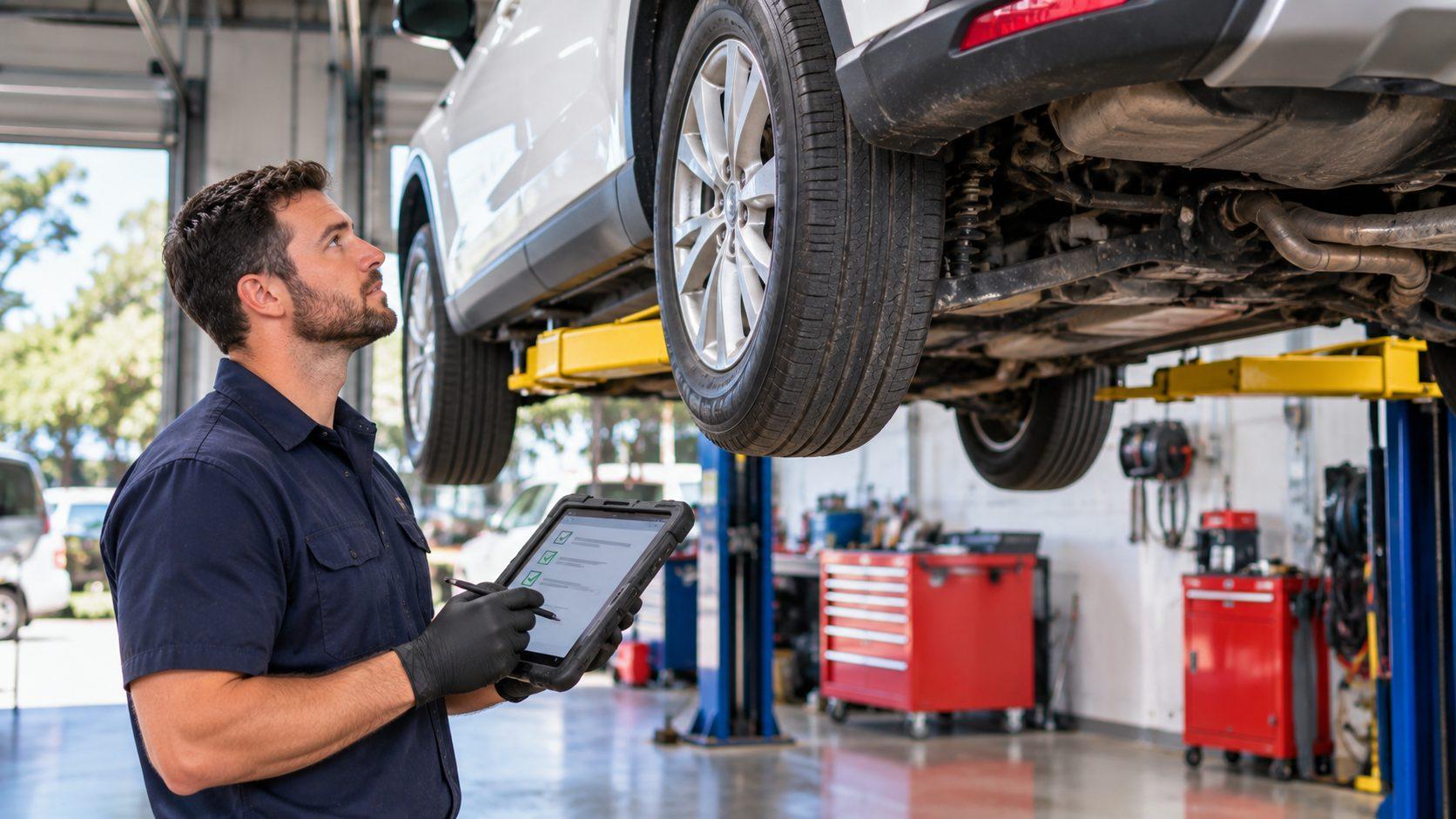
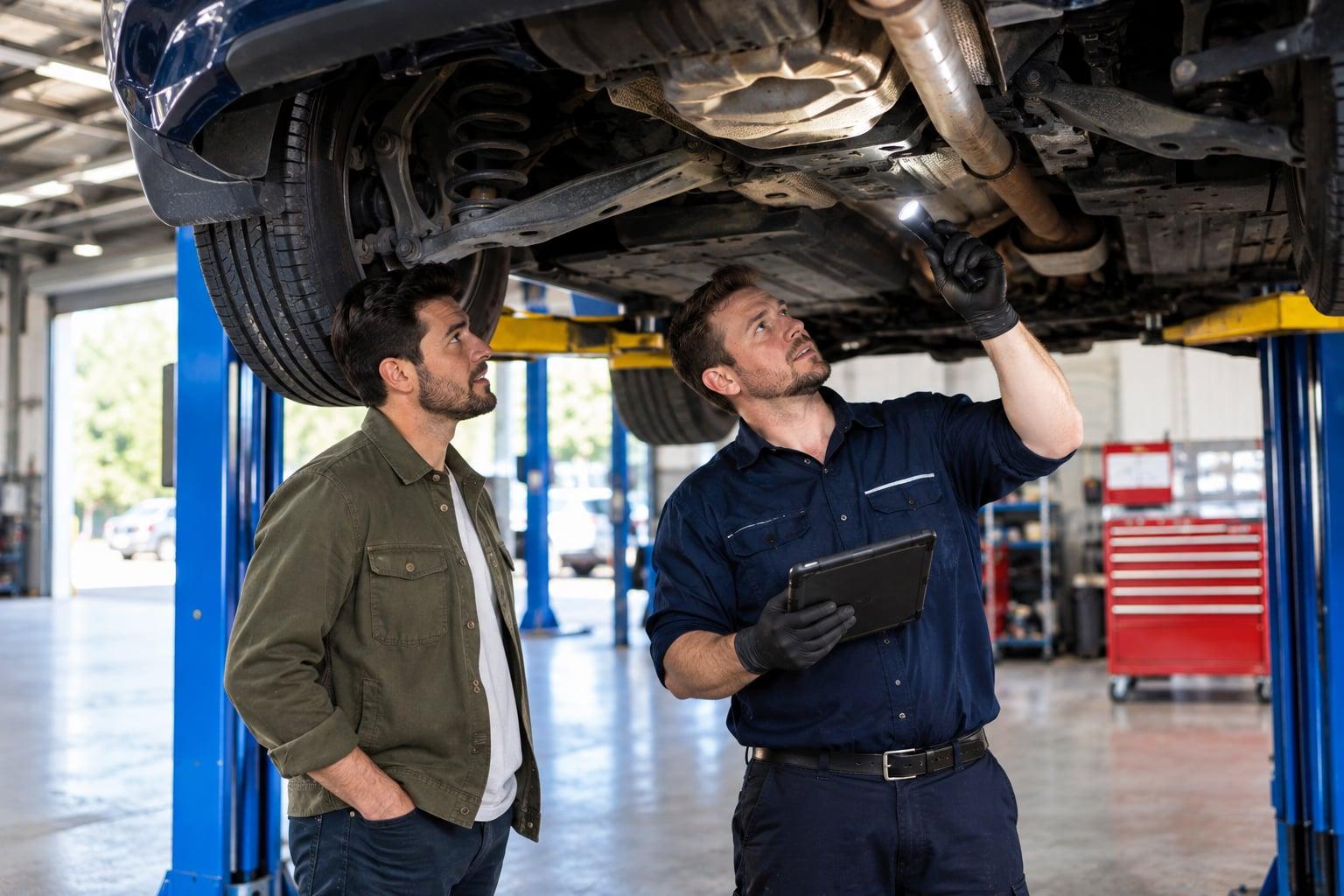
Underneath the vehicle, a technician can check for oil leaks, damaged exhaust components, rust, bent brackets and evidence of impacts. This is especially useful for cars that have travelled on rural roads, been used for towing or spent time near the coast.
Why a roadworthy certificate is not enough
In Victoria, a roadworthy certificate is important when a vehicle is sold, re-registered or transferred in certain circumstances (Transport Victoria). However, it is not a full mechanical inspection or a promise that the car will provide trouble-free motoring.
A roadworthy assessment focuses on whether key safety-related items meet minimum standards at the time of inspection. It does not necessarily assess engine health, transmission condition, future reliability, service history, fuel-system faults or every possible electrical issue. A vehicle can be roadworthy and still need expensive repairs shortly after purchase. The ACCC's December 2025 report on consumer issues in the sale of second-hand cars highlights the supply of poor-quality used cars and the difficulty buyers have getting the remedies they are entitled to, which is exactly the risk an inspection reduces.
Think of a roadworthy certificate as a safety and compliance checkpoint. A pre-purchase inspection is a buying decision tool. Both have a place, but they answer different questions.
When to book the inspection
The best time is after you have seen the vehicle, checked that it broadly suits your needs and agreed with the seller that an independent inspection is part of your process. Book it before paying a deposit that you cannot recover, signing finance documents or arranging insurance.
Private sellers should be comfortable with a reasonable request for an independent assessment. A dealer may offer a warranty or their own inspection report, but an independent check can still be worthwhile, particularly on an older vehicle or one with higher kilometres. If a seller refuses to allow an inspection or creates unnecessary pressure to pay first, treat that as useful information.
If the car is located some distance away, ask whether the seller can bring it to the workshop. Where that is not practical, discuss inspection options before travelling. It is better to clarify the process upfront than to make a rushed decision in a stranger’s driveway.
What to bring and what to ask the seller
Bring the advertisement, the vehicle identification number, service books and any invoices the seller can provide. Service records do not guarantee a car is fault-free, but regular servicing and documented repairs help build a clearer picture of how it has been treated.
Ask the seller about recent repairs, known faults, accident history, towing use and how long they have owned the vehicle. Also check whether there are two keys, whether accessories work and whether any warning lights have appeared recently. Straight answers and paperwork are positive signs, but they should still be verified where possible.
It is also sensible to carry out your own checks before purchase. Confirm that the VIN on the vehicle matches the paperwork, check for finance owing through the appropriate government register and make sure the person selling the car is entitled to sell it. A mechanical inspection cannot replace these ownership and history checks.
Using the report to make a fair decision
The purpose of an inspection is not to find a perfect used car. Almost every used vehicle will have some wear, whether that is ageing tyres, minor oil seepage, brake pads approaching replacement or a service due soon. What matters is the scale of the work, how urgently it is needed and whether the asking price reflects it.
A clear report lets you separate normal maintenance from serious risk. If the car needs tyres and a routine service, you may be able to negotiate a sensible adjustment and proceed with confidence. If it has overheating signs, major gearbox concerns, structural damage or multiple unresolved warning lights, walking away may be the cheaper choice.
Ask for estimated repair priorities, rather than expecting a single pass-or-fail verdict. This helps you budget realistically for the first year of ownership. It also keeps the discussion with the seller factual instead of emotional.
Book a pre purchase car inspection in Geelong
At Armstrong Creek Motors, the focus is on honest advice, qualified workmanship and clear explanations. A pre-purchase inspection is designed to give local buyers practical information without jargon, pressure or surprises after the sale.
Buying a used car always involves some judgement, but it should not be a blind gamble. Give yourself time to have the vehicle checked properly, listen to the findings and choose the car that makes sense for your budget as well as your driveway.
See all of our inspections and roadworthy certificates, or book a pre-purchase inspection.
Was this article helpful?