

Summarise this article with AI
On this page · 4 sections
Key takeaways
- Check lights, tyres, brakes, windscreen, wipers, seatbelts and the horn yourself before you book.
- A roadworthy is a safety check on the day, not a full mechanical report or a guarantee against future faults.
- Book the inspection before you advertise the car, so there is time for parts and repairs.
- Tell the tester about known faults upfront; it saves time and gets you clearer advice.
- If the car does not pass, the report lists what needs fixing, and many items are simple repairs.
Deal with the obvious safety items early: check the lights, tyres, brakes, windscreen, wipers and seatbelts yourself, then book with enough time for any repairs.
Selling a car, transferring registration or bringing a vehicle back onto Victorian roads can become stressful when a roadworthy certificate is left until the last minute. The best way to prepare for a roadworthy inspection is to deal with obvious safety issues early, understand what the inspection covers and allow time for any necessary repairs.
A roadworthy inspection is not a full mechanical health report or a guarantee that a vehicle will remain fault-free. It is a safety check based on the vehicle’s condition on the day. That distinction matters. A car can be roadworthy while still having maintenance needs, and a well-running car can fail if a safety-related item such as a tyre, brake light or windscreen needs attention.
What a Victorian roadworthy inspection checks
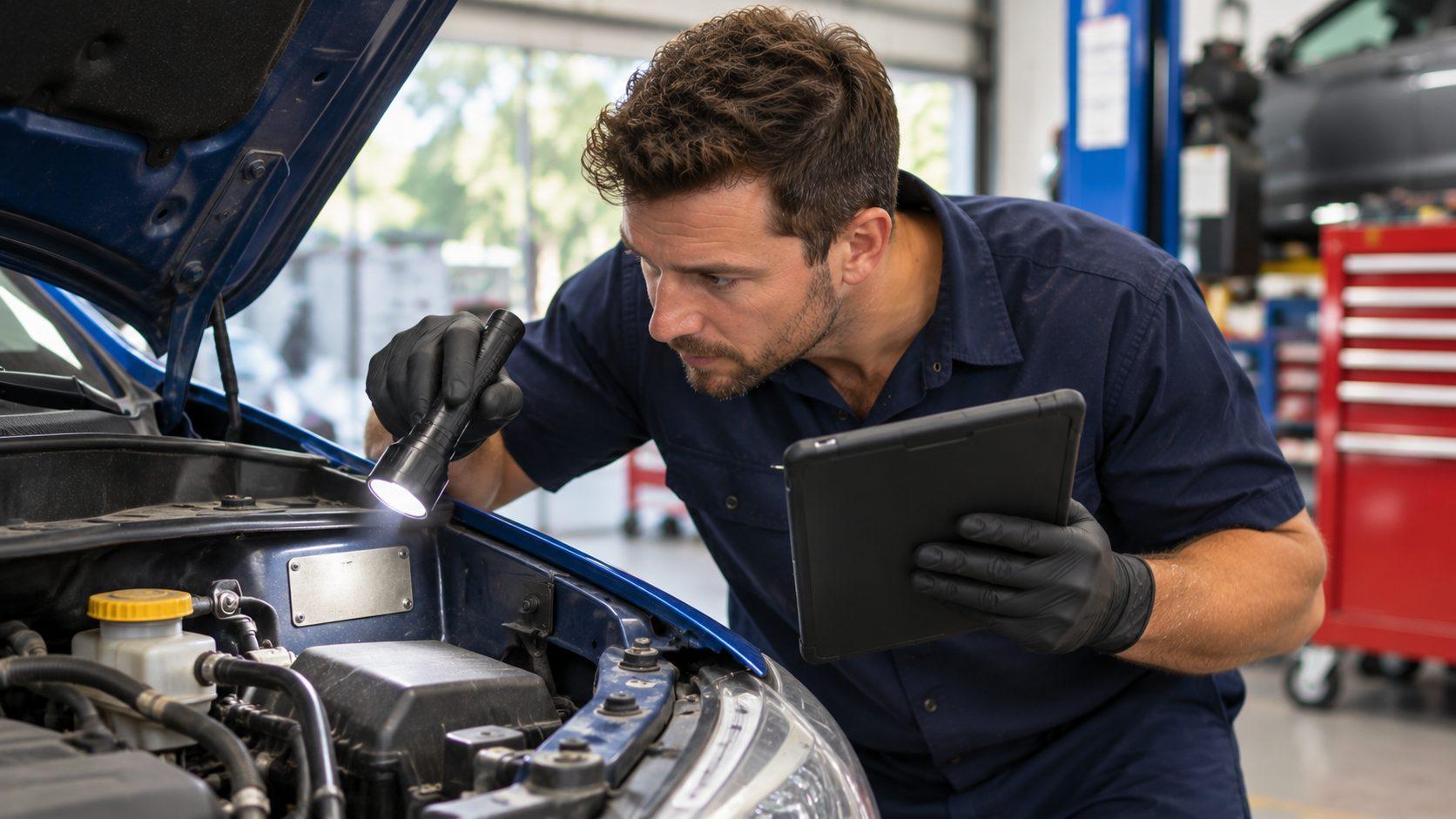
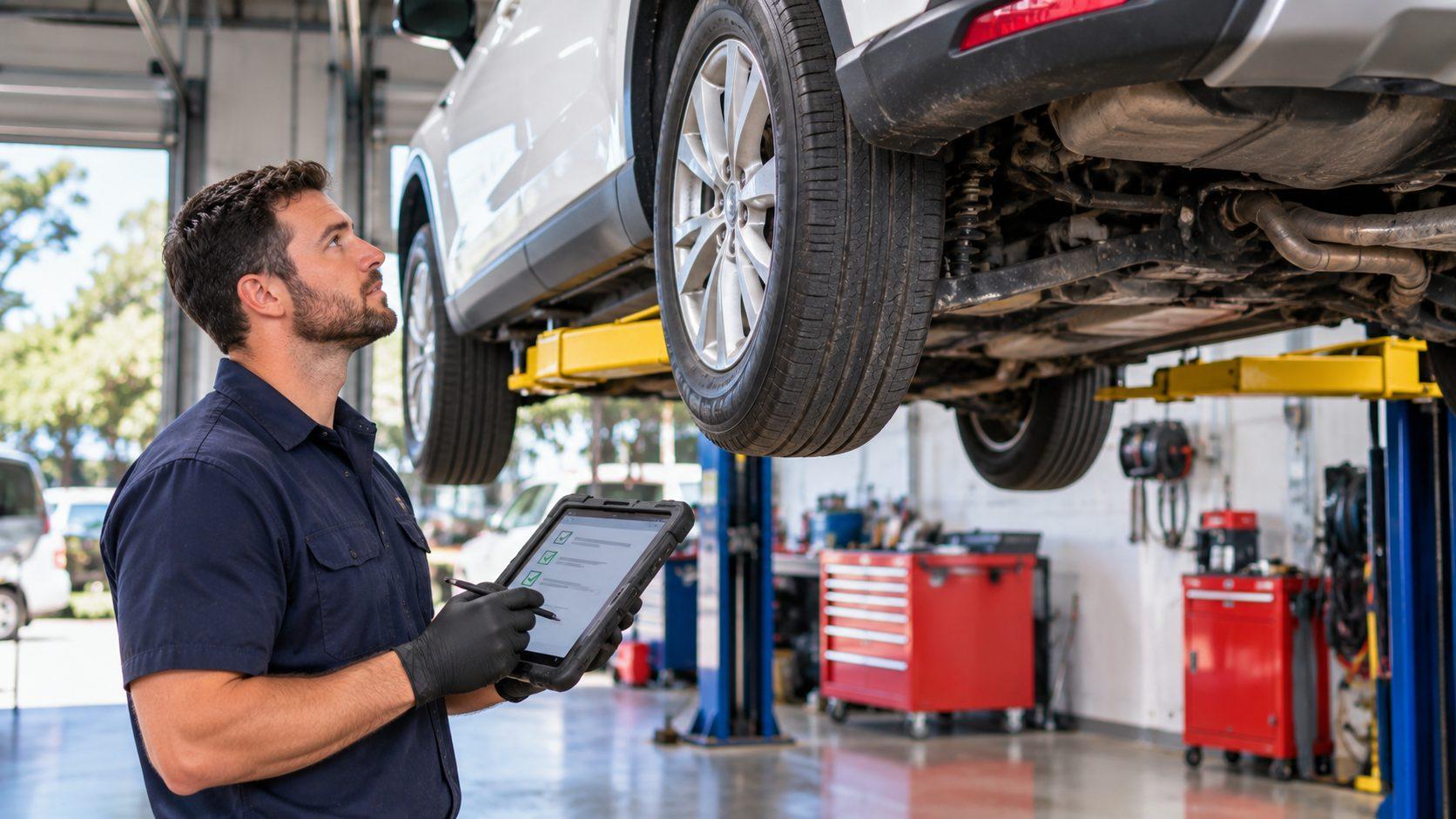
A licensed roadworthy tester examines the key safety components that affect how safely your vehicle can be driven on public roads. This generally includes tyres and wheels, brakes, steering, suspension, lights, windscreen and wipers, seats and seatbelts, body condition, exhaust and visible safety-related faults. Our guide to what is checked in a roadworthy inspection covers each area in more detail.
The inspection also checks that the vehicle identification details are correct and that there are no clear defects likely to put the driver, passengers or other road users at risk. It is particularly relevant when selling a used vehicle, re-registering an unregistered vehicle or clearing a defect notice.
It does not replace a pre-purchase inspection, logbook service or diagnostic assessment. For example, an air conditioning issue, an intermittent electrical fault or worn internal engine component may not make a car unroadworthy, but could still be expensive to repair. Buyers should consider both a roadworthy certificate and a separate pre-purchase inspection where they want a clearer picture of the car’s overall condition.
Prepare for a roadworthy inspection before you book
A quick walk-around can identify the small issues that commonly hold up a certificate. It is worth checking your vehicle in daylight and taking a few minutes to operate the main controls. This is not about trying to hide problems. It is about finding straightforward repairs before your appointment, when you have more choice over timing and cost.
Check every exterior light
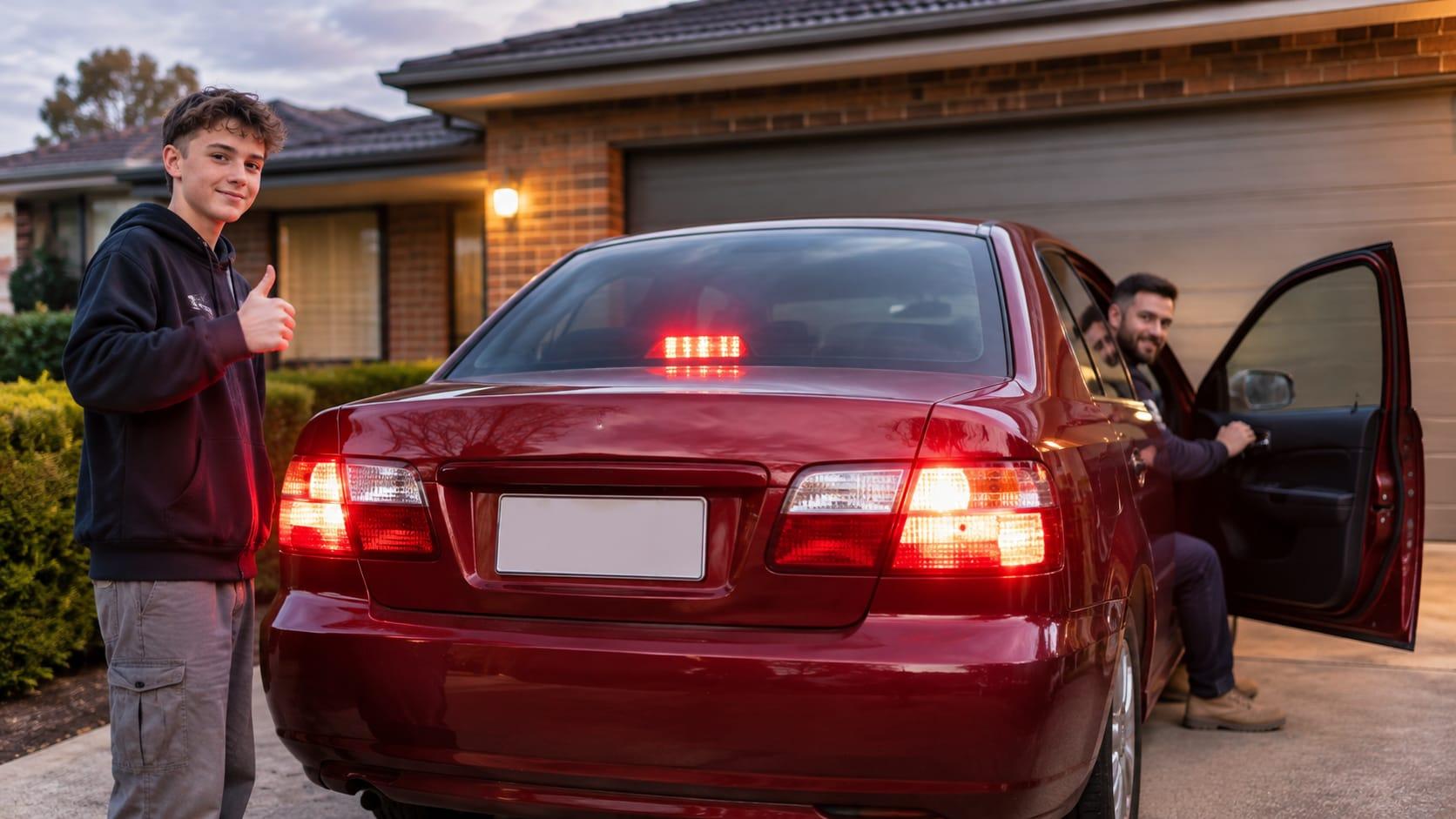
Ask someone to stand behind the vehicle while you test the brake lights, indicators, reverse lights and number plate light. Check the headlights on low and high beam, along with front and rear park lights, hazard lights and fog lights if fitted. A blown globe may be simple, but moisture inside a lamp, a damaged lens or an electrical fault may need closer attention.
Make sure the lenses are secure, clearly visible and the correct colour. If warning lights are showing on the dash, do not assume they are harmless. Airbag, ABS, brake and engine warning lights can point to faults that require diagnosis before the inspection.
Look closely at tyres and wheels
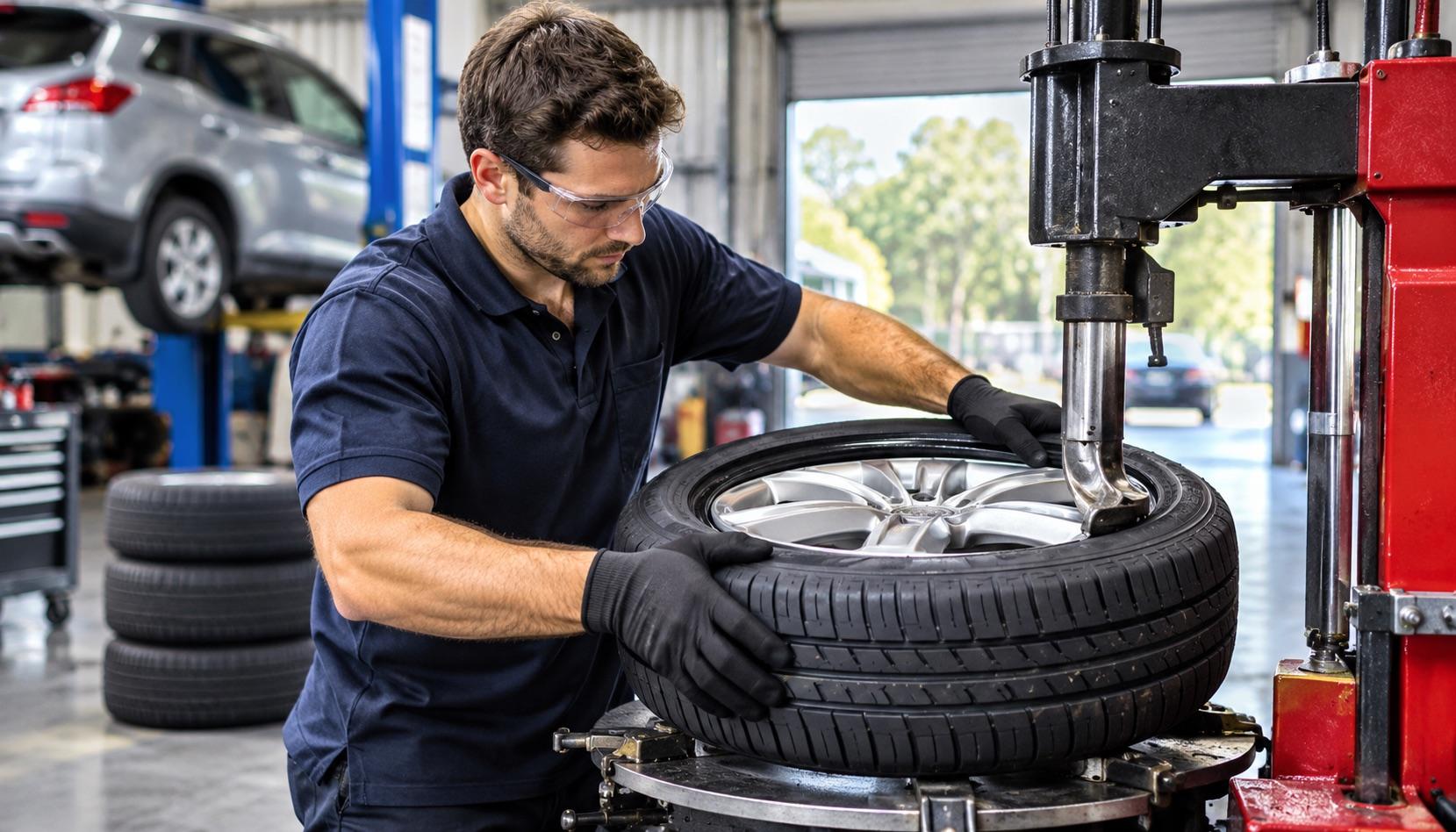
Tyres are one of the most visible safety items and a frequent cause of delays. Check for adequate tread across the tyre, uneven wear, cracking, bulges, punctures and cords showing through. Also make sure tyres match the vehicle’s required specifications and are inflated to sensible pressures. Our guide on when to replace worn tyres explains how to read tread depth and wear patterns.
Uneven wear on one edge can be a sign of wheel alignment, steering or suspension wear. Replacing the tyre alone may get the vehicle moving again, but it will not fix the cause. A workshop can assess whether worn shock absorbers, bushes, ball joints or alignment settings are affecting tyre life.
Check that wheel nuts are present and that aftermarket wheels or tyres do not foul on bodywork or suspension components. Modifications can be acceptable in some cases, but they still need to comply with Victorian requirements.
Test brakes, steering and suspension feel
On a safe, quiet drive, pay attention to how the vehicle stops and tracks. The brake pedal should not feel excessively soft, sink towards the floor or cause the car to pull sharply to one side. Grinding, squealing, vibration through the pedal or steering wheel, and a brake warning light all deserve attention.
Listen for knocking over bumps and notice whether the vehicle wanders, shudders or sits unevenly. These symptoms can be linked to worn suspension components, steering joints, wheel bearings or brake issues. They are not always obvious from the driver’s seat, which is why a professional check is worthwhile if anything feels different.
Do not leave brake repairs to the day before a sale. Depending on the fault, the vehicle may need pads and rotors, a calliper repair, brake hose replacement or further diagnosis. Allowing time means you can make an informed decision rather than rushing into repairs.
Inspect the windscreen, wipers and washers
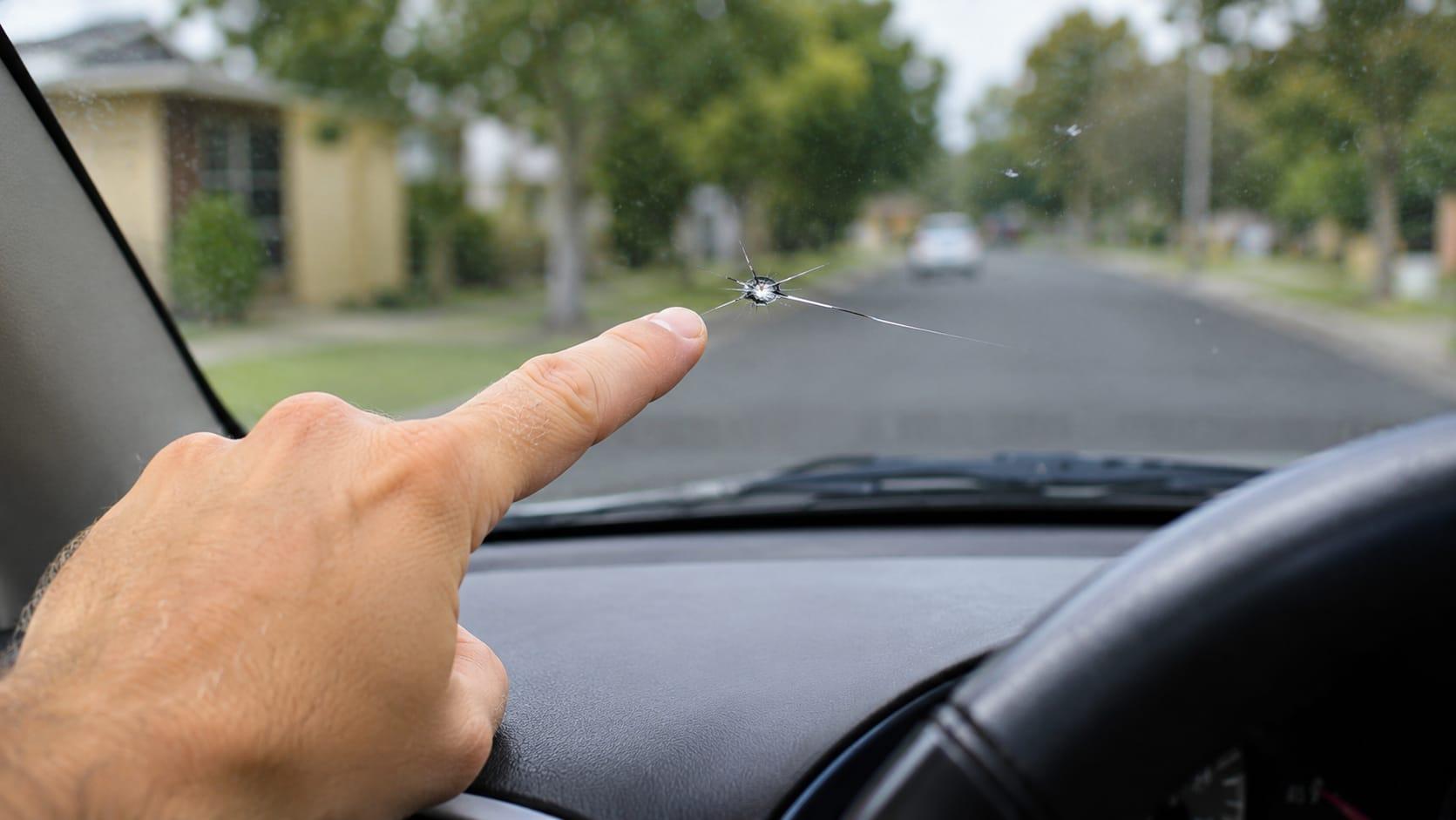
Your windscreen needs to give the driver a clear view of the road. Look for cracks, chips and damage in the driver’s critical viewing area, as well as loose or deteriorated rubber seals. The impact of a chip depends on its size and position, so it is best to have questionable damage assessed rather than guessing.
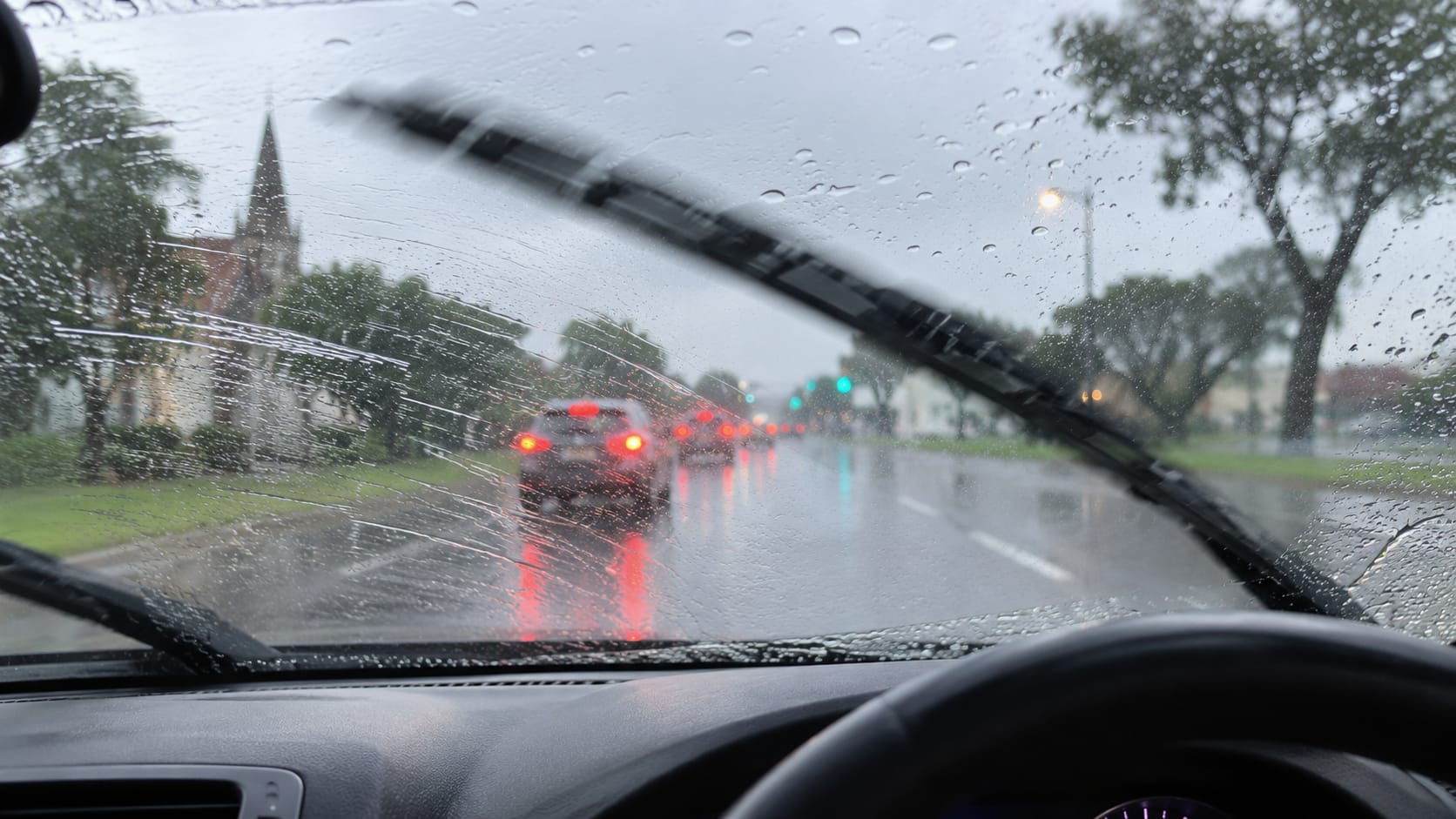
Operate the wipers and washers. Wiper blades should clear the glass effectively without smearing, splitting or leaving large missed sections. Confirm the washer bottle has fluid and the jets work properly. These are small checks, but they are essential in Geelong’s wet, low-light winter conditions.
Check doors, seats, seatbelts and the horn
Open and close each door, including the boot or tailgate. Doors should latch securely, and the driver’s door must be able to be opened from inside. Check that seats are secure on their runners and that seatbelts extend, retract and buckle correctly without fraying or damage.
Press the horn, inspect rear-view mirrors for secure mounting and make sure the vehicle does not have loose interior trim that could create a safety risk. Child restraints are not the central focus of every inspection, but any fitted anchorages should be secure and undamaged.
Look underneath and around the body
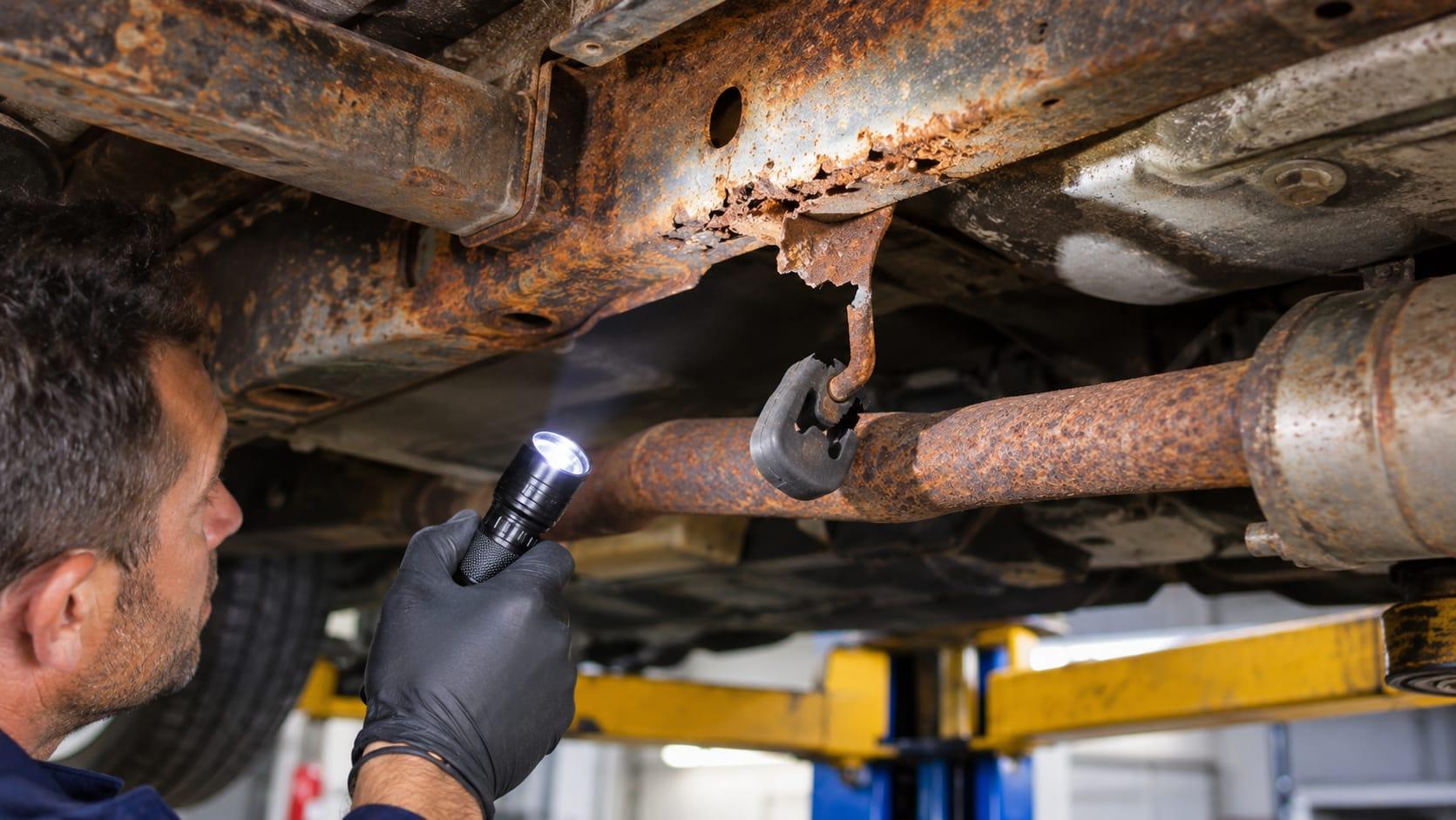
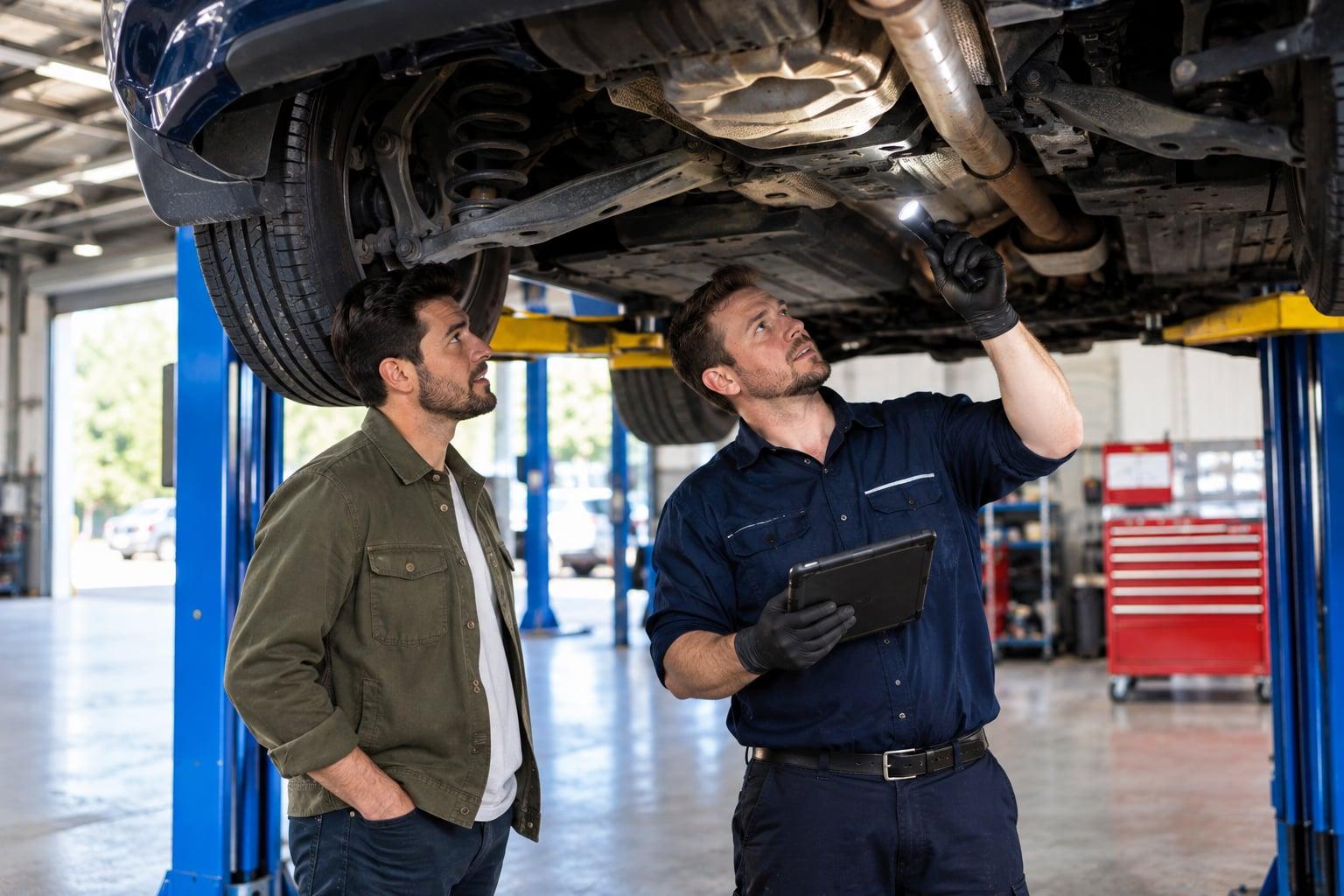
You do not need to crawl under the vehicle, but you should look for obvious signs of trouble. Fresh oil, coolant, fuel or brake-fluid leaks on the driveway should be investigated. Check for a loose or noisy exhaust, major rust around structural areas, sharp body damage and bumpers or guards that are not properly secured.
A tidy car is not automatically a roadworthy car, but removing rubbish from the cabin and boot helps provide access to seatbelts, spare wheel areas and vehicle identification labels. It also makes the process easier for the tester and helps you present the vehicle properly to a potential buyer.
Bring the right details and be open about faults

Bring the vehicle to the appointment with its number plates fitted, unless the workshop has advised otherwise. Have any relevant paperwork ready, particularly if there are modifications, recent repairs or questions about the vehicle’s history. If you know about a fault, mention it upfront.
Clear information saves time. A technician can focus the inspection and explain whether a concern is likely to affect the certificate, needs a repair now or should simply be monitored as part of normal maintenance. Honest advice is more useful than an unexpected list after the inspection has started.
If your car does not pass, do not panic. The report should identify the items requiring attention. In many cases, the solution is straightforward, such as replacing a globe, repairing wipers, fitting tyres or addressing brake wear. More involved faults may need a proper quotation and a discussion about the most sensible repair path for the vehicle’s age and value.
Avoid the false economy of a rushed inspection
Some owners wait until a buyer is ready to collect the car before booking. That can create pressure if repairs are needed, especially when parts must be ordered or a specialist diagnosis is required. Booking a check before advertising gives you time to repair the vehicle, adjust the sale price if appropriate and deal with the process fairly.
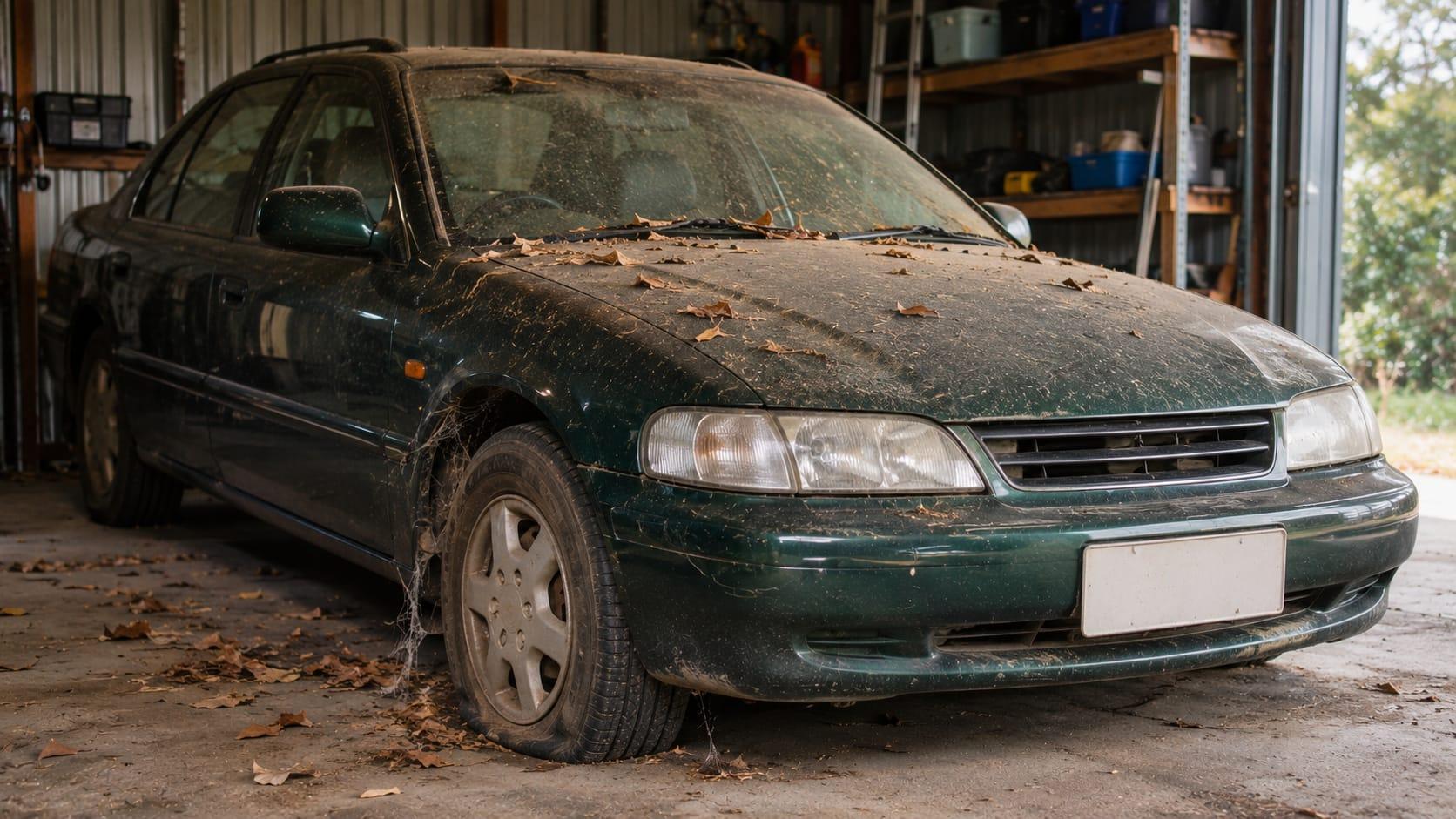
The same applies to vehicles that have been parked for months. Flat batteries, seized brakes, perished tyres and rodent damage can appear even when the car was running well before it was stored. A short drive is useful, but it is not a substitute for inspecting the safety systems carefully.
For owners around Armstrong Creek, Grovedale and the wider Geelong area, a licensed workshop can inspect the vehicle, explain any defects in plain language and carry out approved repairs where needed. Armstrong Creek Motors provides roadworthy inspections alongside mechanical repairs, so you can deal with the certificate and any genuine safety work in one practical process.
Give yourself time, check the basics honestly and book your inspection before a deadline becomes a problem. That is the simplest way to keep the roadworthy process clear, fair and manageable.
Was this article helpful?