

Summarise this article with AI
On this page · 6 sections
Key takeaways
- Victoria's legal minimum tread depth is 1.5 mm, but grip in the wet drops well before that.
- When the tread is level with the wear indicator bars, the tyre needs replacing.
- Uneven wear points to alignment, pressure or suspension problems, so fix the cause as well as the tyre.
- A bulge, exposed cords or a deep sidewall cut means the tyre needs replacing now.
When the tread is level with the wear indicator bars, or sooner: Victoria's legal minimum is 1.5 mm, but wet-weather grip drops well before that.
The difference between a tyre that looks a little tired and one that is unsafe can become very clear in one wet stop at a roundabout. Worn tyres have less tread to move water away from the road, less grip when braking and cornering, and less margin for error when conditions change. For drivers around Geelong, where a dry commute can quickly turn into a wet afternoon run, checking tyre condition is practical safety maintenance, not a cosmetic extra.
Tyres also affect more than how a car feels on the road. Their condition can influence fuel use, steering response, suspension wear and whether a vehicle meets roadworthy requirements. The good news is that most tyre problems give warning signs before they become urgent, provided you know what to look for.
Why worn tyres change how your vehicle behaves
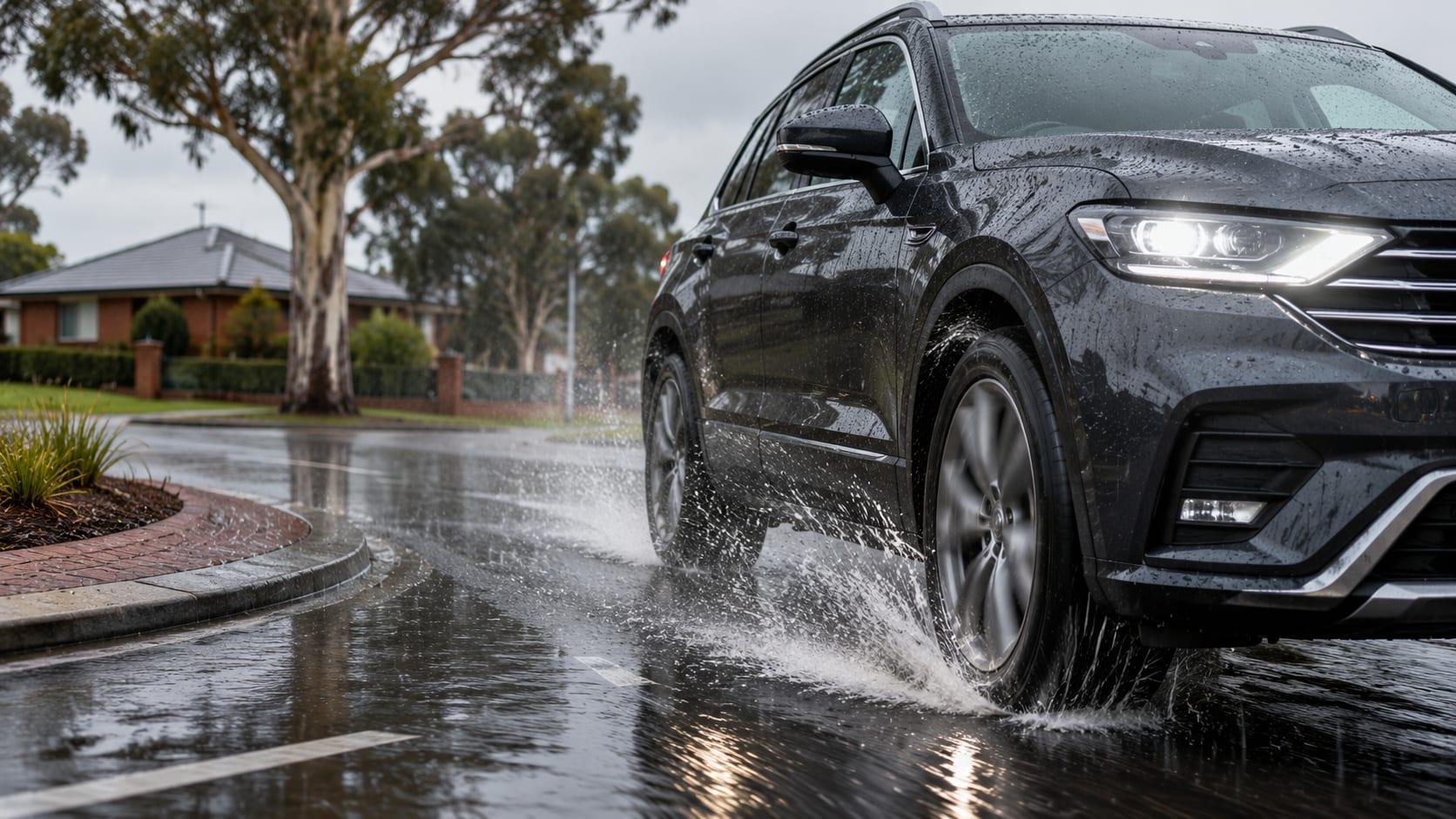
Tread is designed to create grip and channel water through grooves as the tyre rolls. As it wears down, the tyre has less ability to clear water. This raises the risk of aquaplaning, where the tyre loses contact with the road surface and the vehicle can feel as though it is skating.
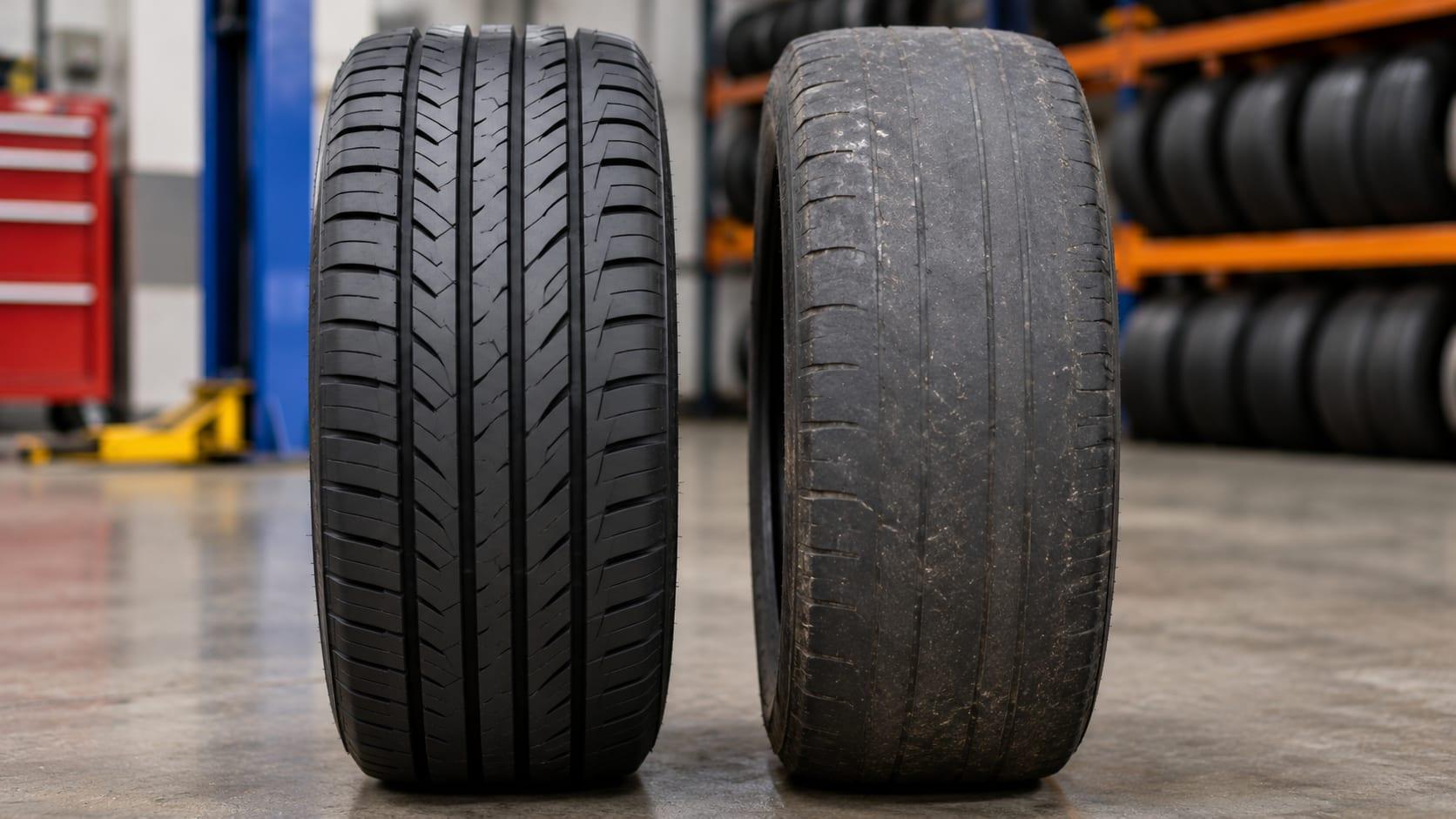
Stopping distances can increase too. On a dry road, a worn tyre may still feel acceptable during gentle driving, which is why the issue is easy to overlook. In heavy rain, during an emergency stop or on a greasy road after the first shower, its limitations show up much sooner.
Worn tyres can also make steering feel vague or cause the car to wander in ruts and standing water. If you notice vibration through the steering wheel, a pull to one side, or a change in road noise, do not assume the tyre is simply old. These symptoms can point to uneven wear, wheel alignment issues, damaged suspension components or a wheel balance concern.
How to spot worn tyres before they cause trouble
A quick visual check takes only a few minutes. Turn the front wheels to make the tread easier to see, then inspect all four tyres, including the inner and outer edges. The rear tyres matter just as much, even though they are often harder to notice day to day.
Check the tread wear indicators
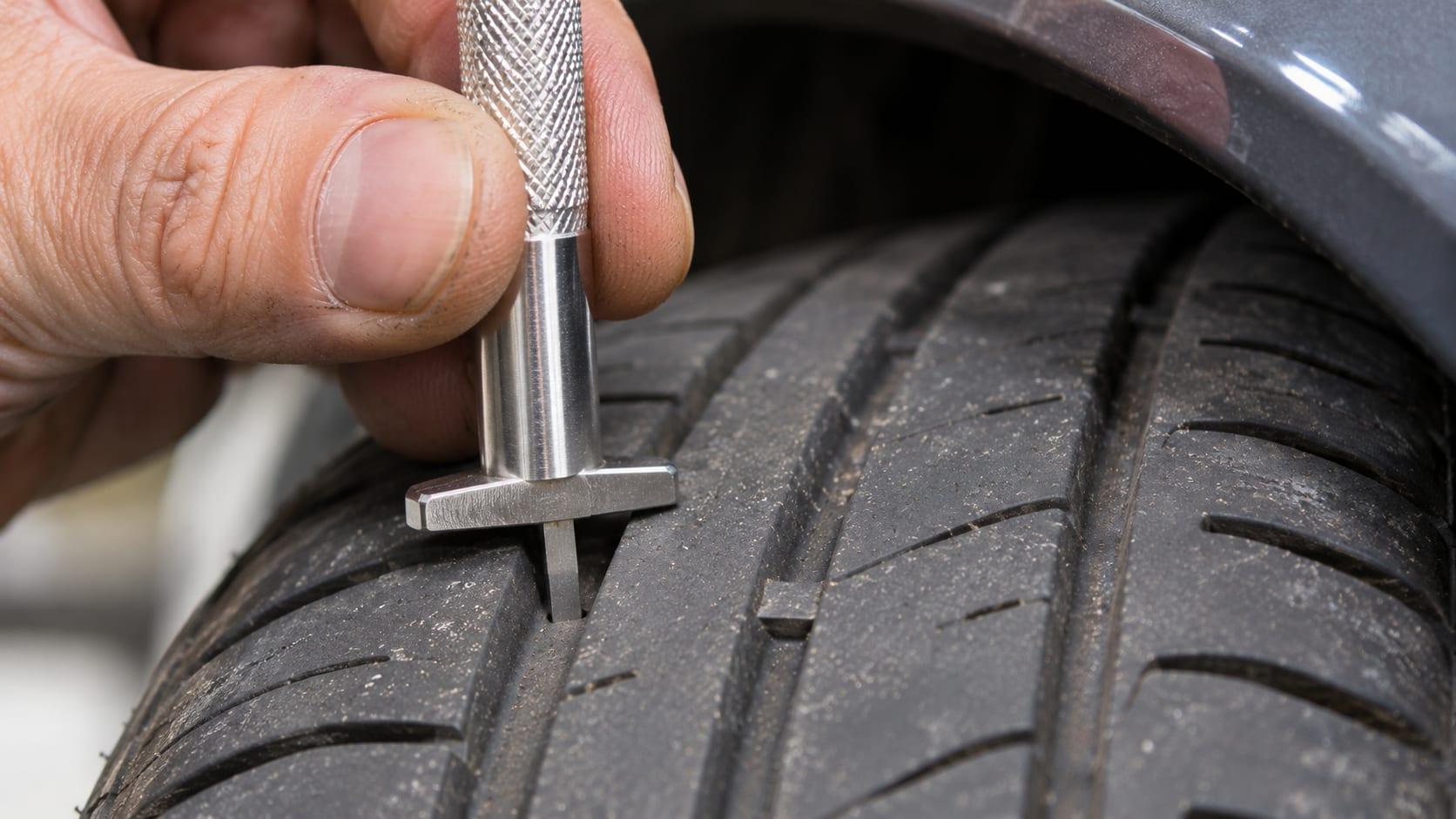
Most tyres have small raised bars built into the main tread grooves. These are tread wear indicators. When the surrounding tread is level with the bars, the tyre has reached its wear limit and needs replacing.
In Victoria, tyres must have a minimum tread depth of 1.5 mm in the main grooves to meet roadworthy standards (Transport Victoria, VSI 26). That is a legal minimum, not a recommended target for getting the best wet-weather performance. Replacing tyres before they reach that point gives you a safer buffer, particularly if the vehicle regularly carries children, travels on highways or is driven in wet conditions.
A tread-depth gauge is the clearest way to check. The old 20-cent coin method can offer a rough indication, but it is not accurate enough to make a replacement decision. A workshop inspection will measure the tread across the tyre and identify wear that is not obvious at a glance.
Look for uneven wear patterns
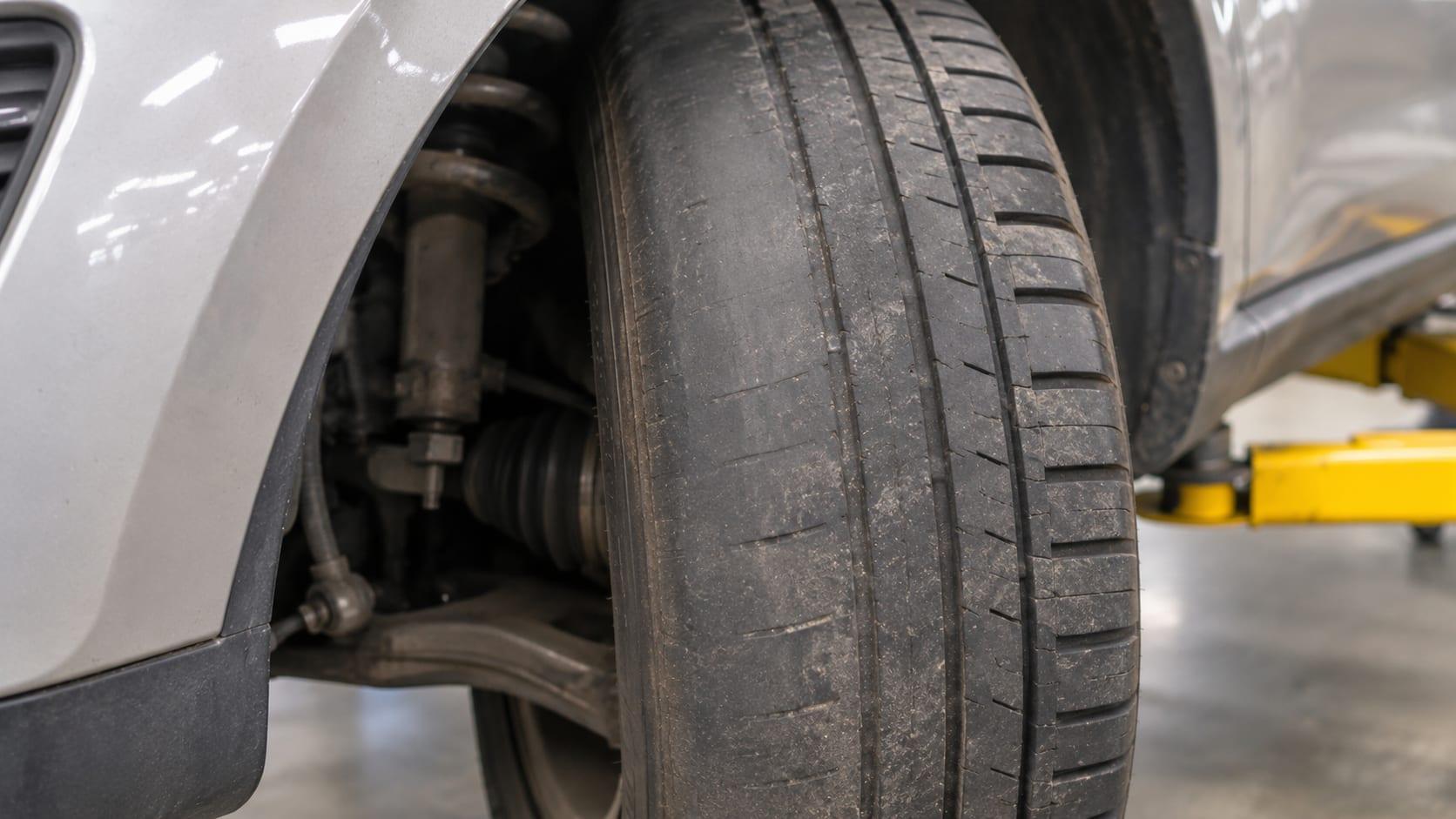
A tyre does not always wear evenly from one side to the other. That pattern often tells a useful story about the vehicle underneath it.
Wear concentrated on one shoulder may indicate incorrect wheel alignment or worn suspension parts. Excessive wear through the centre can be caused by overinflation, while both outer shoulders wearing first can suggest underinflation. Patchy or scalloped wear may point to worn shock absorbers, poor wheel balance or loose steering and suspension components.
Replacing the tyre without addressing the cause can be false economy. The new tyre may wear out prematurely, and the underlying handling issue remains. A proper inspection should consider tyre pressure, alignment and the condition of relevant steering and suspension parts.
Do not ignore cracks, bulges or cuts
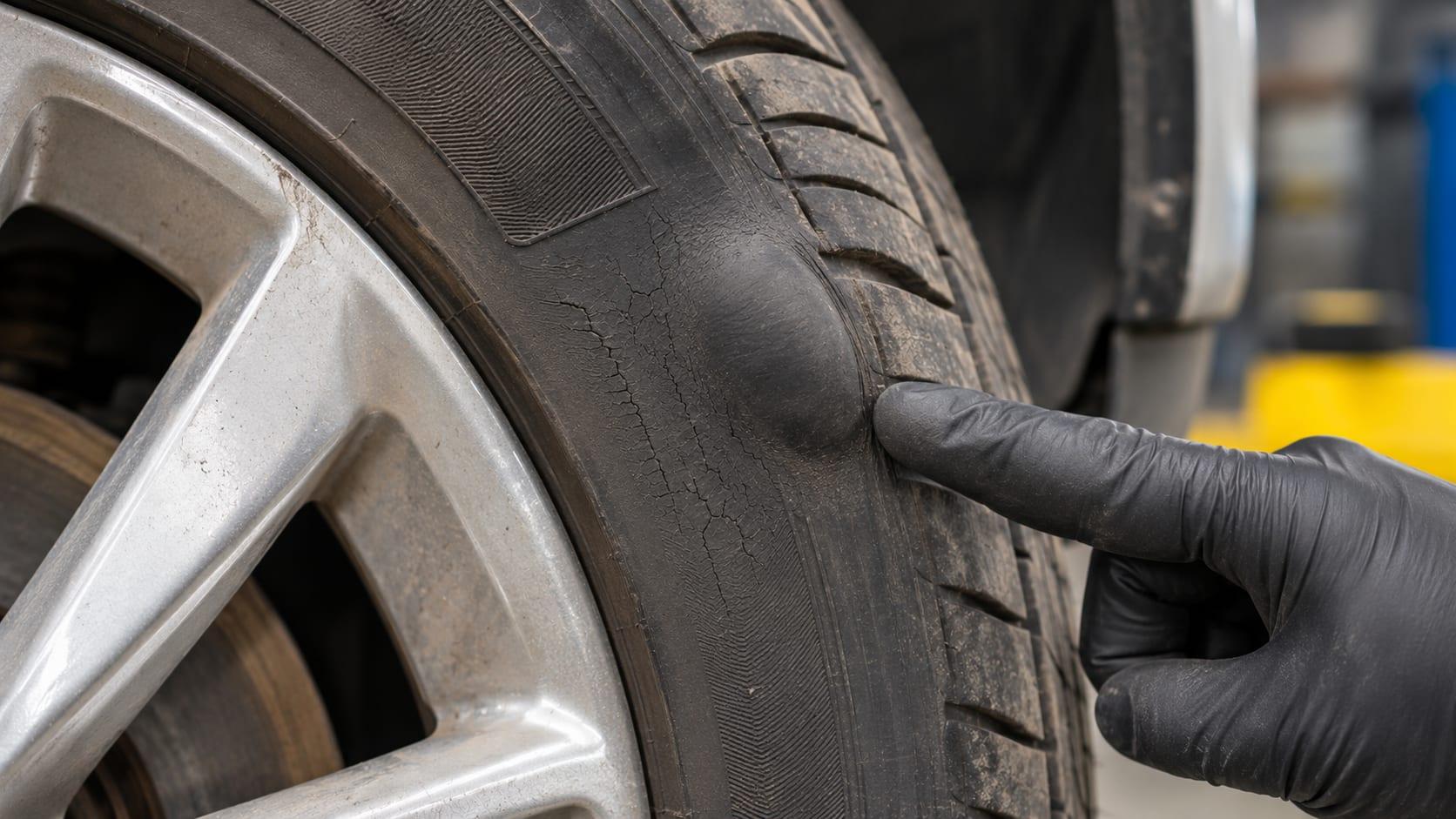
Tread depth is only one part of tyre condition. Sidewall cracks, exposed cords, deep cuts, punctures near the sidewall and bulges all need prompt attention. A bulge can mean the tyre's internal structure has been damaged, often after a pothole or kerb strike. It is not something to monitor for later - it requires replacement.
Tyres can also deteriorate with age, even when there appears to be plenty of tread left. Vehicles that do low kilometres, sit outside for long periods or are used only occasionally can develop hardened rubber and cracking. If you are unsure about an older spare tyre, have it checked before relying on it in an emergency.
What causes tyres to wear out early?
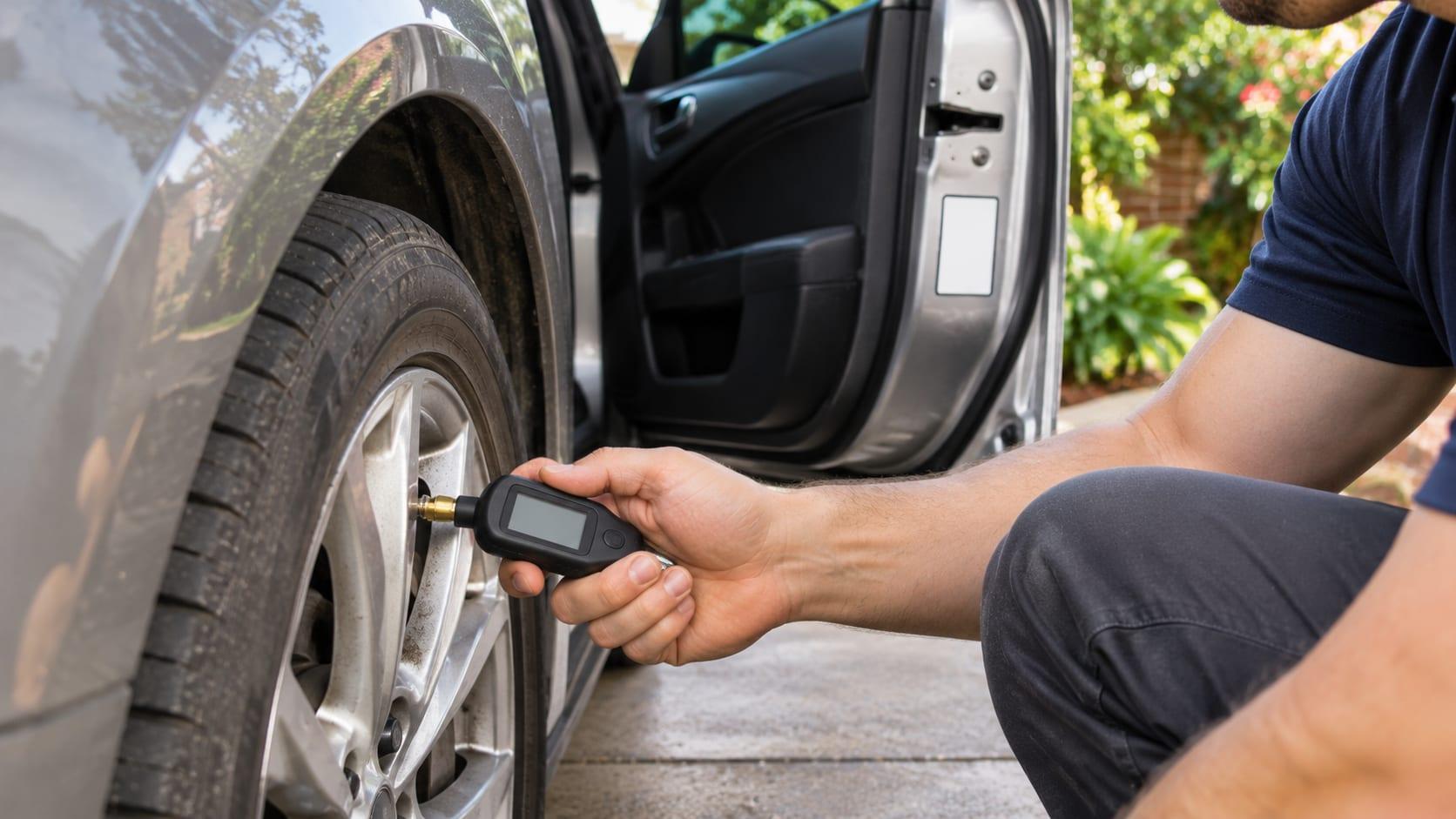
Some tyre wear is unavoidable, but tyres that wear significantly faster than expected usually have a contributing issue. Correct inflation pressure is one of the biggest factors. Pressure should be checked when tyres are cold and set to the vehicle manufacturer's recommendation, usually found on a placard inside the driver's door opening, glovebox or fuel flap.
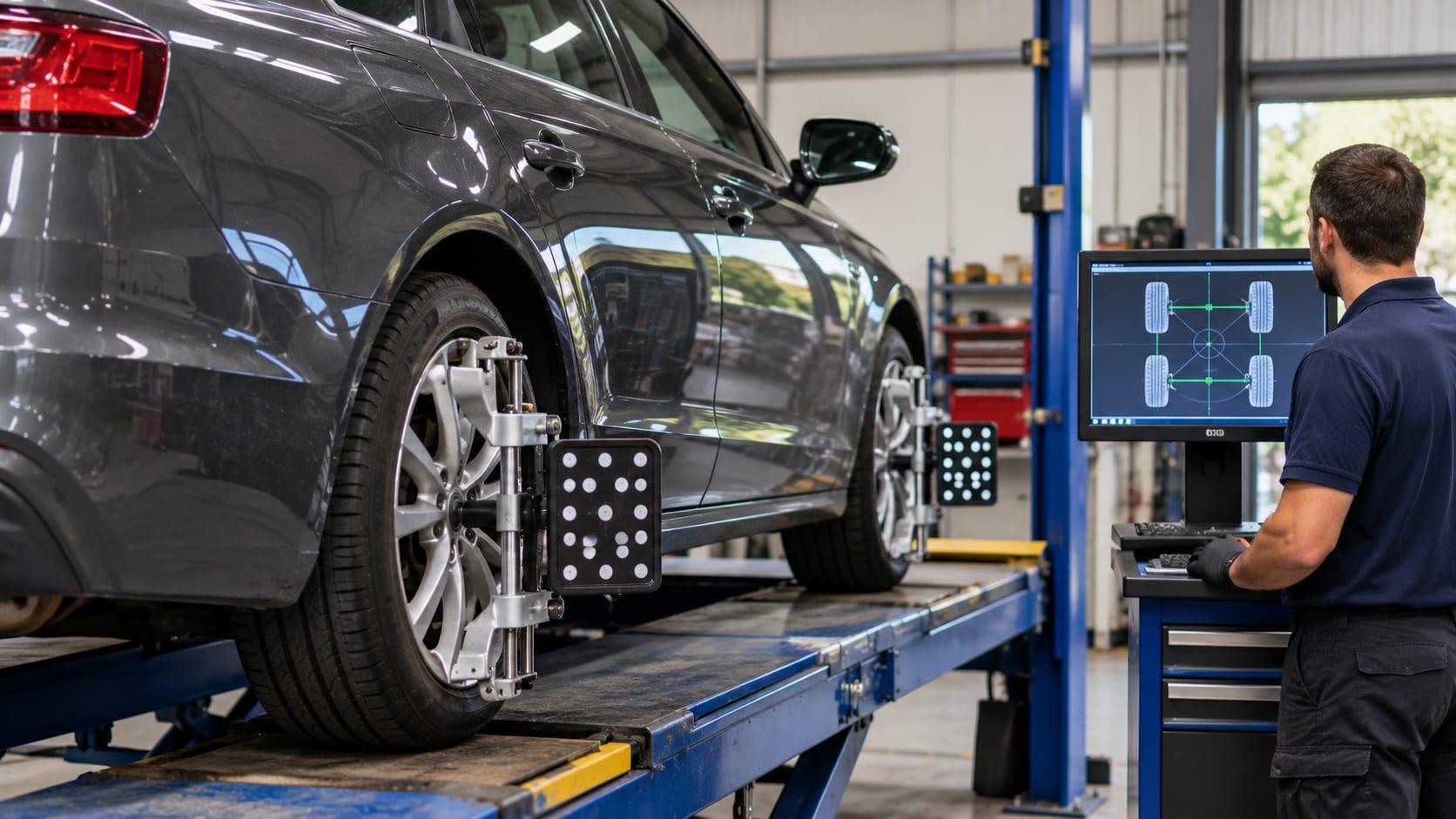
Alignment matters because even a small change in wheel angles can scrub away tread over time. A hard kerb impact, pothole, suspension repair or repeated travel on rough roads can all affect alignment. If the steering wheel is no longer centred when driving straight, or the car pulls left or right, booking an alignment check is sensible.
Vehicle load and driving style also make a difference. A heavily loaded SUV, work ute or family vehicle will place more demand on tyres, especially if pressures are not adjusted as required. Brisk acceleration, late braking and fast cornering naturally increase wear, but a well-maintained tyre should still wear consistently rather than developing bald patches or one-sided damage.
Should you replace one tyre, two tyres or all four?
The right answer depends on the vehicle, the remaining tread on the other tyres, whether it is front, rear or all-wheel drive, and the tyre manufacturer's recommendations. In many cases, replacing tyres as a pair on the same axle is the practical choice so that grip and handling remain balanced.
If only one tyre has been damaged and the matching tyre is relatively new, a single replacement may be suitable. For all-wheel-drive vehicles, however, differences in rolling circumference between tyres can place extra strain on the drivetrain. This is particularly relevant for some European vehicles, including BMW, Audi, Mercedes-Benz and Volkswagen models. The tyre sizes, brand, tread depth and placement should be considered carefully rather than simply fitting the cheapest available option.
When fitting two new tyres, the preferred position can vary by vehicle and tyre type. There is a common assumption that new tyres always belong on the front because the front tyres steer and do much of the braking. Yet fitting the tyres with the best grip to the rear can help reduce the risk of rear-end loss of control on wet roads. A qualified technician can advise based on your vehicle, its tyres and the manufacturer guidance.
Tyres and a Victorian roadworthy certificate
Tyre condition is checked during a roadworthy inspection because it directly affects safety. A vehicle may not pass if tyres are below the legal tread limit, have serious cuts or bulges, show exposed cords, are incorrectly sized or have other defects that make them unsafe.
For people selling a car or preparing one for re-registration, a tyre check before the inspection can prevent an avoidable delay. It also gives you a chance to address uneven wear that may signal an alignment, brake or suspension issue requiring attention. A roadworthy certificate is not a full mechanical report, but tyre defects found at inspection should never be treated as minor paperwork problems.
A simple routine that protects tyre life
Checking your tyres monthly and before a long drive is enough to catch most developing issues. Look at tread depth and sidewalls, check cold pressures, and pay attention to changes in steering feel or vehicle behaviour. Also inspect the spare tyre if your vehicle has one. A spare with low pressure, cracking rubber or an incompatible size is not much help at the roadside.
Tyre rotation can extend tyre life on many vehicles, but only when the tyre design and vehicle setup allow it. Directional tyres and staggered wheel arrangements need particular care. Your service technician can confirm whether rotation is appropriate and include it as part of a regular maintenance plan.
If your tyres are nearing the wear indicators, feel different in the wet or show uneven patterns, it is worth having them assessed before the next long trip. Armstrong Creek Motors can inspect tyre condition alongside alignment, brakes and suspension, explain what is causing the wear and provide clear advice on the next sensible step. Safe tyres should not be a guessing game - a straightforward check now can make every trip calmer, safer and more predictable.
Was this article helpful?