


Summarise this article with AI
On this page · 6 sections
Key takeaways
- When the vibration happens is the key clue: a shake at 100 km/h points to a different fault than a shudder that only appears while braking.
- A vibration within a particular speed range is commonly related to wheel and tyre balance, damaged tyres or a bent rim.
- A steering wheel that shakes only under braking points to rotor run-out, uneven rotor surfaces or a sticking caliper.
- Wheel alignment does not usually cause vibration by itself, but the uneven tyre wear it creates can.
- Stop driving if the vibration is severe, appears suddenly after an impact, or comes with a steering pull, clunking, grinding or a burning smell.
A steering wheel should feel steady in your hands. If you are asking, "why does steering wheel vibrate?", the answer often comes down to tyres, wheels, brakes or front-end components - but when the vibration happens is the key clue. A shake at 100 km/h points to a different fault than a shudder that only appears while braking.
Some causes are straightforward and inexpensive to correct. Others can affect braking, steering control and tyre life, so it is worth getting the problem checked rather than turning up the radio and hoping it disappears.
Why does steering wheel vibrate at certain speeds?
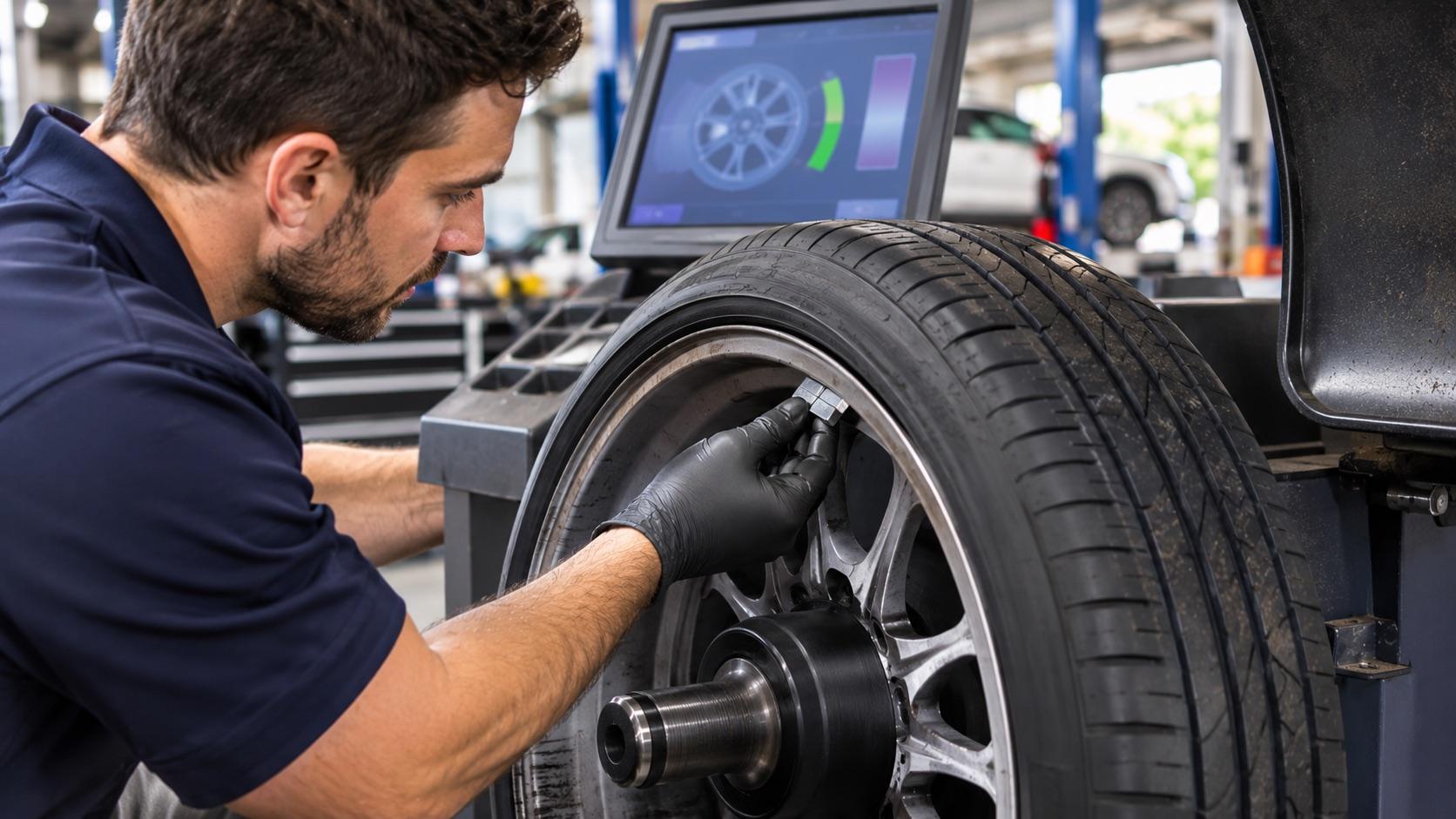
A vibration that begins or becomes noticeably worse within a particular speed range is commonly related to wheel and tyre balance. This often feels like a light to moderate wobble through the steering wheel, especially at highway speeds, and may settle down again when you slow or accelerate.
Wheel balancing issues
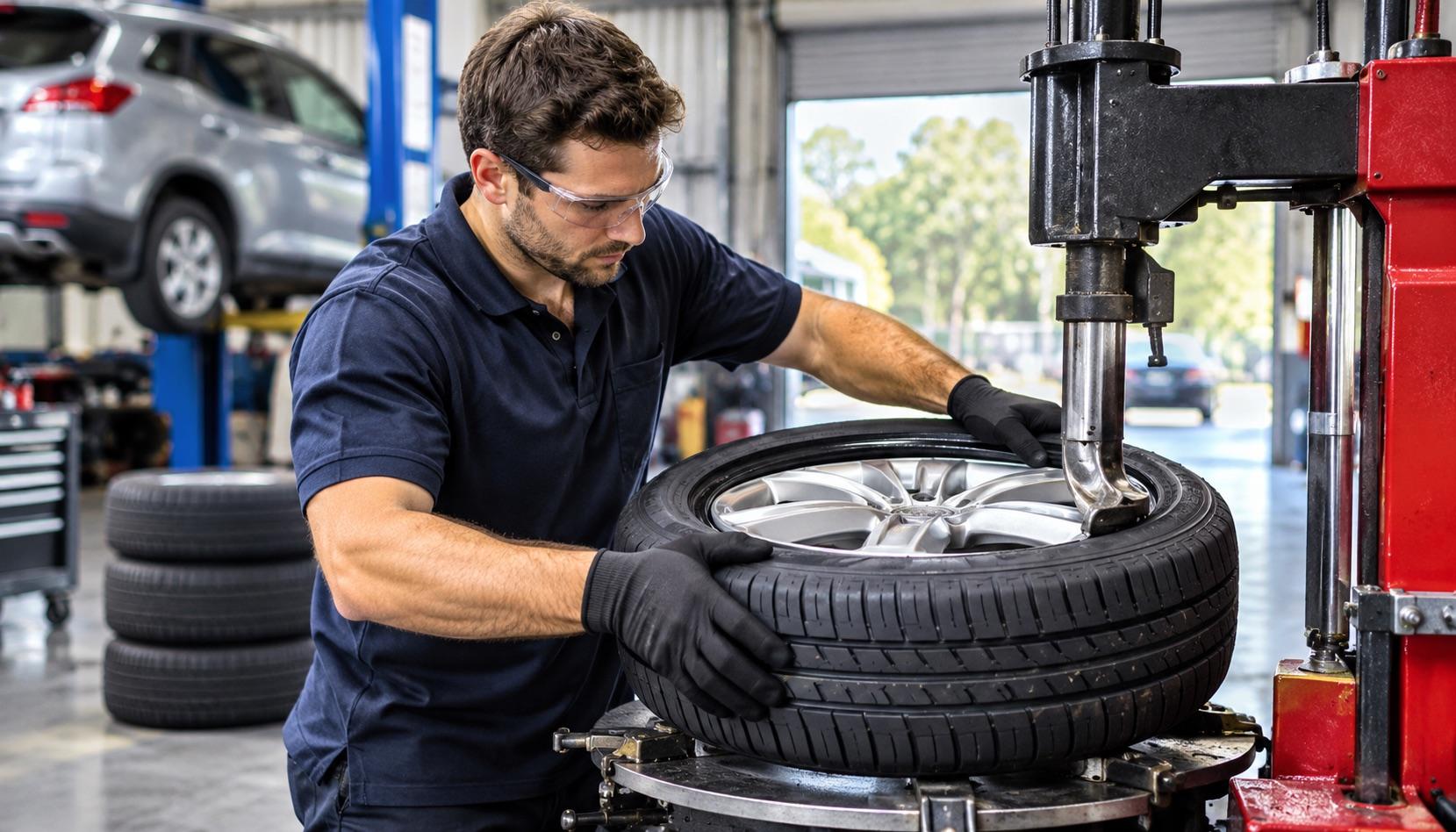
Each wheel and tyre assembly needs to be correctly balanced. Small balancing weights are fitted to offset tiny differences in weight around the wheel. If a weight falls off after hitting a pothole or kerb, or if tyres have been changed without proper balancing, the wheel can rotate unevenly.
The result is a repetitive vibration that travels through the steering system. Front wheel imbalance is usually felt most clearly in the steering wheel, while imbalance at the rear may be felt more through the seat or floor of the vehicle. A wheel balance is generally a simple repair, but it should not be used as a shortcut if the tyres or suspension are worn.
Damaged, worn or unevenly worn tyres

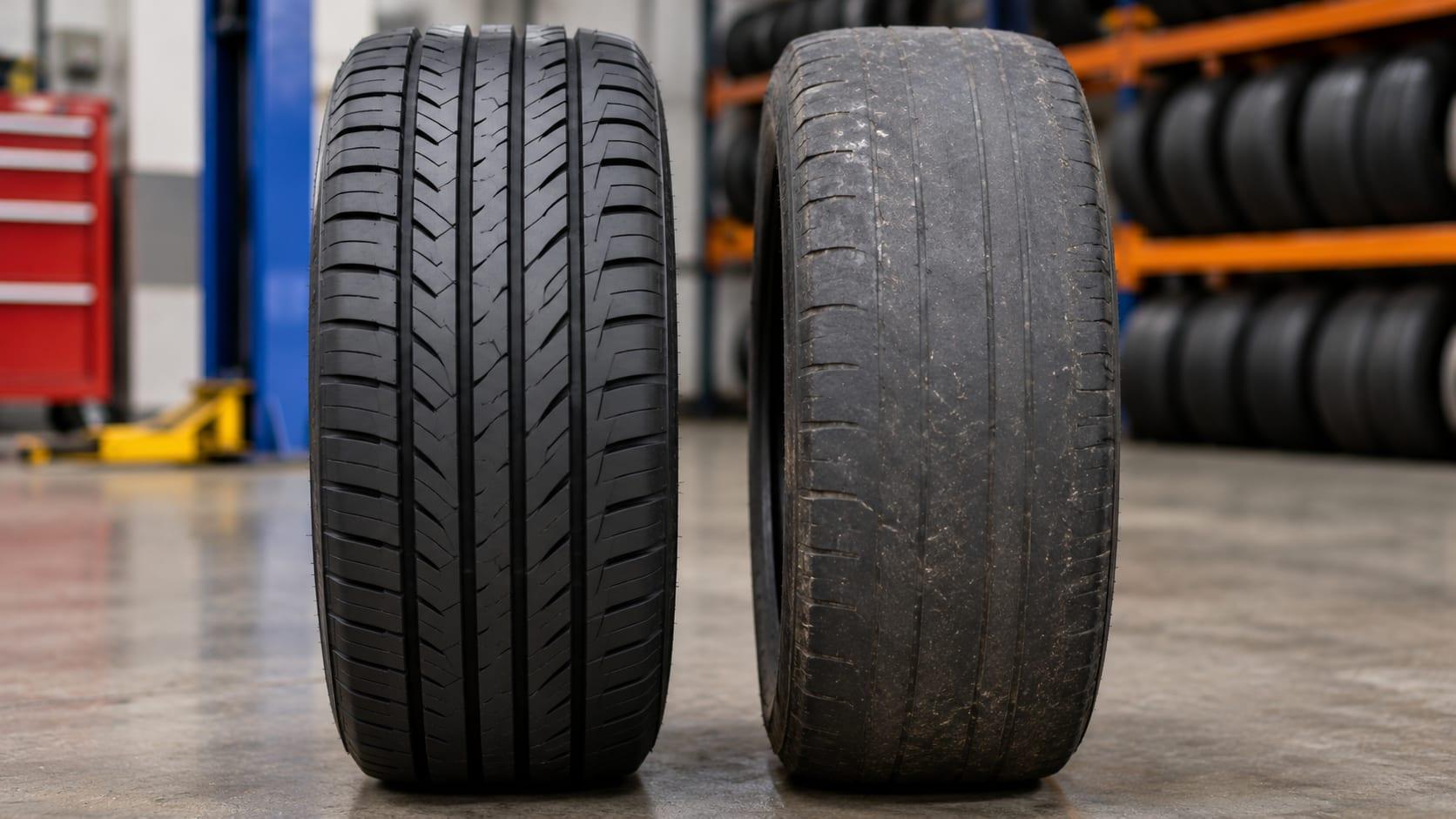
Tyres can cause vibration even when they are balanced. A tyre with a bulge in the sidewall, a separated internal belt, an out-of-round shape or irregular tread wear will not roll smoothly. You may also hear a rhythmic thumping noise that rises with road speed.
Look for obvious damage, but do not assume a tyre is fine because the tread looks acceptable at a glance. Internal damage is not always visible. A hard impact with a pothole, a kerb strike or driving for too long with low tyre pressure can all contribute to problems.
Uneven wear can also indicate another underlying issue. Tyres worn more heavily on one edge may point to incorrect wheel alignment, while cupped or scalloped tread can be linked to weak shock absorbers, worn suspension bushes or loose steering components. Replacing tyres without fixing the original cause can mean the new set wears prematurely.
Bent wheel rims
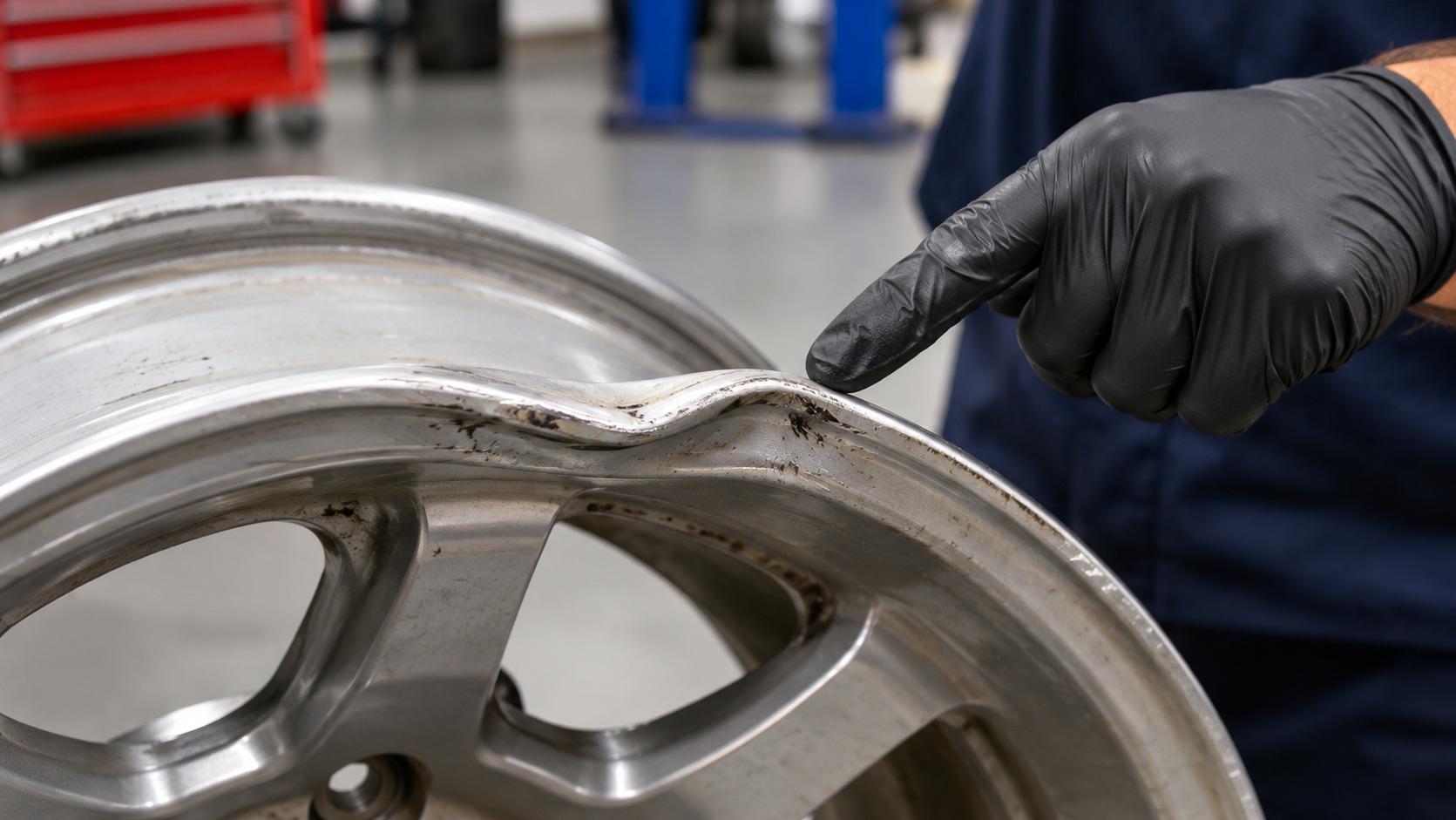
Alloy and steel wheels can bend after a significant pothole strike or contact with a kerb. Even a small distortion in the rim can create a vibration at speed, particularly if it affects the inner edge where it is harder to see.
A workshop can inspect the wheel while it is rotating and check whether the rim runs true. Depending on the damage, a wheel may be repairable, but a cracked wheel needs more serious attention and may require replacement.
Steering wheel vibration when braking
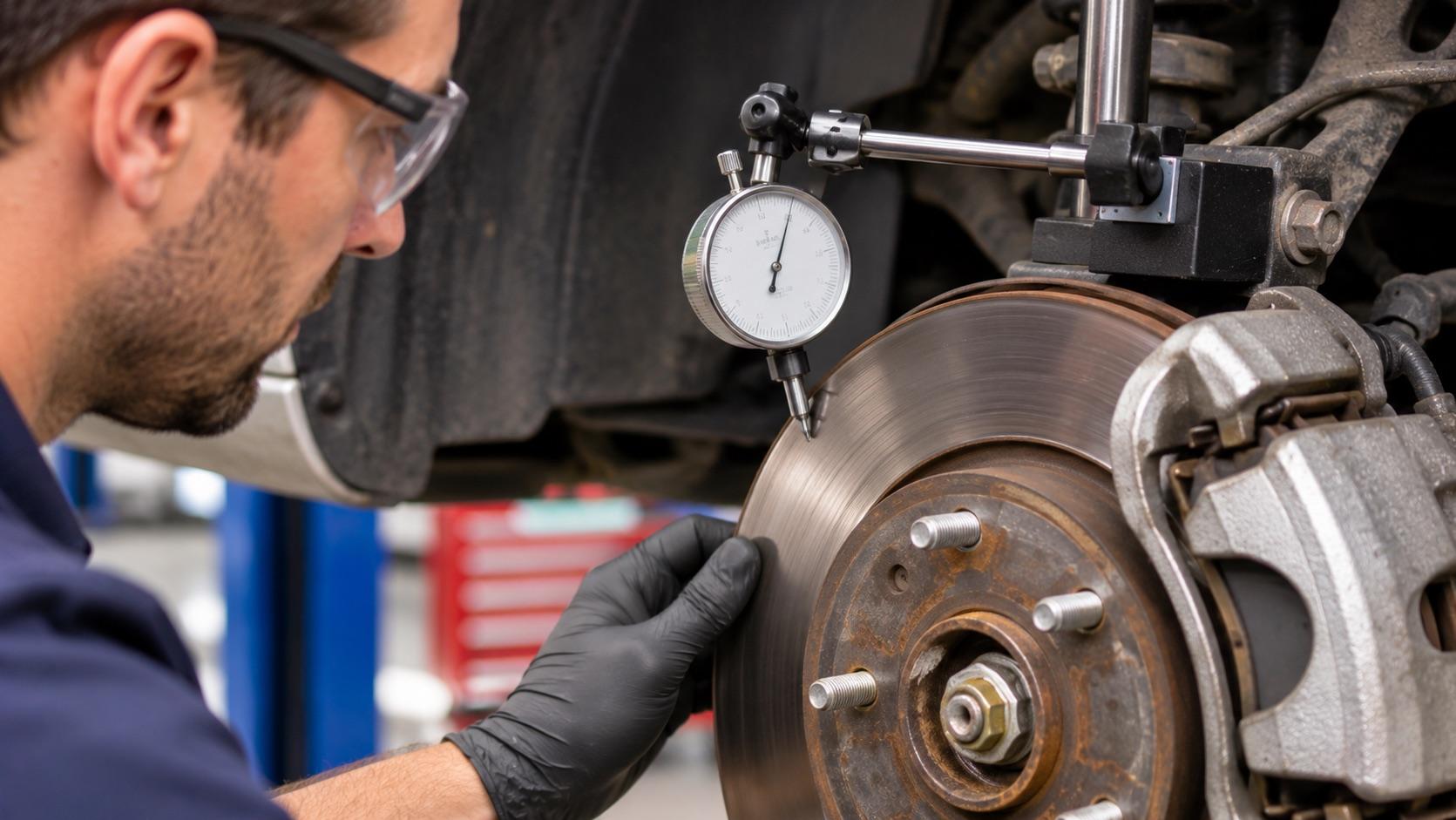
If the steering wheel stays calm while cruising but shakes when you apply the brakes, the braking system should be inspected promptly. This type of vibration is often described as a brake shudder or pulsation.
Brake rotor run-out and uneven rotor surfaces
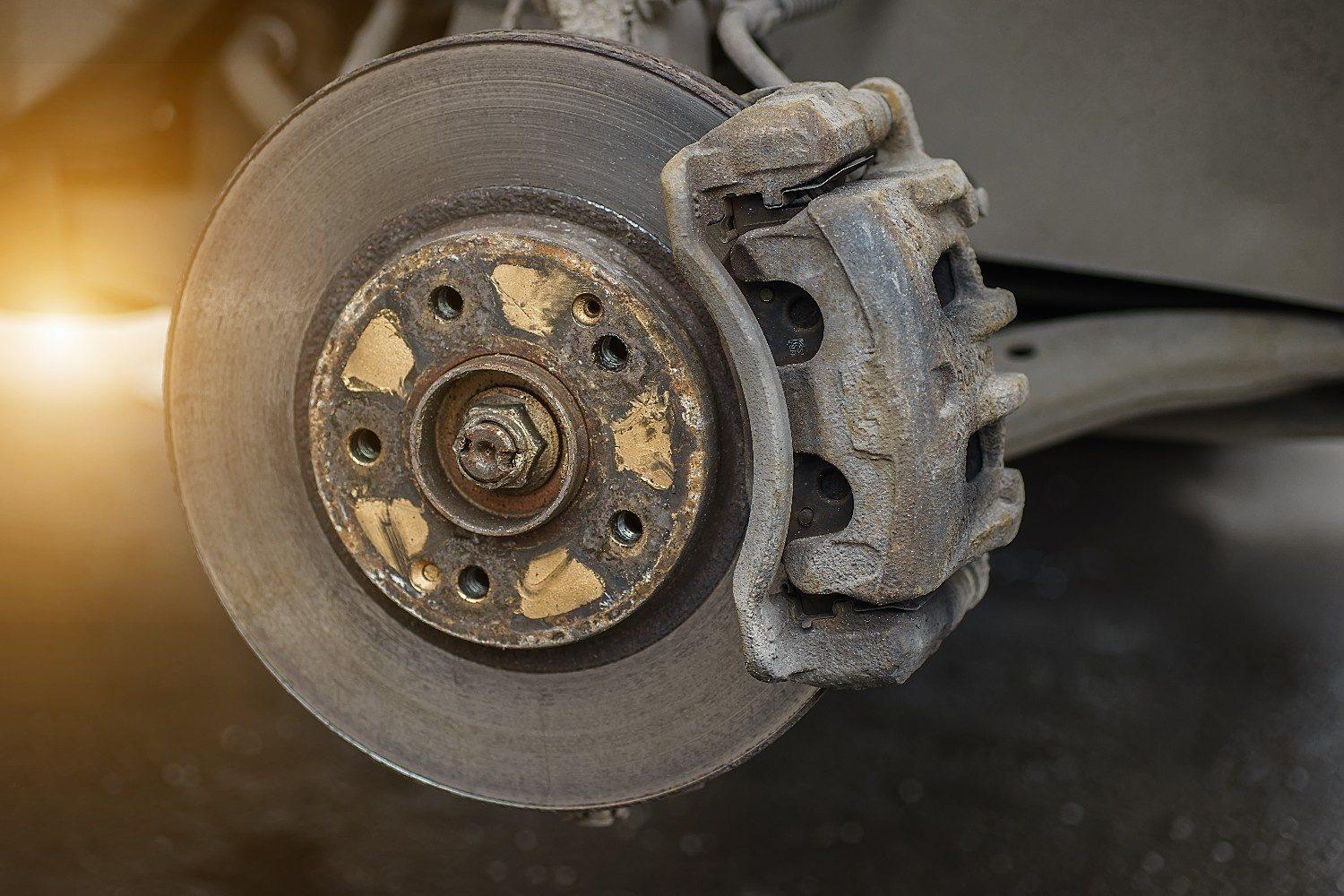
Brake rotors need to provide a smooth, even surface for the brake pads to grip. Over time, heat cycles, wear and uneven brake pad material transfer can create variation across the rotor surface. If there is excessive rotor run-out, meaning the rotor does not rotate perfectly true, the brake pedal and steering wheel can pulse under braking.
This may be more obvious during firm braking from higher speeds, such as coming off the freeway. It does not automatically mean the rotors are "warped", a term often used broadly, but it does mean the braking components need accurate measurement rather than guesswork.
The correct repair depends on rotor thickness, condition and the vehicle manufacturer's specifications. In many cases, replacing brake pads and rotors together provides the most reliable result. Fitting new pads to badly worn rotors can reduce braking performance and shorten the life of the new pads.
Sticking brake calipers
A sticking caliper or seized slide pin can cause one brake to drag. Apart from vibration, you might notice the vehicle pulling to one side, a hot wheel, a burning smell after driving or reduced fuel economy. This fault can damage pads and rotors quickly, so it should not be ignored.
Loose steering or suspension components
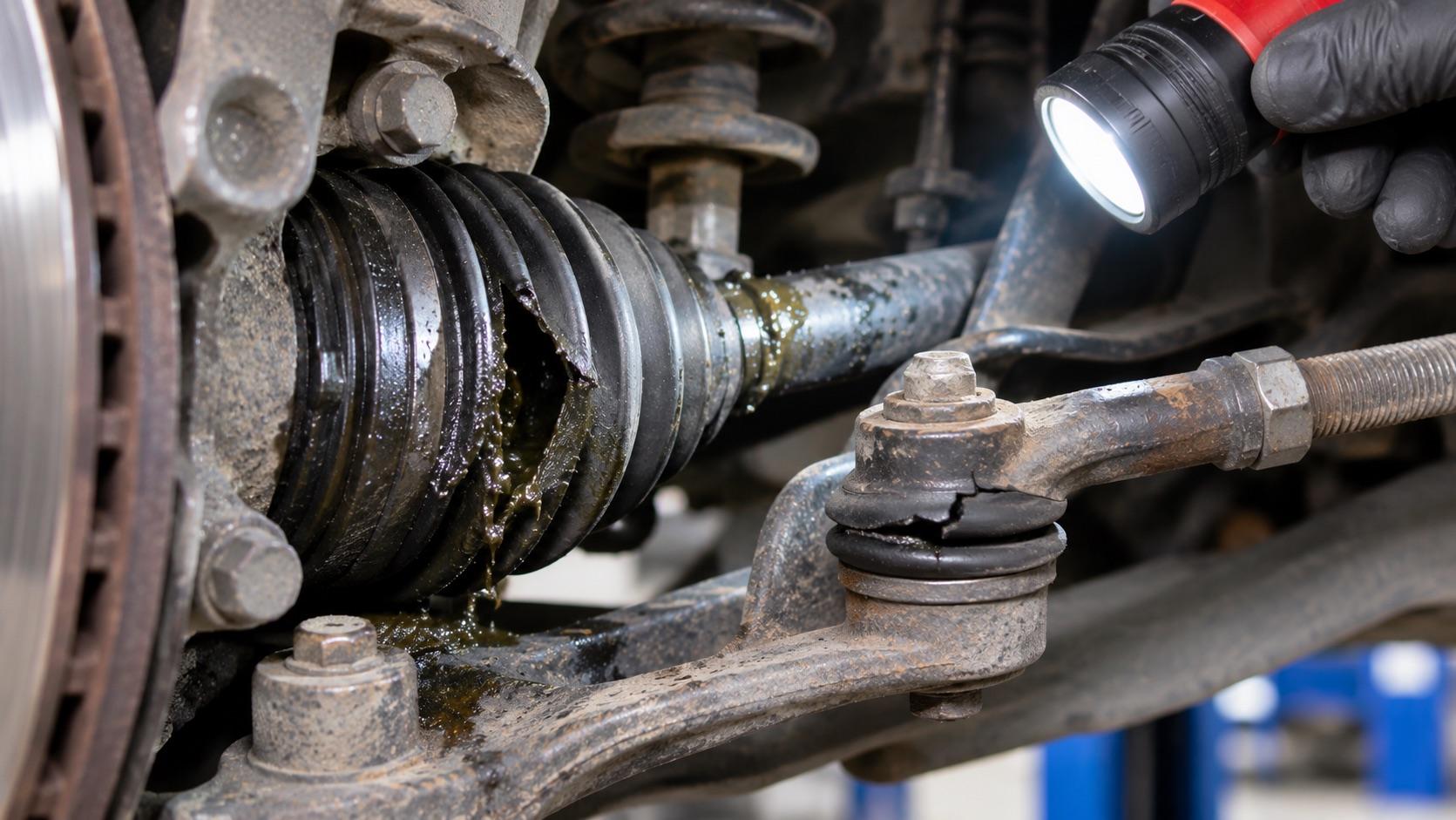
Your wheels are connected to the steering wheel through a series of joints, arms, bushes and mounting points. Wear in these components can allow unwanted movement, making vibrations more noticeable and affecting how accurately the car tracks down the road.
Common areas to check include tie-rod ends, ball joints, control arm bushes, wheel bearings, strut mounts and shock absorbers. On some vehicles, a worn steering rack or driveshaft issue may also be involved.
These faults do not always produce the same feeling. You may notice a clunk over bumps, vague steering, a vehicle that wanders, uneven tyre wear or vibration that changes as you turn corners. On a front-wheel-drive vehicle, vibration under acceleration can sometimes be related to a worn CV joint or driveshaft, rather than the wheel balance alone.
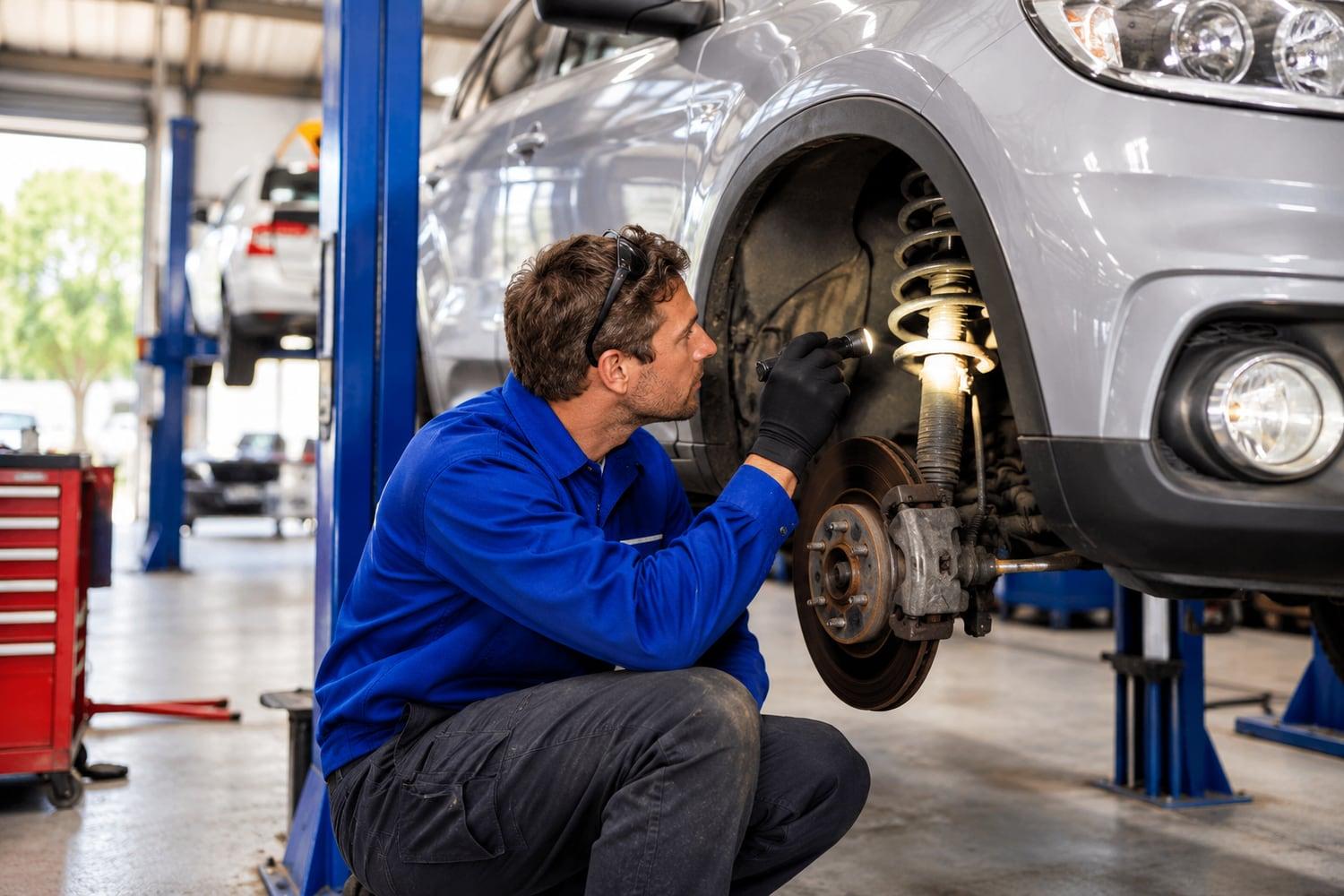
Because worn steering and suspension components are safety-critical, they need a hands-on inspection. A proper diagnosis involves checking for play while the vehicle is raised, inspecting the tyres and wheels, and road testing where appropriate.
Could wheel alignment be the cause?
Wheel alignment does not usually cause a steering wheel to vibrate by itself. However, poor alignment can wear tyres unevenly, and those damaged wear patterns can then produce a vibration.
Alignment problems are more likely if the car pulls left or right on a level road, the steering wheel sits off-centre, or you have recently hit a pothole or kerb. Aligning the wheels is worthwhile only after any worn or damaged steering and suspension parts have been identified. There is little value in setting alignment angles on components that are loose.
When should you stop driving?

A mild vibration that only occurs at one speed may not be an immediate emergency, but it still deserves attention soon. Do not continue driving if the vibration is severe, suddenly appears after an impact, worsens rapidly, or comes with a steering pull, clunking, grinding, brake warning light or burning smell.
Pull over safely and inspect the tyres for a flat, low pressure, bulge, split or loose wheel nuts. Never touch a wheel or brake area that may be hot. If a tyre is damaged or the steering feels unpredictable, arrange assistance instead of attempting to drive home.
What a proper inspection should include
There is no benefit in replacing parts based on a hunch. A careful inspection should start with tyre pressures, tread condition, wheel nuts and visible tyre or rim damage. From there, the technician can check wheel balance and run-out, brake rotor condition, wheel bearings, steering joints, suspension bushes and alignment readings where needed.
This approach matters because two faults can exist at once. For example, an unbalanced front wheel may cause a shake at 100 km/h, while worn rotors cause a separate shudder under brakes. Fixing only one may leave you wondering why the steering wheel still does not feel right.
For drivers around Geelong, Armstrong Creek Motors can assess steering wheel vibration with clear advice on what is worn, what is urgent and what can reasonably wait. You should leave with a clear explanation and a fair quote, not a list of vague recommendations.
A steering wheel vibration is your car asking for attention. Getting it checked early can protect your tyres, brakes and suspension, while restoring the steady, predictable feel you should have every time you drive.
Was this article helpful?