

Summarise this article with AI
On this page · 5 sections
Key takeaways
- A safety inspection checks brakes, tyres, steering, suspension, lights, fluids, seatbelts and warning lights.
- A roadworthy only checks minimum standards for selling or re-registering; a safety inspection tells you the car's current condition.
- Book one before a road trip, after hitting a pothole or kerb, and before buying a used car.
- Good advice separates what needs fixing now from what can wait until the next service.
The brakes, tyres, steering, suspension, lights, wipers, fluids and leaks, seatbelts and warning lights, so you know what is safe now and what can wait.
A brake pedal that feels softer than usual, tyres wearing unevenly, or a warning light that appears only now and then can be easy to put off. A vehicle safety inspection turns those small concerns into clear answers before they become an expensive repair or leave you stranded on the side of the road.
For drivers around Geelong, regular inspections make practical sense. School runs, commuting, wet winter roads and long weekend trips all place demands on a vehicle. The aim is not to find problems for the sake of it. It is to identify genuine safety risks, explain their urgency in plain language and give you a fair path forward.
What is a vehicle safety inspection?
A vehicle safety inspection is a focused assessment of the systems that affect how safely your car starts, stops, steers, handles and remains visible to other road users. It can be carried out as part of a routine service, before a long trip, when buying a used car, or when something about the vehicle simply does not feel right.
The exact scope depends on the vehicle, its age and the reason for the inspection. A pre-trip check may focus on tyres, brakes, fluids and lights. A more detailed workshop inspection can also identify suspension wear, leaks, electrical faults and signs of developing mechanical trouble.
It is different from a roadworthy certificate inspection. In Victoria, a roadworthy certificate checks whether a vehicle meets the required minimum safety standards at the time of inspection for purposes such as selling, re-registering or clearing a defect notice. A general safety inspection is broader in a different way: it helps you understand the current condition of your vehicle and plan maintenance before an issue becomes urgent.
What gets checked during a vehicle safety inspection?
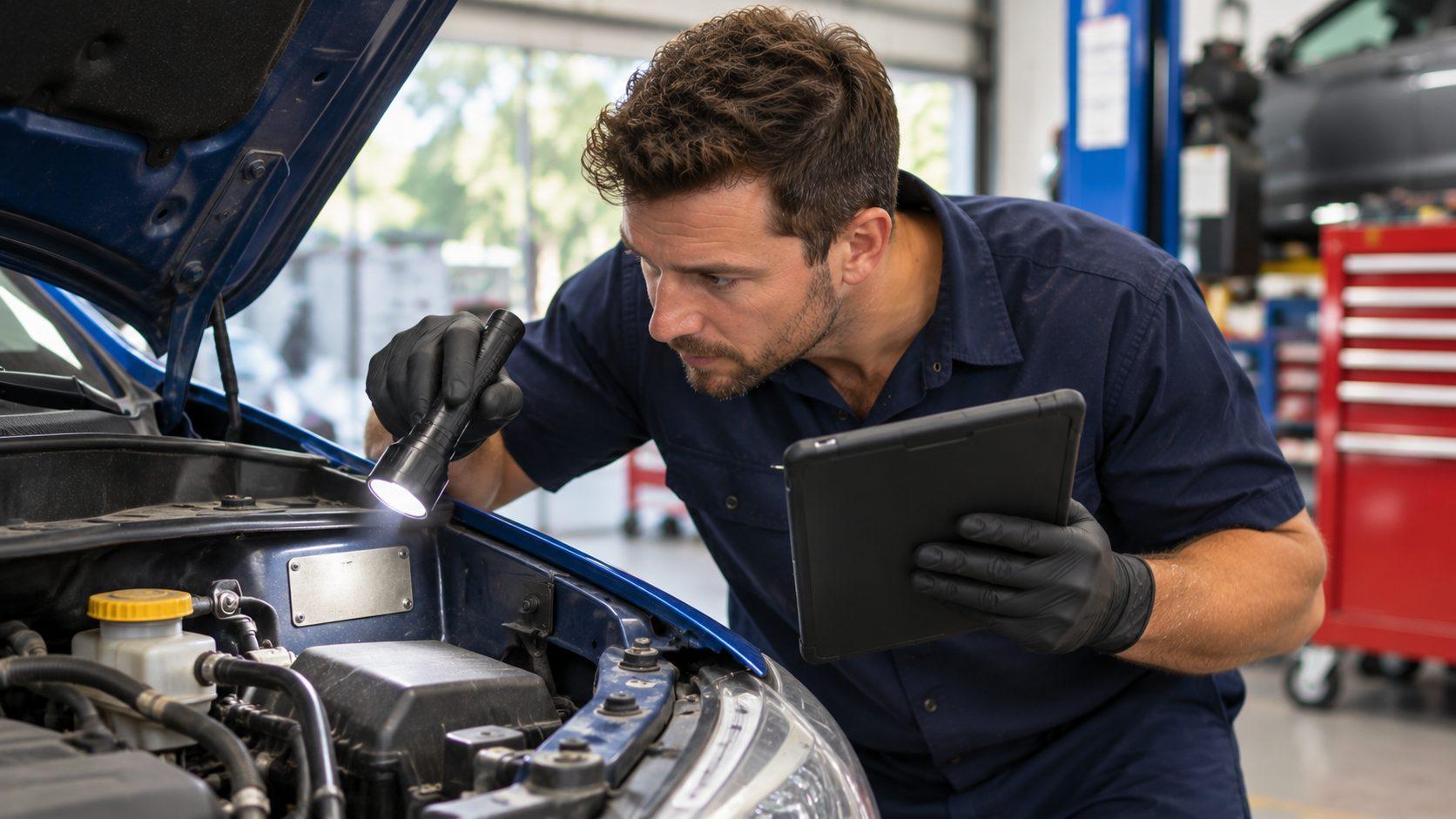
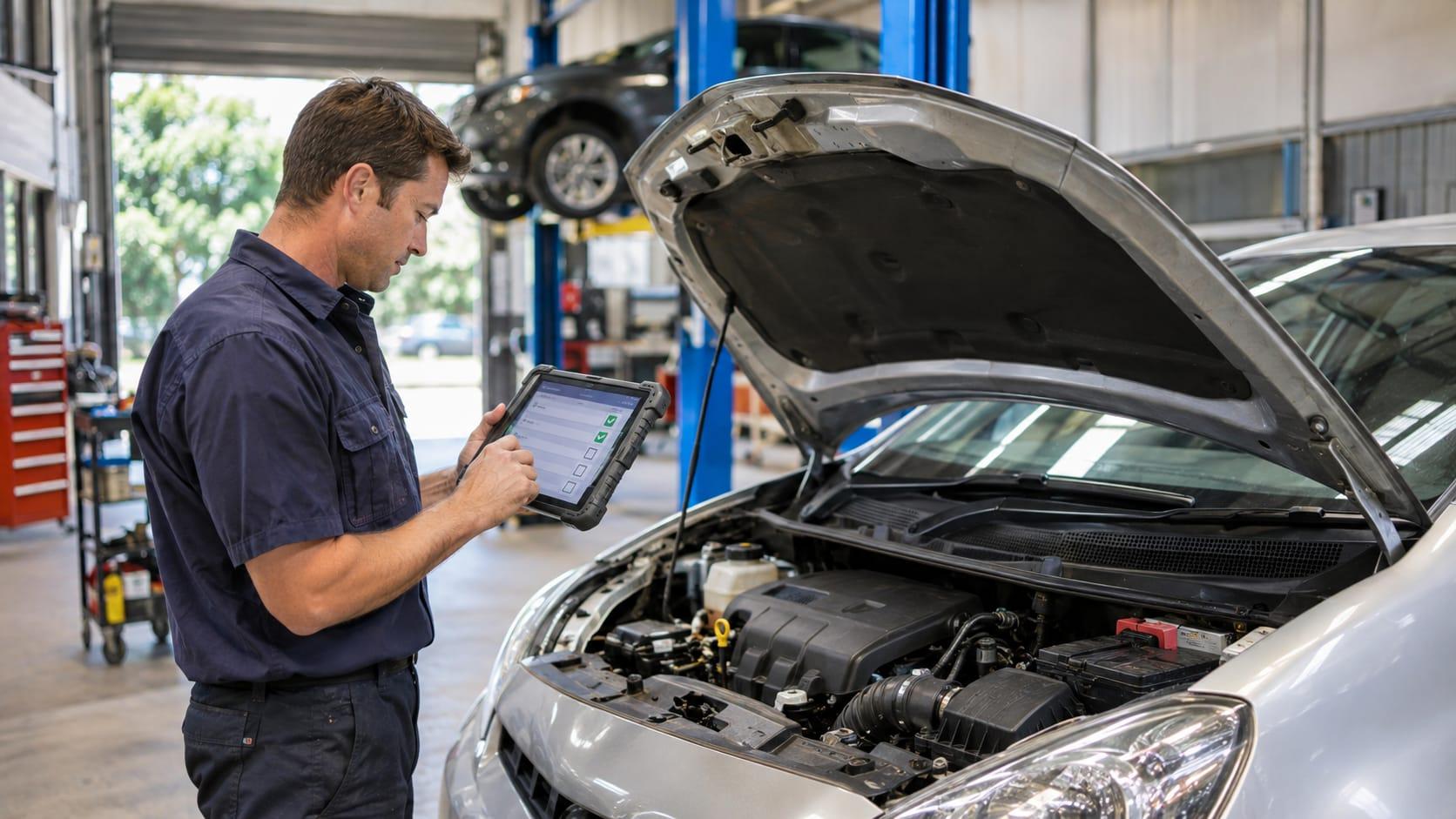
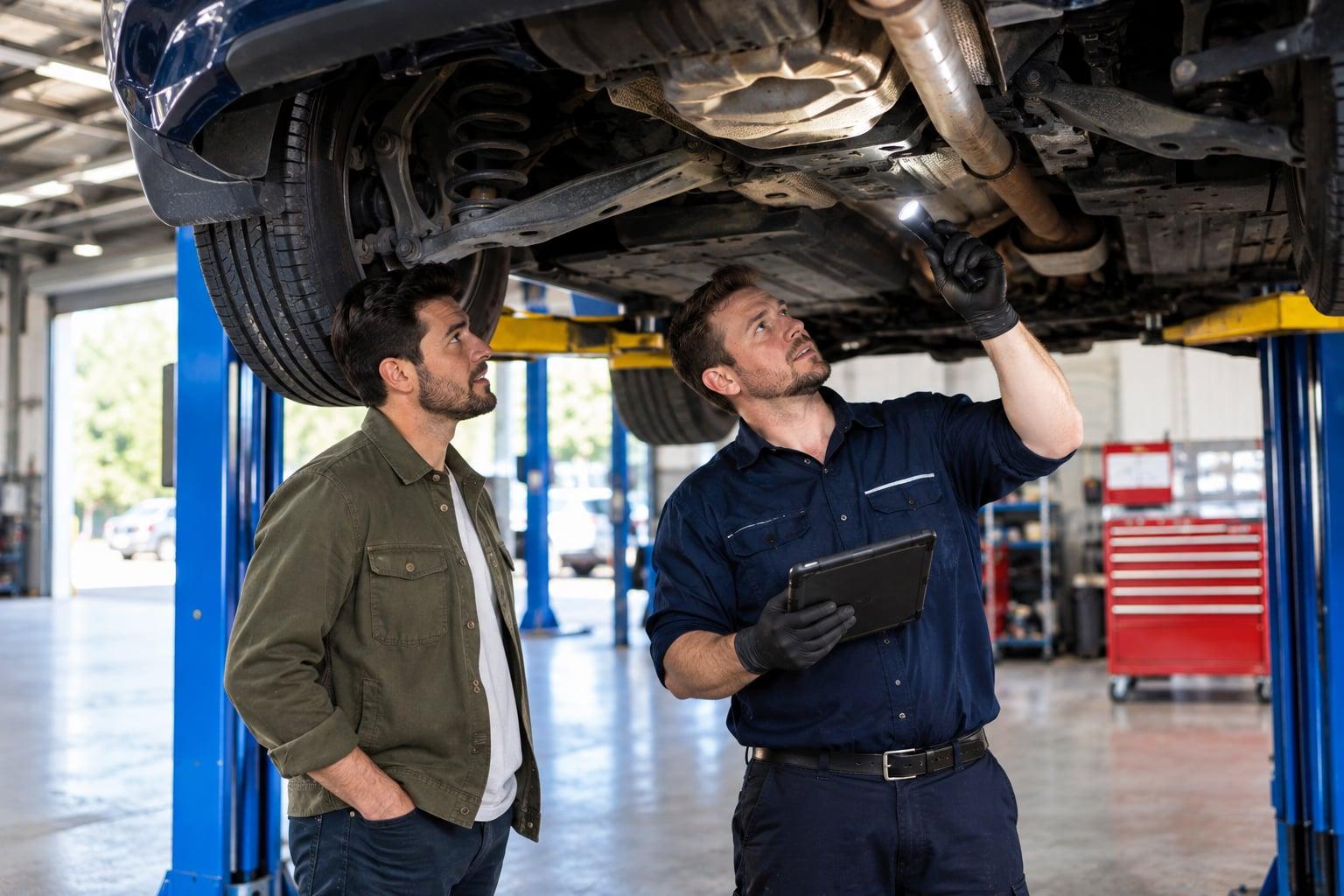
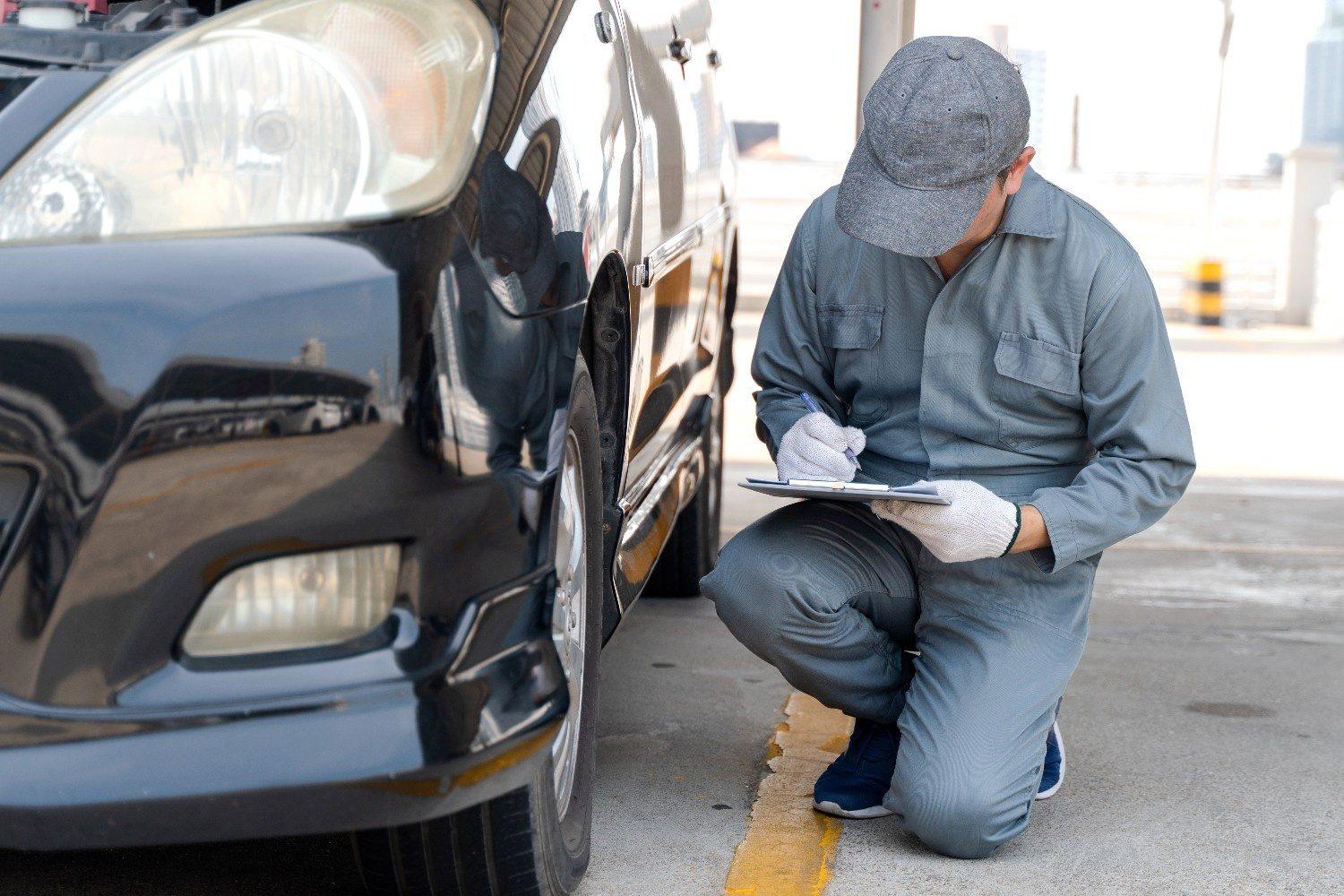
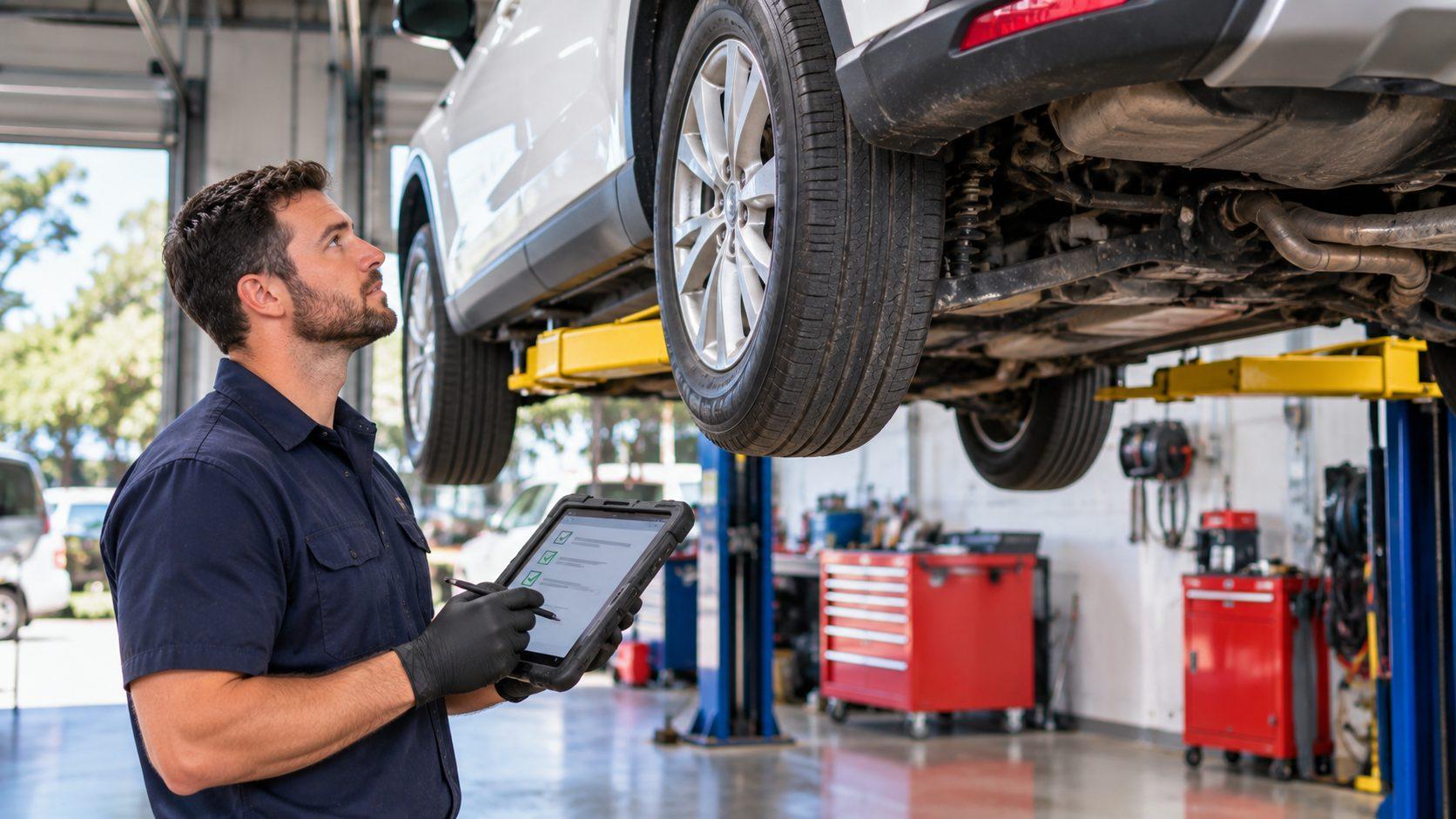
A proper inspection is more than a quick look under the bonnet. Technicians assess visible condition, operation and wear across the vehicle's key safety systems. Where further diagnosis is needed, that should be explained before work begins.
Brakes and brake components
Brakes are inspected for pad and rotor wear, fluid condition, leaks, brake hose damage and signs of uneven braking. Squealing, grinding, vibration through the pedal or steering wheel, and a vehicle that pulls to one side all deserve prompt attention.
Not every noise means you need a full brake replacement. Surface rust after rain, for example, can cause a brief noise that clears after a few stops. But worn pads, damaged rotors or leaking components are not issues to leave until the next service.
Tyres, wheels and steering
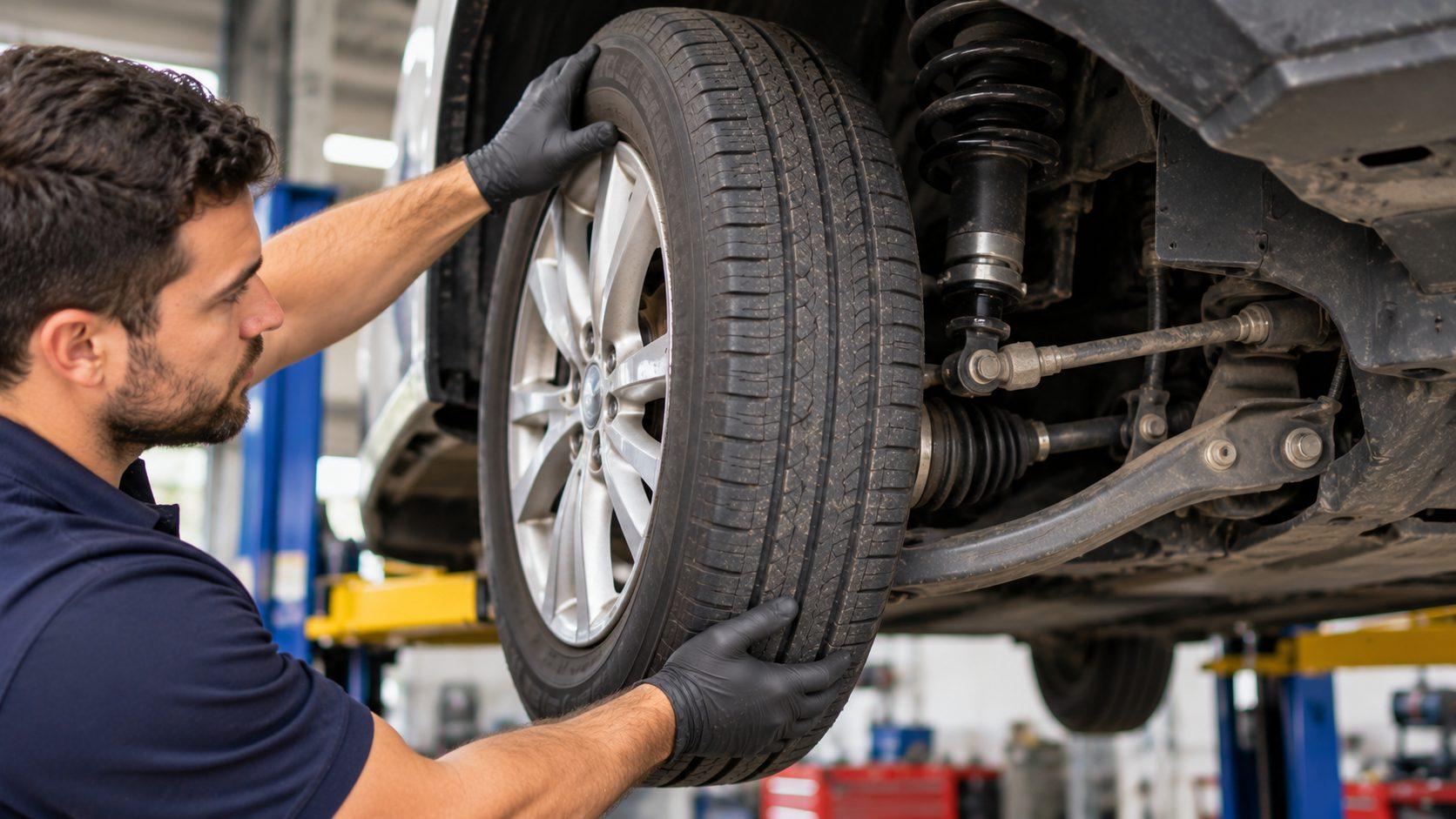
Your tyres are the only part of the car in contact with the road, so tread depth alone does not tell the whole story. An inspection checks tyre condition, pressure, uneven wear, damage to sidewalls and whether the tyres are suitable for the vehicle.
Uneven wear can point to wheel alignment issues, worn suspension parts or problems in the steering system. The steering and suspension are checked for play, worn bushes, leaking shock absorbers and damaged components that can affect handling, tyre life and braking stability.
Lights, visibility and electrical basics
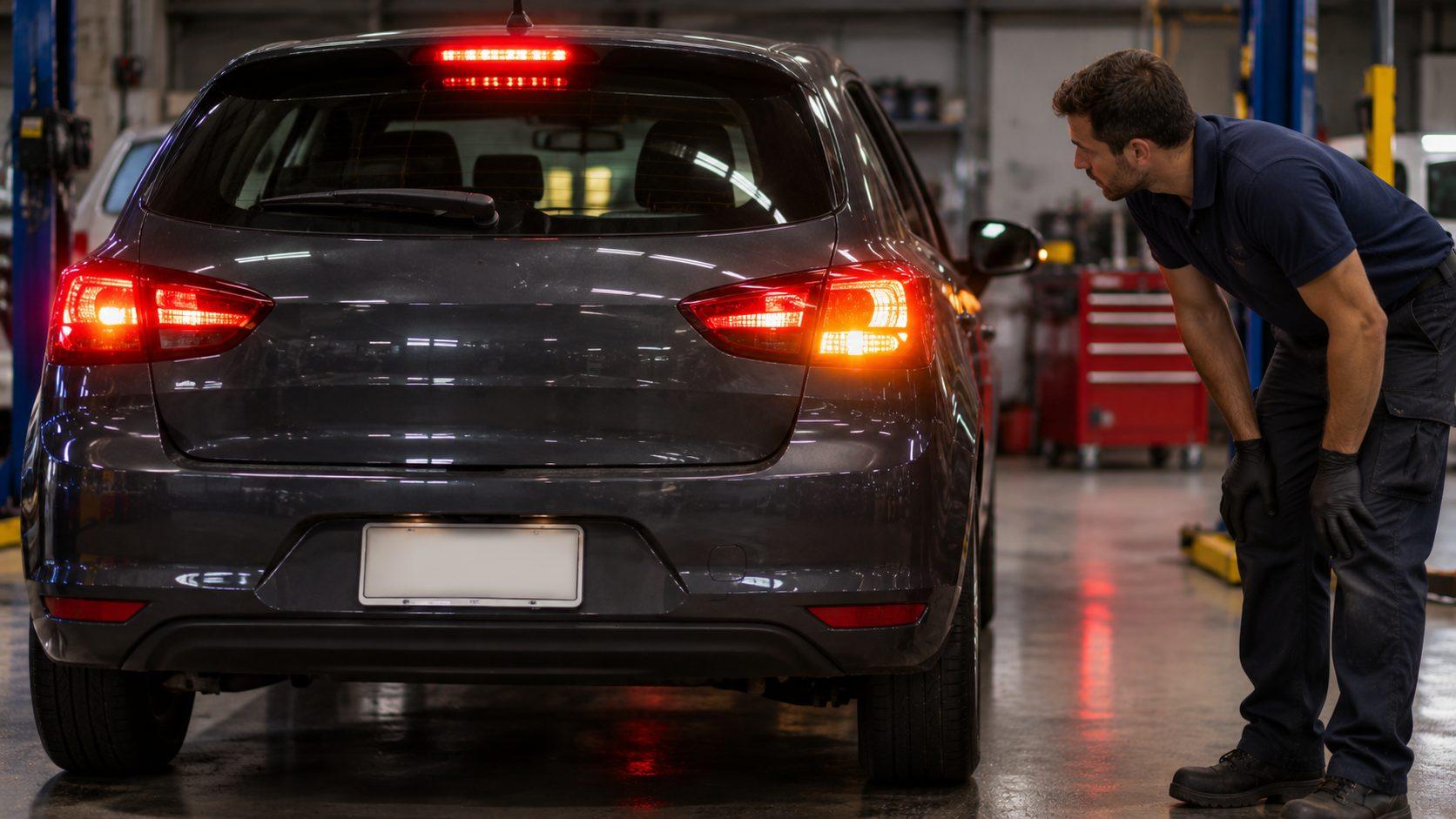
Headlights, tail-lights, brake lights, indicators, reverse lights and number plate lights need to work properly. A failed globe might seem minor, but it reduces your visibility or makes your intentions harder for others to see.
The inspection should also consider windscreen condition, wiper blades, washers, mirrors and demister operation. In heavy rain or early-morning glare, clear vision is a safety system in its own right. Battery condition and obvious charging issues may also be checked, particularly if slow starting or dashboard warnings have been reported.
Fluids, leaks and under-bonnet condition
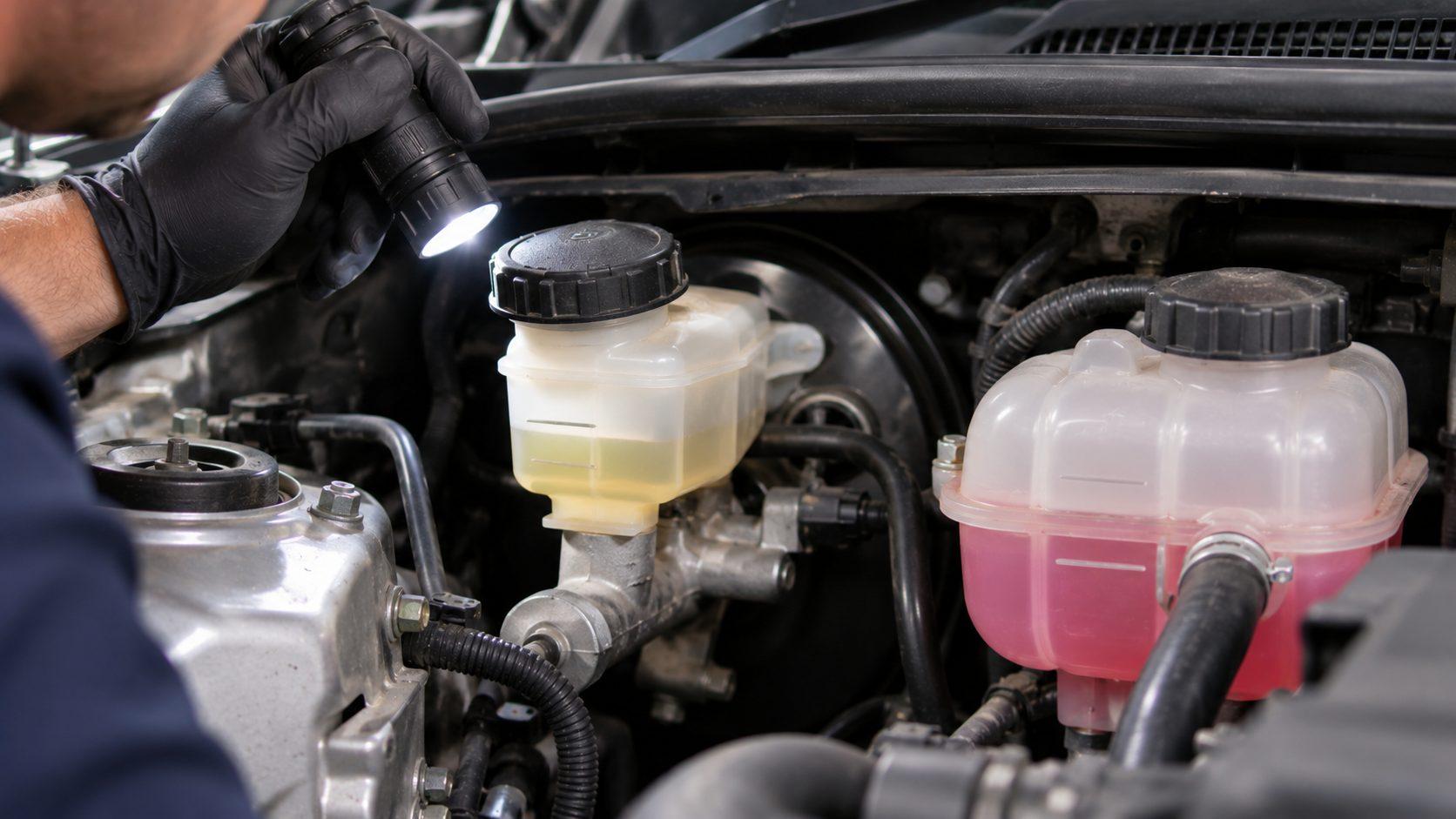
Engine oil, coolant, brake fluid and other essential fluids can reveal a lot about a vehicle's maintenance needs. Low levels may be the result of normal use, but they can also indicate a leak or a developing mechanical issue.
Oil leaks should be assessed rather than ignored. Some are minor seepage that can be monitored, while others can lead to low oil levels, damaged components or oil reaching belts and other parts. Coolant leaks and overheating symptoms need faster action, as continued driving can cause serious engine damage.
Seatbelts, doors and safety equipment
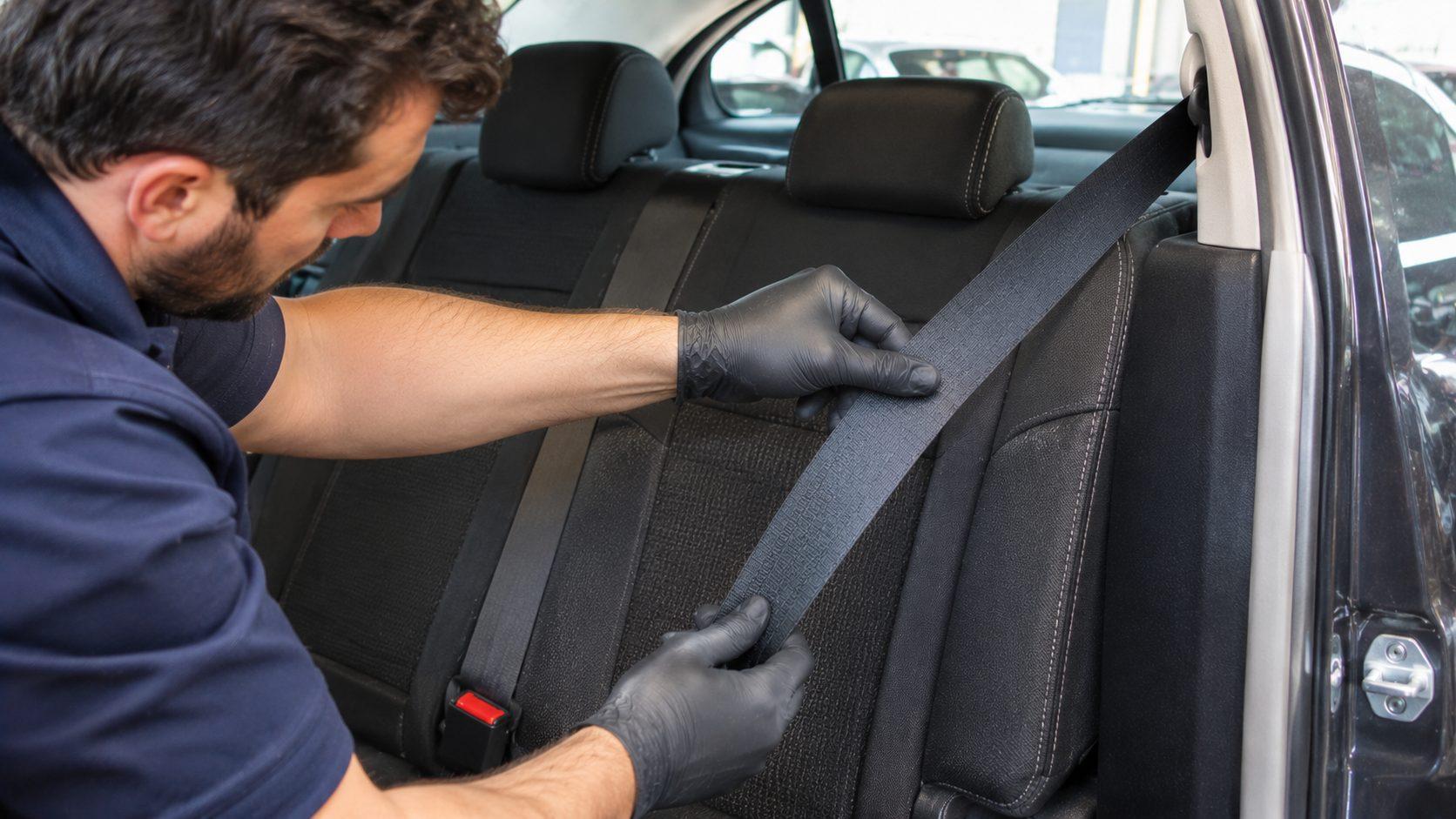
Seatbelts must extend, retract and latch correctly, with no fraying or obvious damage. Doors, bonnets and boots should latch securely, and the horn should operate. Where applicable, warning lights for airbags, ABS, traction control or other safety systems should not be ignored. A diagnostic scan may be needed to find the cause of a warning light rather than simply clearing it.
When should you book an inspection?

There is no single kilometre interval that suits every car. Vehicle age, how far you drive, road conditions and the type of driving you do all matter. For many owners, having key safety items checked at each scheduled service is a sensible baseline.
It is also wise to arrange a check before a road trip, after hitting a pothole or kerb, and before purchasing a used vehicle. A private sale can look tidy on the driveway while hiding worn brakes, suspension damage or an oil leak underneath. A pre-purchase inspection provides information you can use before committing, not after the money has changed hands.
Book sooner if you notice any of the following:
- a warning light that stays on or returns after starting
- vibration, pulling, shuddering or unusual noises while braking
- steering that feels loose, heavy or inconsistent
- tyres losing pressure, wearing unevenly or showing visible damage
- fluid spots where the vehicle is parked
- overheating, a burning smell or reduced engine performance
The earlier a fault is investigated, the more options you are likely to have. Replacing a worn component before it damages related parts is usually more affordable than waiting for a breakdown.
Safety inspections and regular servicing work together
A logbook service follows the manufacturer's service schedule and may include inspections, fluid changes and replacement of scheduled items. A vehicle safety inspection has a more immediate purpose: checking whether the car is safe to drive and identifying concerns that need attention.
Both matter. A well-maintained vehicle is less likely to surprise you with a failed battery, worn brake pads or a cooling-system issue. However, servicing on schedule does not mean you should ignore a new vibration, warning light or handling change between appointments.
This is particularly relevant for European vehicles such as BMW, Audi, Mercedes-Benz and Volkswagen. These cars can provide clear fault information through their onboard systems, but accurate diagnosis still matters. Replacing parts without confirming the underlying issue can be costly and may not fix the problem.
What honest advice should look like
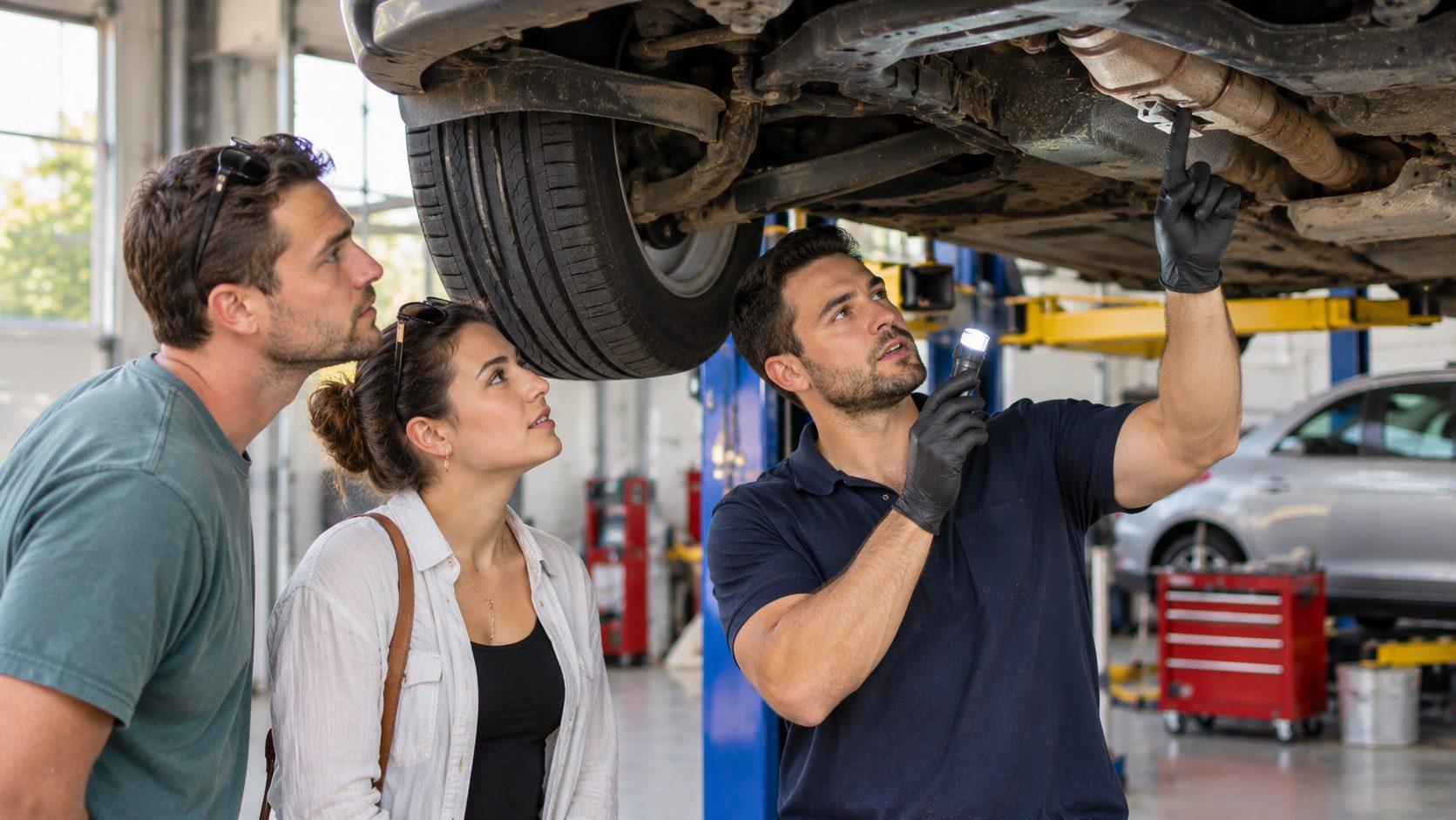
A good workshop does not treat every observation as an emergency. You should be told what needs immediate repair for safety, what should be monitored, and what can reasonably wait until your next service. If tyres are approaching replacement, for example, you need the remaining condition explained, not pressured into a decision without context.
Ask for a clear explanation of the issue, the recommended repair and the likely consequences of delaying it. A transparent quote should separate urgent work from preventative maintenance, so you can make an informed choice. If additional work is discovered after inspection, approval should come before it is carried out.
At Armstrong Creek Motors, the focus is on straightforward assessments, qualified workmanship and advice that makes sense for how you use your vehicle. Whether you drive a family SUV, work ute, commuter hatch or European sedan, the priority is the same: keep it safe, reliable and properly understood.
A vehicle rarely fails without giving some kind of warning first. Paying attention to those signs and arranging an inspection early can protect your passengers, your budget and your confidence every time you turn the key.
Was this article helpful?