



Summarise this article with AI
On this page · 6 sections
Key takeaways
- A roadworthy inspection is a legal compliance process; a safety check is practical preventative care. They overlap but are not interchangeable.
- In most cases a current RWC is needed when selling a registered vehicle in Victoria, transferring its registration or re-registering it.
- A roadworthy certificate is not a promise that the vehicle is fault-free, nor a full report on every mechanical system.
- Book a safety check when the car feels different, before a holiday drive or a used-car purchase, or for confidence between services.
- In Victoria an RWC is generally valid for 30 days from the date of issue, so time the inspection around the sale or registration.
A warning light on the dash, tyres wearing unevenly or brakes that feel a little different can all raise the same question: does your car need a roadworthy or just a safety check? The roadworthy inspection versus safety check distinction matters because one is a legal compliance process, while the other is practical preventative care. They can overlap, but they are not interchangeable.
For Victorian drivers, understanding the difference can prevent an unwelcome surprise when selling a vehicle, transferring registration or preparing for a long trip. It also helps you choose the right appointment rather than paying for a certificate when you need diagnosis, or relying on a quick check when a roadworthy certificate is required.
What a roadworthy inspection is designed to do

A roadworthy inspection is the assessment required before a licensed tester can issue a Victorian Roadworthy Certificate, often called an RWC. Its purpose is to confirm that a vehicle meets the minimum safety standards set for vehicles used on public roads at the time of inspection.
In most cases, a current RWC is needed when selling a registered vehicle in Victoria, transferring its registration, or re-registering a vehicle after registration has lapsed. There are exceptions and special circumstances, so it is sensible to check the current registration requirements for your situation before the sale or transfer is due.
The inspection focuses on safety-related items and the vehicle's identity. This generally includes brakes, tyres and wheels, steering, suspension, lights, windscreen and windows, seats and seatbelts, body and chassis condition, and other components that must meet road safety standards. The examiner is looking for faults, wear or damage that make the vehicle unsafe or non-compliant.
A roadworthy inspection is not a promise that the vehicle is fault-free, nor is it a full report on every mechanical system. A car can meet the roadworthy standard yet still have a noisy wheel bearing beginning to wear, an air conditioning fault, a battery nearing the end of its life or an engine issue that needs attention. Equally, a vehicle that drives well can fail a roadworthy inspection because a safety item does not meet the required standard.
If repairs are needed, they must be completed and checked before the certificate can be issued. In Victoria, an RWC is generally valid for 30 days from the date of issue, so timing the inspection around a planned sale or registration process is worthwhile.
What a vehicle safety check looks for

A safety check is a workshop inspection intended to help you maintain a safe, reliable vehicle. It is not a statutory certificate and cannot replace an RWC when Victoria requires one. Its scope can be tailored to the vehicle, how it is used and any concerns you have noticed behind the wheel.
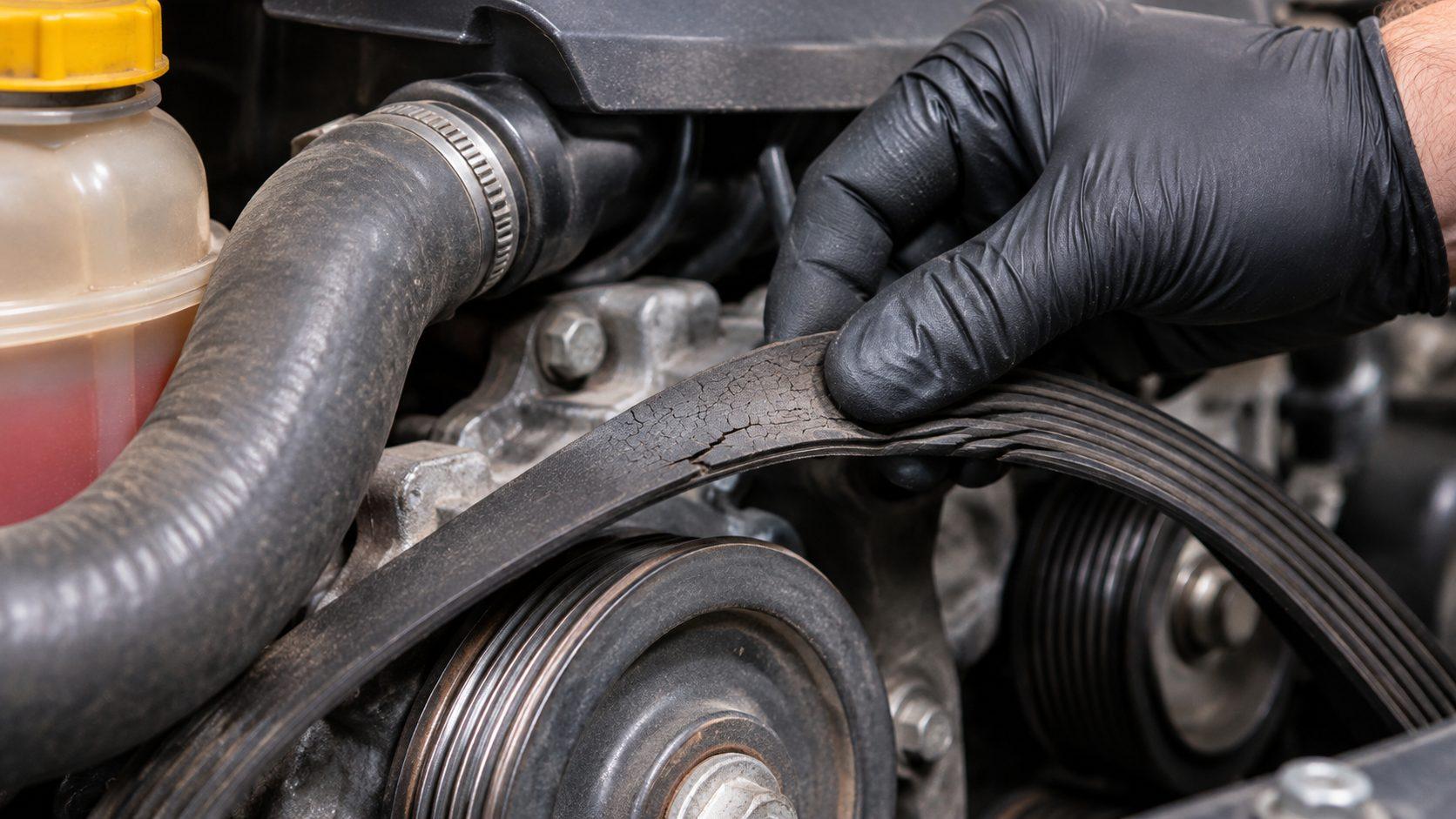
A thorough safety check may cover the condition and operation of brakes, tyres, steering, suspension, lights, wipers, fluid levels, hoses, belts, battery and visible leaks. Depending on the concern, it may also include a diagnostic scan, a closer look at the cooling system, checks for unusual noises or an assessment of drivetrain components.
That broader, maintenance-focused approach is the key difference. A roadworthy inspection asks whether prescribed safety items meet the legal standard today. A safety check asks what may need attention soon, what is causing a symptom, and whether the car is suitable for the way you use it.
For example, a family car might pass a roadworthy inspection while showing early signs of brake disc wear or a weakening battery. Those issues may not stop an RWC from being issued at that stage, but addressing them early can save the inconvenience of a breakdown, a missed school run or an urgent repair later.
Roadworthy inspection versus safety check: the practical difference

The simplest way to decide is to start with your reason for booking. If you need to sell, transfer or re-register a vehicle and an RWC is required, book a roadworthy inspection with a licensed provider. If you are concerned about the car's condition, planning a holiday drive, buying a used vehicle, or simply want confidence between services, book a safety check.
There is also a difference in what happens when an issue is found. During a roadworthy inspection, a defect affecting compliance must be repaired before a certificate can be issued. During a safety check, the workshop can explain the condition, urgency and repair options so you can make an informed decision. Some faults will need immediate attention, while others can be planned for at a future service.
Neither appointment should be treated as a substitute for regular servicing. Engine oil, filters, cooling system maintenance, transmission servicing and manufacturer-scheduled inspections all protect the vehicle in ways that a roadworthy certificate does not cover. This is particularly relevant for European vehicles, where correct servicing procedures and diagnostic equipment can make a significant difference to long-term reliability.
When a safety check is the better choice

A safety check makes sense whenever the car has changed in feel or behaviour, even if no warning light has appeared. Pulling under braking, vibration through the steering wheel, a clunk over bumps, slow starting, burning smells and fluid spots where you park are all good reasons to have the vehicle assessed.
It is also a sensible step before a used-car purchase. An RWC can be useful evidence that a vehicle met the relevant safety standard when inspected, but it is not the same as a pre-purchase mechanical assessment. Before committing to a second-hand car, you may want a more detailed inspection that considers mechanical condition, likely repair costs and issues that could affect ownership in the months ahead.
For fleet vehicles and high-kilometre commuters, regular safety checks can reduce downtime. Catching tyre wear, brake wear, suspension movement or battery weakness early is usually easier to organise than dealing with a vehicle that cannot be driven safely.
How to prepare for a roadworthy inspection

Do not wait until the day before a private sale if you can avoid it. Give yourself time for repairs in case the inspection identifies an issue. Check that lights are working, tyres are in sound condition, the windscreen is clear enough for safe vision and the vehicle is reasonably clean, particularly around areas that need to be inspected.
Bring any relevant information about the vehicle if requested, and be upfront about recent repairs or known concerns. A good workshop will explain what has been found in plain language, identify what is needed for compliance, and provide a transparent quotation before repair work begins. There should be no guesswork about the next step or pressure to approve work you do not understand.
Getting the right advice before problems grow
The best approach is not to view a roadworthy inspection as the only time your car's safety matters. Regular servicing and prompt attention to changes in braking, handling, tyres or warning lights give you more choice and reduce the chance of a last-minute repair bill.
At Armstrong Creek Motors, drivers can book a licensed roadworthy inspection when they need a certificate, or a straightforward safety assessment when they need clear answers about their vehicle. The useful next step is simply to book the check that matches your situation, ask questions early and keep small concerns from becoming bigger ones.
Was this article helpful?