


Summarise this article with AI
On this page · 7 sections
Key takeaways
- A flat battery can come from the alternator, a poor connection or a drain while parked, not only an old battery.
- A fault code is a starting point that needs testing against live data and voltage readings.
- On newer cars, low system voltage can set off several unrelated warning lights at once.
- A burning smell, a hot battery terminal or fuses that keep blowing need prompt attention.
A technician tests the battery, alternator, wiring and fuses, reads the fault codes against live data, and finds the cause before replacing any part.
A car that will not start on a busy morning, a battery light that appears halfway to work, or headlights that suddenly dim can quickly turn a normal day into a stressful one. Proper car electrical fault diagnosis Geelong drivers can rely on is not about replacing the first part that looks suspicious. It is about testing the system, finding the actual cause and explaining the repair clearly before work begins.
Modern vehicles depend on electrical systems for far more than starting the engine. Fuel injection, ignition, safety systems, air conditioning controls, central locking, reversing cameras and engine management all depend on reliable voltage, wiring and communication between components. When one part develops a fault, the symptoms can be confusing - and the wrong repair can cost more without fixing the problem.
Why electrical faults need proper testing
A flat battery does not always mean you need a new battery. It could be an ageing battery that no longer holds charge, but it may also point to an alternator that is not charging correctly, a loose terminal, a corroded earth connection or a component drawing power while the vehicle is parked.
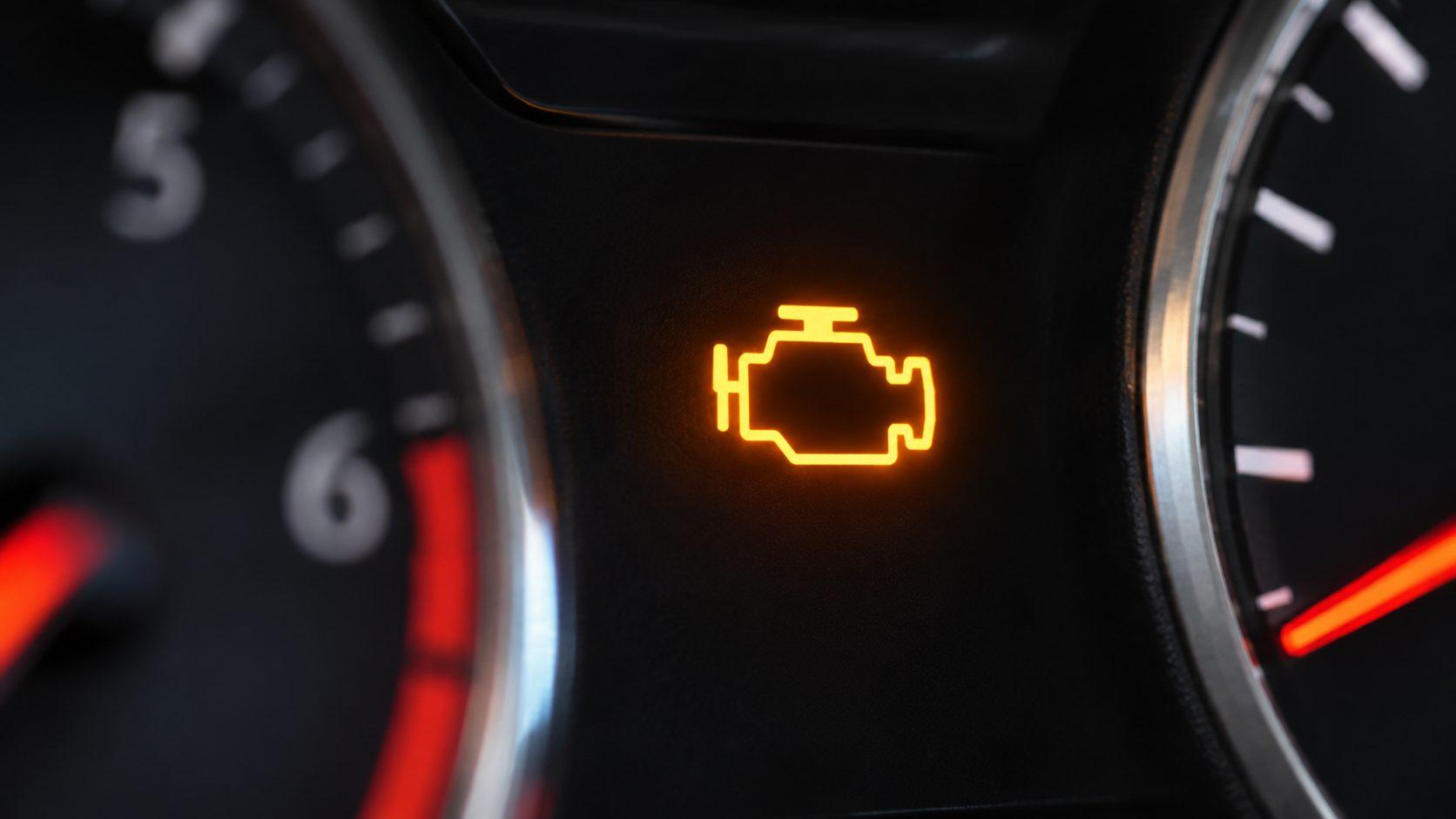
Likewise, a warning light is not a diagnosis by itself. The light tells you that the vehicle has detected an issue. The fault code stored in the computer gives a technician a useful starting point, but it still needs to be tested against live data, voltage readings and the vehicle's behaviour. Replacing parts solely based on a code is often guesswork.
This matters particularly in newer vehicles, where a low-voltage battery can trigger several unrelated warnings. You might see alerts for traction control, steering, ABS or engine management when the underlying issue is simply unstable system voltage. A qualified technician works through the evidence rather than treating every warning as a separate repair.
Common signs your car may have an electrical fault
Electrical issues are not always dramatic. Some start intermittently, then become more frequent as connections deteriorate or a battery loses capacity. Paying attention early may help prevent a no-start situation or a breakdown away from home.
You may notice slow cranking when starting, flickering dashboard lights, dim headlights, warning lights that come and go, or accessories that behave unpredictably. Windows may operate slowly, the radio may reset, central locking may fail intermittently, or the air conditioning controls may stop responding as expected.
A burning smell, hot battery terminal, melted fuse holder or repeatedly blown fuse needs prompt attention. These signs can indicate excessive resistance, a short circuit or an overloaded component. Continuing to drive may risk further damage to wiring or electrical modules.
It also helps to notice when the issue occurs. Does it happen only after the car has sat overnight? Only when using the headlights or air conditioning? Only in wet weather or after driving over bumps? Those details can help narrow down whether the fault relates to charging, battery drain, moisture ingress, wiring movement or a particular electrical load.
What happens during car electrical fault diagnosis in Geelong
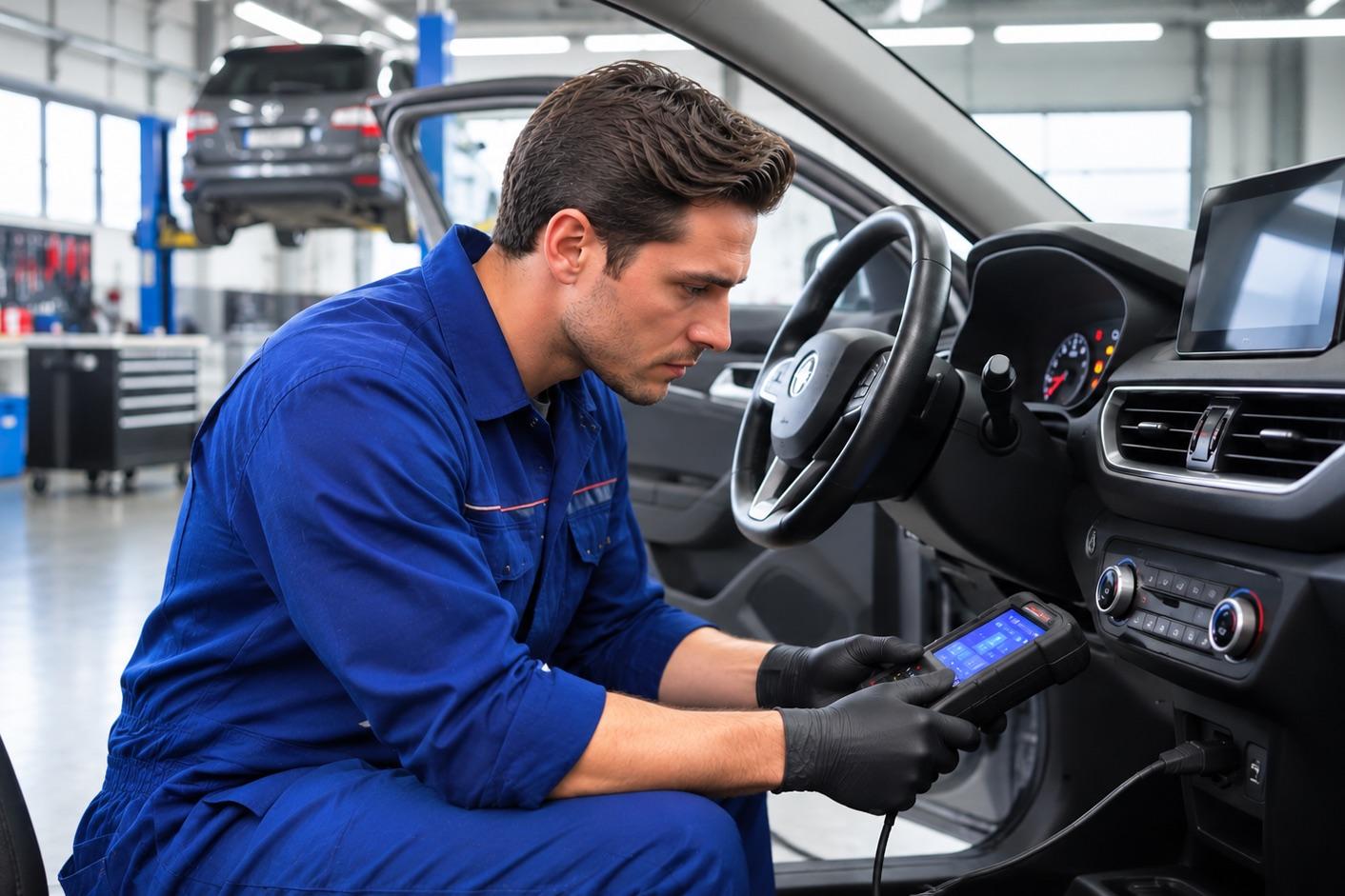
A proper diagnosis starts with listening. The technician should ask about the symptoms, when they first appeared, how often they occur and any recent repairs or battery replacements. A clear description from the driver is valuable, especially with intermittent faults that may not appear the moment the vehicle enters the workshop.
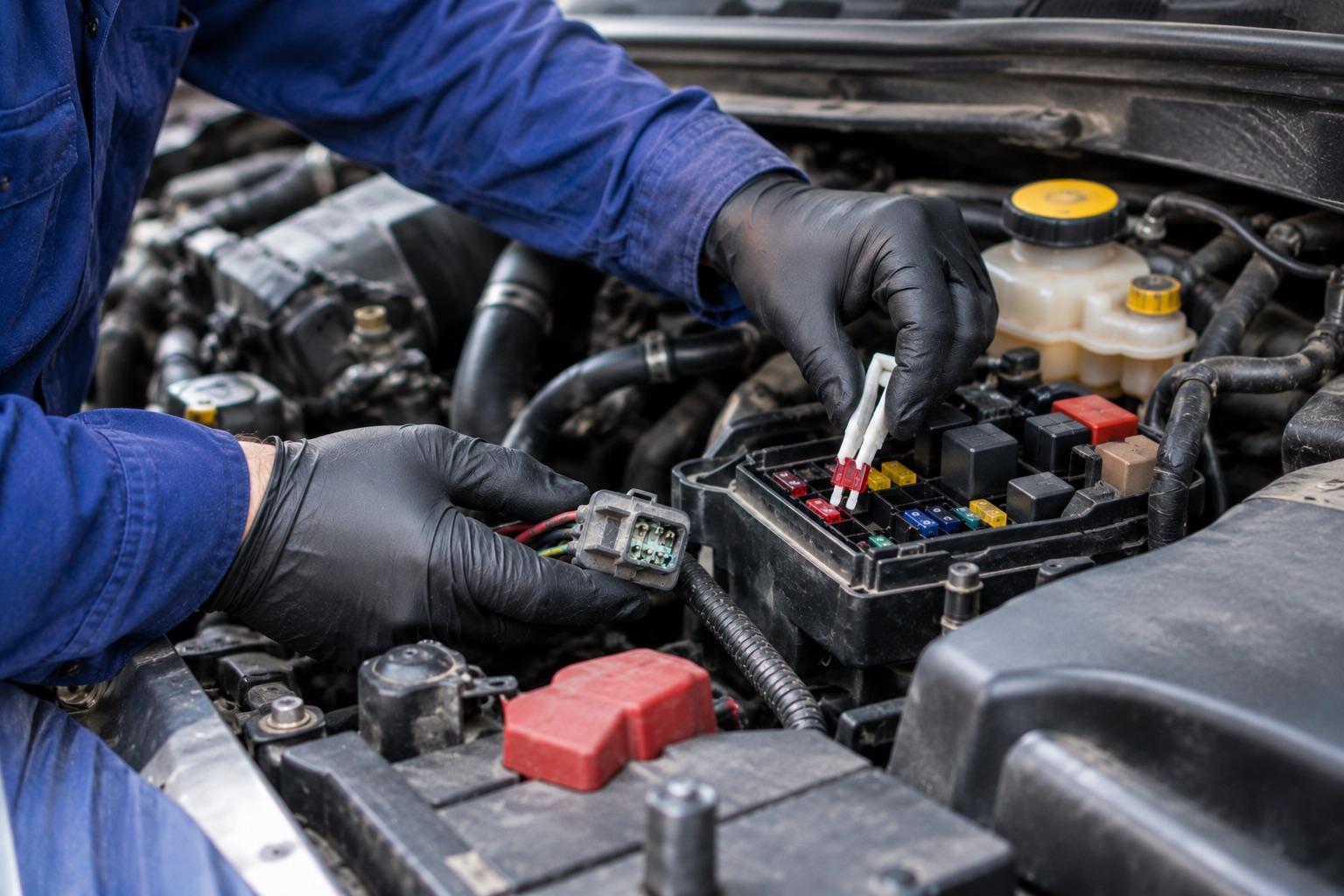
The next step is a visual inspection of the battery, terminals, main cables, fuses, relays and visible wiring. Corrosion, poor previous repairs, damaged insulation and loose earth points are common causes of trouble. On some vehicles, damage caused by rodents or water entering a connector can create faults that are difficult to spot without methodical inspection.
Battery and charging-system tests then confirm whether the battery has sufficient capacity and whether the alternator is delivering the right voltage under load. Testing under load matters. An alternator may appear acceptable at idle but struggle when headlights, demister, blower fan and other accessories are operating.
Diagnostic scan tools are used to check fault codes and communication between vehicle modules. For EFI, engine management, ABS and many modern convenience systems, technicians can assess live readings rather than relying on a dashboard warning alone. The scan is one part of the process, not the final answer.
Where necessary, further circuit testing is carried out with specialised equipment. This can include voltage-drop testing, continuity testing and checking current draw while the vehicle is switched off. These tests help locate high-resistance connections, broken wires and parasitic drains that flatten a healthy battery over time.
Battery, alternator or wiring: why the difference matters
These faults can feel similar from the driver's seat. The car may be hard to start, warning lights may appear or the battery may keep going flat. The repair, however, depends entirely on the cause.
If the battery is worn out, replacement is usually straightforward. If the alternator is undercharging, a new battery alone will only postpone the issue. If there is an excessive current draw while the car is parked, fitting a battery without tracing the drain can result in the same flat-battery problem days later.
Wiring faults can require more investigation because the affected section needs to be located and repaired correctly. A quick join in the wrong place, or a poor-quality repair that allows moisture in, can lead to repeat faults. There is a balance here: some access work takes time, particularly where wiring runs behind dashboards or through door looms. Good diagnosis helps ensure that time is spent where it will actually solve the problem.
European vehicles and advanced electronic systems
BMW, Audi, Mercedes-Benz and Volkswagen models often have multiple control modules and sophisticated battery-management systems. These vehicles benefit from suitable diagnostic equipment and technicians who understand how the systems interact.
For example, fitting a replacement battery on some European vehicles may require battery registration or adaptation so the charging strategy matches the battery's type and capacity. Ignoring that step can affect battery life and charging performance. It is another reason electrical repairs should not be reduced to a quick swap of parts.
Advanced diagnostics do not mean dealership-only servicing. Under the ACCC's Motor Vehicle Information Scheme, manufacturers must make their service and repair information available to independent repairers, and in 2026 the ACCC had Mazda, Kia and BYD cut the cost of that diagnostic access after investigating each of them. An independent workshop with the right equipment and technical knowledge can provide a practical alternative, with direct communication and fair pricing. At Armstrong Creek Motors, the focus is on testing the fault properly and discussing the recommended repair in plain language before proceeding.
How to help avoid repeat electrical problems
Not every electrical fault is preventable, but a few habits can reduce the chance of being caught out. Regular servicing allows battery condition, charging performance and obvious cable corrosion to be checked before they create a starting problem. If your car is used only for short trips, the battery may not receive enough recharge time to recover from each start.
Avoid leaving accessories plugged in when the vehicle is parked for extended periods, especially dash cameras, mobile chargers and aftermarket equipment. If accessories have been installed recently and a battery drain begins soon after, mention it during diagnosis. It may or may not be the cause, but it is useful information.
Act early when you notice a warning light, slow starting or electrical behaviour that is out of character. An intermittent fault can be easier to identify before it progresses into a complete failure. Keep a brief note of the conditions when it happens and bring that information to your booking.
Clear advice before the repair
The best electrical diagnosis gives you more than a list of fault codes. You should understand what has been tested, what the results show, which repair is recommended and why. If there are options - such as repairing a section of wiring versus replacing a component - the cost, expected outcome and any limitations should be discussed honestly.
For vehicle owners across Geelong, Grovedale, Armstrong Creek and nearby suburbs, that clarity can take much of the stress out of an unexpected warning light or no-start problem. A careful diagnosis protects your vehicle, your time and your budget, and gives you a sound basis for the next step rather than another round of guesswork.
More on our car repairs in Geelong.
Was this article helpful?