


Summarise this article with AI
On this page · 6 sections
A European car is rewarding to drive when it is maintained properly. Leave small issues too long, though, and a minor oil seep, warning light or cooling fault can become an expensive repair. This European car maintenance guide explains what owners of BMW, Audi, Mercedes-Benz and Volkswagen vehicles should keep an eye on, and why specialist servicing can make a real difference.
European vehicles are engineered with tight tolerances, advanced electronics and model-specific service requirements. That does not mean they are unreliable or difficult to own. It means they need the right oil, parts, diagnostic equipment and maintenance schedule, rather than a one-size-fits-all approach.
Why European servicing is different
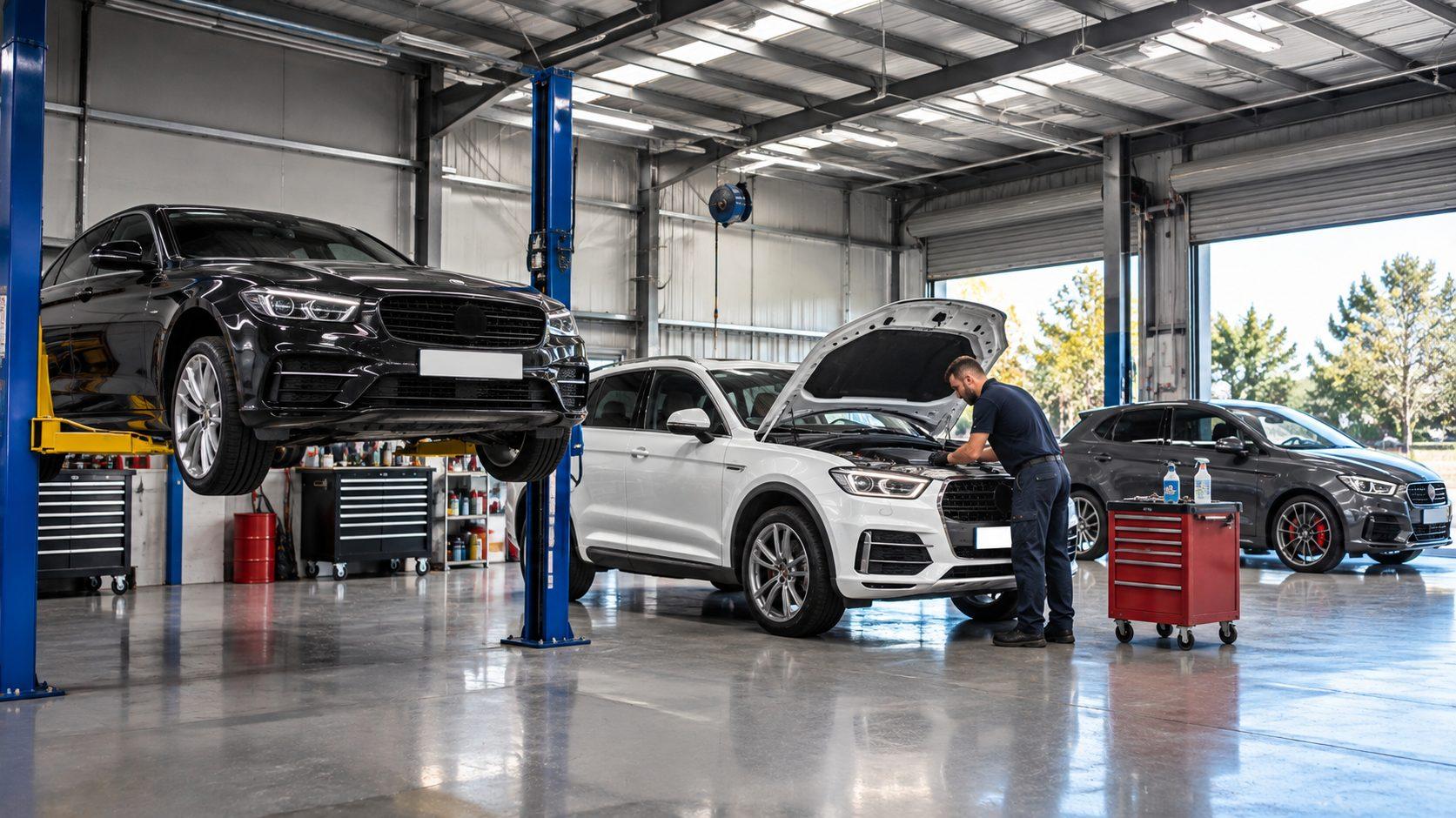
Most late-model European cars use sophisticated onboard systems to monitor engine performance, emissions, transmission operation, braking and driver safety features. A dashboard message may look simple, but the cause can sit anywhere from a weak battery to a sensor fault, wiring issue or mechanical problem.
The correct diagnostic process matters. Clearing a fault code without testing the underlying cause can leave you back at the workshop weeks later, often with a more serious issue. A proper inspection combines scan-tool data with physical checks of components, fluid levels, leaks, electrical connections and vehicle history.
Servicing also needs to follow the manufacturer's specifications. Engine oils, coolant types, transmission fluids and replacement parts are not interchangeable across every make and model. Using an incorrect fluid or low-quality part might save money at the counter, but it can affect performance, service life and warranty obligations.
European car maintenance guide: the essentials
Your logbook is the best starting point for service intervals, but kilometres alone do not tell the full story. Short trips, stop-start commuting, hot Victorian summers, cold starts and long periods sitting unused can all place extra strain on a vehicle.
A European car that mainly does school runs and short drives around Geelong may need attention sooner than one covering regular highway kilometres. It is worth discussing how you use the car with your mechanic, rather than relying only on the service reminder displayed on the dash.
Use the right engine oil and change it on time
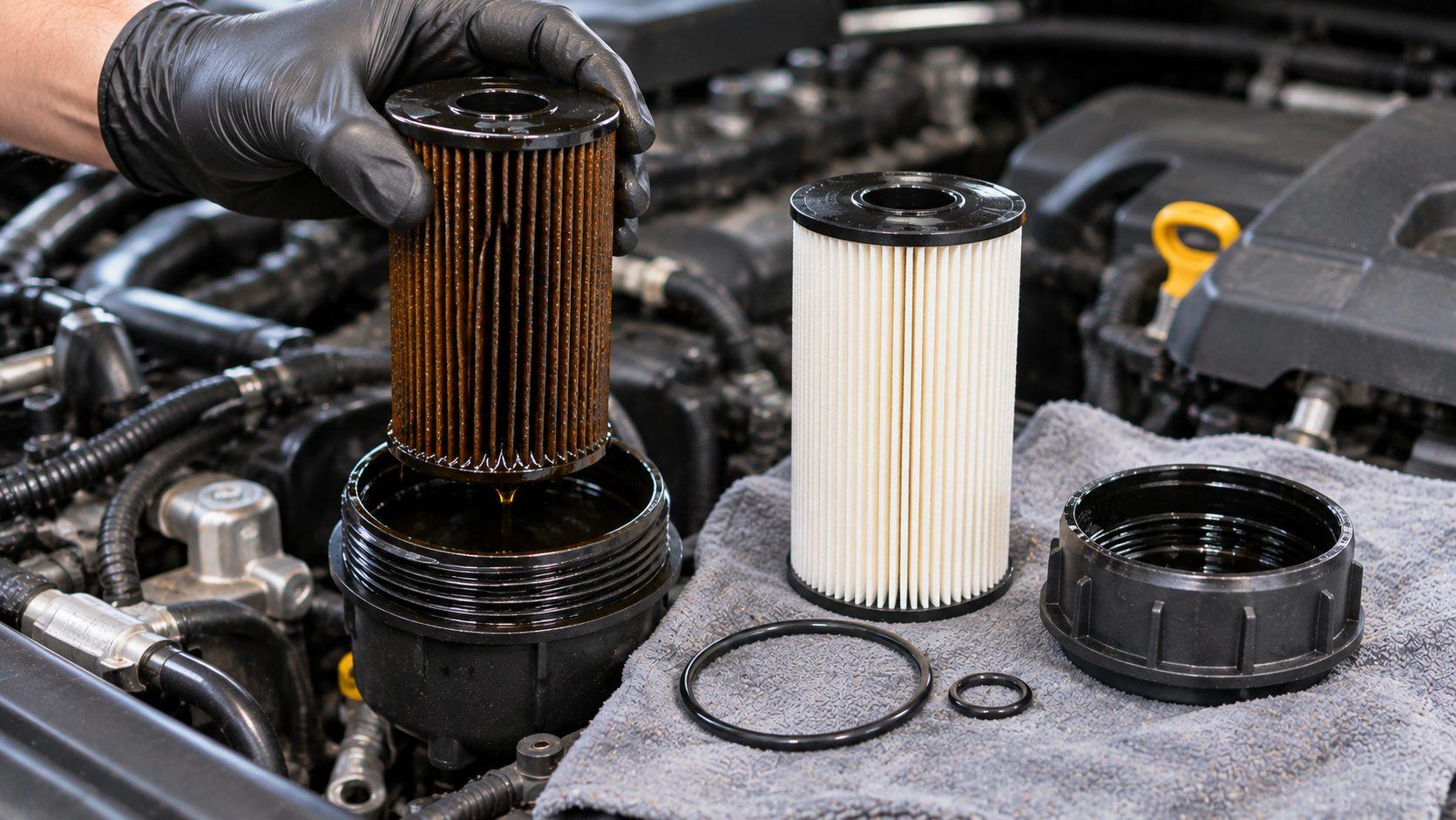
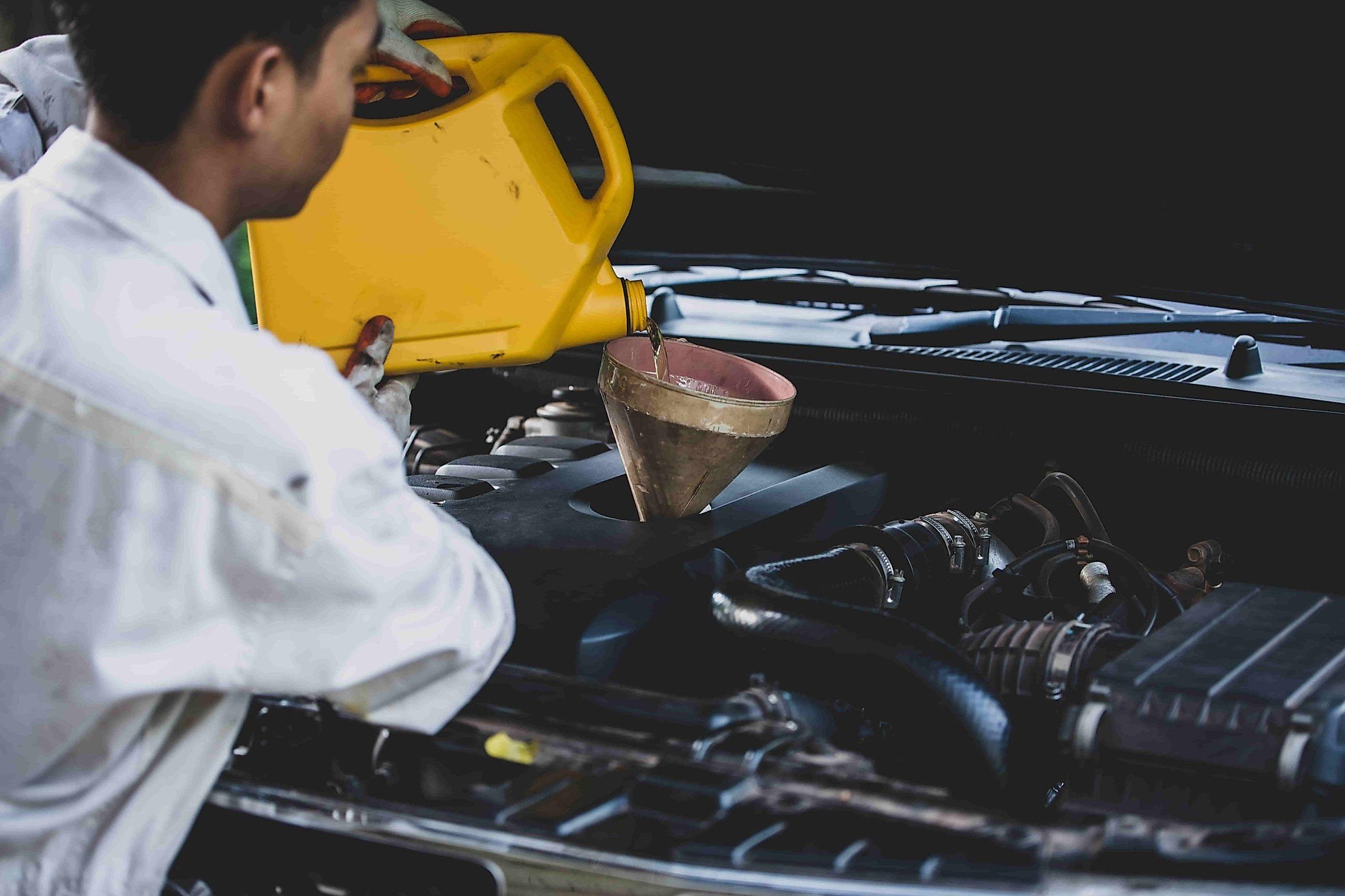
Modern European engines commonly require fully synthetic oil that meets a particular manufacturer approval. The grade printed on the oil cap is only part of the requirement. The oil must also meet the specification designed for that engine, particularly where turbochargers, particulate filters or extended drain intervals are involved.
Delaying an oil service can lead to sludge buildup, accelerated timing component wear and reduced turbocharger life. If your car has high kilometres, consumes oil or has a history of short trips, regular oil checks between services are sensible. Never assume that a warning light is the first sign of low oil.
Do not ignore cooling system changes
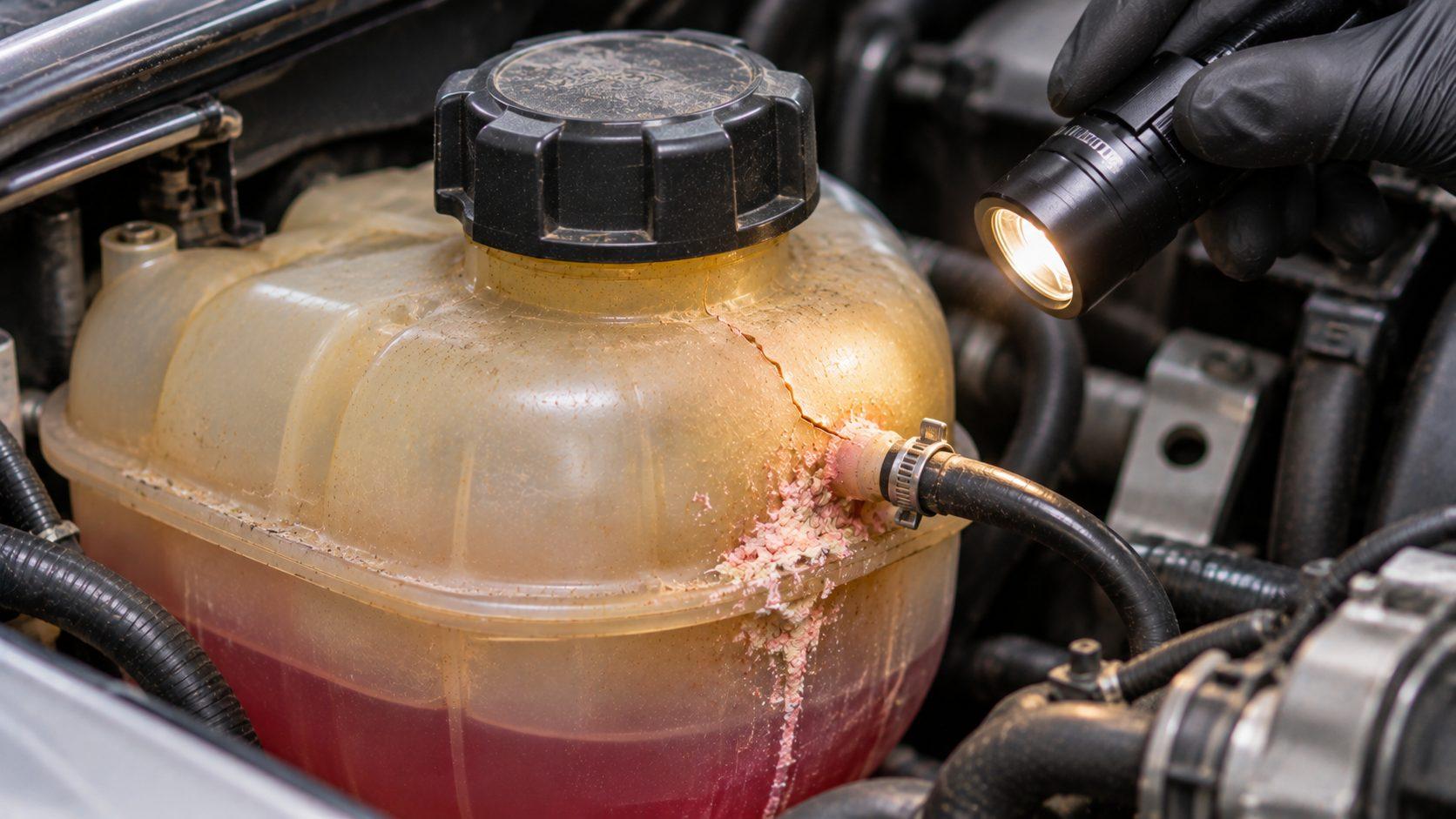
A sweet smell, coolant warning, rising temperature gauge or unexplained loss of coolant needs prompt attention. European cooling systems often use plastic housings, expansion tanks, hoses, thermostats and water pumps that can wear or leak as the vehicle ages.
A small leak may initially leave no puddle under the car, especially if coolant evaporates on a hot engine. Continuing to drive with a cooling problem risks overheating, which can cause major engine damage. Early diagnosis is almost always the more affordable option.
Keep transmission and clutch servicing on the radar
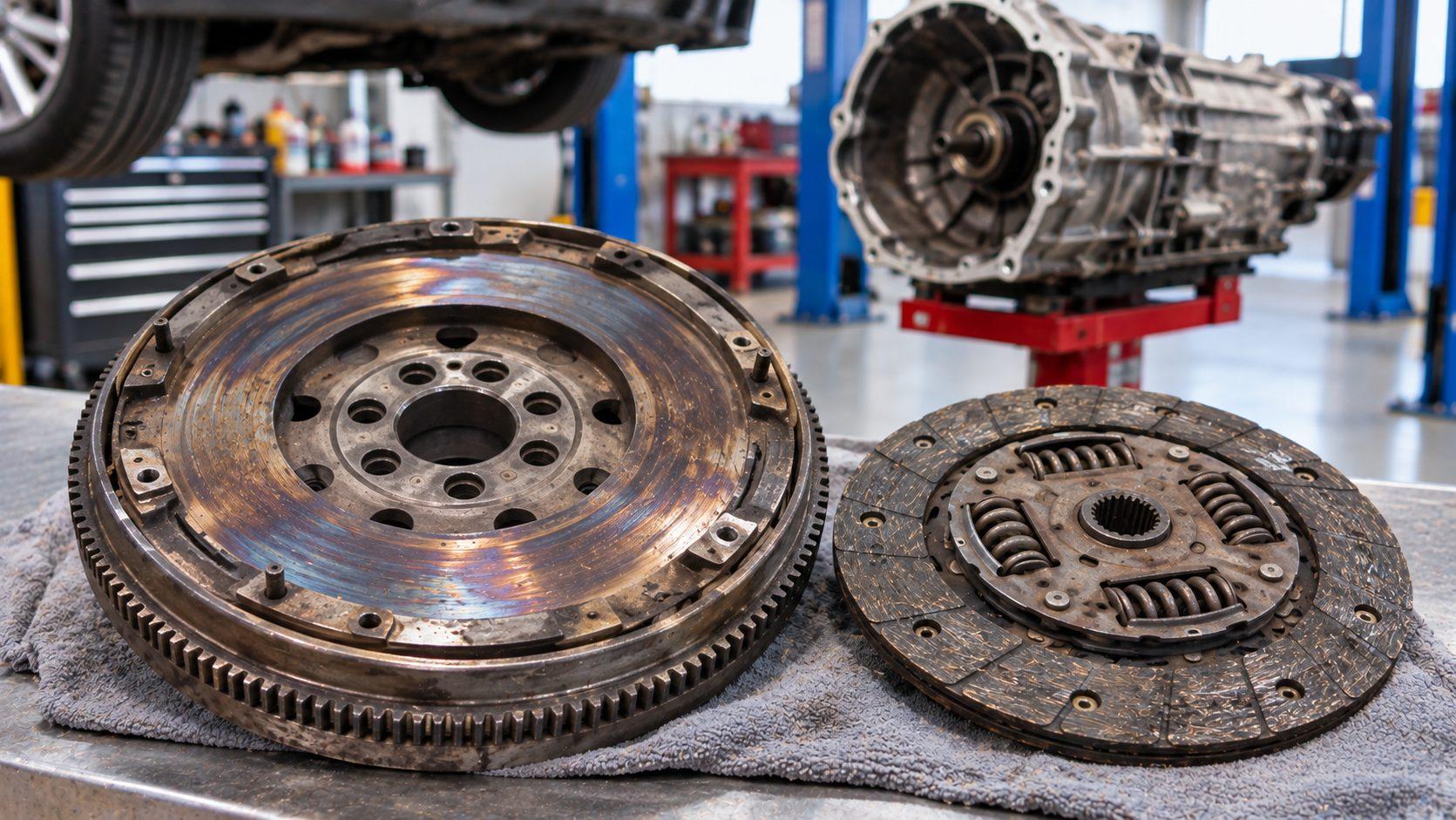
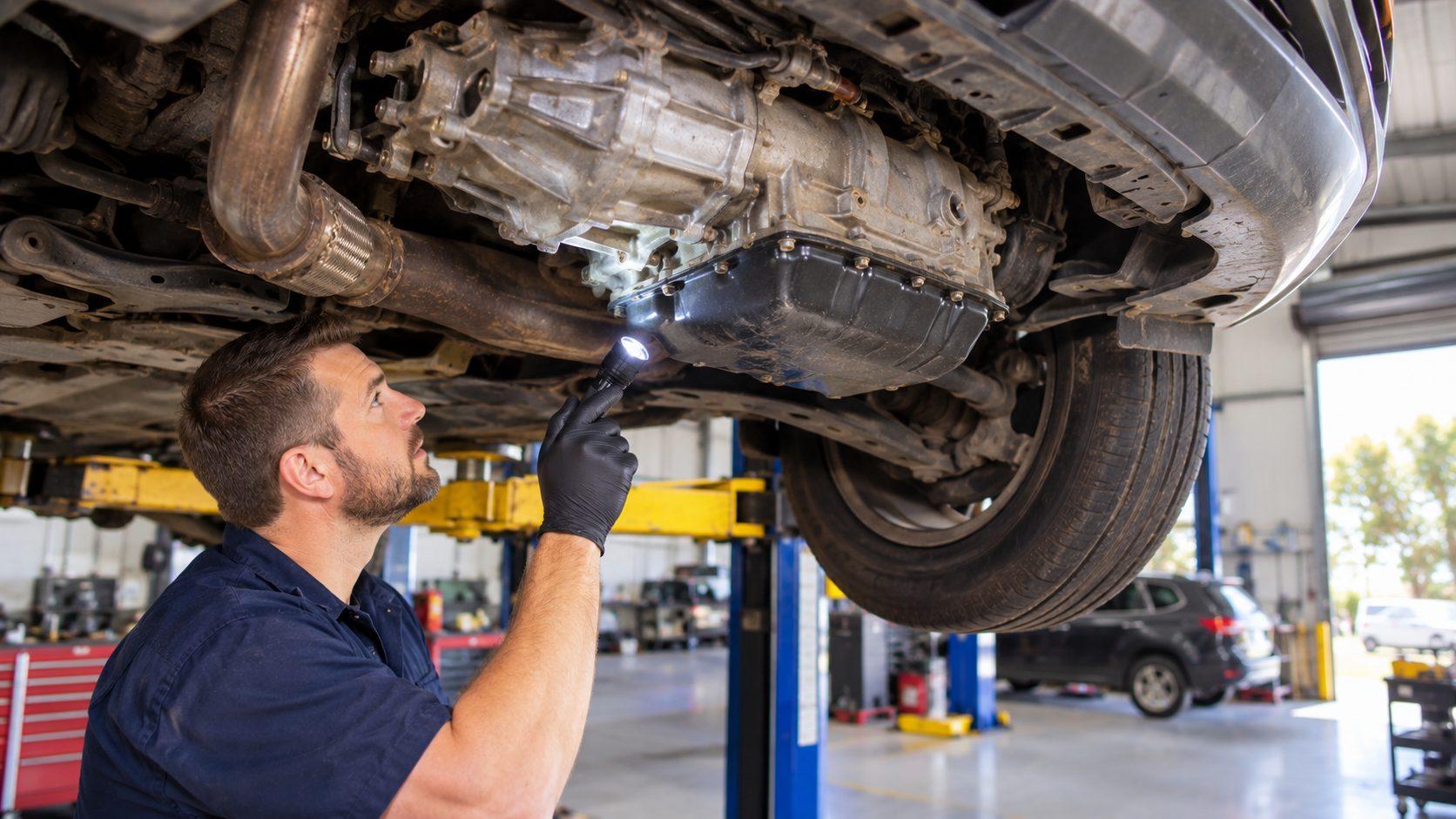
Automatic and dual-clutch transmissions need the correct fluid and service procedure. Although some vehicles are marketed with "lifetime" transmission fluid, that wording does not always reflect real Australian driving conditions or the long-term ownership plans of the driver.
Rough shifts, delayed engagement, shuddering, slipping or a transmission warning message should be assessed early. For manual vehicles, a heavy clutch pedal, slipping under acceleration or difficulty selecting gears can point to clutch wear, hydraulic faults or a problem with the dual-mass flywheel. These faults are easier to plan for when identified before complete failure.
Give brakes, tyres and suspension proper attention
European cars are often heavier and more performance-focused than many drivers realise. That can mean faster wear on brake pads, rotors and tyres, particularly in urban traffic. A brake inspection should assess more than pad thickness. Rotors, calipers, brake fluid, sensors and flexible hoses all matter to safe stopping performance.
Suspension concerns can be less obvious. Clunks over bumps, uneven tyre wear, wandering steering or a change in ride height may indicate worn bushes, ball joints, shock absorbers or control arms. Leaving these issues can affect tyre life, wheel alignment and braking stability.
Treat electrical warnings seriously, but calmly
European vehicles rely heavily on electrical systems. A weak battery can create a surprising range of warning lights, from stability control and parking sensor alerts to transmission or steering messages. Before replacing costly modules, the battery, charging system and vehicle scan data should be checked.
Battery replacement may also require coding or registration so the car's charging system recognises the new battery type and capacity. This is particularly relevant for vehicles with stop-start technology or advanced battery management systems.
Common issues worth checking before they grow
Not every noise or warning light means a major repair, but waiting for a problem to become obvious rarely makes it cheaper. Book an inspection if you notice any of the following:
- oil spots where the car is parked, a burning oil smell or smoke from the engine bay
- coolant loss, overheating, a temperature warning or a heater that suddenly blows cold
- hesitation, reduced power, rough idling or an engine management light
- rattles, vibration, braking noises or a change in steering feel
- hard starts, flickering electrical features or repeated battery warnings
Oil leaks can come from a gasket, seal, filter housing or vacuum pump, depending on the vehicle. A good repair starts with locating the source rather than replacing parts based on guesswork. The same approach applies to engine lights, where the stored code is a clue, not a complete diagnosis.
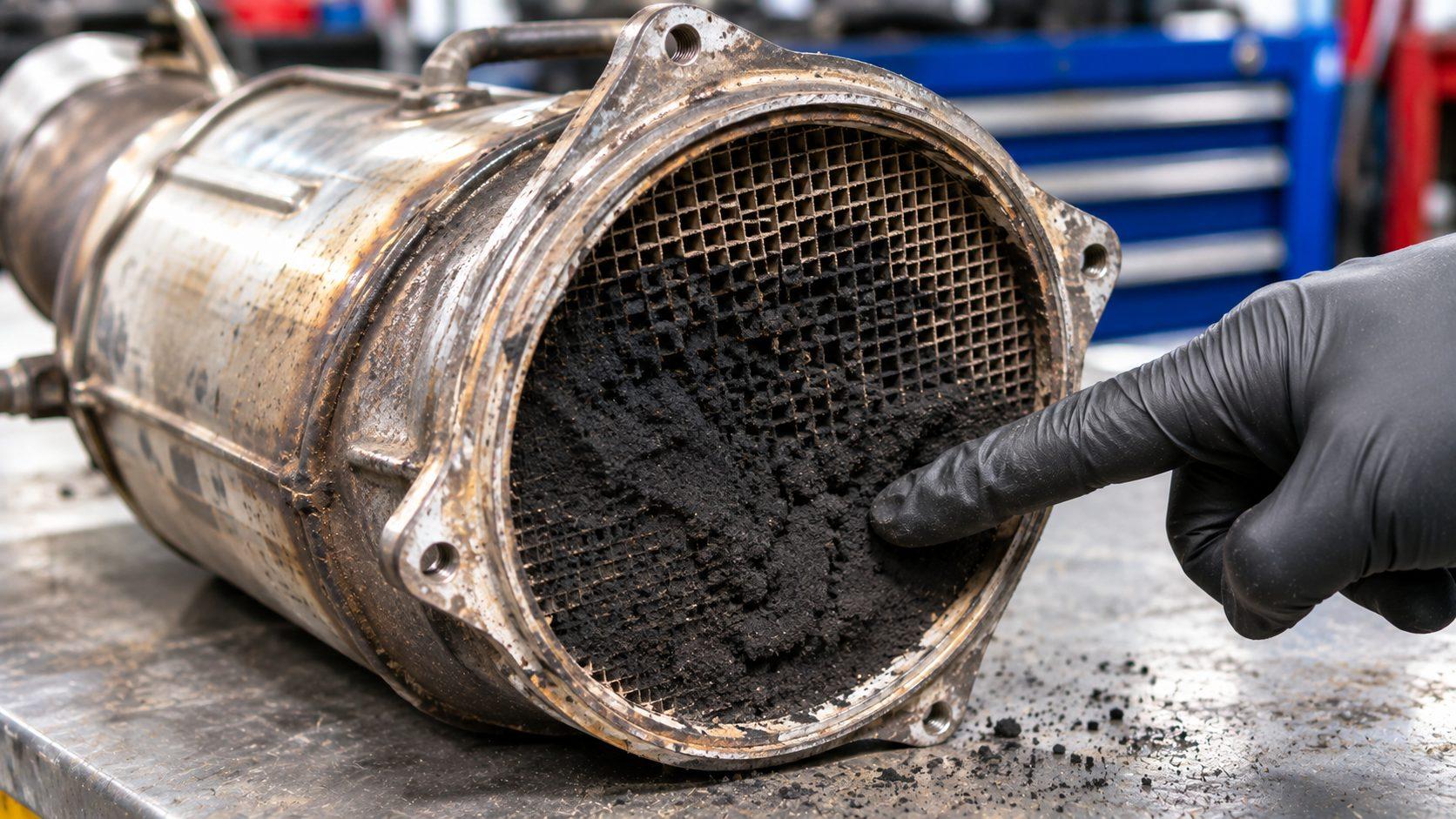
For diesel vehicles, pay particular attention to diesel particulate filter and emissions-system warnings. Frequent short trips may not allow the vehicle to complete a normal regeneration cycle. In some cases, a longer drive can help, but it depends on the warning, fault codes and condition of the system. Continuing to drive with a flashing warning or reduced-power mode needs professional advice.
Parts choice: cheap is not always good value
There is a sensible middle ground between dealership-only parts and the cheapest available option. Quality original equipment or reputable aftermarket components can offer excellent value when they are suitable for the job. The key is knowing where compromises are reasonable and where they are not.
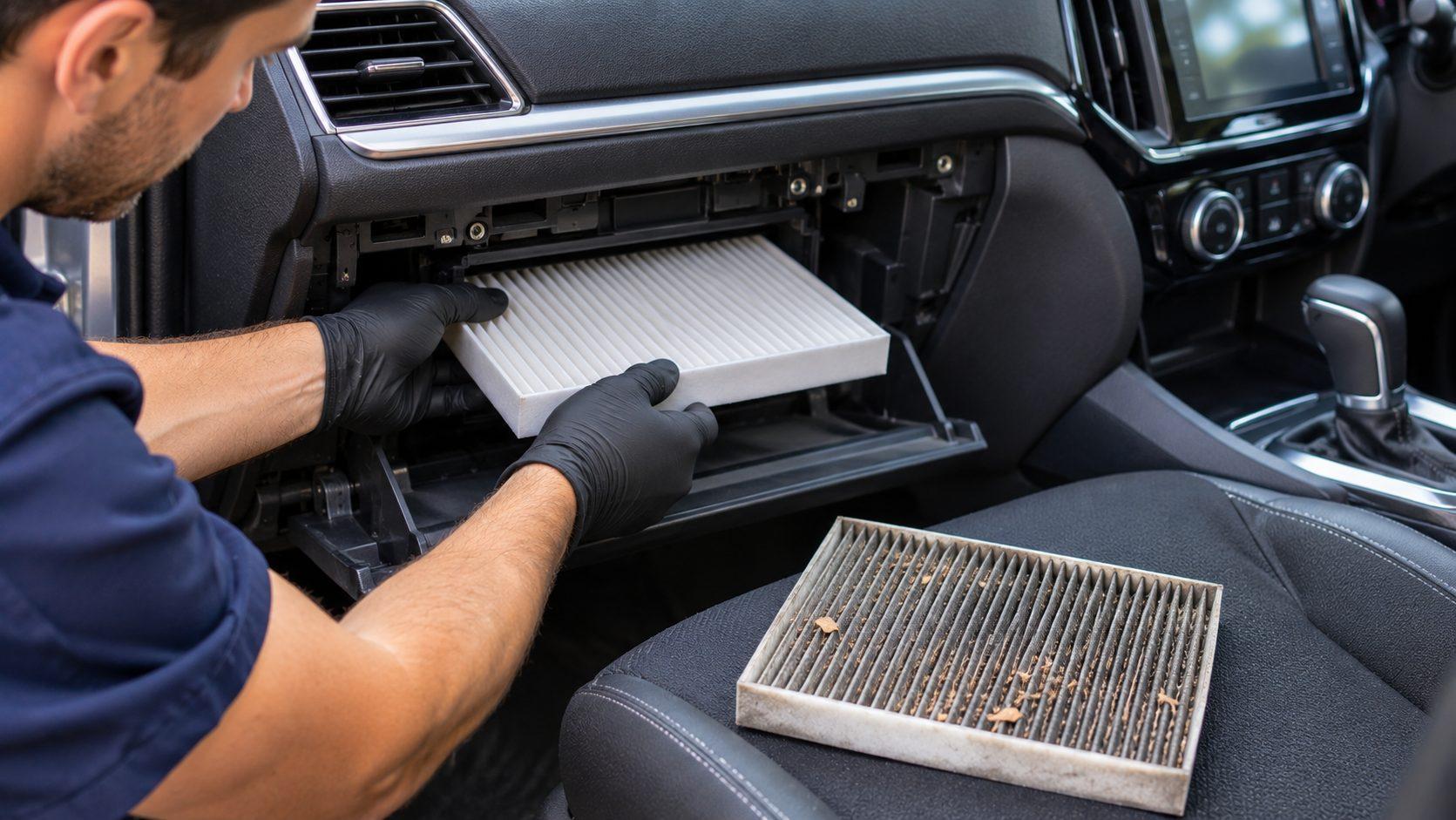
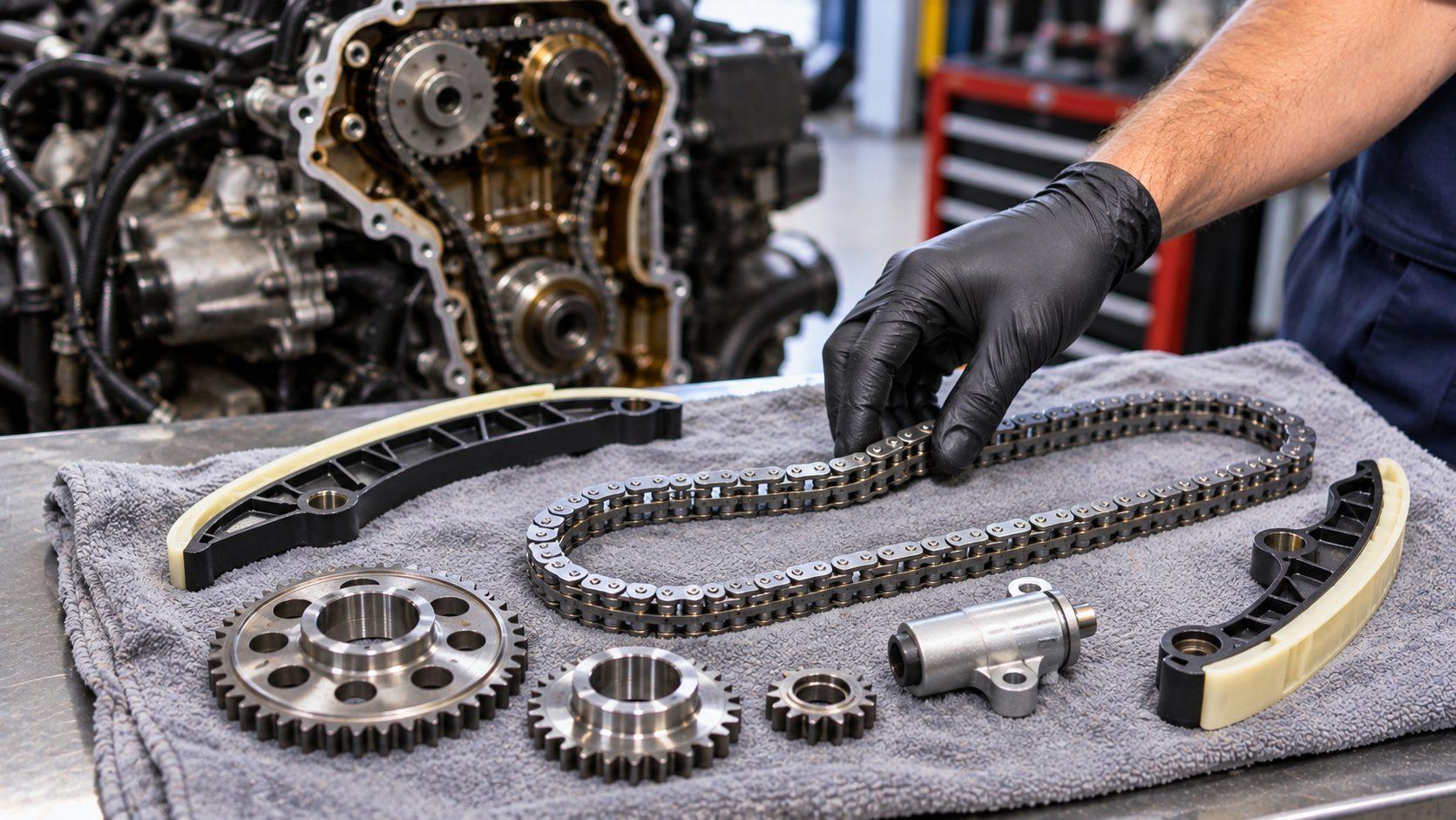
For example, a quality cabin filter may be a practical saving, while critical items such as timing components, water pumps, brake parts and electrical sensors should be selected carefully. Poor-quality parts can fail early, fit incorrectly or create new fault codes, turning an initially cheaper repair into a repeat visit.
Ask for a clear quote that explains the work recommended, the parts being used and whether any repairs can safely wait. Honest advice includes telling you when a component should be monitored rather than replaced immediately.
Servicing, roadworthy checks and used-car confidence
A routine service and a roadworthy inspection serve different purposes. A service focuses on maintenance and the condition of mechanical systems. A roadworthy certificate checks whether a vehicle meets the minimum safety standards required for sale, transfer or re-registration in Victoria.
A vehicle can be roadworthy while still needing maintenance, and a well-serviced car can still need repairs before it passes a roadworthy inspection. If you are buying a used European car, an independent pre-purchase inspection is worthwhile. It can identify leaks, fault codes, worn tyres, brake wear, suspension issues and signs that scheduled maintenance has been missed.
Service records are especially valuable on BMW, Audi, Mercedes-Benz and Volkswagen vehicles. They show whether major scheduled work, such as timing belt replacement where applicable, transmission servicing, spark plugs or brake fluid changes, has been completed. Missing history does not automatically make a car a bad purchase, but it should be reflected in the price and your maintenance budget.
Choose clear advice over confusing jargon
You should leave a workshop understanding what was found, what needs attention now and what can be planned for later. That is particularly important with European vehicles, where technical language can make a straightforward repair sound more complicated than it is.
At Armstrong Creek Motors, European vehicle servicing is approached with specialist diagnostics, quality parts and practical advice, without dealership-style confusion. Whether your car needs a logbook service, fault diagnosis, brake repairs or a roadworthy inspection, the aim should be the same: fix the right issue, explain the work clearly and help you avoid preventable breakdowns.
A small warning light or unfamiliar noise is a good reason to book a check, not a reason to panic. Address it early, keep accurate service records and give your European car the maintenance it was designed to receive.
Was this article helpful?