
Summarise this article with AI
On this page · 7 sections
Key takeaways
- In Australia you generally don't need dealer servicing to keep your new-car warranty.
- The service must follow the manufacturer's requirements, with the specified oil, fluids and parts and a proper record.
- A prepaid service plan, a recall or a warranty claim may still need the dealer.
- A cheap advertised price may not include the items your car is actually due for.
No. In Australia you can generally have a new car serviced by a qualified independent workshop without affecting its warranty, as long as the manufacturer's requirements are followed.
A service reminder appears on the dash, and many owners assume dealer servicing is the only safe choice. It is understandable: modern vehicles are packed with electronics, manufacturer schedules can be detailed, and nobody wants to put a warranty at risk. But a dealership is not the only place capable of maintaining a vehicle properly. The key is choosing a qualified workshop that follows the right process, uses suitable parts and fluids, and gives you clear records of the work completed.
For drivers around Geelong, the better question is not simply, "dealer or independent mechanic?" It is whether the workshop understands your vehicle, explains what it needs, and stands behind the job. A quality independent service can provide exactly that, without the impersonal handover or inflated costs that often come with a dealer visit.
What dealer servicing is meant to provide

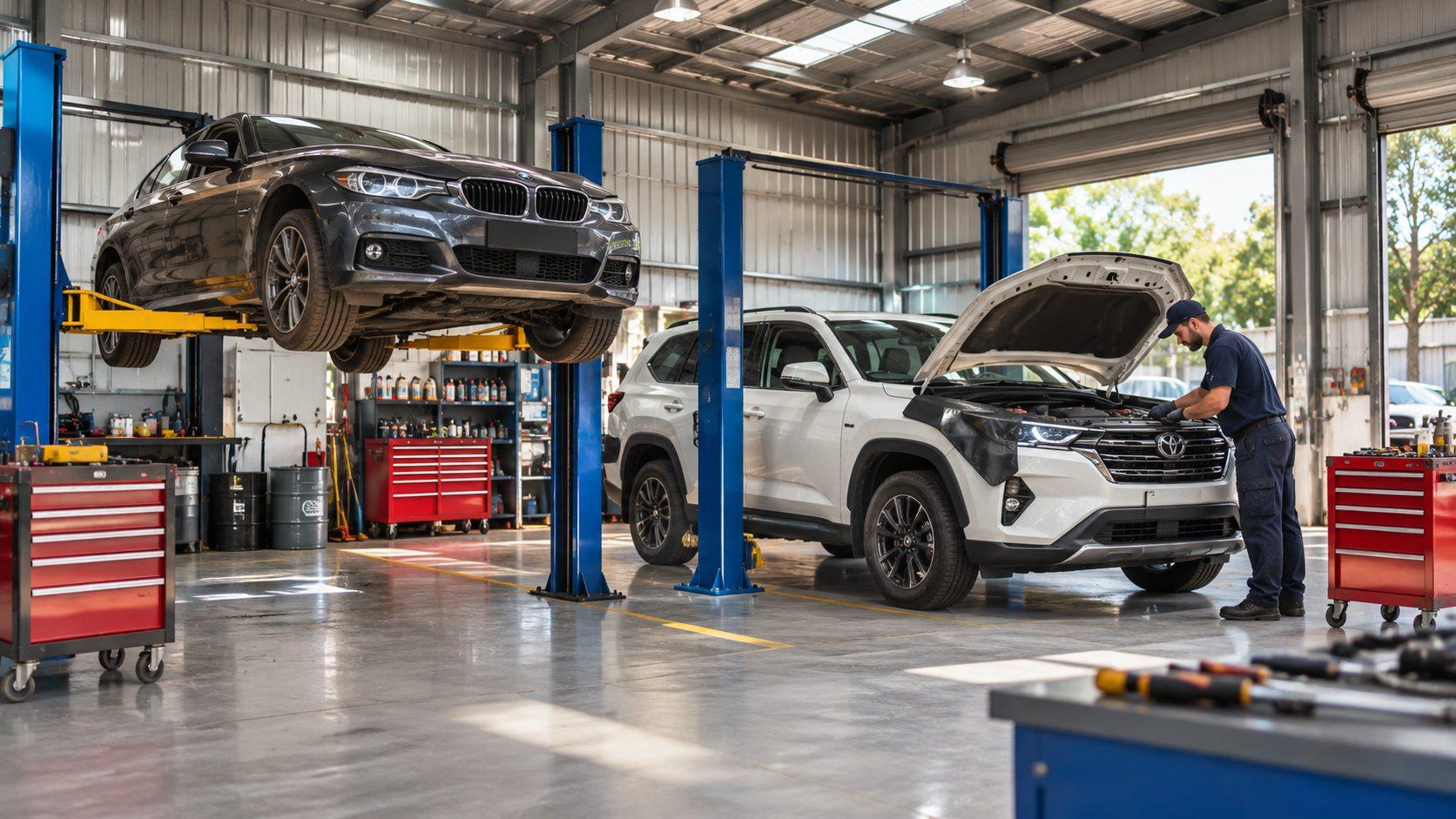
Dealer servicing usually means servicing your vehicle through the manufacturer's dealership network. The workshop has access to brand-specific procedures, diagnostic equipment and technical updates, and technicians commonly work on the same makes every day. For some owners, particularly those with a very new model, a complex fault, or a manufacturer service plan, that can be a sensible option.
However, the dealership badge alone is not a guarantee that every service is more thorough or more personal. A dealership service is still based on a scheduled inspection and maintenance plan. Engine oil and filters are replaced, fluids and safety items are checked, and any concerns found during the inspection are reported to the owner.
A capable independent workshop can perform the same essential work when it follows the manufacturer's specifications. Access to brand information is protected by law: under the ACCC's Motor Vehicle Information Scheme manufacturers must share service and repair information with independent repairers, and in 2026 the ACCC had Mazda, Kia and BYD cut the cost of that access. That includes using the correct oil grade, approved or equivalent-quality filters and components, appropriate scan tools, and the service intervals set for your exact model. The difference is often in the experience around the work: who talks you through it, how clearly costs are explained, and whether you are treated as a long-term local customer rather than a booking number.
Dealer servicing and your new-car warranty
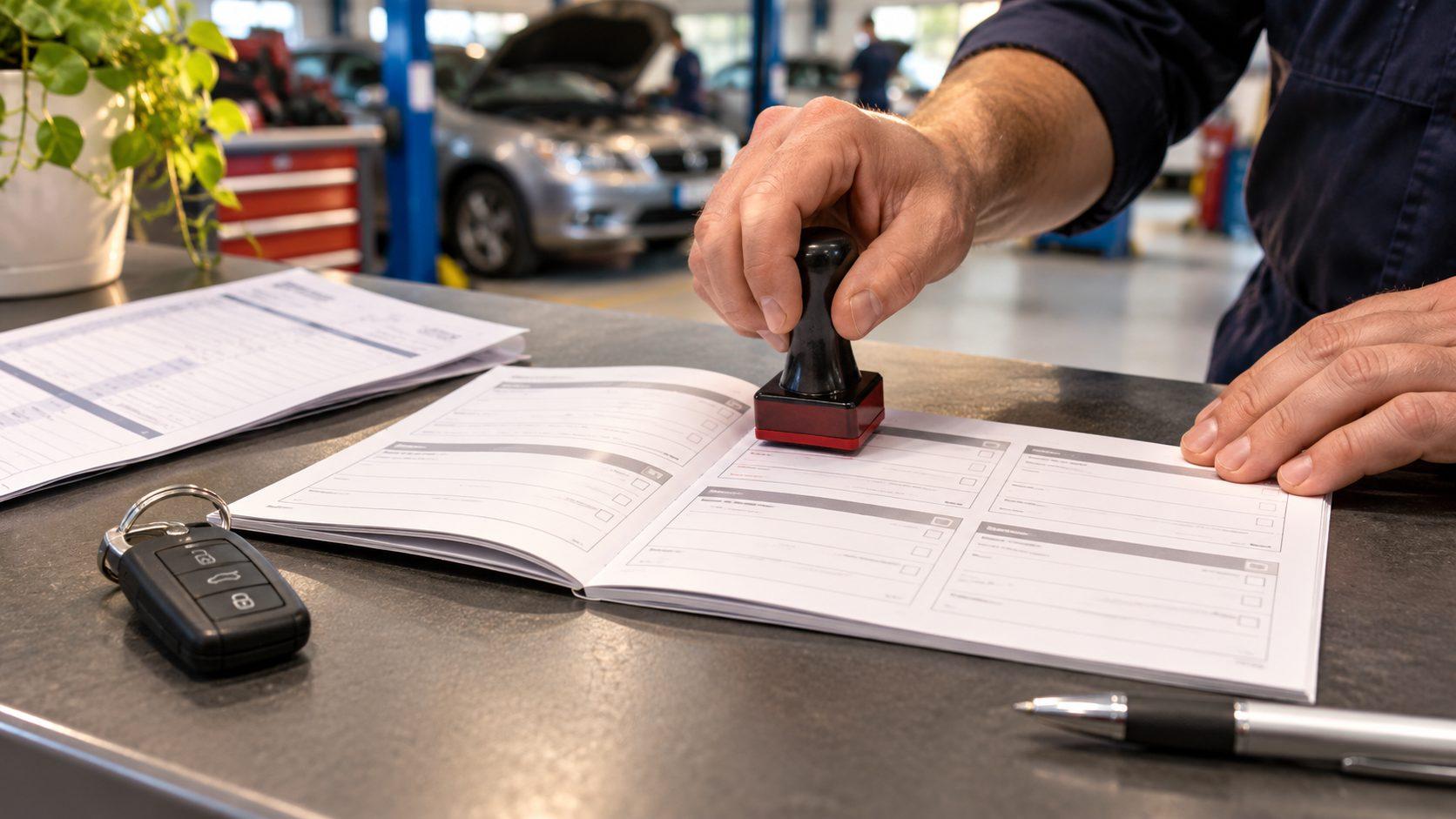
One of the biggest reasons people keep returning to a dealership is fear of voiding their new-car warranty. In Australia, you are generally not required to have routine servicing completed at a dealership simply to maintain that warranty. The ACCC's new-car guidance states that a manufacturer's warranty typically lets you choose your preferred repairer, as long as the manufacturer's maintenance and servicing standards are met. The service does, however, need to be carried out correctly and in line with the manufacturer's requirements.
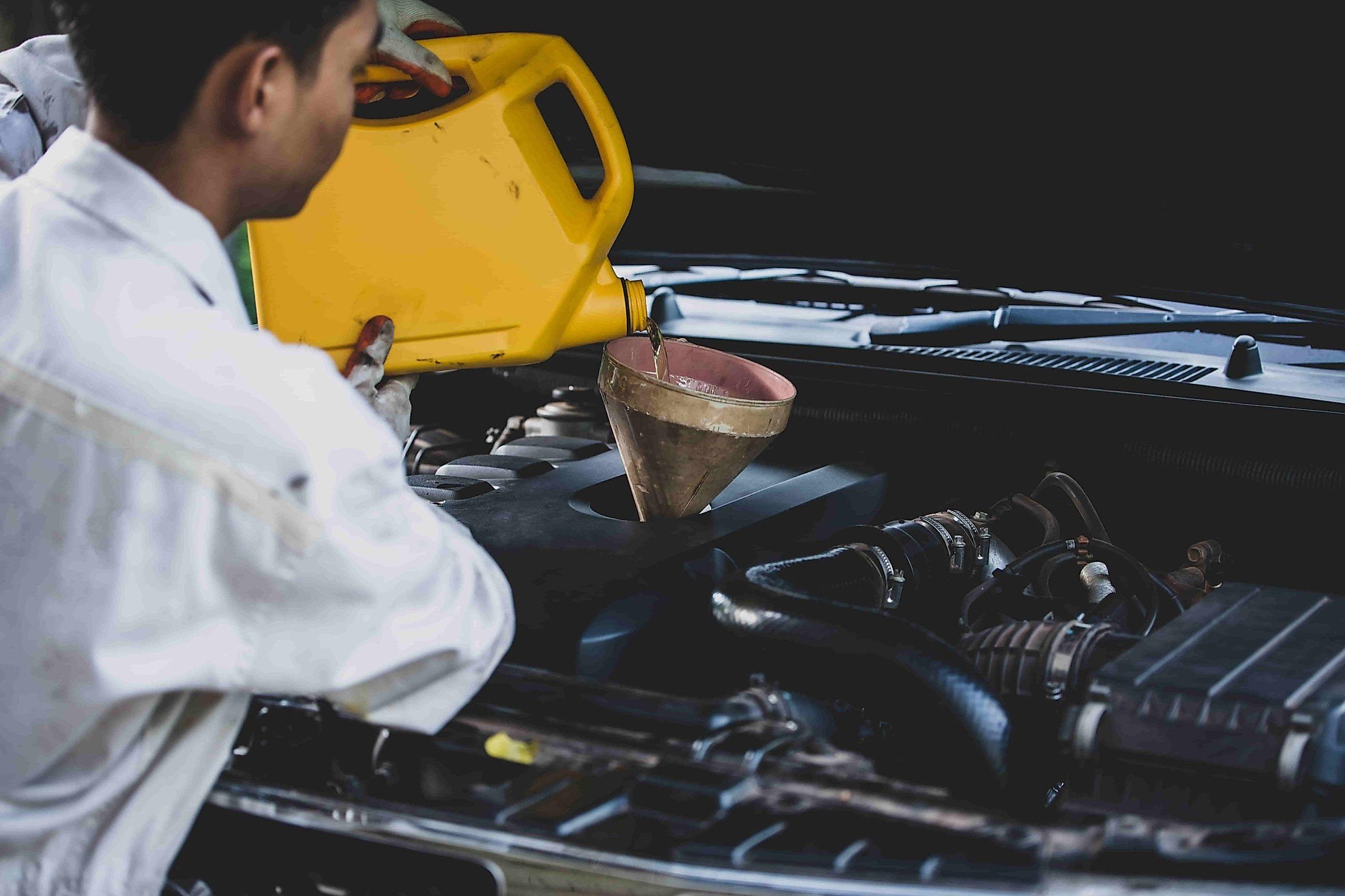
That means the details matter. The workshop should use the specified oil and fluids, fit suitable parts, complete the required checks, and keep a proper service record. Hold onto itemised invoices as well as your logbook or digital service history. These documents show what was done, when it was done, and the products used. Separately from any warranty, your consumer guarantee rights under the Australian Consumer Law apply regardless of who services the car.
There are exceptions worth considering. If your vehicle is covered by a prepaid dealer service plan, using the dealership may be the most straightforward way to use what you have already paid for. If there is a warranty claim, recall, software campaign or manufacturer goodwill request, the dealership network may also need to be involved. An independent mechanic can diagnose many issues, but manufacturer-authorised warranty repairs are often handled by the dealer.
The practical approach is simple: do not assume, and do not rely on vague promises. Ask your mechanic how they service your make and model, confirm that they follow the scheduled requirements, and keep the paperwork. Our guide to manufacturer warranties and independent logbook services covers this in more detail.
What a proper logbook service should include
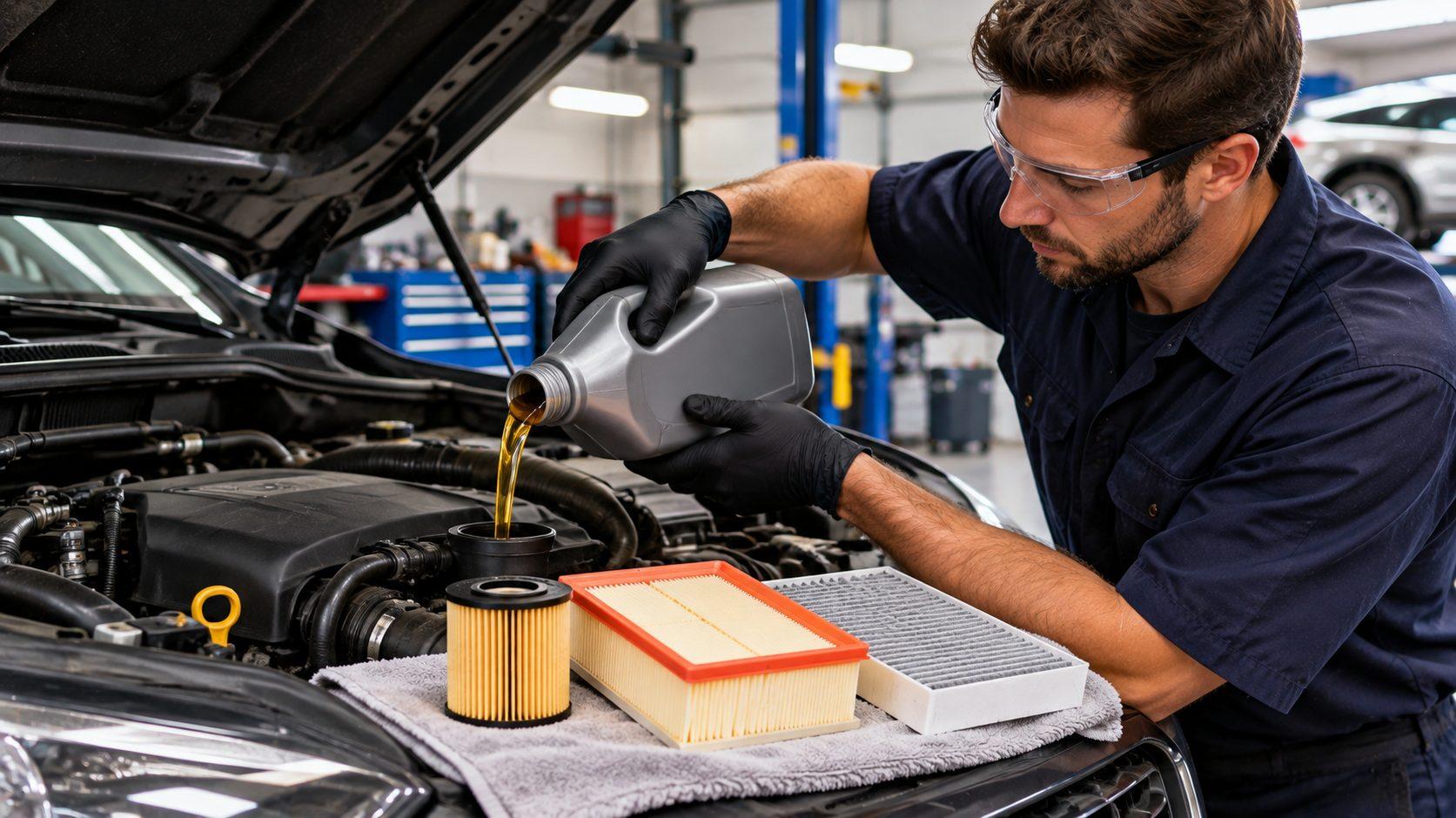
A logbook service is more than an oil change. It follows a schedule based on time, kilometres and vehicle age. The exact work varies, which is why a cheap headline price does not always tell the full story.
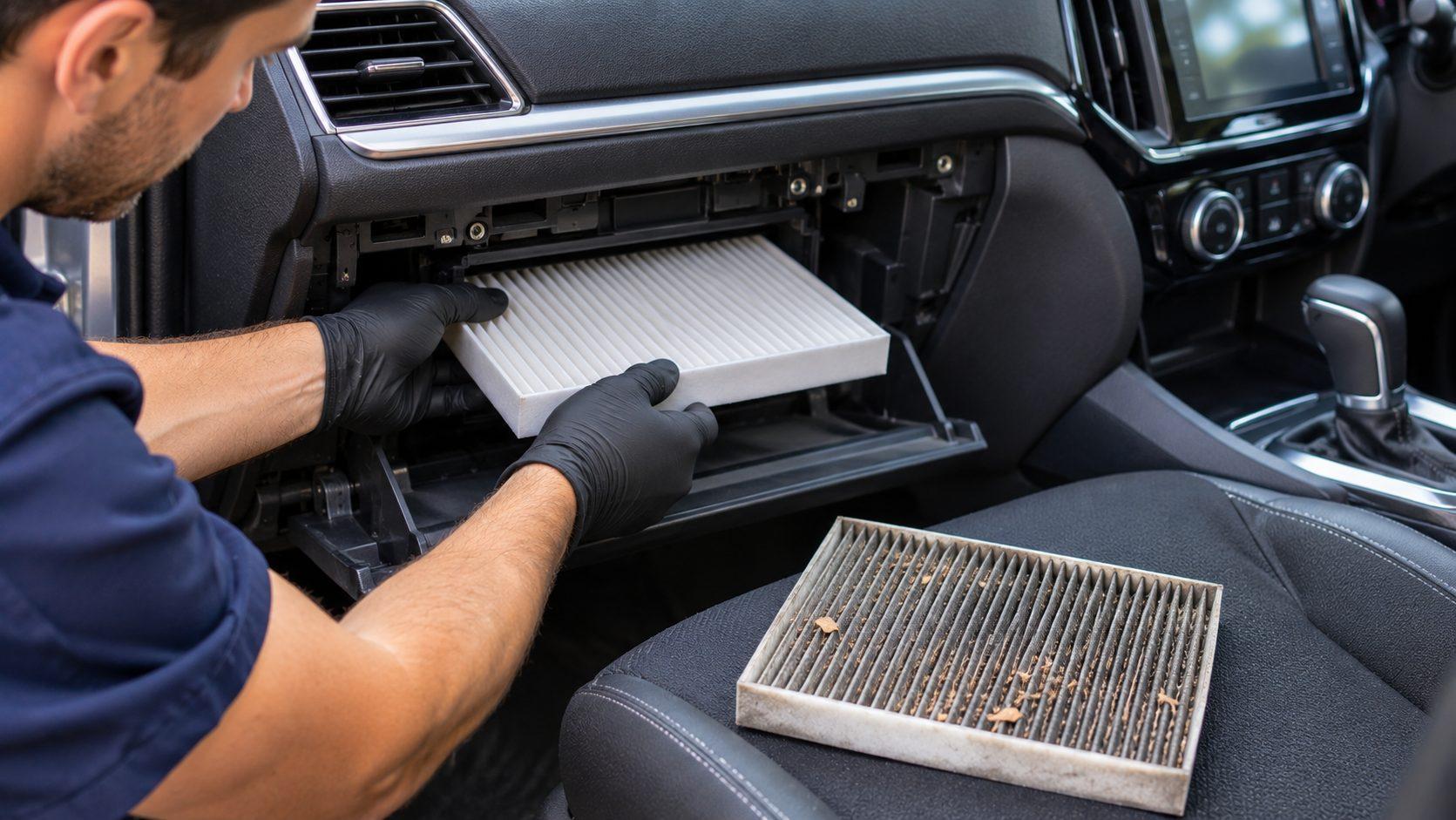
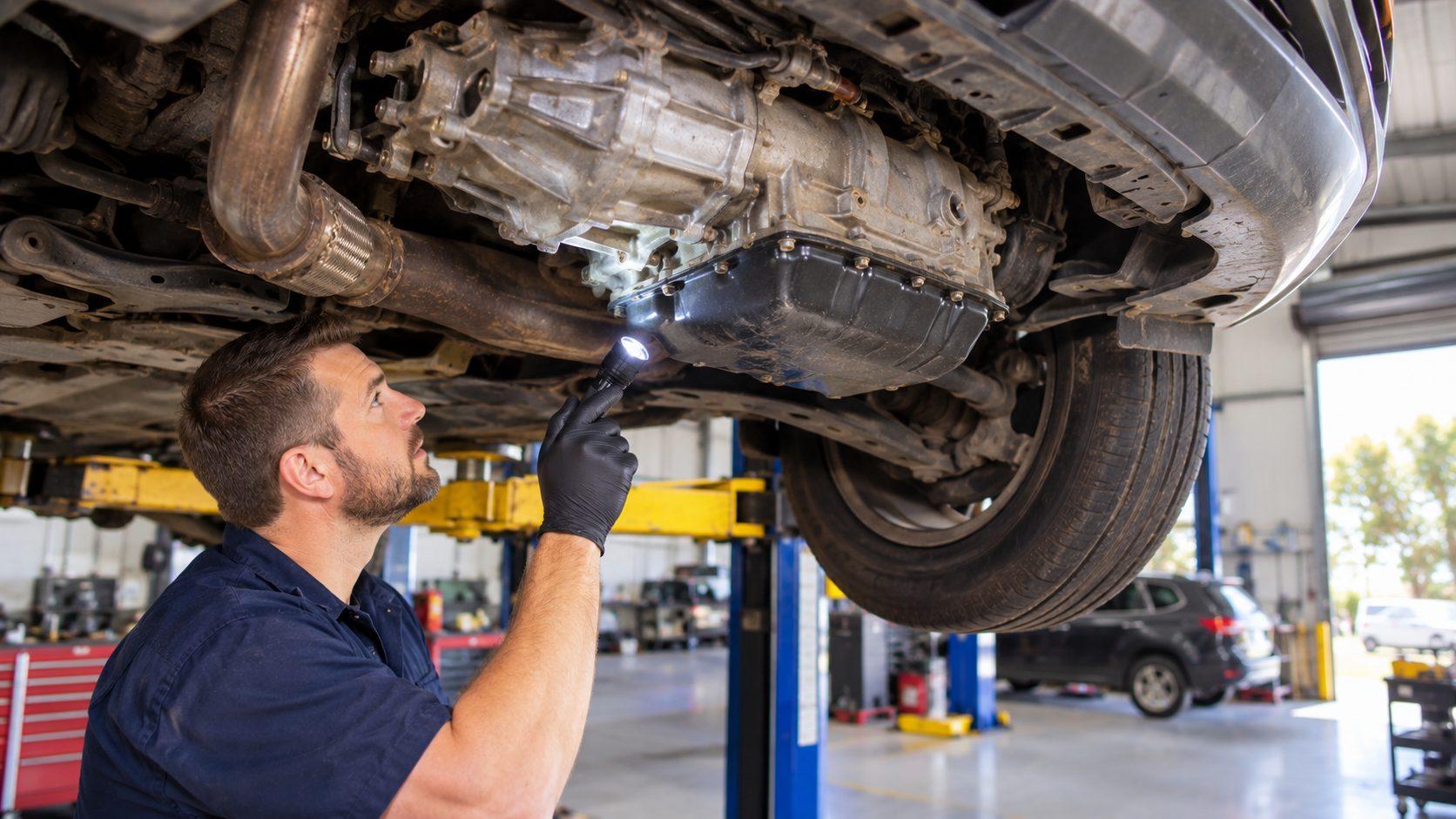
At one interval, your vehicle may only need oil, filter replacement and a broad safety inspection. At another, it may be due for brake fluid, spark plugs, cabin filters, transmission servicing, coolant replacement or a more detailed inspection of belts, hoses and suspension components. Skipping an item because it is inconvenient can create a larger repair later.
A transparent workshop will tell you what is included in the scheduled service, what has been inspected, and what requires attention now versus what can be monitored. That distinction matters. A worn tyre or leaking cooling component may need prompt action for safety or reliability. A minor seepage or ageing bush may be worth keeping an eye on until it reaches a point where replacement makes sense.
You should leave with more than a receipt. A useful service record identifies the vehicle, kilometres, work performed, parts and fluids supplied, and any recommendations. It gives you a clearer maintenance history when you sell the vehicle and helps the next technician diagnose future concerns.
The value of an inspection between services
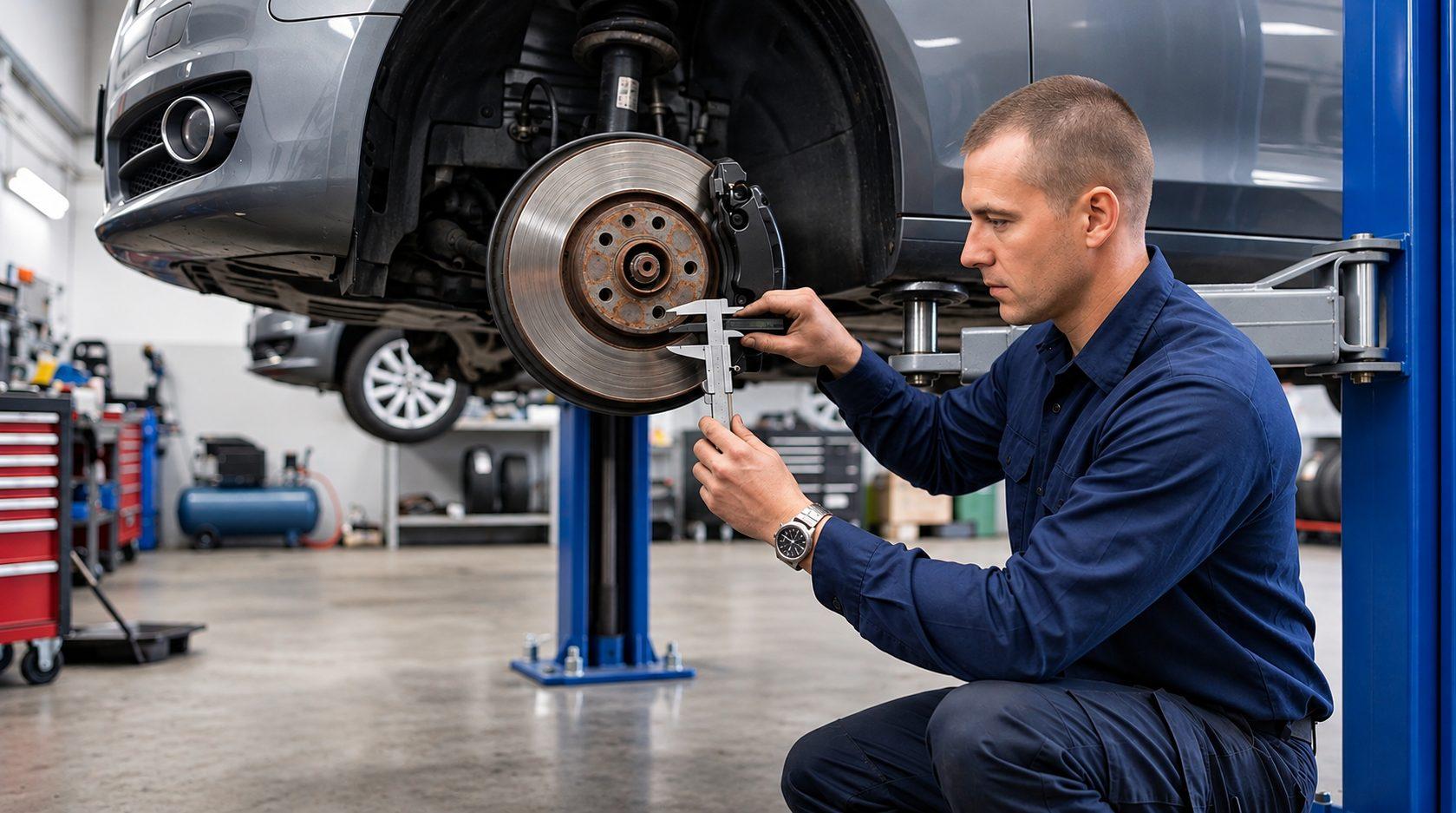
Most cars travel further and work harder than their owners realise. School runs, stop-start commuting, short trips and towing can all accelerate wear. Even if the next logbook service is months away, warning lights, unfamiliar noises, vibration, a pulling steering wheel, slow starting or reduced air conditioning performance deserve attention.
Catching a concern early can be far less costly than waiting for a breakdown. Worn brake pads can damage rotors if ignored. A small oil or coolant leak can become an overheating issue. A battery that is losing charge may leave you stranded at the least convenient moment. Regular inspections give you time to make an informed decision rather than dealing with an urgent repair under pressure.
When an independent specialist makes sense

The strongest alternative to dealer servicing is not a workshop that claims to service everything cheaply. It is one with the training, diagnostic equipment and repair discipline to work accurately on modern vehicles.
This is particularly relevant for BMW, Audi, Mercedes-Benz and Volkswagen owners. European cars often have specific service requirements, advanced electrical systems and model-specific diagnostic processes. They need more than a generic scan and a quick visual check. A workshop experienced with these vehicles can identify faults properly, service them to specification and explain the repair options in plain language.
Armstrong Creek Motors provides this type of practical dealership alternative for European and everyday vehicles alike. The focus is not on selling work that is not needed. It is on accurate diagnosis, quality components, fair pricing and clear advice about the condition of your vehicle.
That local relationship can be valuable after the service is complete. The technician who has seen your vehicle before is better placed to understand its history, identify recurring issues and help plan maintenance around your budget. For households with two or three vehicles, or businesses managing a small fleet, that consistency can make vehicle care simpler.
Questions worth asking before you book

Before choosing where to service your car, ask whether the workshop follows the manufacturer's schedule for your specific vehicle and whether it uses the required oils, fluids and parts. Ask how service records are supplied, whether the quote includes all scheduled items, and whether additional work will be discussed with you before it begins.
It is also reasonable to ask about diagnostic capability, particularly if there is a warning light or performance problem. Replacing parts until a fault disappears is not good diagnosis. A workshop should test, inspect and explain the likely cause before recommending repairs.
Price matters, but it should not be the only deciding factor. The lowest advertised service price may exclude the items your car is actually due for. On the other hand, the highest price does not automatically mean the best care. A clear quote, qualified workmanship and honest communication are more useful measures of value. Our guide to choosing a car mechanic in Geelong lists the questions worth asking.
Choose service based on confidence, not pressure
Dealer servicing can be right for some vehicles and situations. An independent workshop can be the better fit when you want personal guidance, technical care and a fair explanation of costs. What matters is that your car receives the maintenance it needs, at the right interval, with no shortcuts hidden behind a low price.
If your vehicle is due for a service, bring in your logbook, describe any changes you have noticed, and ask the questions that give you confidence. Good vehicle care should leave you knowing what was done, what can wait, and what to expect before the next visit.
Was this article helpful?