

Summarise this article with AI
On this page · 6 sections
Key takeaways
- Slow cranking, dim lights at idle and settings that reset are early signs of a weak battery.
- Many batteries last around three to five years, but heat, short trips and long periods parked shorten that.
- Test the alternator as well as the battery, or a new battery can go flat again.
- Stop-start cars usually need an AGM or EFB battery, and some European cars need a new battery registered.
When it cranks slowly, the lights dim at idle or it keeps going flat; many batteries last three to five years, but test the alternator before replacing one.
That slow, laboured turn of the key is easy to dismiss when you are already running late. Then one morning the dash lights flicker, the starter clicks once and the car is going nowhere. For car battery replacement Geelong drivers can rely on, the best result is not simply fitting a new battery. It is finding out why the old one failed and ensuring the replacement suits the vehicle properly.
A battery can wear out quietly, but it can also be affected by a charging fault, short trips, an electrical drain or a poor connection. A qualified test gives you a clear answer before you spend money, and helps prevent the same no-start problem from returning a few weeks later.
The signs your battery is nearing the end
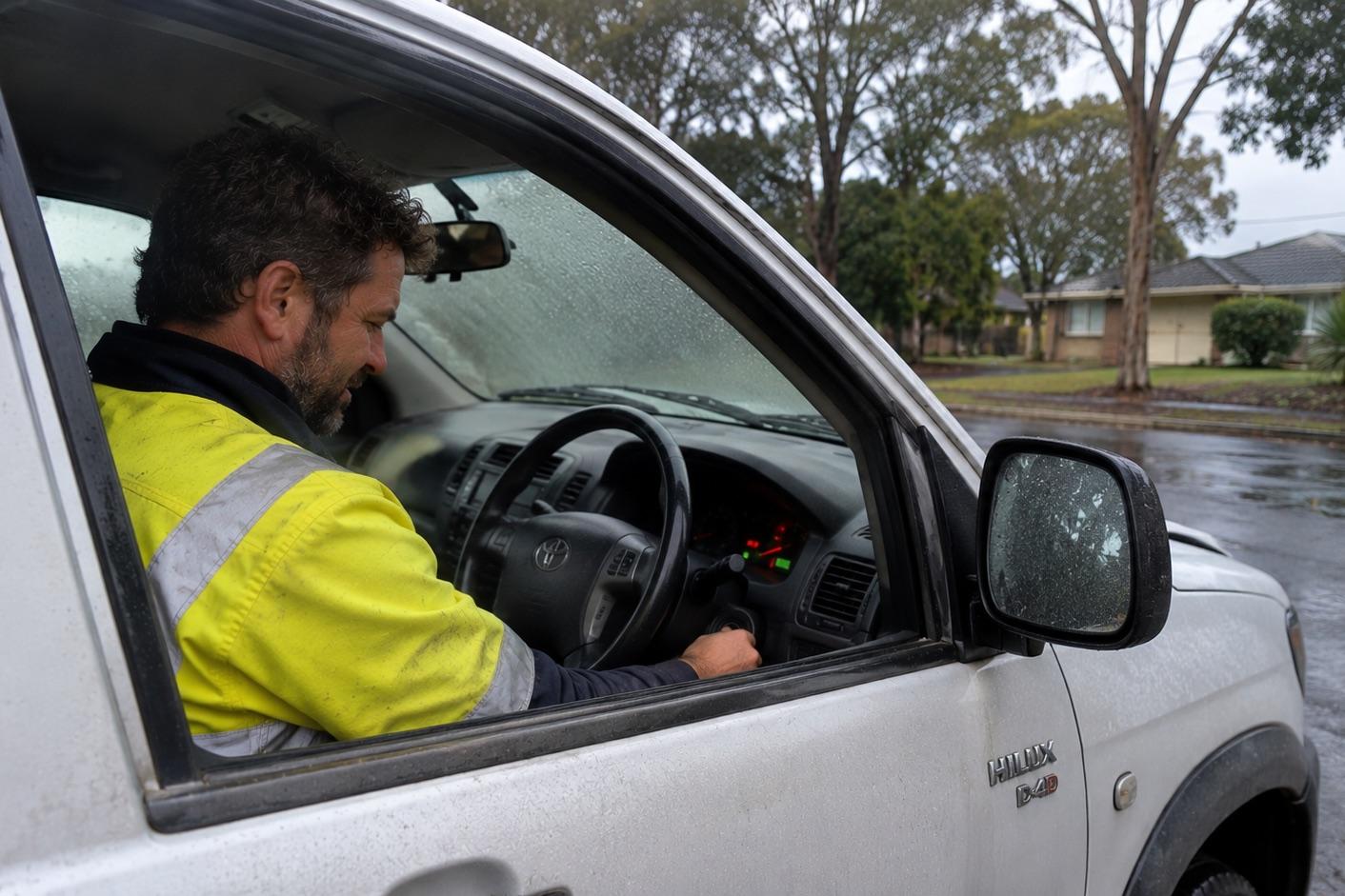
Most car batteries give some warning before they fail completely. Slow cranking is the classic symptom, particularly on cold mornings. The engine may still start, but it takes longer than usual to turn over. If it has become noticeably slower over several days, it is worth booking a battery and charging-system check rather than waiting for a breakdown.
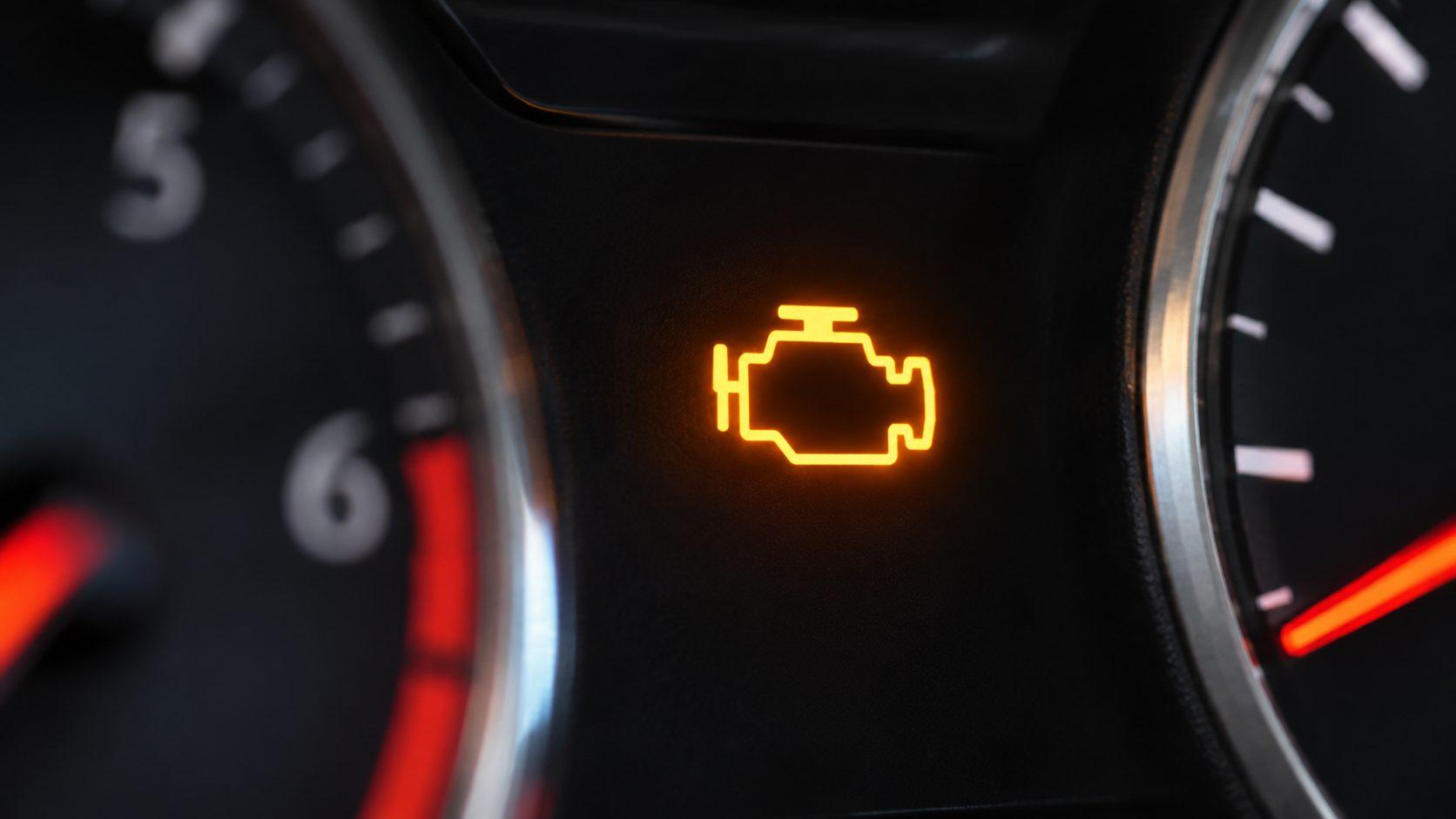
Other signs can be less obvious. Headlights may dim at idle, the clock or radio settings may reset, or the central locking may become inconsistent. A battery warning light on the dashboard can indicate a battery issue, but it can also point to the alternator, drive belt or wiring. It should not be treated as proof that the battery alone needs replacing.
Battery age matters too. In normal conditions, many batteries last around three to five years, although there is no fixed expiry date. Heat, vibration, frequent short trips and long periods without driving can shorten that lifespan. If you do not know when the battery was fitted, its date code and condition can be checked during a service.
Car battery replacement in Geelong starts with testing
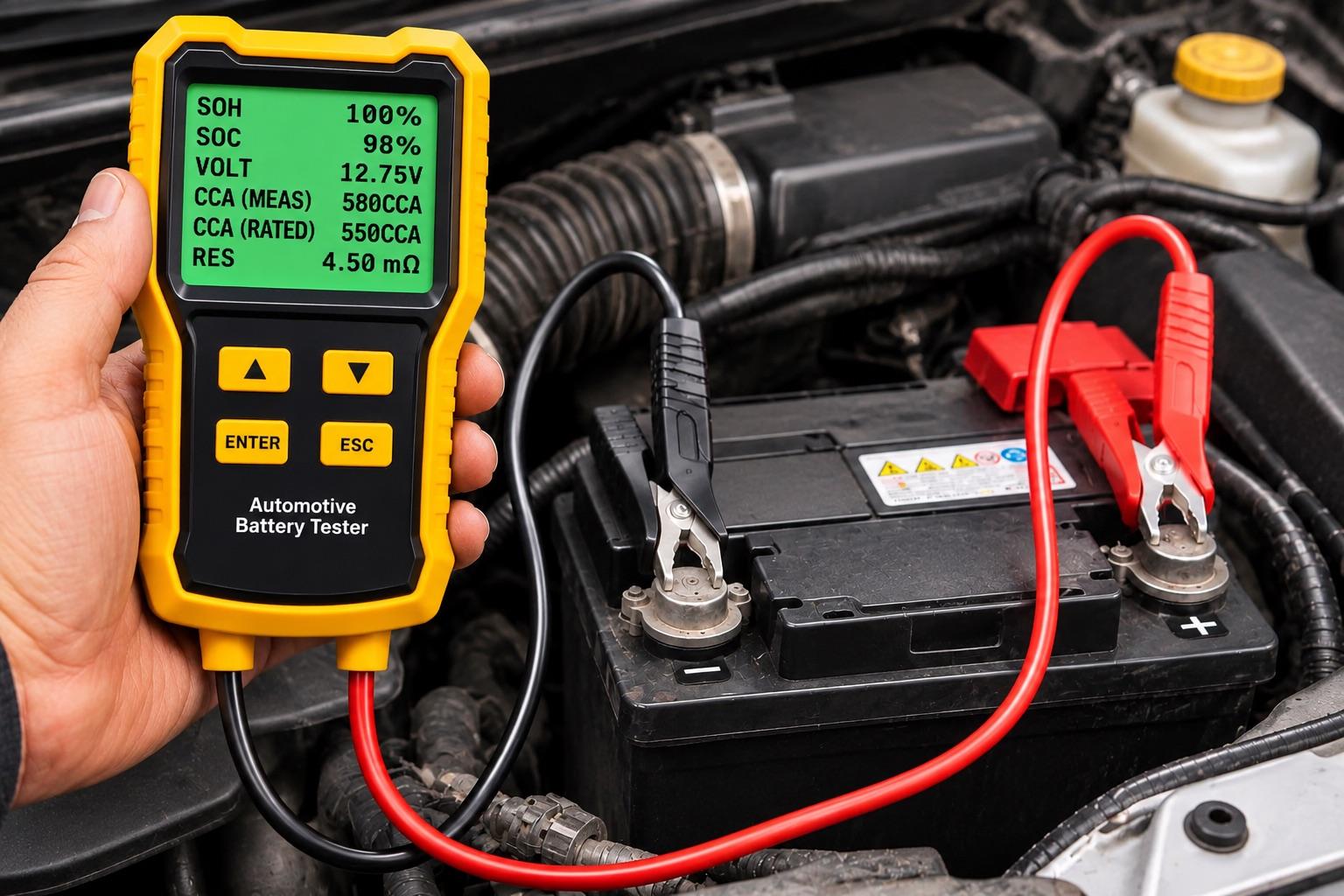
A proper battery assessment checks more than voltage. A battery can show a reasonable voltage while parked, yet lose strength under load when the starter motor needs high current. Load testing measures whether it can perform when it counts.
The charging system should also be tested. Your alternator needs to recharge the battery after starting and supply power while the engine is running. If it is undercharging, a replacement battery may gradually go flat. If it is overcharging, it can damage the battery and other electrical components.
Technicians should inspect the terminals, battery cables and earth connections as well. Corrosion, loose clamps and damaged wiring can restrict current flow and create symptoms that feel exactly like a failing battery. In some cases, cleaning and securing a connection resolves the issue. In others, it confirms that replacement is the sensible option.
If a healthy battery keeps losing charge while the car is parked, the vehicle may have a parasitic drain. An accessory, module, glovebox light or aftermarket device can continue drawing power after the ignition is off. These faults require methodical electrical diagnosis, not guesswork and repeated battery purchases.
Why the right battery matters
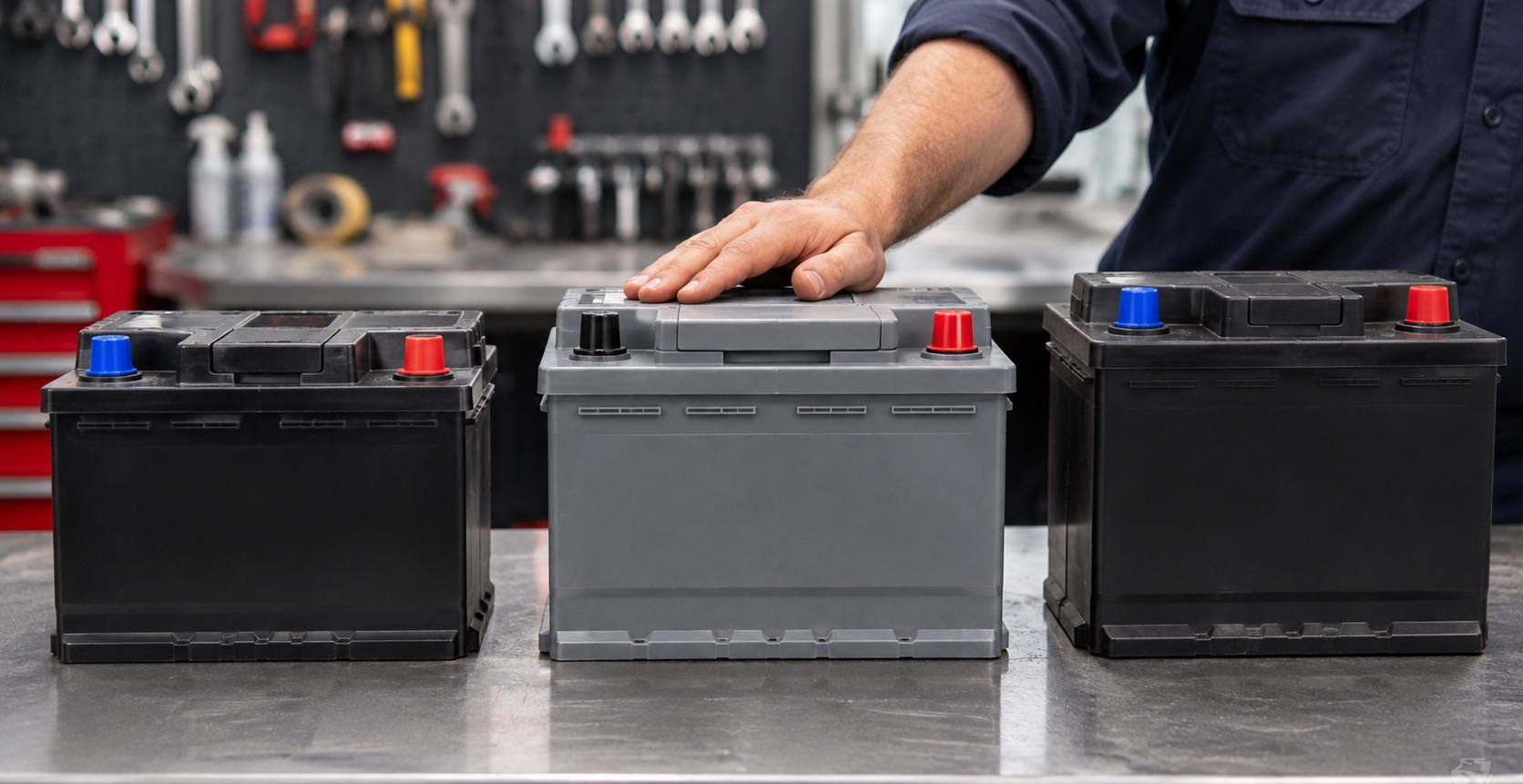
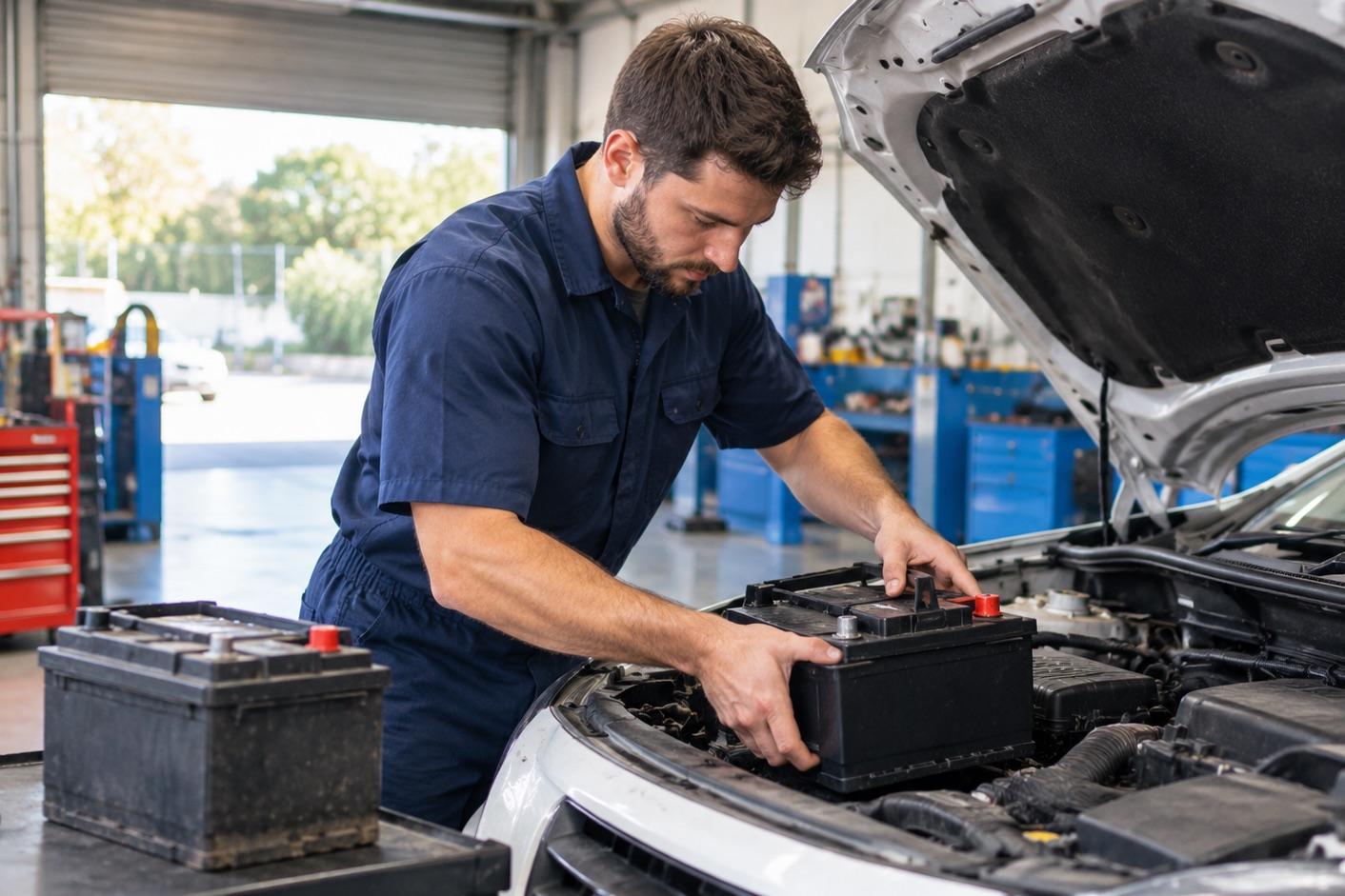
Batteries are not one-size-fits-all. The correct unit must physically fit the tray, have secure terminal positions and meet the vehicle manufacturer's requirements for capacity and cold cranking amps. Fitting a cheaper battery with insufficient output may lead to hard starting, shorter battery life and electrical faults.
Modern vehicles place greater demands on their batteries than older cars. Stop-start systems commonly require an AGM or EFB battery designed to handle frequent cycling. Replacing one with a conventional flooded battery can affect stop-start operation and reduce reliability. The initial saving is rarely worth it.
Some European vehicles, including BMW, Audi, Mercedes-Benz and Volkswagen models, may also need the new battery registered or coded to the vehicle's battery management system. This lets the system charge the new battery correctly according to its type, capacity and age. Skipping this step can shorten battery life or create warning messages, even when the battery itself is good.
There is also a practical choice between the lowest upfront price and long-term value. For a lightly used second car, a standard battery that meets the specification may be appropriate. For a family vehicle, work ute, regular commuter or stop-start-equipped car, a quality battery matched to the workload is usually better value over its service life. Honest advice should take account of how you use the vehicle, not just what fits in the tray.
What to do when your car will not start
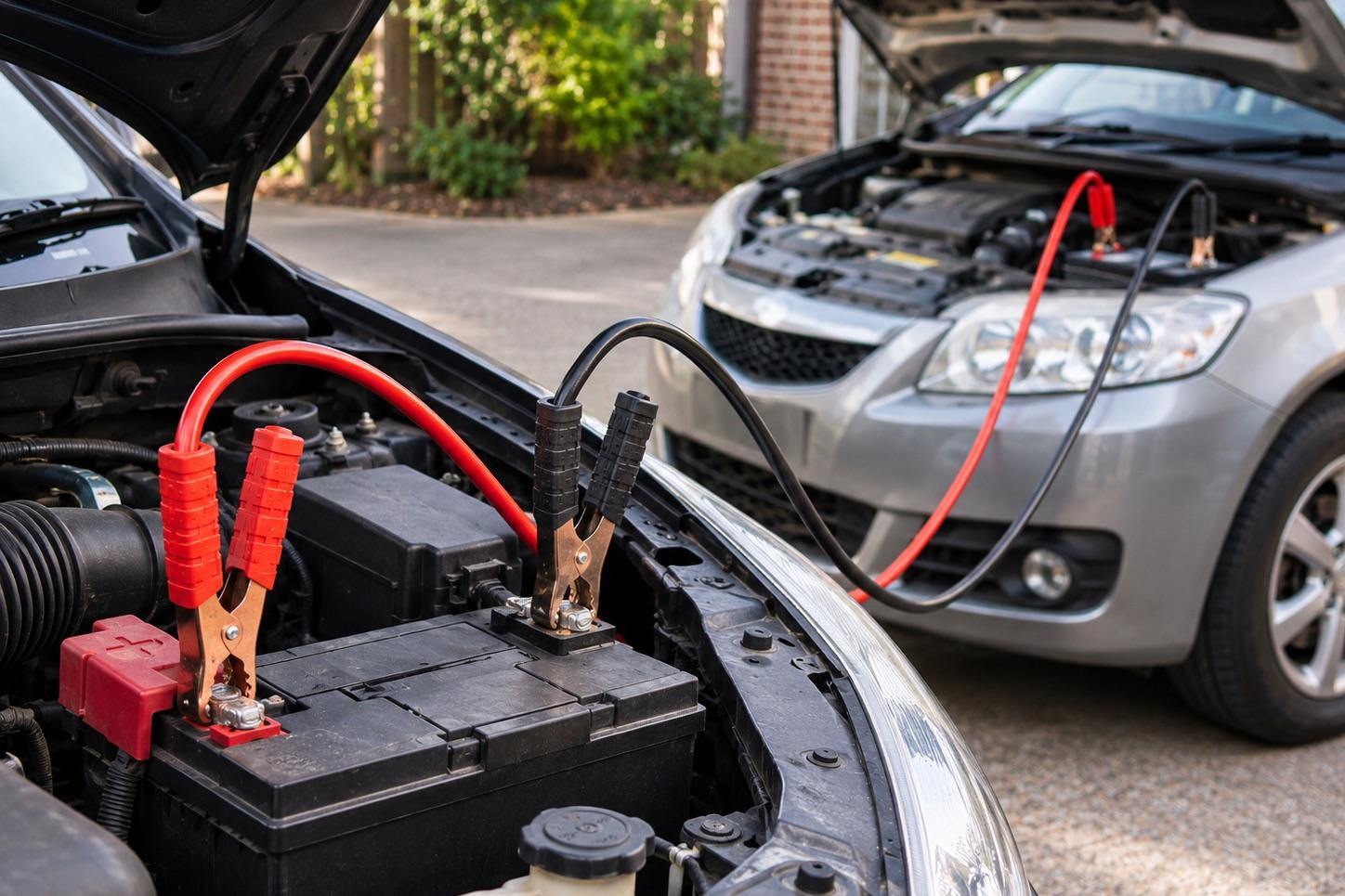
If the engine will not crank, avoid repeatedly turning the key or pressing the start button. Each attempt draws more power from an already weak battery. Switch off lights, air conditioning, chargers and accessories, then check whether there is an obvious loose terminal under the bonnet.
A jump-start may get the car moving, but it is a temporary measure rather than a diagnosis. Once started, the car may still stall or fail again after being parked. Take care with jump leads, as incorrect connections can damage sensitive electronics. If you are unsure, roadside assistance or a workshop is the safer choice.
Do not assume a drive around the block will fully recharge a flat battery. A heavily discharged battery may need a controlled recharge, and a short drive often replaces only a small portion of the power used to start the engine. If it has gone flat more than once, arrange an inspection promptly.
Battery care that makes a real difference
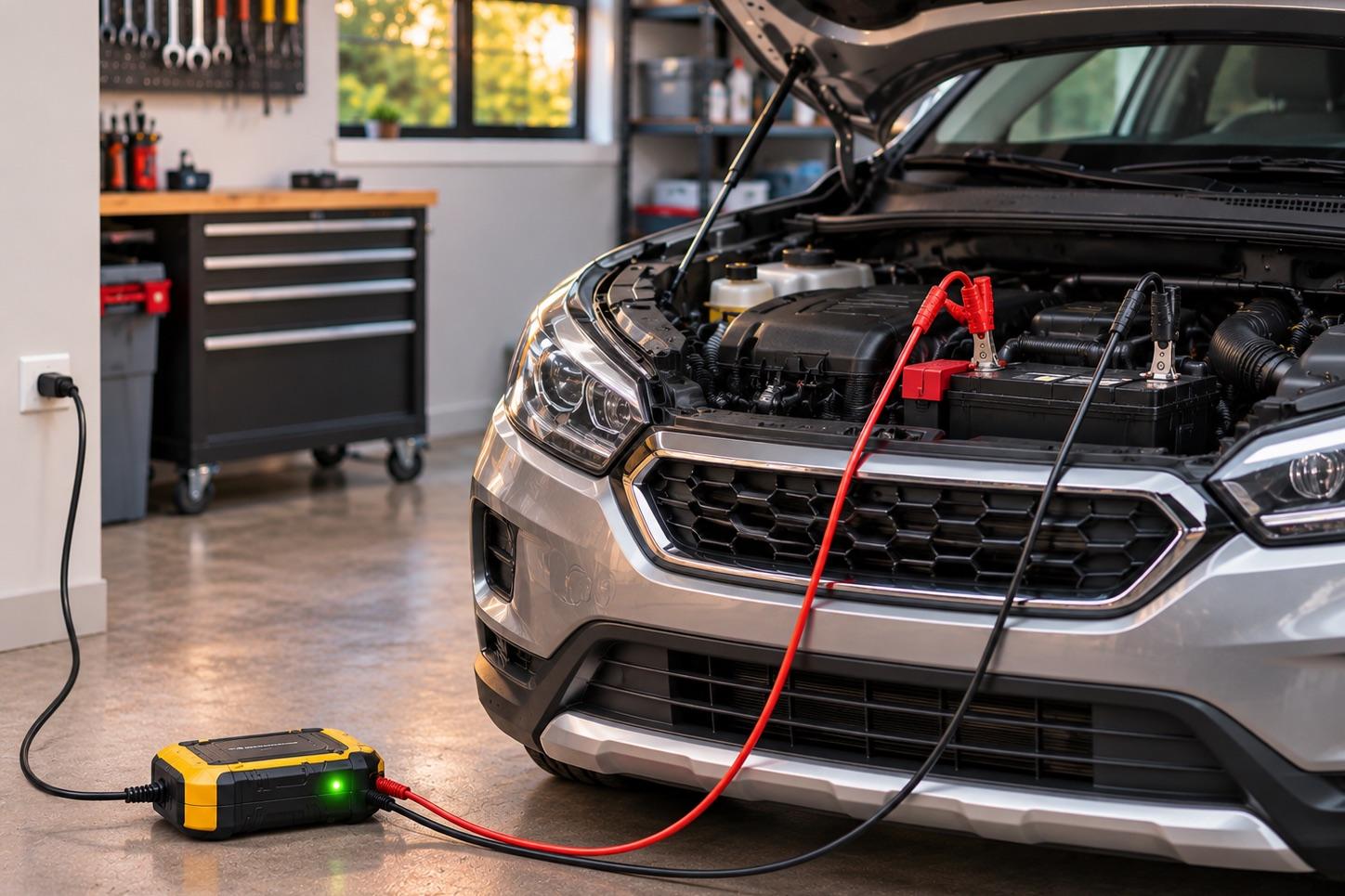
You cannot prevent every battery failure, but a few habits can help it last. Regular servicing allows the battery and charging system to be checked before a weak unit leaves you stranded. This is particularly useful ahead of winter, a holiday trip or a roadworthy inspection where you want to avoid avoidable delays.
If your vehicle sits unused for extended periods, take it for a proper drive regularly or use a suitable battery maintainer. This is especially relevant for weekend cars, second household vehicles and vehicles kept in a garage over winter. Make sure any accessories are switched off and that doors, the boot and glovebox are fully closed.
Keep the battery area clean and secure. A loose battery can be damaged by vibration, while corroded terminals can interfere with charging and starting. Modern batteries are often maintenance-free, so do not attempt to open or top them up unless the manufacturer specifically provides for it.
Clear advice before work begins

Battery trouble is frustrating because it often arrives without warning. A good workshop should explain whether the battery has failed, whether the alternator is charging correctly and whether there is another fault behind the problem. You should know what battery is being fitted, why it suits your car and what the quoted work includes before approval is given. The ACCC's consumer guarantees back this up: a service must be provided with due care and skill.
At Armstrong Creek Motors, battery replacement can be combined with electrical and charging-system checks, so you are not left guessing about the cause of a no-start. That is particularly useful for vehicles with stop-start technology, complex electronics or recurring flat-battery issues.
If your car has started slowly, needed a recent jump-start or is approaching the age where its original battery may be due, arrange a test before the next busy morning decides the timing for you.
Was this article helpful?