

Summarise this article with AI
On this page · 7 sections
Key takeaways
- A single click, slow cranking, grinding or whirring when you try to start are the usual signs of a starter motor problem.
- A weak battery or poor connection can cause the same symptoms, so test the battery, cables and starting circuit before replacing parts.
- A failing starter rarely affects how the car drives, but it may not restart once you switch the engine off.
- Repeated jump-starts and long cranking will not fix worn starter components and can damage the flywheel teeth.
A car that will not start is rarely convenient. You might be parked at home before work, outside school pick-up or halfway through a busy day. While starter motor problems are a common cause of a no-start condition, they can closely resemble a flat battery, poor battery connection or charging fault. The key is identifying what the vehicle is actually doing when you turn the key or press the start button.
A starter motor is a compact but hardworking electric motor. It uses power from the battery to turn the engine over until combustion takes over. When it begins to fail, the warning signs can be intermittent at first. Acting early can help you avoid a tow truck, a missed appointment and a more stressful repair later.
Common signs of starter motor problems
The classic symptom is a single click when you try to start the engine, followed by nothing. That click may be the starter solenoid trying to engage, but it does not always prove the starter itself is at fault. A weak battery can produce exactly the same behaviour.
Another common sign is slow cranking. The engine may turn over lazily, especially first thing in the morning, then start normally after a second attempt. If the battery has tested well and the battery terminals are clean and secure, a tired starter motor may be drawing excessive current or struggling internally.
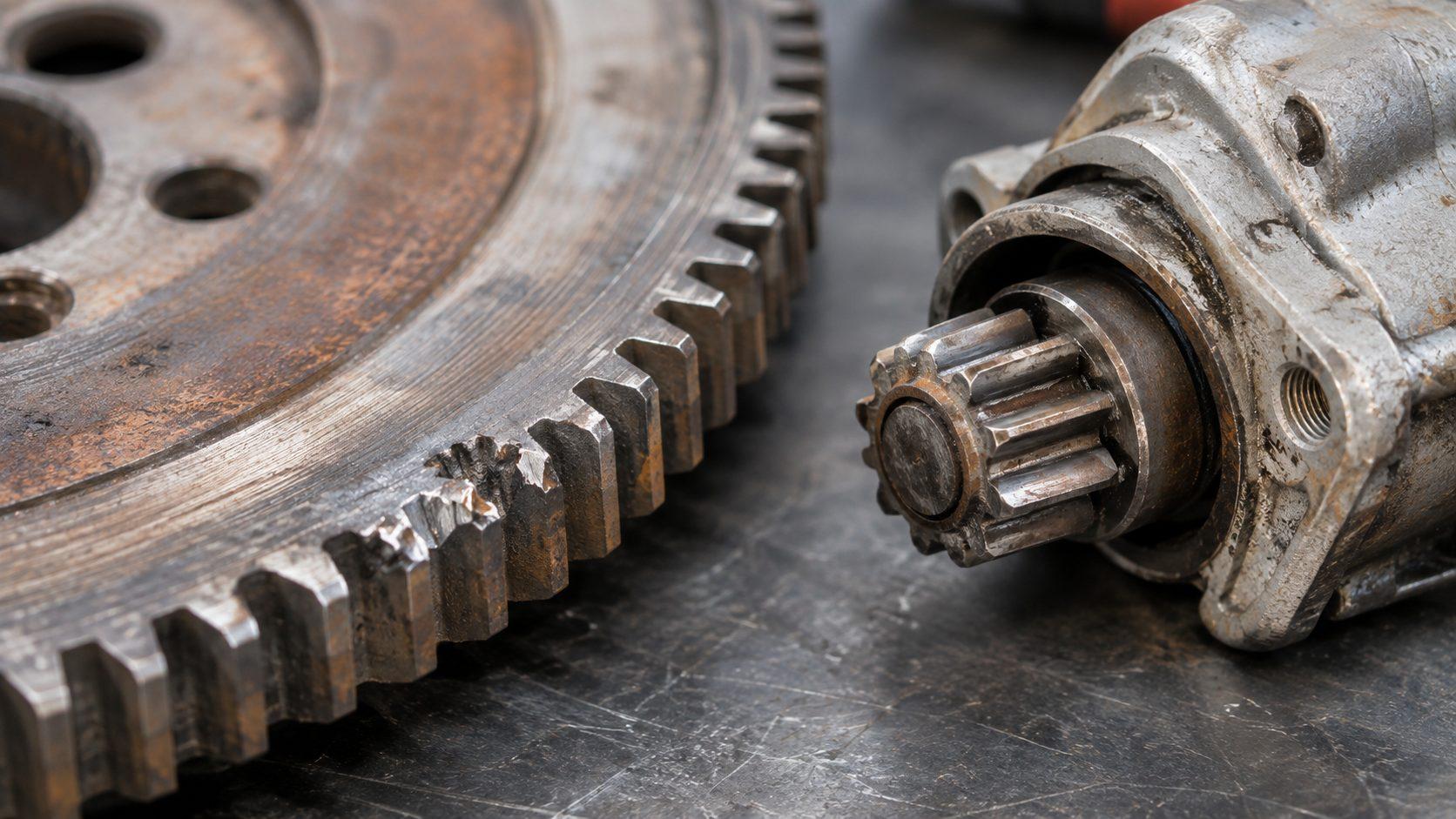
Listen for unusual noises as well. A grinding sound can occur when the starter gear does not engage cleanly with the engine's flywheel or flexplate. A high-pitched whirring noise can mean the starter motor spins without properly engaging the engine. Neither is a symptom to ignore. Continued starting attempts may damage the teeth the starter needs to mesh with, turning a relatively contained repair into a larger job.
Intermittent operation is particularly frustrating. The car starts perfectly for days, then refuses to crank in a car park. Internal contacts, brushes or the solenoid can wear to a point where heat, vibration or the exact stopping position of the starter affects whether it works. A starter that only responds after several attempts is not likely to repair itself.
Why a no-start fault needs proper testing
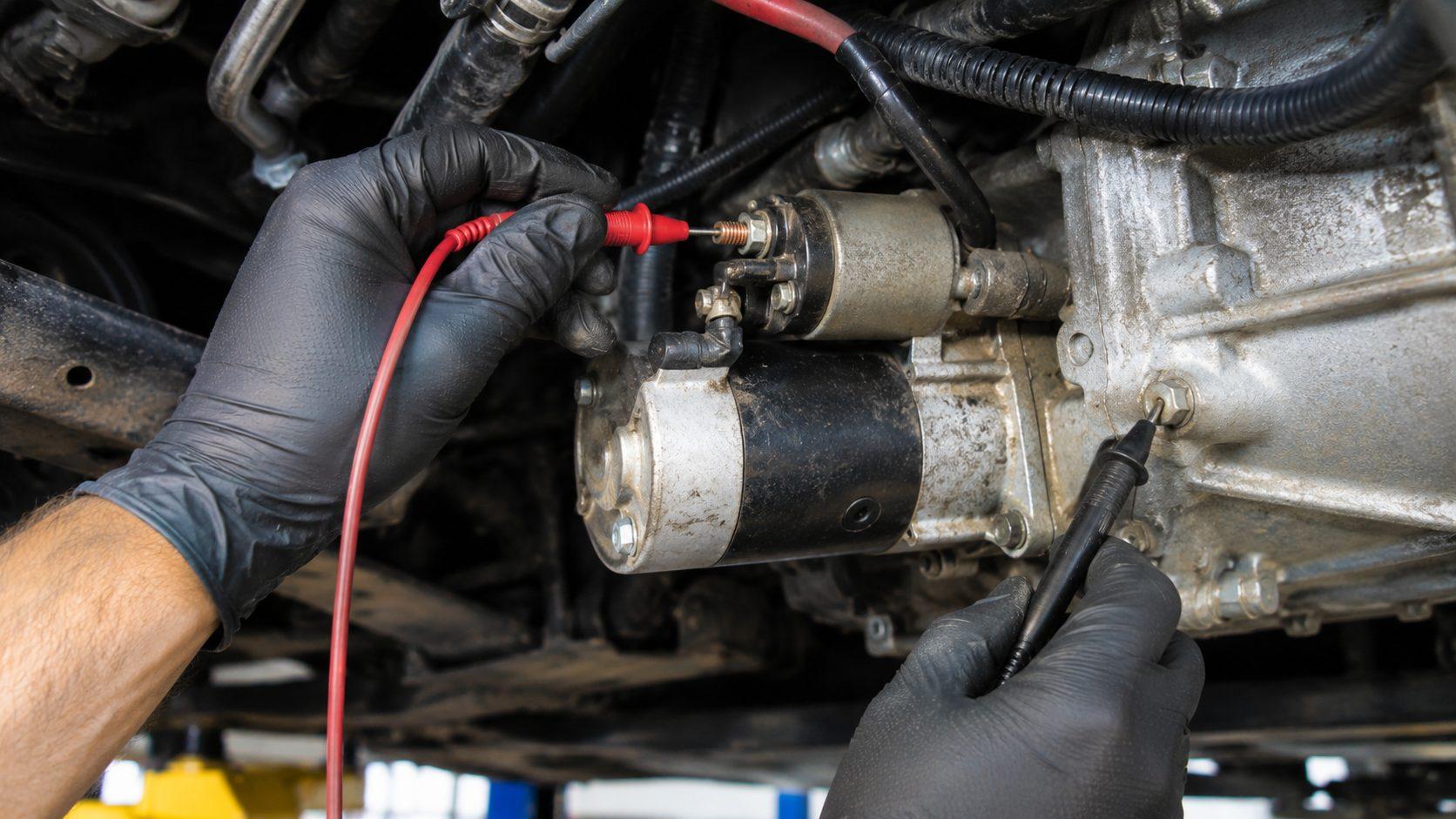
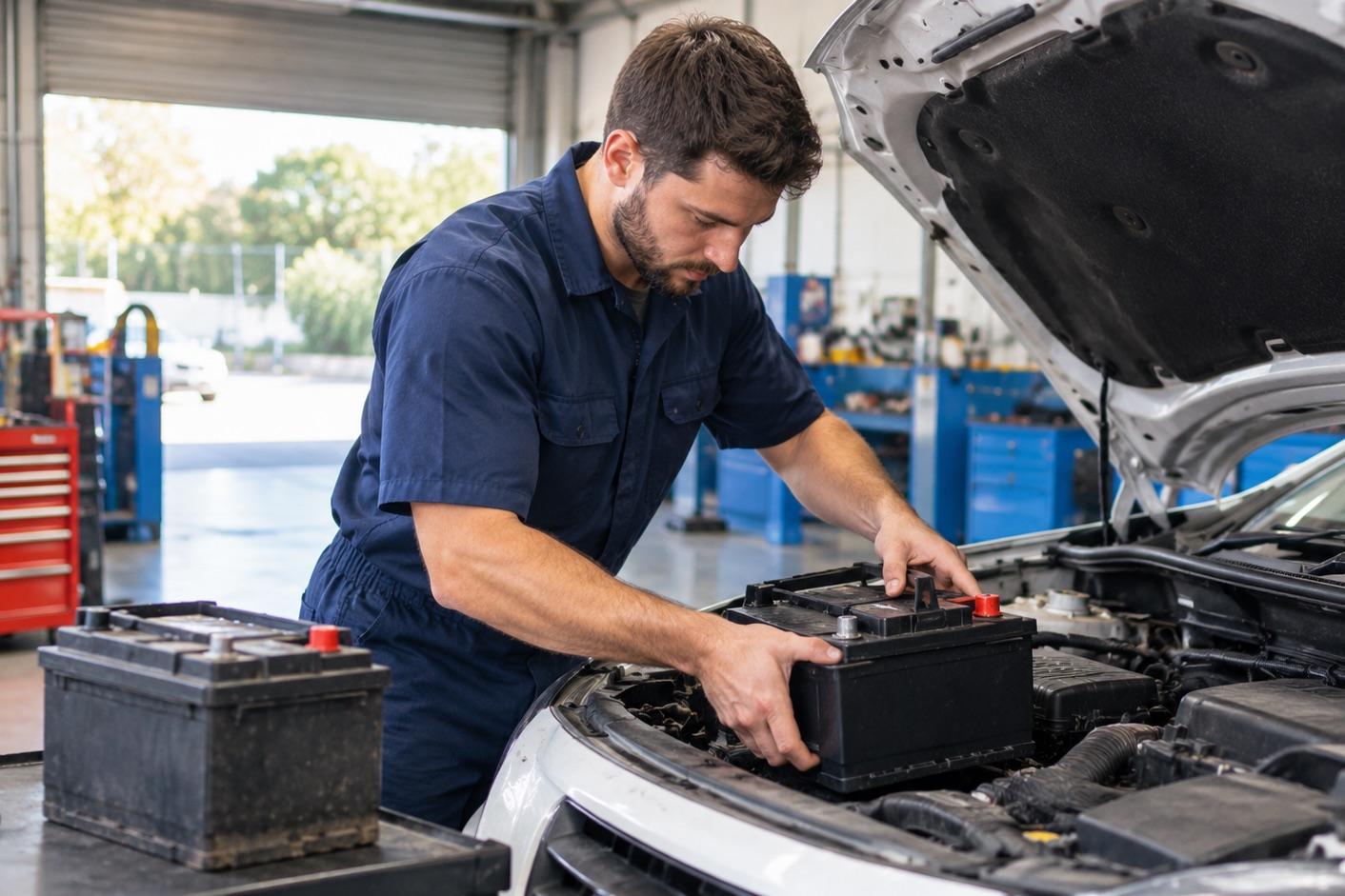
It is tempting to assume the battery is the issue and replace it. Sometimes that is the right call, particularly if the battery is older, the headlights are dim or the vehicle has been sitting unused. But fitting a new battery without testing the starting and charging systems can leave you with the same fault and an unnecessary bill.
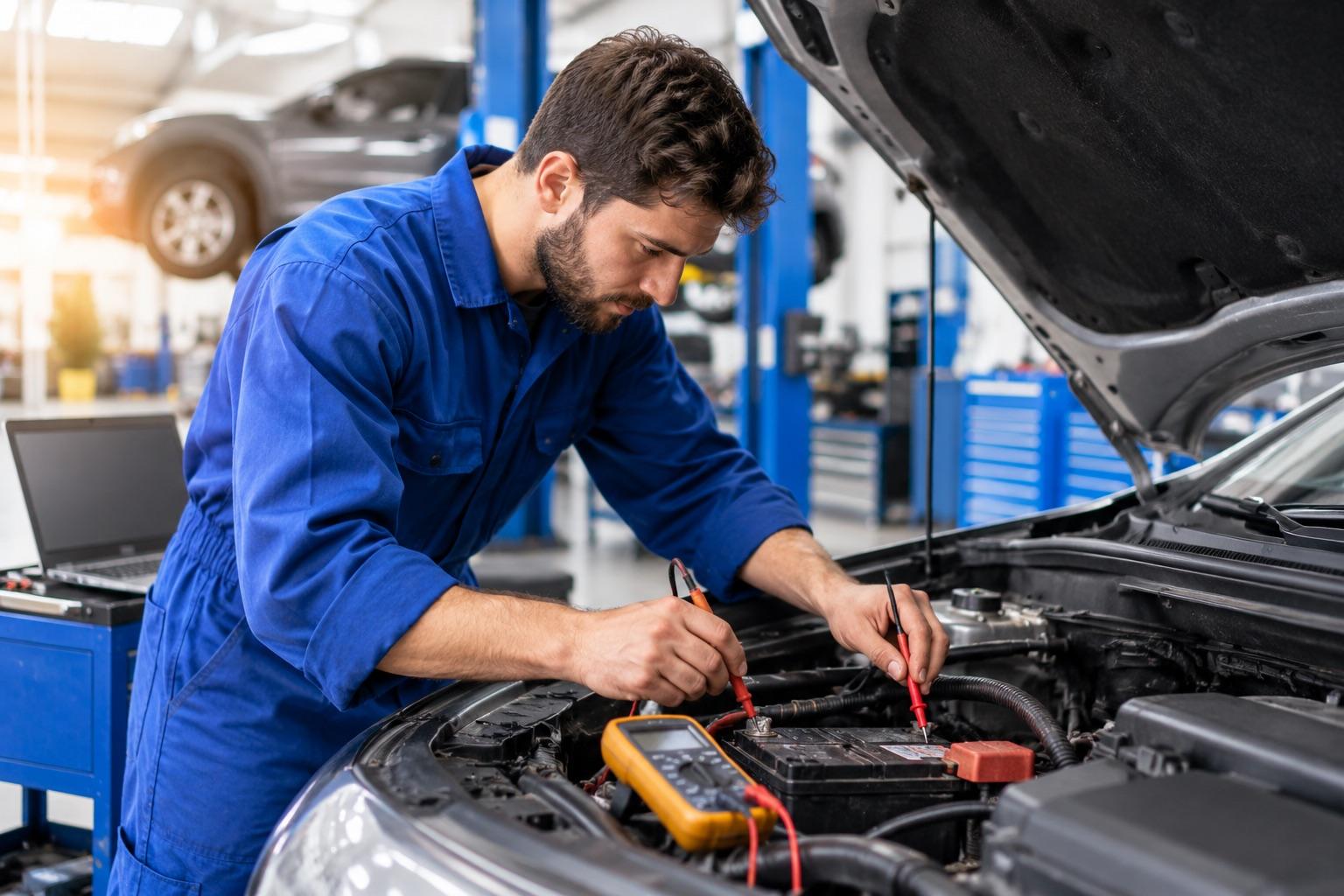
A workshop diagnosis should begin with the battery's condition and state of charge, then check terminal connections, earth straps and voltage drop in the cables. Corrosion hidden under a battery terminal, a loose earth connection or a damaged cable can restrict current to the starter even when the battery appears healthy.
The technician can then test whether the starter is receiving the correct signal and power when the ignition is activated. Depending on the vehicle, the fault may involve the starter motor, solenoid, ignition switch, starter relay, neutral safety switch, clutch switch, immobiliser system or an engine management issue. Modern push-button-start vehicles add another layer of electronics, so guessing can become expensive quickly.
For European vehicles such as BMW, Audi, Mercedes-Benz and Volkswagen, scan-tool diagnostics may also be needed to identify fault codes and confirm communication between control modules. The starter is still a mechanical and electrical component, but the permission to crank may be controlled by several systems.
What causes a starter motor to fail?
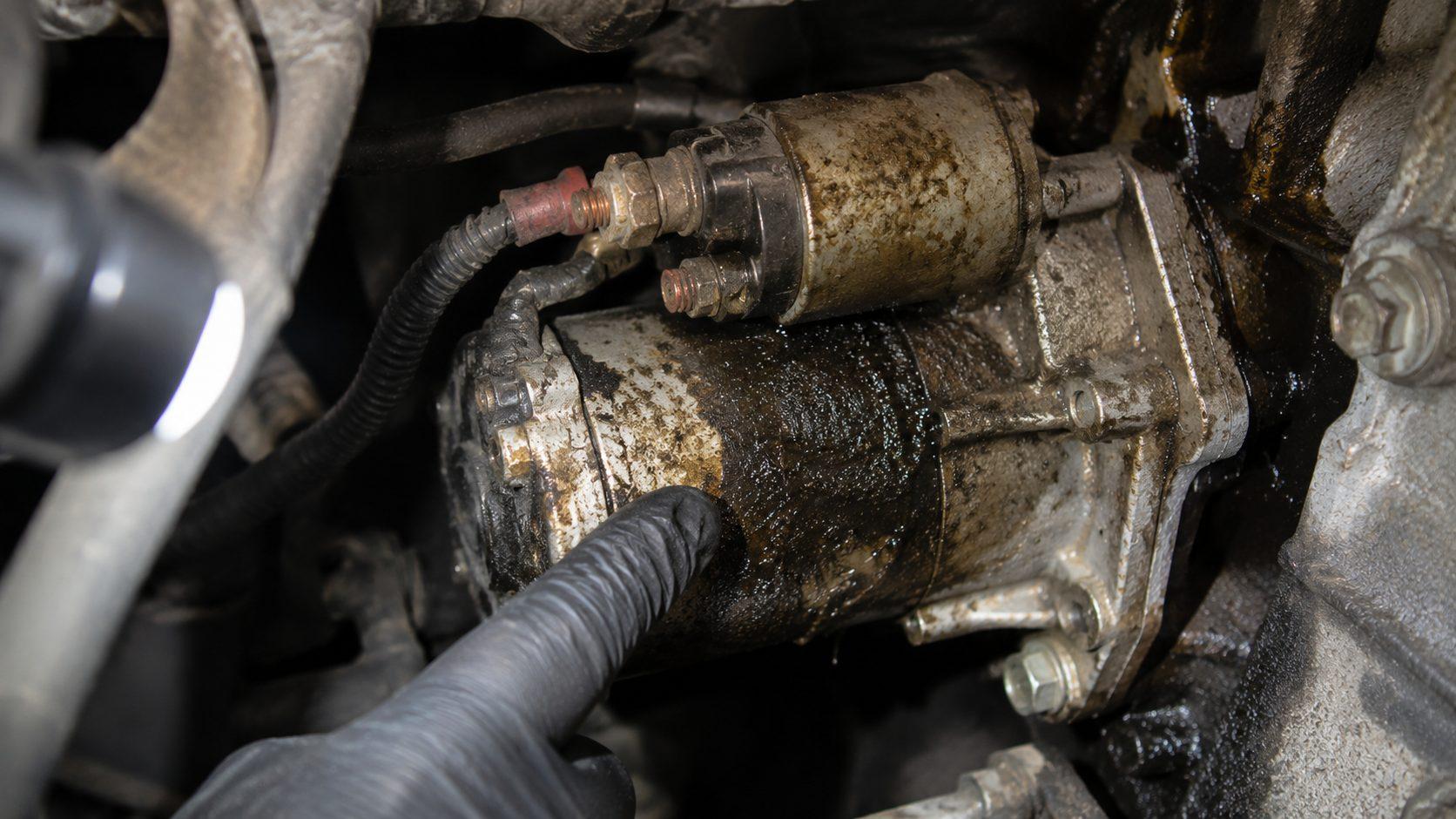
Most starter motors fail through normal wear. Inside are components including brushes, bearings, windings, a solenoid and a small drive gear. Thousands of start cycles, engine-bay heat and vibration all take their toll. Vehicles used for frequent short trips can place more demand on the starting system because the engine is switched on and off more often, while the battery may not receive a full recharge between runs.
Oil leaks can also contribute. On some engines, leaking oil can find its way onto the starter motor or its electrical connections. Moisture, road grime and corrosion can have a similar effect, particularly on vehicles regularly exposed to wet conditions or coastal air.
A weak battery is not always the original cause, but it can shorten a starter motor's life. When battery voltage is low, the starter must work harder to turn the engine. Repeated jump-starts are another warning sign worth investigating rather than treating as a long-term solution.
There are cases where the engine itself is difficult to turn due to a mechanical problem, but this is less common. That is why accurate testing matters. A quality repair should address the cause, not merely replace the part that seems most likely.
Can you keep driving with a failing starter motor?
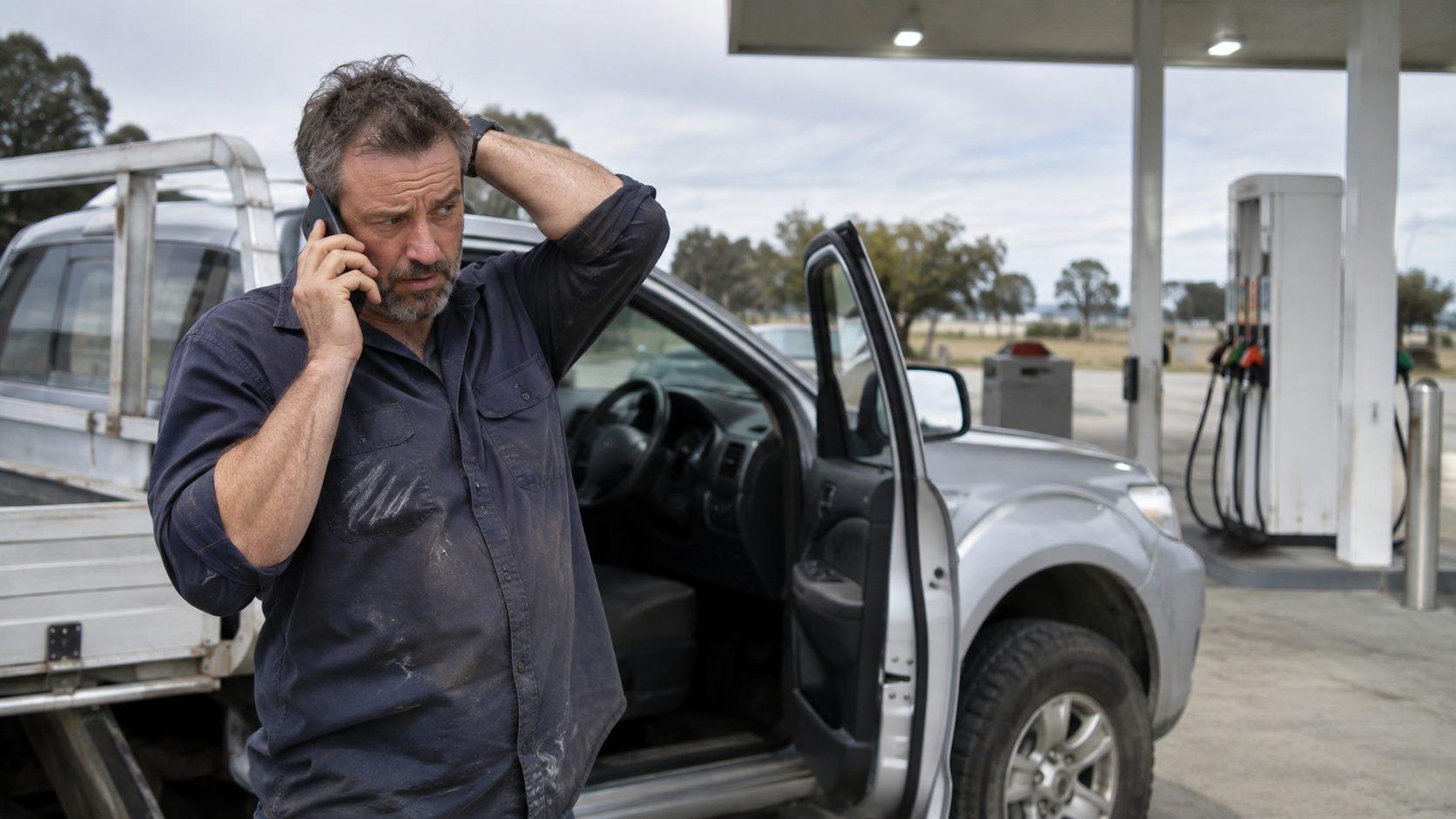
Usually, a starter motor fault will not affect how the car drives once the engine is running. The risk is that, once you switch it off, it may not restart. That can leave you stranded at the servo, at work or on a weekend away.
If you notice slow cranking, clicking or an intermittent no-start, arrange an inspection before the vehicle becomes unreliable. Do not keep trying to start it for long periods. Extended cranking can flatten the battery and create more confusion around the original fault.
If the vehicle will not start, avoid repeatedly jump-starting it unless you need to move it to a safe place. A jump-start may help if the battery is flat, but it will not fix worn starter components, a poor earth connection or an electrical control issue.
What a starter motor repair may involve
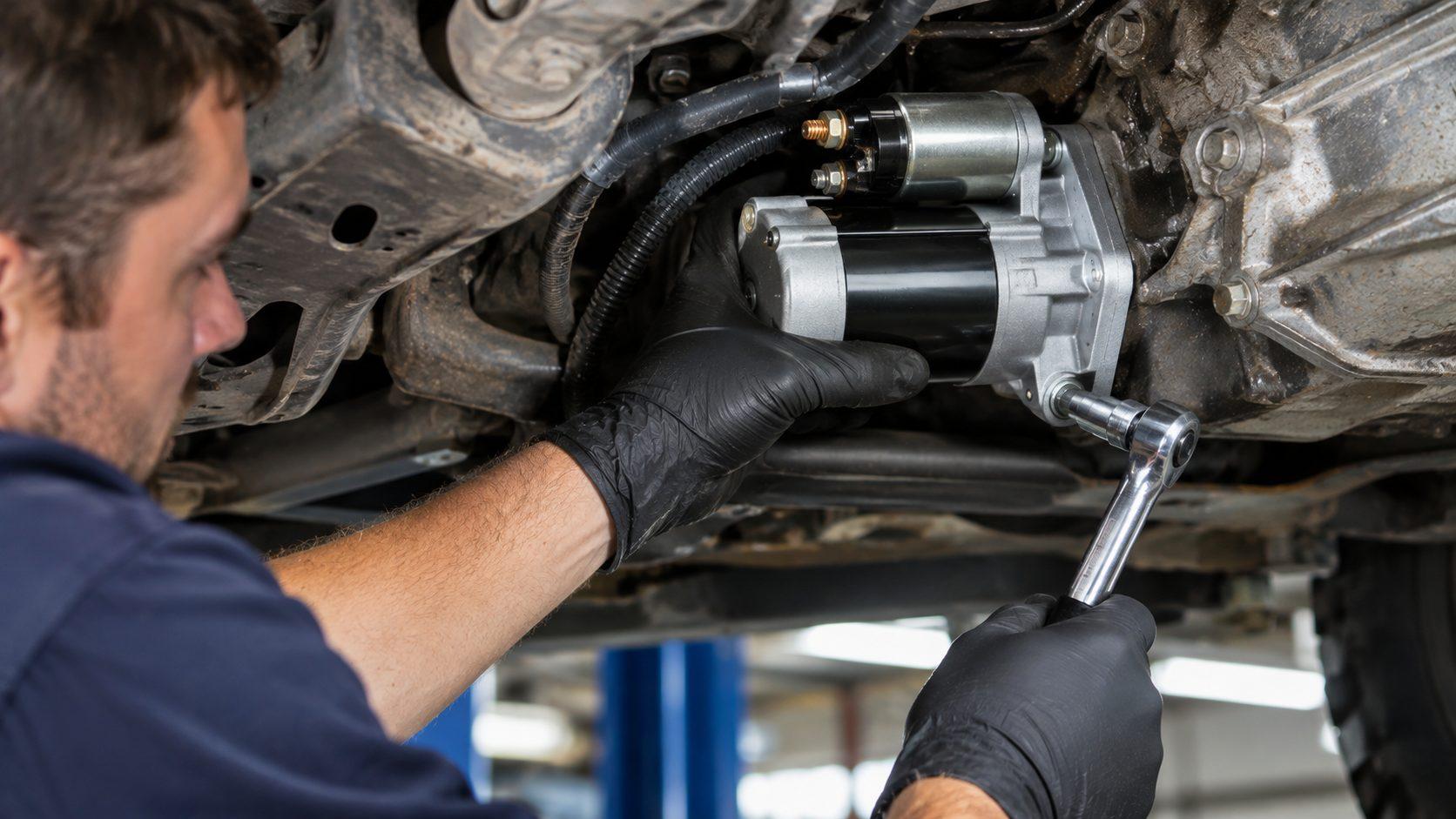
The repair depends on the diagnosis and the vehicle. In some cases, cleaning or replacing a corroded terminal, repairing a cable or fitting a new battery resolves the problem. If the starter motor has failed internally, replacement is generally the dependable option.
Access can make a difference to cost. On some vehicles, the starter is easy to reach from underneath the engine bay. On others, it may sit beneath intake components or close to the transmission, requiring more labour. This is one reason quotes can vary between vehicles even when the symptom sounds the same.
A transparent workshop should explain what testing has found, which parts are required and why. It should also tell you if related work is sensible while access is available, rather than presenting unexpected extras after the job has begun. There is a balance here: not every nearby component needs replacing, but ignoring a clear oil leak or damaged cable can compromise the new part.
Simple checks you can do safely
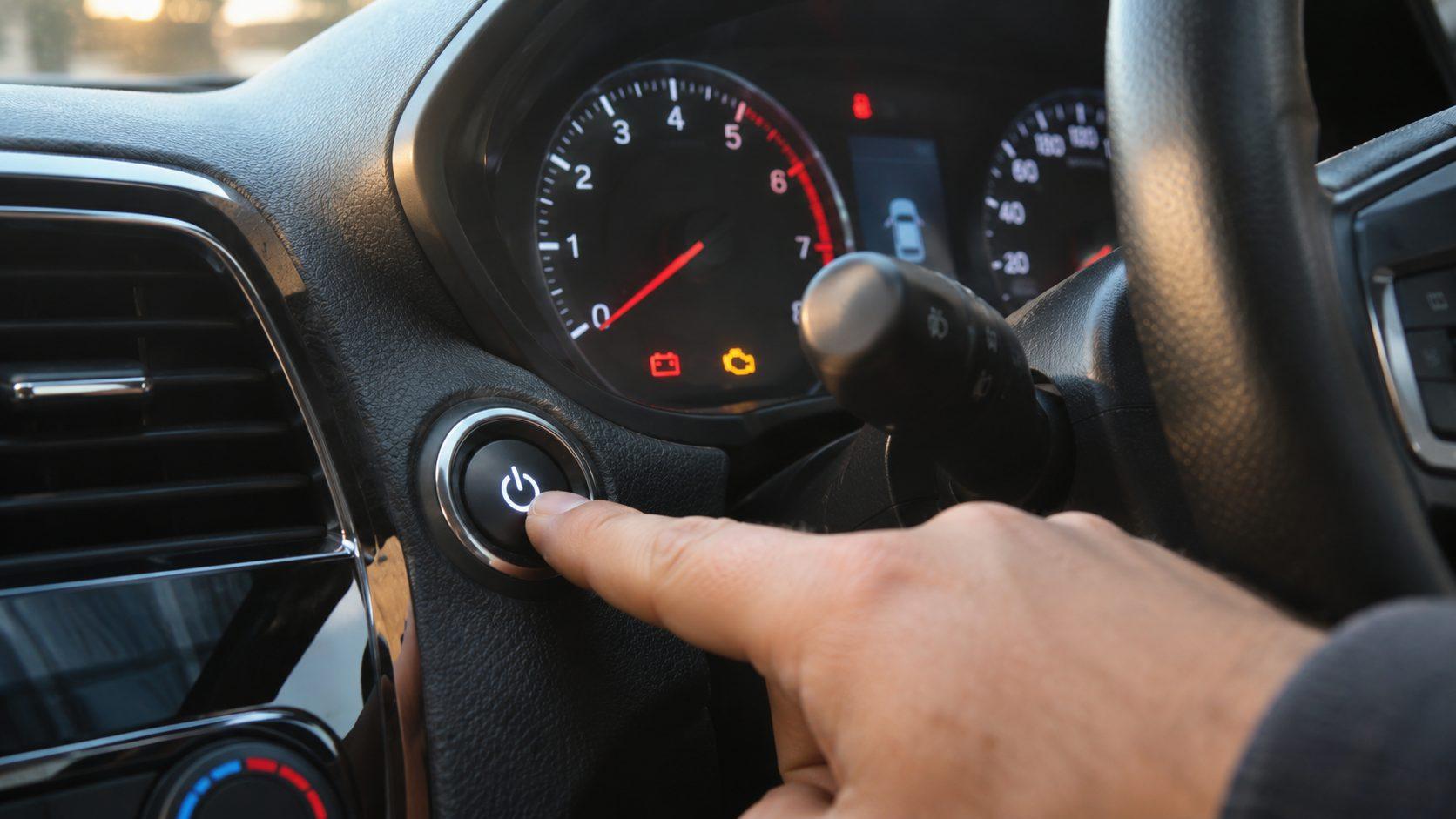
Before booking in, you can look for obvious clues without dismantling anything. Check whether the dashboard lights come on normally, whether the headlights dim heavily when you attempt to start, and whether the issue happens only when the engine is hot or cold. If your vehicle has an automatic transmission, make sure it is firmly in Park and try Neutral with the brake applied. For a manual, fully depress the clutch pedal.
You can also visually inspect the battery terminals for white or blue-green corrosion, but do not touch exposed wiring or attempt to bridge starter terminals. Modern vehicles have sensitive electronics, and incorrect jump-starting or electrical work can cause further damage.
Make a note of any warning lights, sounds and how often the problem occurs. That information helps a technician reproduce an intermittent fault and can reduce diagnostic time.
Get clear answers before the next no-start
A vehicle that hesitates to start is asking for attention, even if it eventually gets you home. At Armstrong Creek Motors, we can test the battery, charging system and starting circuit properly, then explain the findings in plain language before recommending repairs.
If your car has begun clicking, cranking slowly or refusing to start at random, booking it in while it is still mobile is often the easiest and fairest way to deal with the problem.
Was this article helpful?