

Summarise this article with AI
On this page · 6 sections
Key takeaways
- There is no single service interval for every automatic; follow the manufacturer schedule and adjust for towing, heat and stop-start driving.
- "Lifetime" transmission fluid still ages, so have its condition assessed if you plan to keep the vehicle beyond warranty.
- A proper service uses the correct specified fluid and sets the level at the right temperature, often with a scan tool connected.
- Delayed engagement, shuddering, harsh changes, new noises, warning lights or fluid leaks should be checked early.
- Stop fully before changing direction, use the handbrake on slopes and stay within towing limits to reduce wear.
A hesitation when pulling away from a roundabout, a thump during a gear change or a delay selecting Drive can turn an ordinary commute into a worrying one. Automatic gearbox maintenance is the practical way to reduce those risks before a small fluid or electronic issue becomes an expensive transmission repair.
Modern automatics are clever, compact and highly dependent on clean fluid, correct pressure and accurate electronic control. They can also be costly to repair if a developing fault is ignored. The good news is that regular servicing and early diagnosis give most gearboxes their best chance of a long working life.
Automatic gearbox maintenance is not a one-size schedule
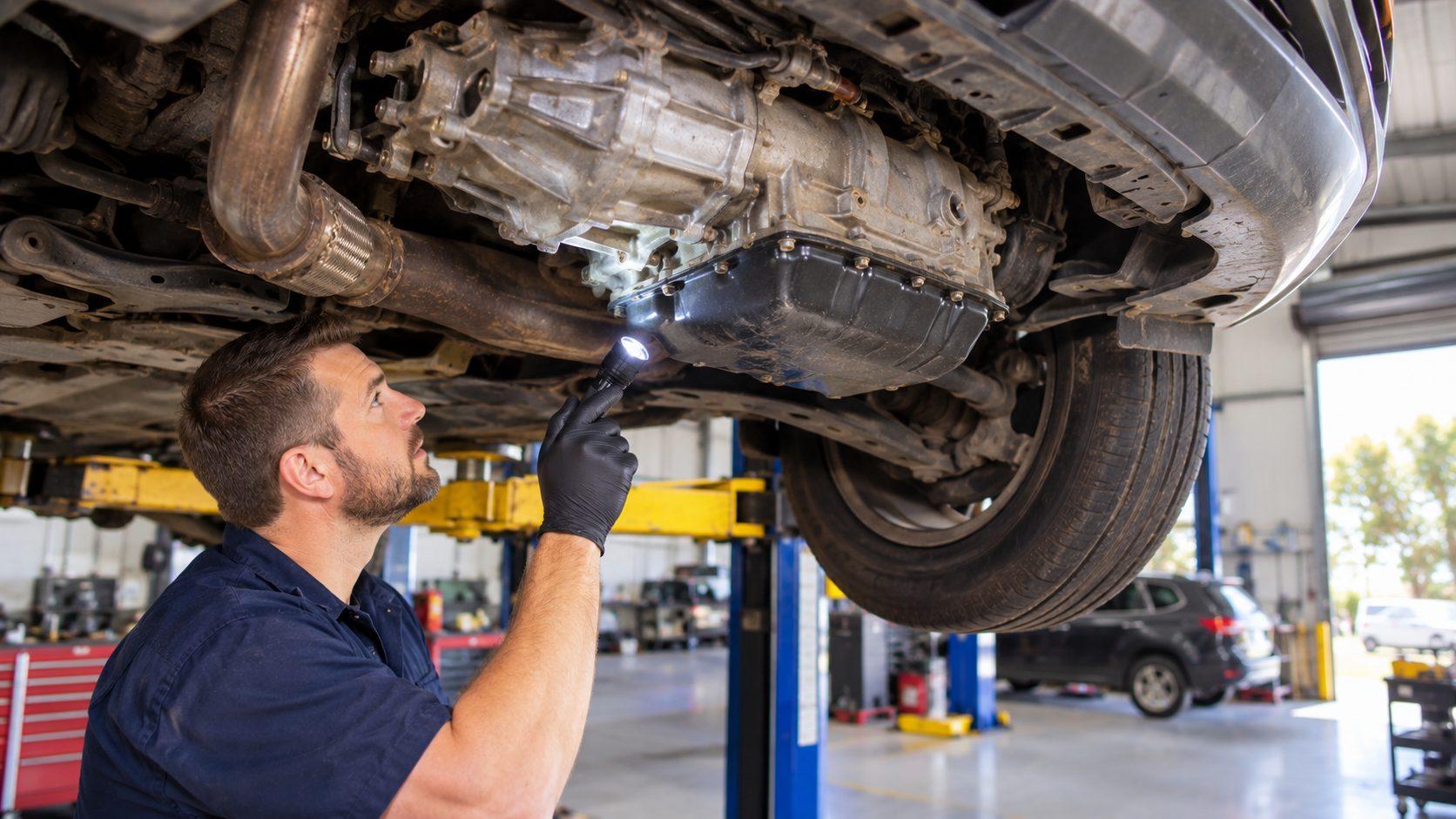
There is no single kilometre interval that suits every automatic vehicle. A conventional torque-converter automatic, CVT, dual-clutch transmission and automated manual all use different designs, fluids and service procedures. The right approach starts with the vehicle manufacturer's service requirements, then takes account of how the car is actually used.
A vehicle that spends most of its life on open roads may place less strain on its transmission than one used for short school runs, stop-start commuting or regular towing. Hot weather, steep hills, heavy loads and long periods in traffic all increase fluid temperature. Heat breaks down transmission fluid over time, reducing its ability to lubricate moving parts and control hydraulic pressure.
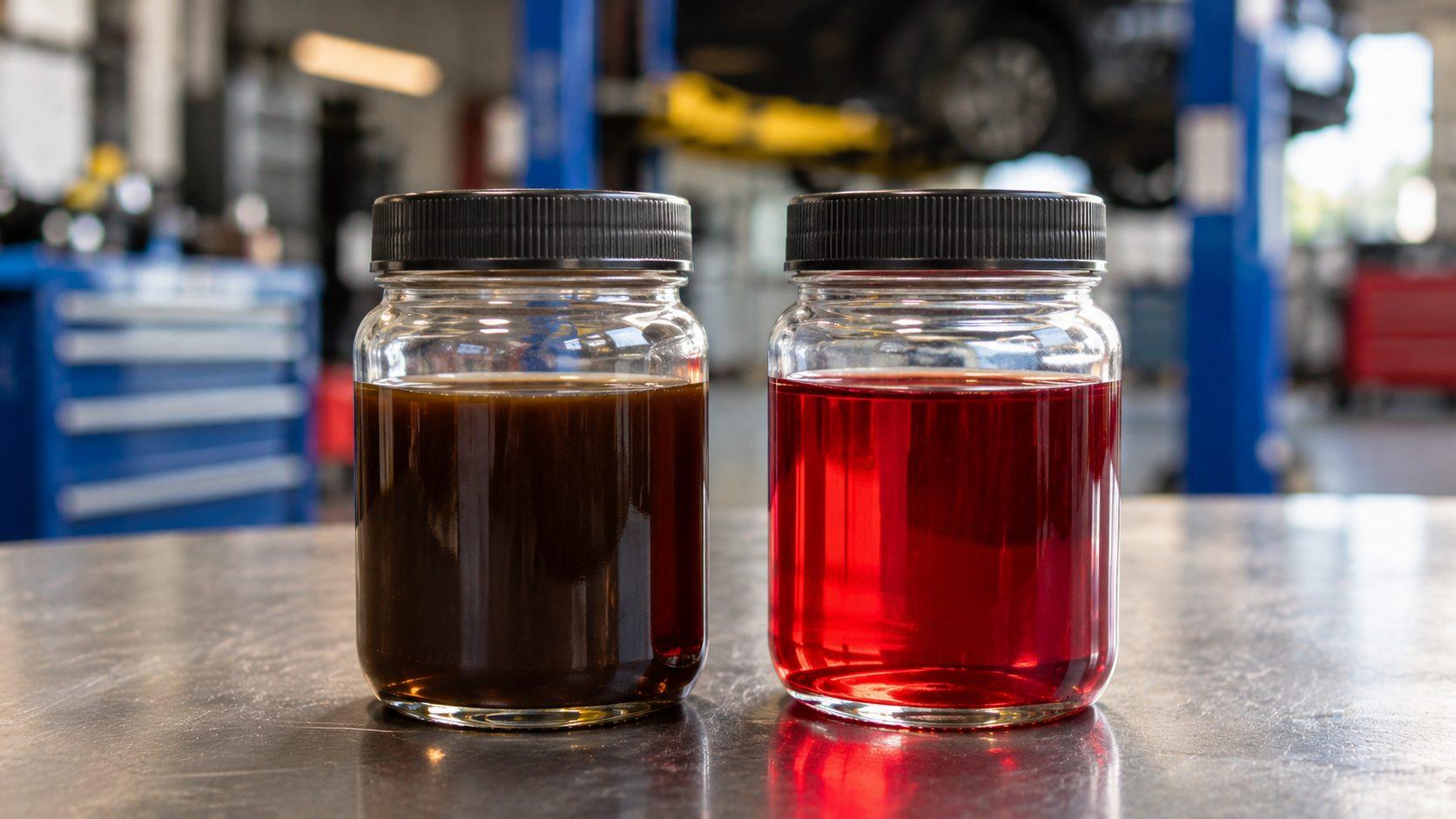
Some manufacturers describe transmission fluid as "lifetime" fluid. In practice, that description can be misleading for owners planning to keep a vehicle beyond its warranty period. Fluid still ages, collects fine wear material and works harder in Australian driving conditions. A qualified mechanic can assess the manufacturer guidance and the vehicle's condition rather than applying a generic rule.
What a gearbox service usually involves
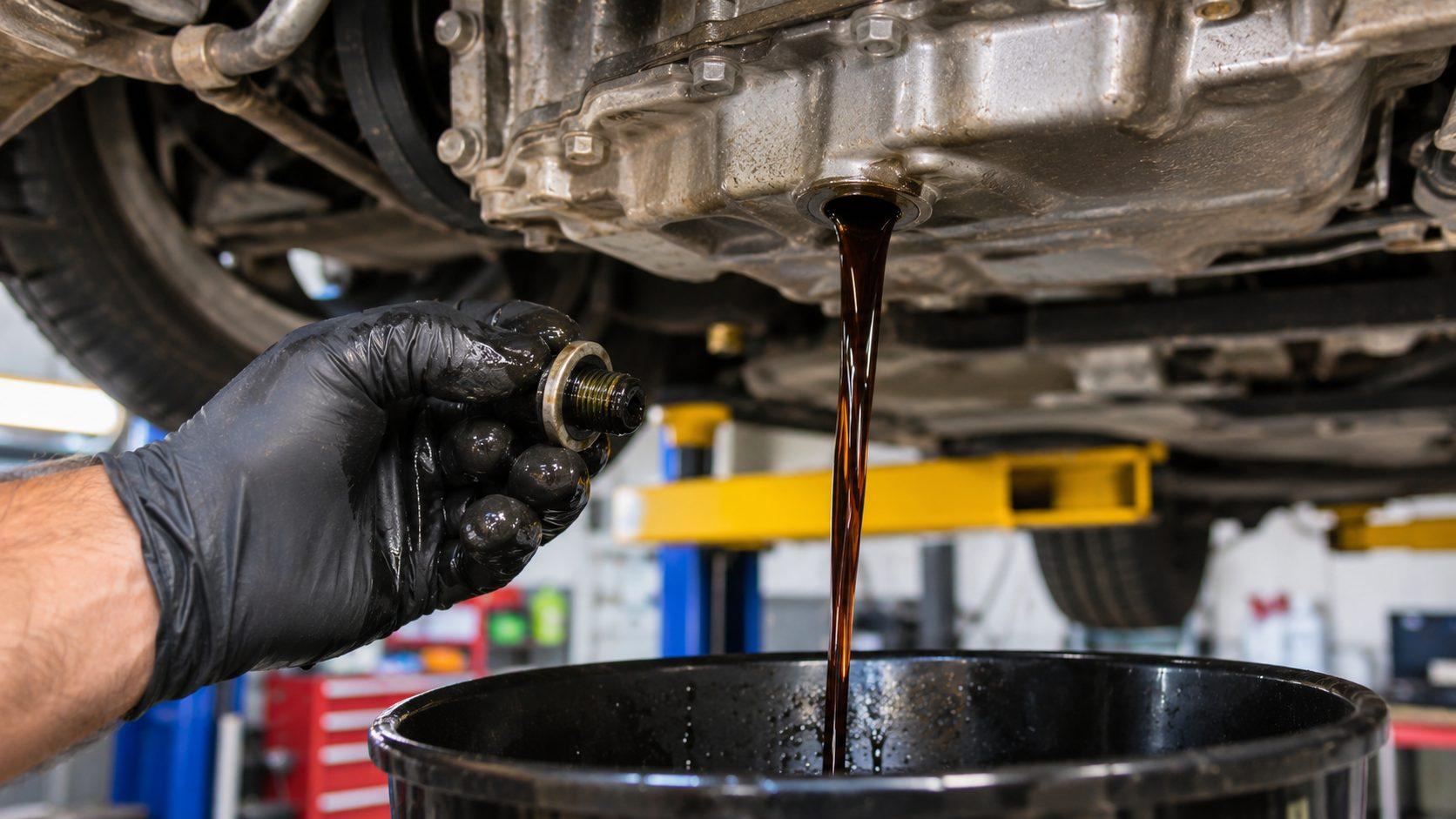
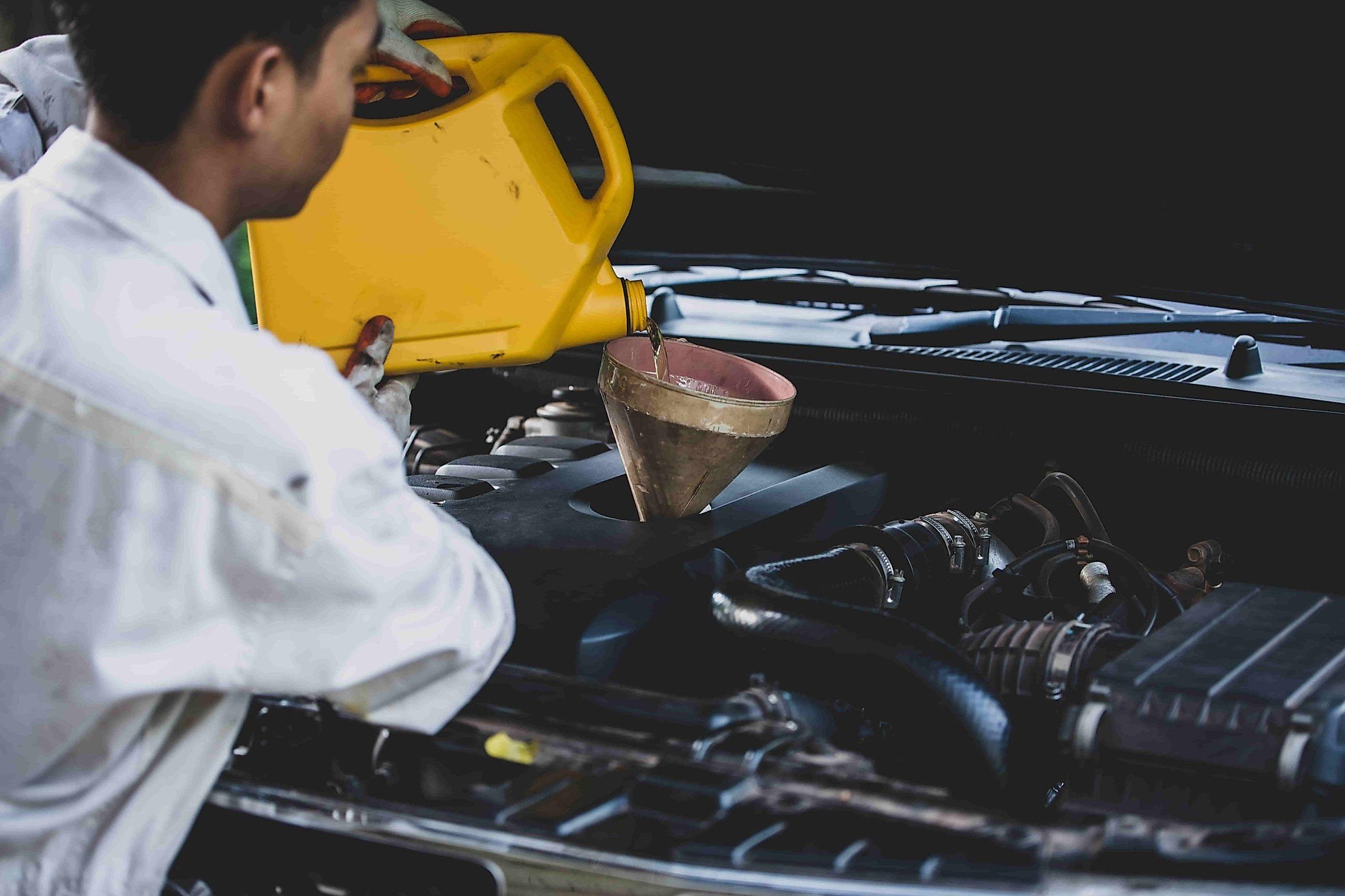
A proper automatic transmission service is more than simply changing fluid. The exact work depends on the gearbox design, access to components and service history, but it may involve draining old fluid, replacing the filter or sump gasket where applicable, cleaning the pan and magnet, and refilling with the correct specified fluid.
The fluid specification matters more than many people realise. Automatic transmission fluid is not interchangeable just because the bottle says it suits several vehicles. It has specific friction characteristics that allow clutch packs, valves and torque converters to operate as designed. Using an incorrect fluid can cause harsh shifts, slipping or premature internal wear.
The refill level is equally important. Many modern transmissions must be checked at a precise temperature with the engine running and a diagnostic scan tool connected. Too little fluid can starve internal components. Too much can aerate the fluid and affect pressure. This is why transmission servicing is best left to a workshop with the right equipment and technical information.
A fluid exchange or flush may be suitable in some situations, but it is not automatically the best answer. On a neglected high-kilometre gearbox that is already slipping or contaminated, changing fluid will not repair worn internal parts and can sometimes expose an existing problem. Honest advice means checking for faults first, explaining the options and recommending work that makes sense for the vehicle.
Filters, seals and software matter too
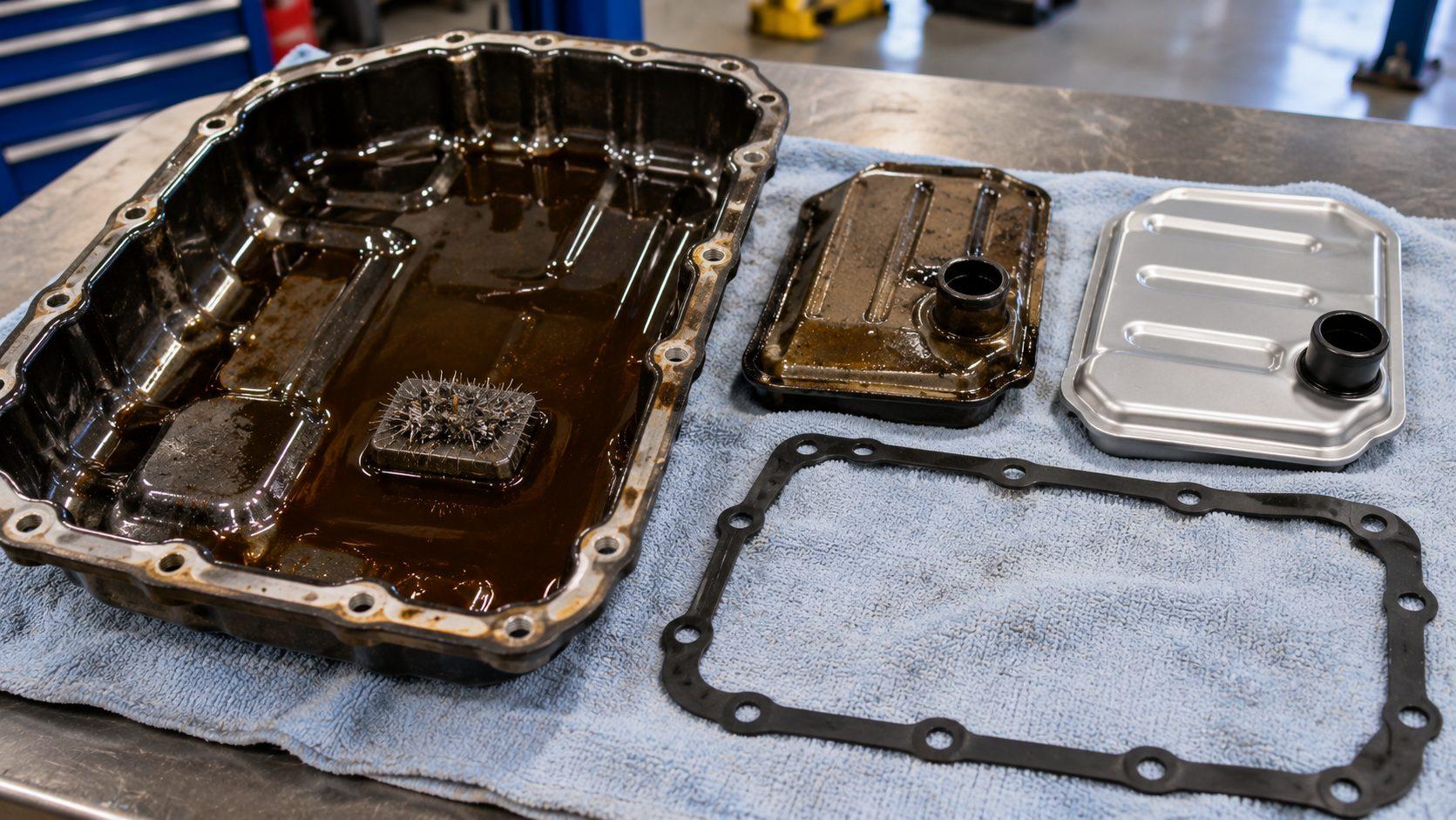
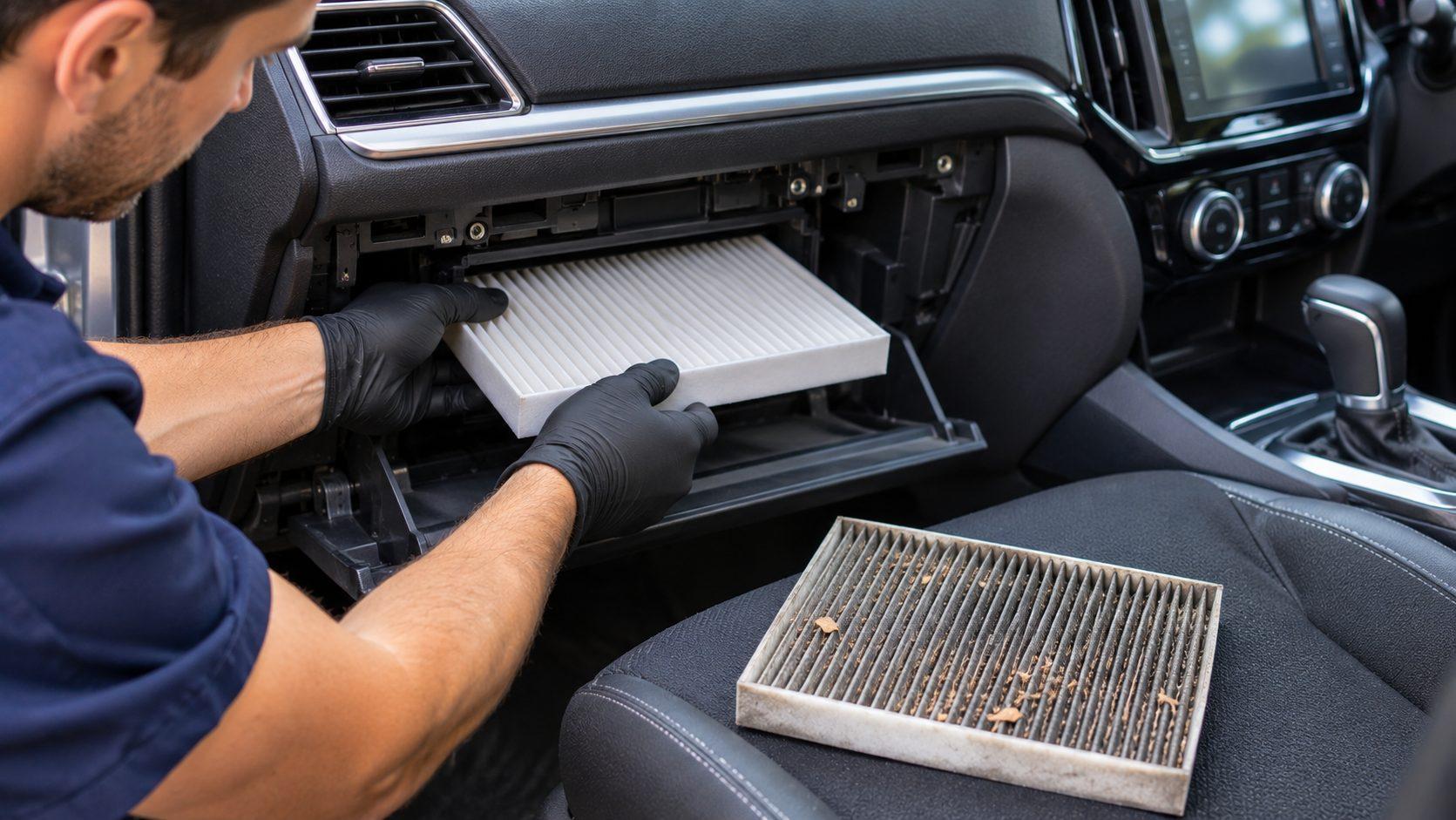
Some transmissions have serviceable external filters, while others have filters inside the transmission pan. Seals, gaskets and cooler hoses may also be inspected for leaks during a service. Even a slow fluid leak deserves attention, as the gearbox may operate normally until the level drops far enough to cause damage.
Software updates and adaption procedures can also be relevant, particularly on late-model European vehicles and dual-clutch transmissions. The gearbox control unit learns driving patterns and clutch positions. After certain repairs or fluid services, it may need to be reset or recalibrated using suitable diagnostic equipment.
Warning signs worth booking in early
A gearbox rarely fails without giving some clue beforehand. Not every symptom means the transmission needs rebuilding, because engine faults, worn mounts, driveshaft issues and electrical problems can feel similar. Still, these signs should be checked rather than watched for weeks:
- delayed engagement when selecting Drive or Reverse
- shuddering, slipping or flaring between gears
- harsh changes, banging or a noticeable clunk
- whining, humming or grinding noises that change with vehicle speed
- a transmission warning light, check engine light or limp-home mode
- red, brown or dark fluid leaking beneath the vehicle
Pay attention to when the problem occurs. Does it happen only when cold, after towing, during uphill driving or at a particular speed? That information helps a technician narrow down the cause. If a warning light appears or the vehicle suddenly loses drive, avoid continuing to drive it where possible. Pull over safely and arrange an inspection.
Habits that reduce transmission wear
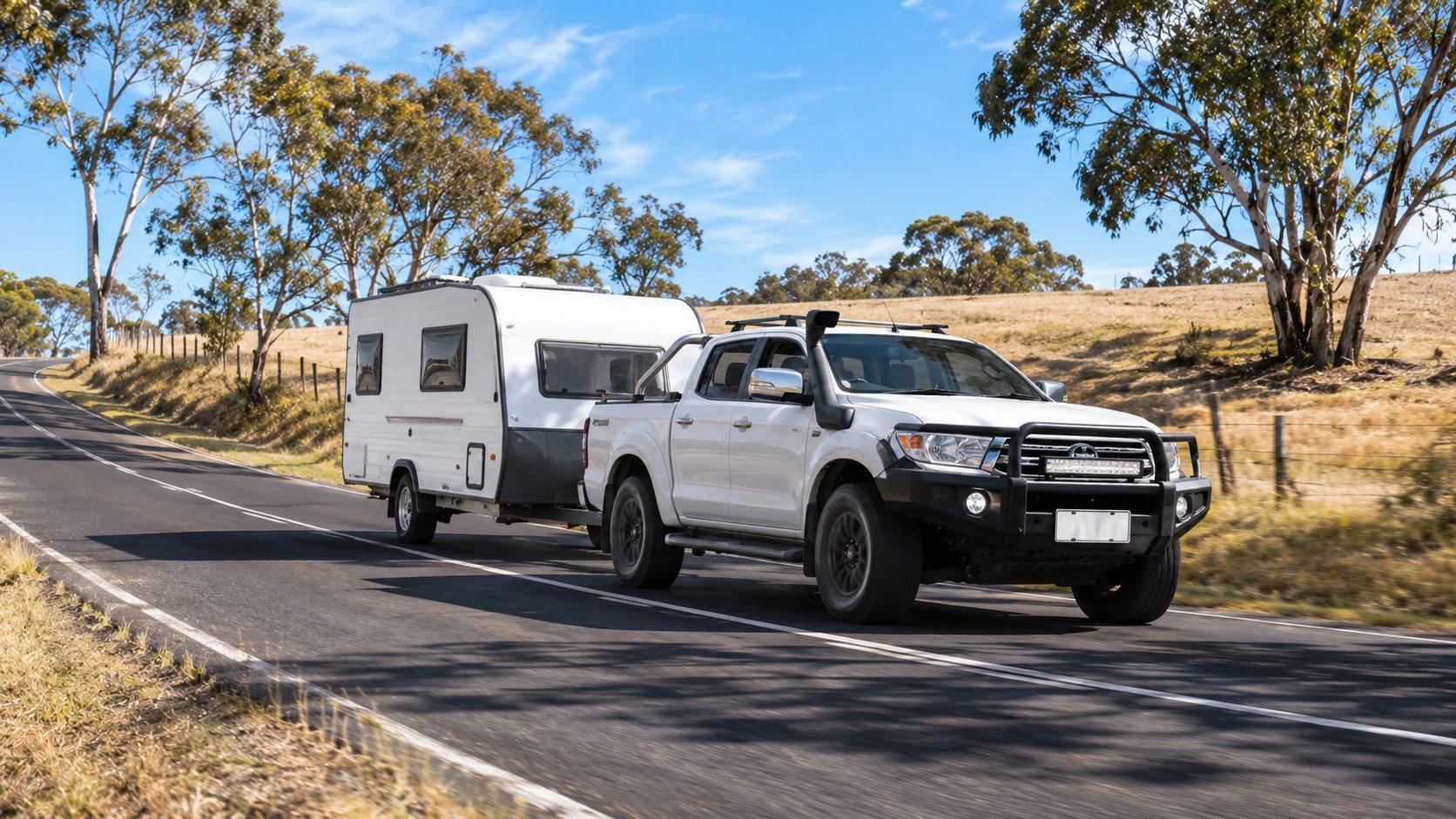
Good maintenance is not limited to the workshop. A few everyday habits can make a real difference, especially if you drive in busy Geelong traffic or regularly head away with a loaded trailer.
Come to a complete stop before moving from Reverse to Drive, or Drive to Reverse. Selecting a new direction while the car is still rolling puts unnecessary shock through the gearbox and driveline. When parking on a slope, apply the handbrake before relying on Park so the vehicle's weight is not held entirely by the parking pawl inside the transmission.
If your vehicle is rated for towing, stay within its towing limits and make sure its cooling system is in good condition. Towing increases transmission temperatures quickly, particularly on hills. Some vehicles benefit from an additional transmission cooler, but this should be assessed for the specific vehicle and intended load rather than fitted as a blanket solution.
Avoid ignoring engine cooling issues too. In many vehicles, transmission fluid is cooled through the radiator or a dedicated heat exchanger. An overheating engine can therefore affect transmission temperature and fluid condition. Regular cooling system checks are part of protecting the whole driveline.
The value of accurate diagnosis

Transmission repairs have a reputation for being expensive partly because the gearbox is often blamed before it has been properly tested. A warning light may be caused by a sensor, wiring fault, battery-voltage issue, valve body concern or engine misfire. Replacing major components without diagnosis is frustrating and unfair on the owner.
A thorough assessment should include a road test where safe, a scan for fault codes and live data, checks of fluid condition and level, and inspection for leaks or related driveline faults. On vehicles with a service history gap, the findings can guide whether preventative servicing is sensible or whether further repair work is needed first.
This approach is particularly useful for BMW, Audi, Mercedes-Benz and Volkswagen vehicles, where gearbox operation is closely linked to electronic controls and manufacturer-specific diagnostic information. Specialist knowledge does not need to mean dealer-style complexity or vague recommendations. You should receive a clear explanation of the fault, the urgency of the repair and the likely costs before work begins.
When buying a used automatic vehicle
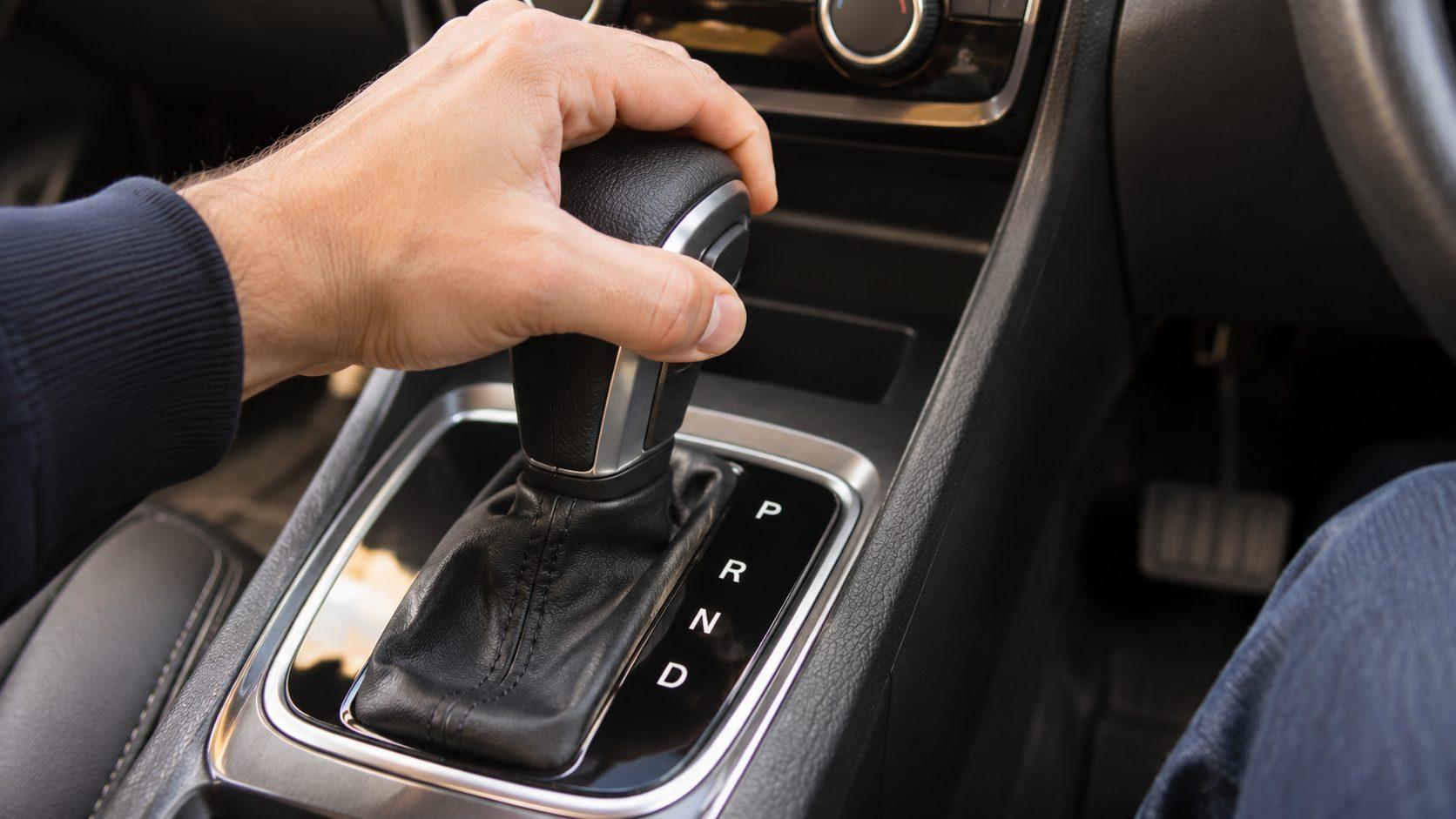
A short test drive can reveal plenty. Start the car from cold, let it idle briefly and move through each selector position with your foot on the brake. Engagement should be reasonably prompt and controlled. During the drive, look for smooth changes under gentle acceleration, then test moderate acceleration where safe.
Ask for evidence of transmission servicing, not just a verbal assurance that it has been looked after. A vehicle with a stamped service book but no record of gearbox work may still be fine, but it is worth allowing for an inspection and possible service. Pre-purchase checks are especially valuable on older automatics and premium European vehicles, where one avoided fault can save thousands.
For local owners, Armstrong Creek Motors can inspect transmission concerns, explain the findings in plain language and carry out the right service or repair without the guesswork. Booking in at the first sign of an issue is usually kinder to your vehicle and your budget than waiting for a minor shift problem to become a no-drive situation.
Was this article helpful?