

Summarise this article with AI
On this page · 6 sections
Key takeaways
- You are generally able to choose a qualified independent repairer, provided the service is completed to the manufacturer's requirements and appropriate records are kept.
- A warranty does not cover every repair: tyres, brake pads, wiper blades, clutches and other consumable parts are usually handled as maintenance items.
- Follow whichever comes first in the service schedule: time or distance.
- A good invoice shows the registration or VIN, date, odometer reading, work completed, parts or fluids used and the workshop's details.
- Book with the dealer for recalls, software campaigns or warranty repairs that only its authorised network can complete.
A new-car warranty should give you confidence, not lock you into expensive or confusing servicing decisions. This car warranty servicing guide explains what actually protects your warranty, what a workshop needs to do, and how to avoid the paperwork gaps that can cause trouble if a fault appears later.
For many drivers, the concern is simple: can an independent mechanic service my vehicle without affecting the manufacturer warranty? In most cases, yes. You are generally able to choose a qualified independent repairer, provided the service is completed to the vehicle manufacturer's requirements and appropriate records are kept. The detail matters, though, particularly for newer vehicles, European cars and vehicles with capped-price servicing plans.
Car Warranty Servicing Guide: What Protects Your Cover
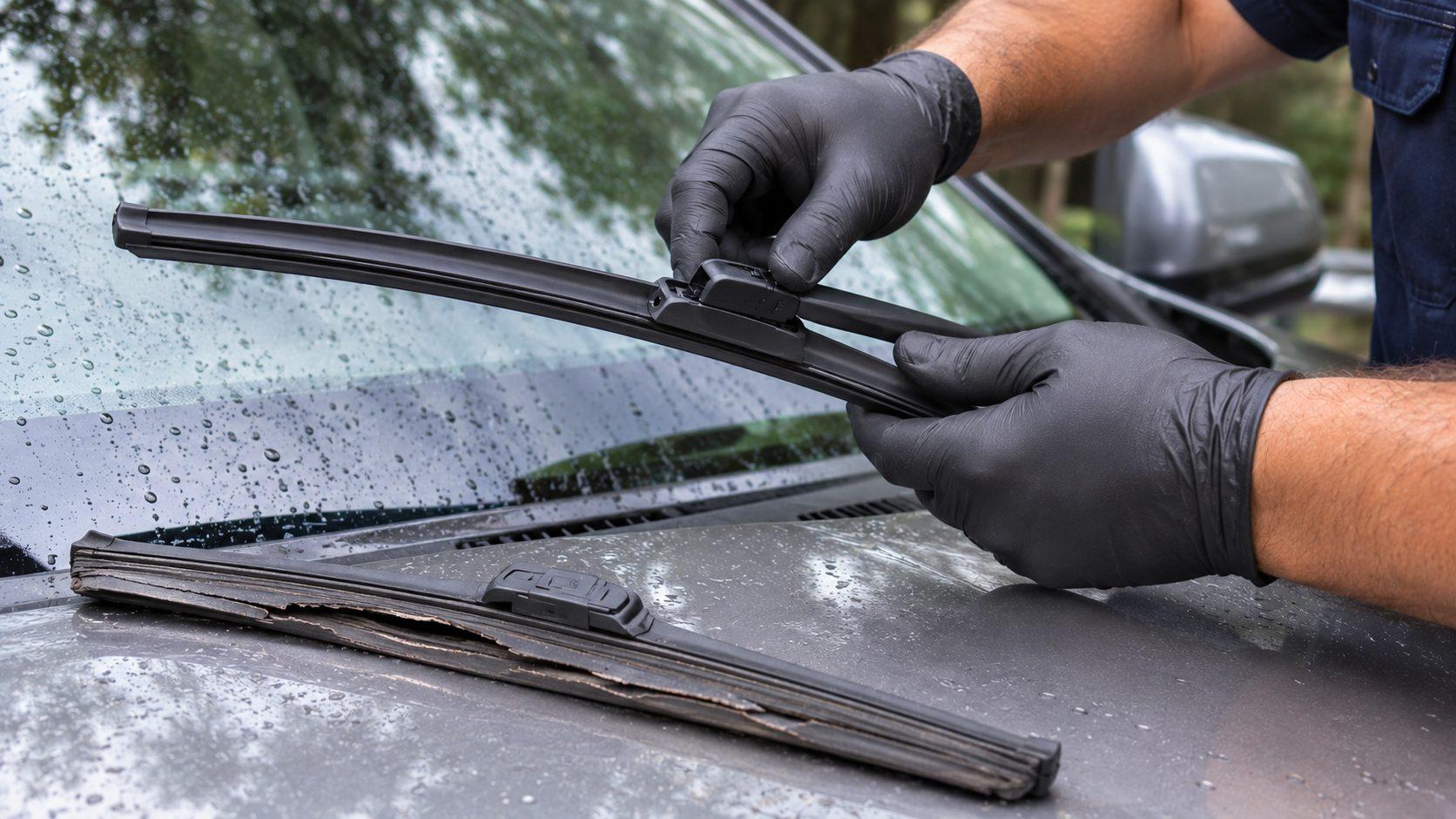
A warranty is the manufacturer's promise to address certain faults within a set time or kilometre period. It does not mean every repair, wear item or maintenance cost is covered. Tyres, brake pads, wiper blades, clutches and other consumable parts will commonly wear out through normal use and are usually handled as maintenance items.
What protects your warranty is not necessarily a dealership stamp. It is evidence that the car has been serviced correctly, at the right intervals, using suitable parts and fluids, by people with the skills and equipment to do the work properly.
Your service schedule is the starting point. Found in the logbook, owner's manual or vehicle display, it sets out when the vehicle requires attention based on time, kilometres or both. A car that has only travelled a few thousand kilometres may still need an annual service because brake fluid condition, engine oil ageing, battery health and rubber components can deteriorate with time.
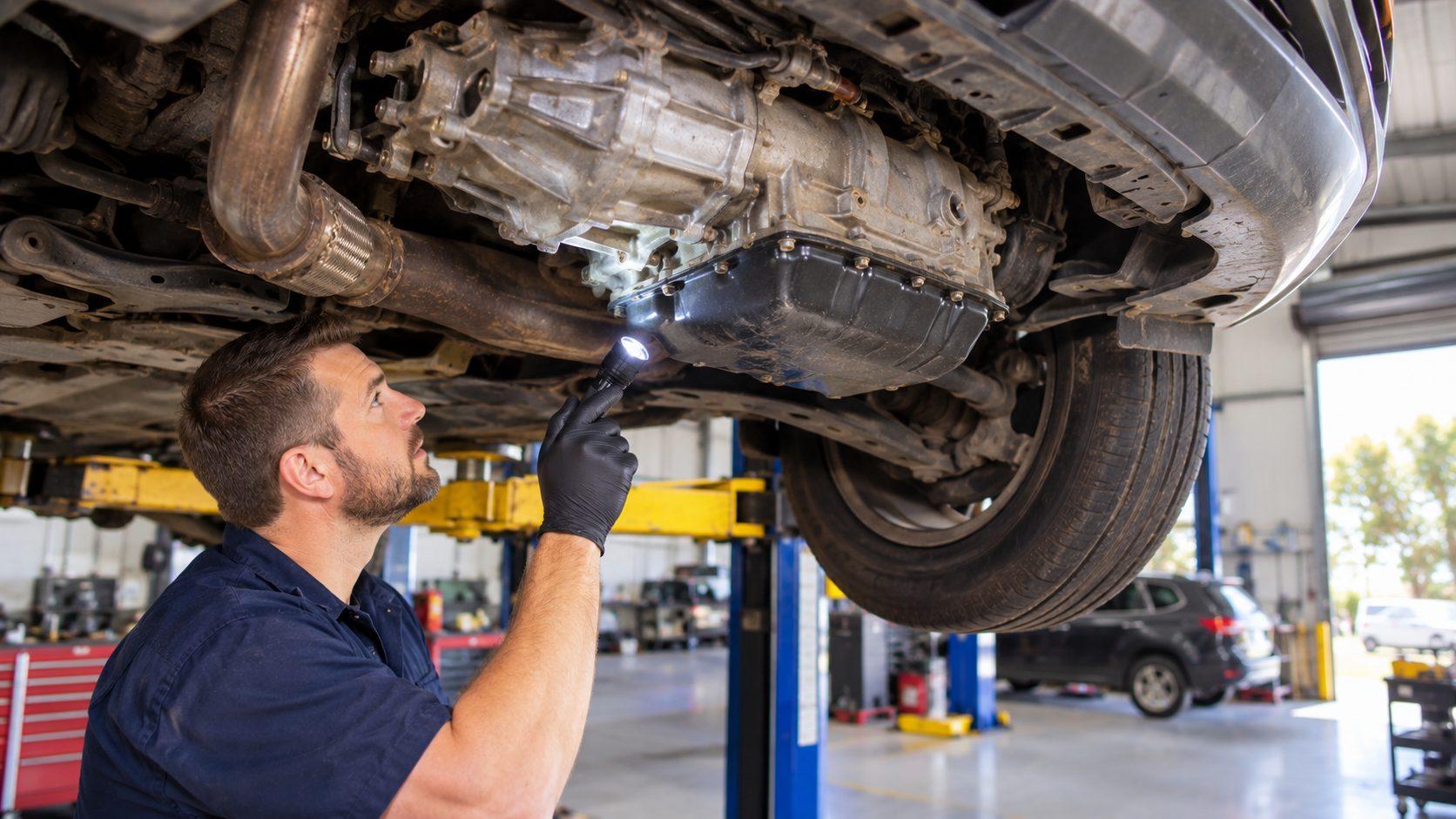
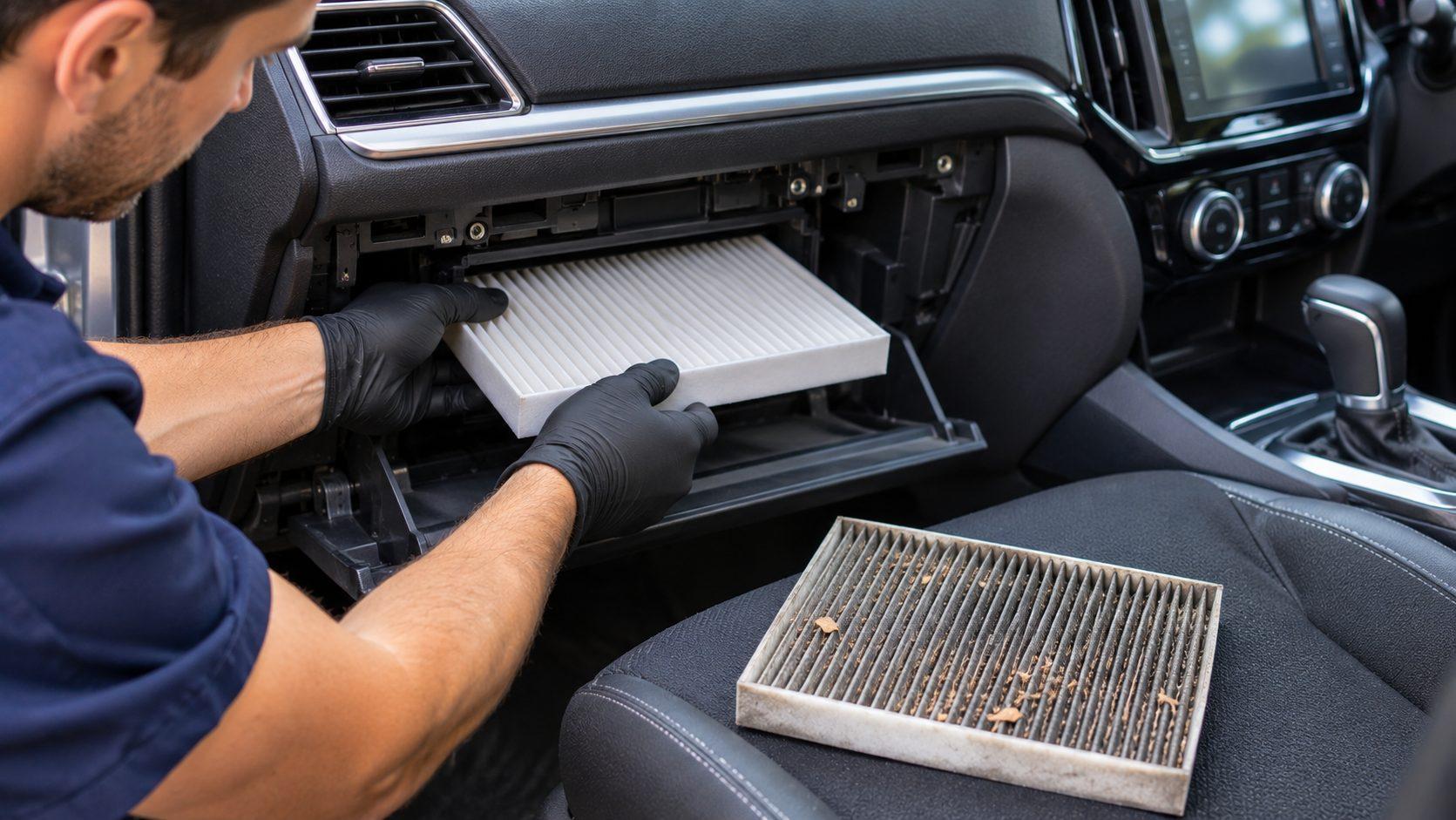
A proper scheduled service is more than an oil change. Depending on your vehicle and its service interval, it may include inspections or replacement of engine oil and filters, brake components, tyres, fluid levels, suspension, steering, cooling systems, belts, lights, battery condition and diagnostic fault codes. Some vehicles also have specific requirements for transmission fluid, spark plugs, pollen filters, diesel particulate filter checks or timing-belt replacement.
Skipping items because the car feels fine can create a problem later. It may also leave you paying for preventable repairs. A worn belt, neglected cooling system or overdue transmission service can become far more expensive than the maintenance that would have addressed it early.
Can an Independent Mechanic Service a Warranty Vehicle?
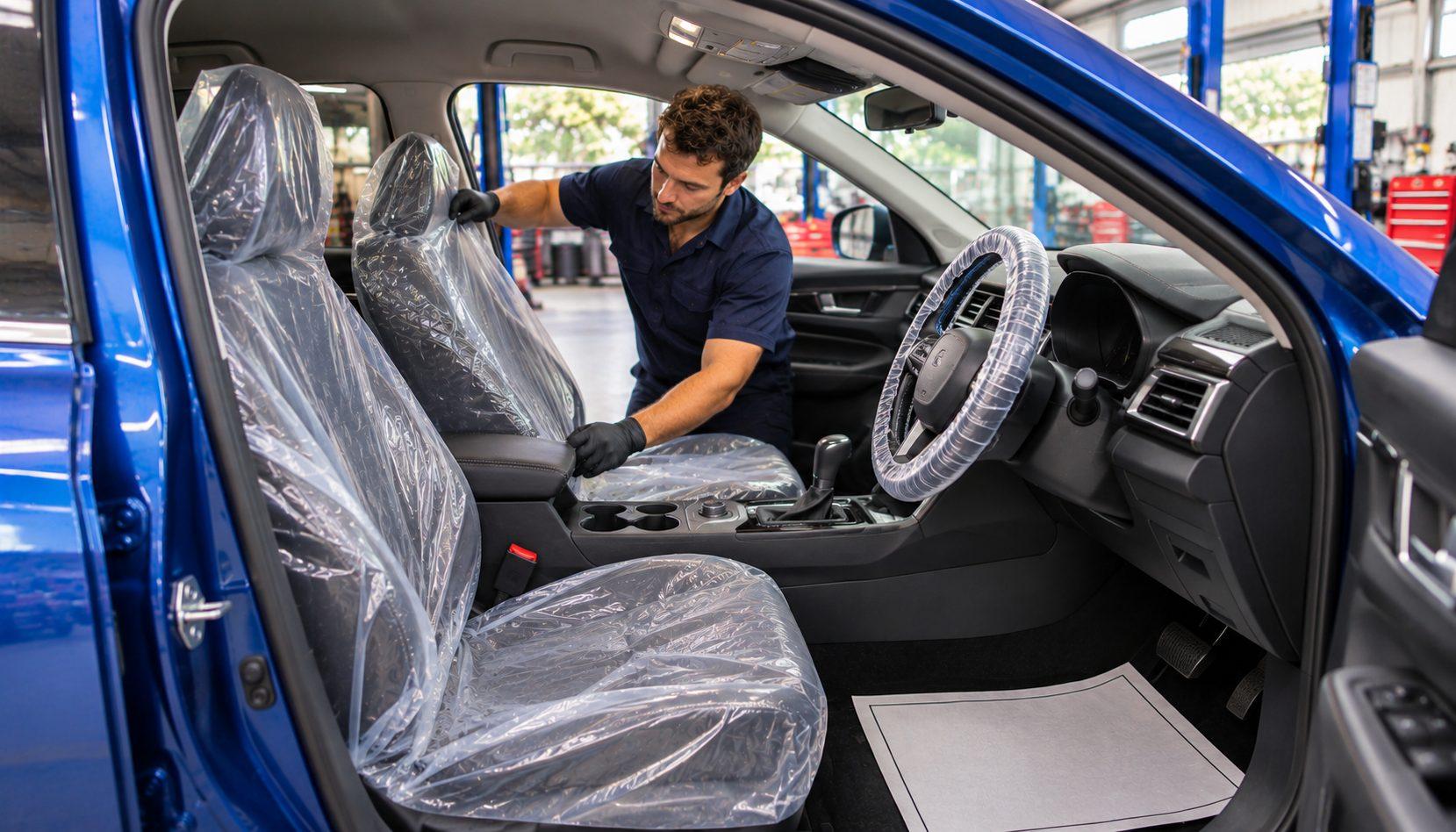
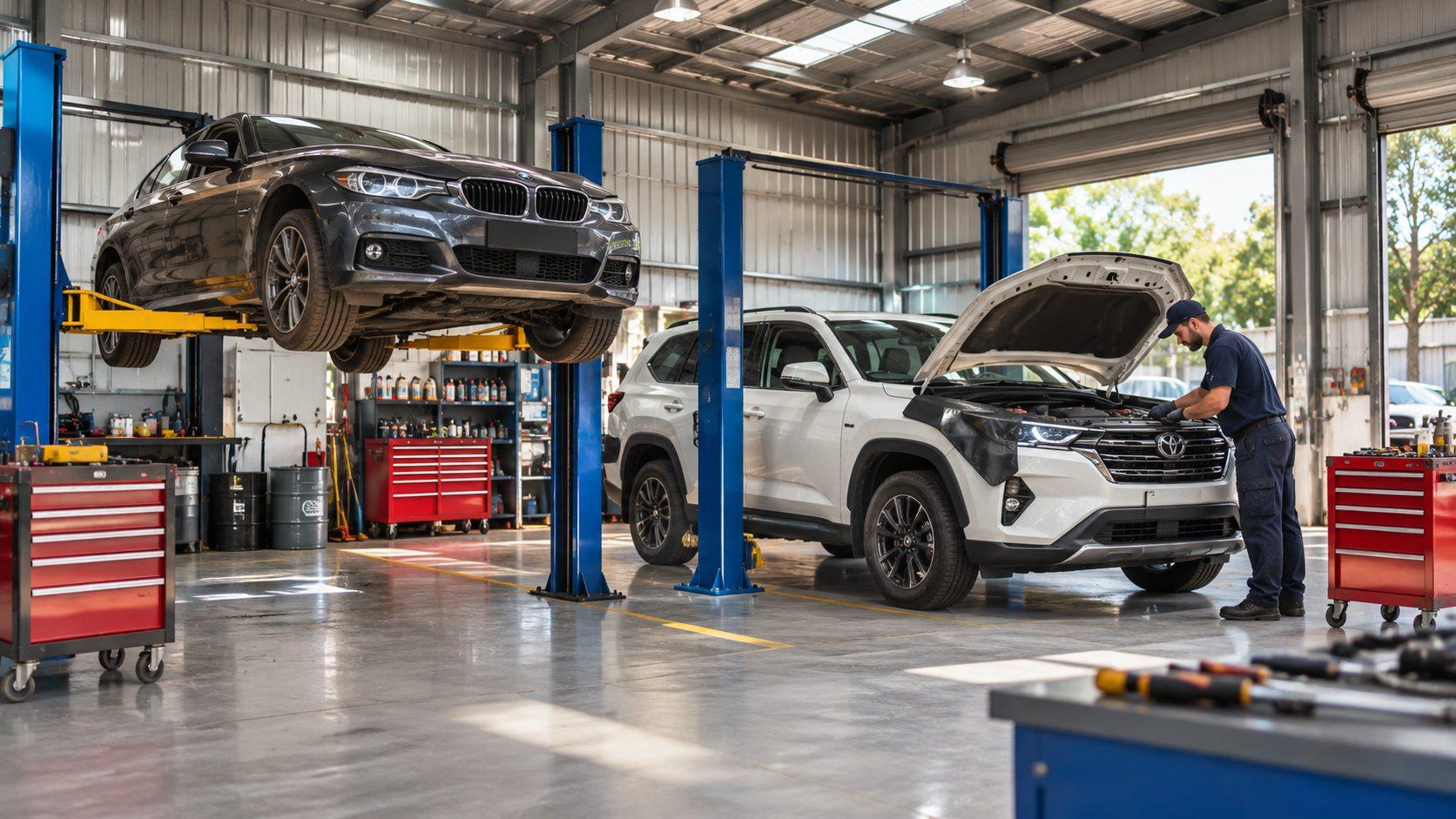
An independent workshop can be a sensible alternative to a dealership, especially when you want direct communication, fair pricing and a clearer explanation of the work. The key is choosing a workshop that follows manufacturer specifications rather than applying a one-size-fits-all service.
Ask whether the workshop can service your vehicle to the logbook schedule, use parts that meet the required standard, and provide a detailed invoice. A qualified technician should also be able to identify whether your vehicle has any special servicing needs before work begins.
For BMW, Audi, Mercedes-Benz and Volkswagen vehicles, specialist diagnostic capability can be particularly valuable. Modern European vehicles often require accurate scan-tool checks, approved fluids and model-specific reset procedures. An independent specialist can provide this level of care without the dealer-style complexity, but it is worth confirming the workshop's experience with your make and model.
There are situations where a dealer may still be the practical choice. If the manufacturer has issued a recall, a software campaign or a warranty repair that only its authorised network can complete, book directly with the dealer. Likewise, a capped-price servicing package can be worth comparing before you decide. The best option depends on the vehicle, the work due and the value you place on convenience, cost and personal service.
Keep Records That Tell the Full Story

If a warranty claim is ever needed, clear records make life easier. Keep your stamped or digital logbook, detailed tax invoices and any reports relating to inspections, diagnostics or repairs. Store them together rather than relying on a faded receipt in the glovebox.
A good invoice should show the vehicle registration or VIN, date, odometer reading, work completed, parts or fluids used, and the workshop's details. It should be specific enough to demonstrate that the scheduled service requirements were addressed.
This matters when a manufacturer investigates whether a fault is related to poor maintenance. For example, an engine issue may be assessed differently if oil changes are overdue or the wrong oil has been used. That does not mean a manufacturer can dismiss every claim simply because you used an independent workshop. It does mean the service history should be accurate and complete.
When selling the car, those same records can support its resale value. Used-car buyers often look first for consistent servicing, particularly on vehicles approaching major maintenance milestones. A documented history gives the next owner more confidence than a verbal assurance that the vehicle has been looked after.
Avoid These Warranty Servicing Mistakes

The most common mistake is assuming every service is the same. A basic service can be appropriate between scheduled services or for an older vehicle with a known maintenance plan, but it may not cover all items required at a manufacturer interval. Always check what is included against your logbook.
Another issue is delaying a service because the car has not reached the kilometre limit. Follow whichever comes first: time or distance. If the service reminder comes on early, do not ignore it. It may be based on driving conditions, oil quality monitoring or a calendar deadline.
Be cautious with modifications too. Accessories and aftermarket changes are not automatically a warranty problem, but a claim can become more complicated if a modification contributes to the fault. Electrical accessories, suspension alterations, engine tuning and non-standard wheels or tyres should be discussed with a qualified professional before installation.
Finally, deal with warning lights and unusual symptoms promptly. Continuing to drive with an engine warning light, overheating, braking concern, oil leak or transmission issue can turn a minor fault into major damage. If there is any question about safety, arrange an inspection rather than hoping the light disappears.
What to Ask Before Booking Your Service

A straightforward conversation before booking can prevent uncertainty. Ask whether the service will be completed to the manufacturer's schedule, what parts and fluids will be used, whether diagnostic scanning is included where required, and what documentation you will receive afterwards.
You should also ask for a clear quote and permission before any additional repair work begins. During a service, a technician may find worn brakes, tyre damage, a leaking hose or a weak battery. Those findings should be explained in plain terms, with the urgency and cost made clear. Some work may need immediate attention for safety; other items can be planned for a later visit.
At Armstrong Creek Motors, the focus is on explaining what your vehicle needs, why it needs it and what the practical options are. That means servicing to the required schedule while giving local drivers a clear picture of costs before repairs proceed.
When Warranty Ends, Good Servicing Still Matters

Once the manufacturer warranty expires, the habits that protected it remain worthwhile. Regular logbook servicing helps identify wear before it affects reliability, fuel use or safety. It also gives you a consistent record when you need a roadworthy inspection, are preparing to sell, or simply want the car ready for daily commuting and family trips.
Your vehicle does not need dealer-only treatment to be cared for properly. It needs the right schedule, suitable parts and fluids, qualified workmanship and records you can rely on. Book servicing before the due date, ask clear questions, and keep every invoice - small steps that make ownership less stressful when the unexpected happens.
Was this article helpful?