
Summarise this article with AI
On this page · 7 sections
Key takeaways
- Neither option is always better; the right workshop depends on your vehicle, the work required and the service experience you expect.
- In Australia, servicing by a qualified independent mechanic does not generally void a new-car warranty when the manufacturer's schedule and specifications are followed.
- Recalls, factory software updates and warranty repairs are normally handled through the dealer network.
- Ask whether the workshop regularly works on your make, has suitable diagnostic equipment and can explain the repair in plain language.
- Expect a written quote that explains labour, parts and diagnostic charges before any work proceeds.
A warning light comes on during the school run. Your car is due for a logbook service. Or a dealer has quoted thousands for a repair you did not expect. In each case, the independent mechanic versus dealership decision can feel bigger than it should. The best choice is not always the cheapest or the closest - it is the workshop that can diagnose the problem accurately, explain your options clearly and stand behind the work.
For many Geelong vehicle owners, a dealership feels like the safe default, particularly while a car is under warranty. An independent workshop can feel more personal and better value, but owners may wonder whether it has the right equipment or specialist knowledge. Both can be good options. The right one depends on your vehicle, the work required and the service experience you expect.
Independent Mechanic Versus Dealership: The Real Differences
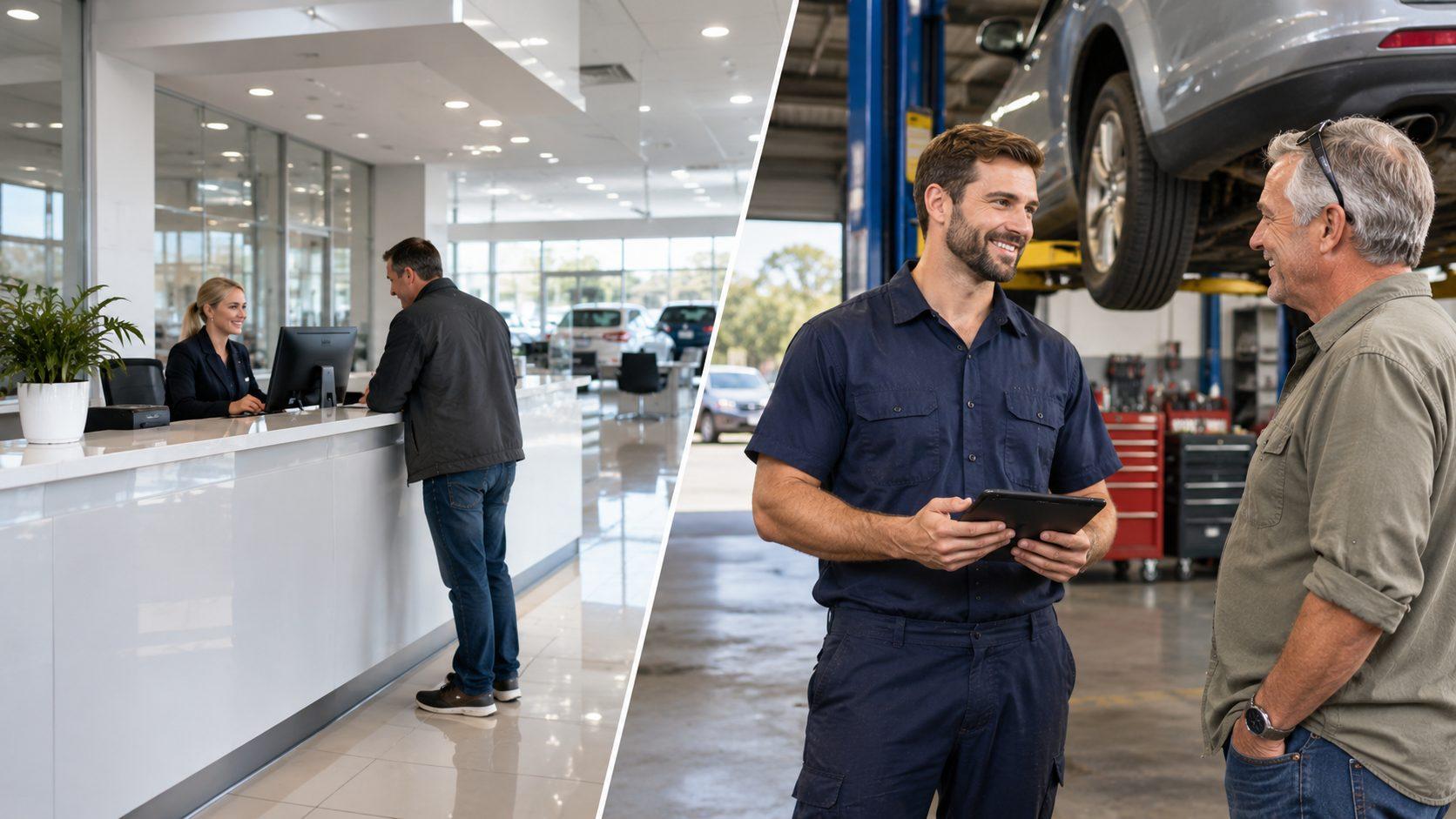
The most visible difference is usually the price. Dealerships commonly have higher overheads, larger facilities and brand-specific operating systems. Their labour rates, parts pricing and service packages may reflect that. An independent mechanic often has more flexibility to source quality parts, assess what the vehicle actually needs and provide a more competitive quote.
That does not mean an independent workshop is automatically cheaper in every situation. A complex fault may require detailed testing, specialist software or additional parts, regardless of who carries out the repair. Fair pricing means being told what is needed, why it is needed and what it will cost before the work proceeds. If a quote is vague, ask for the labour, parts and diagnostic charges to be explained.
The service experience is another major difference. At a dealership, you may deal with a service adviser rather than the technician working on your vehicle. That structure can suit some owners, especially where a manufacturer campaign or specific warranty process is involved. It can also make straightforward questions feel unnecessarily complicated.
At an independent workshop, it is often easier to speak directly with the people assessing the car. A local mechanic has a strong reason to earn repeat business, not just complete a single booking. That can mean practical advice about whether a repair is urgent, what can wait and how to prevent the same problem returning.
Does Servicing Outside a Dealership Affect Your Warranty?
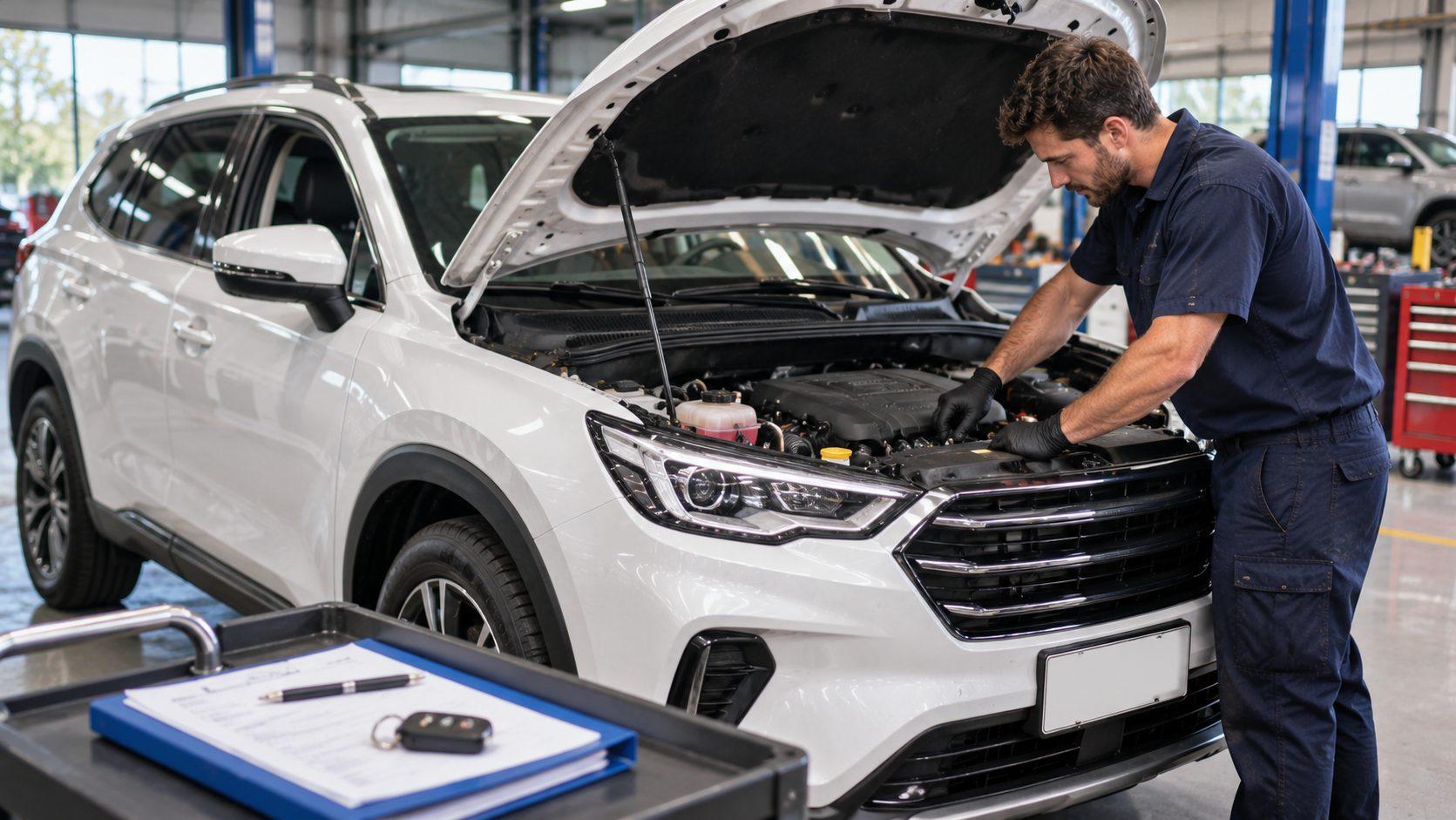
This is one of the most common concerns, and it deserves a clear answer. In Australia, having your vehicle serviced by a qualified independent mechanic does not generally void your new-car warranty simply because it was not serviced at a dealership. The service must be completed correctly, in line with the manufacturer's schedule and specifications, using suitable parts and fluids.
Keep your invoices and service records. They should show the date, odometer reading, work performed and parts or fluids used. If a warranty claim arises later, clear records help show that the vehicle has been maintained properly.
There are situations where the dealership remains the sensible first call. Manufacturer recalls, software updates, warranty repairs and some goodwill claims are normally handled through the dealer network. An independent mechanic can still identify the issue and advise you on the next step, but the manufacturer may need to complete the work.
For routine servicing, brakes, tyres, batteries, suspension, air conditioning, oil leaks and many repairs, a capable independent workshop can provide the same essential outcome: work completed to the required standard, with a clear record of what was done.
Specialist Equipment Matters More Than the Sign Out Front
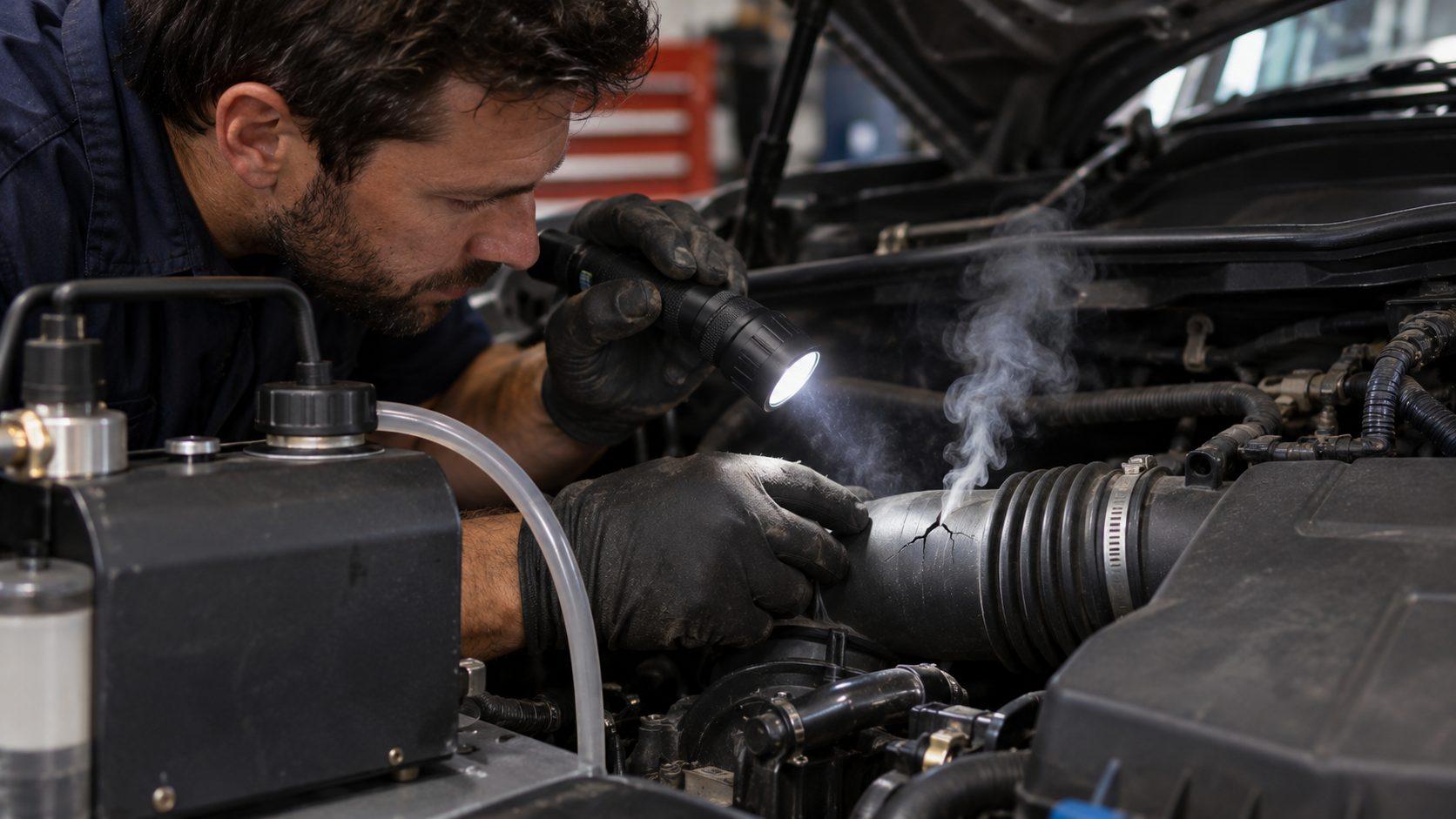
Modern vehicles are computers on wheels as much as mechanical machines. A rough idle could be an EFI fault, an ignition issue, a vacuum leak or a sensor reading outside range. A warning light can point to dozens of possible causes. Replacing parts based on a code alone is not diagnosis.
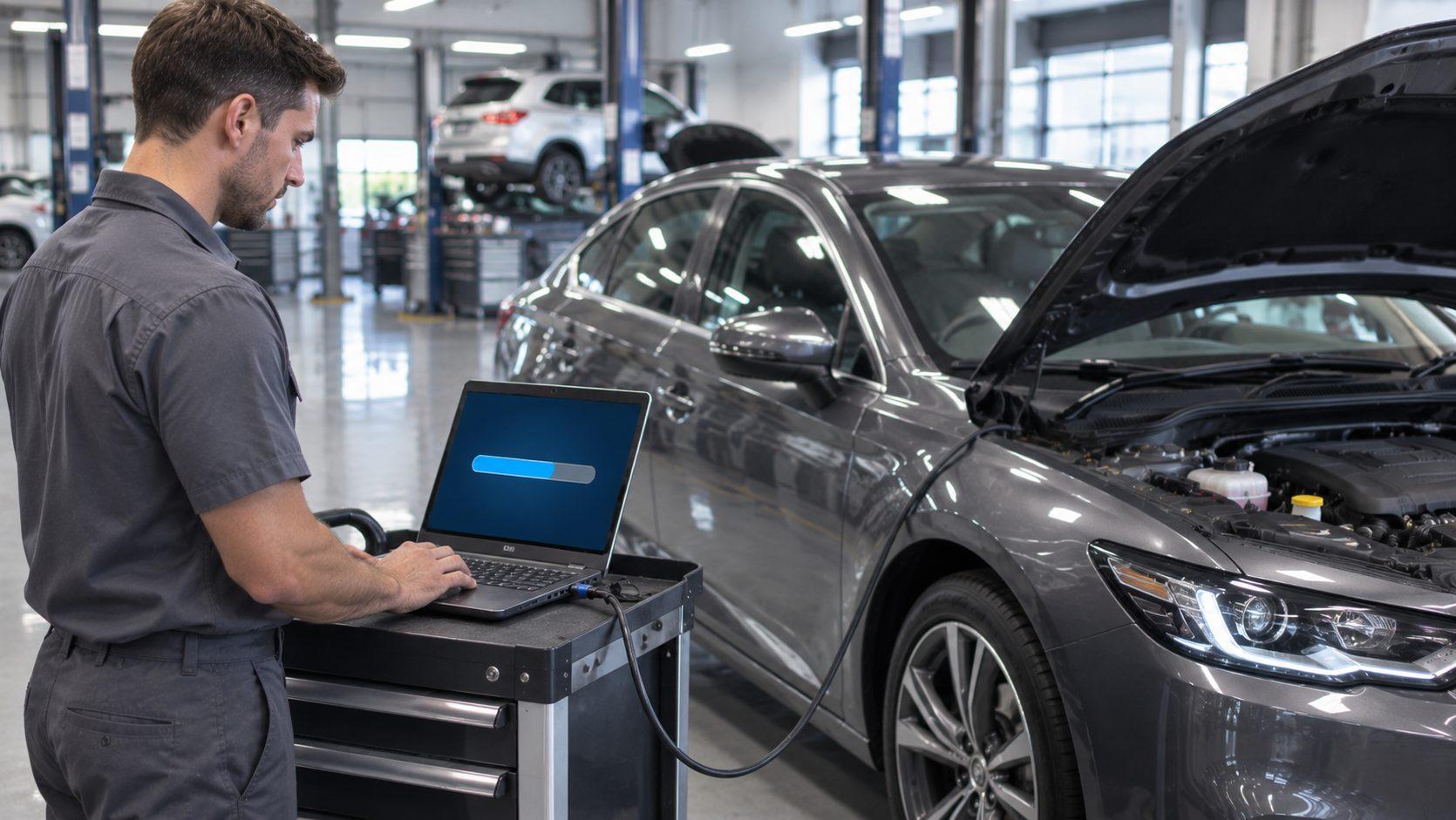
Dealerships have direct access to manufacturer systems and technical updates, which can be useful for the newest models and highly brand-specific concerns. However, a well-equipped independent workshop can also have advanced scan tools, technical data and the experience to test components properly before recommending repairs.
This is particularly relevant for European vehicles. BMW, Audi, Mercedes-Benz and Volkswagen models require accurate diagnostics, correct service procedures and an understanding of common model-specific faults. The question is not whether a workshop is a dealership or independent. Ask whether it regularly works on your make, has suitable diagnostic equipment and can explain the proposed repair in plain language.
A quality workshop should be comfortable discussing the difference between a confirmed fault and a possible cause. It should also tell you if further testing is needed before approving a major repair. That honesty can save money and frustration.
When a Dealership May Be the Better Option
There is no benefit in pretending dealerships never make sense. If your vehicle has an active manufacturer recall, needs a factory software update or has a fault that is clearly covered by its warranty, booking with the dealer can be the most direct path.
A dealership may also suit owners who prefer every service record held within the manufacturer's network, or who have a lease arrangement with particular servicing conditions. If you are selling a near-new prestige vehicle, a complete dealer history may appeal to some buyers. Whether that adds enough resale value to justify the extra cost depends on the car and the buyer.
For unusual technical concerns on a brand-new model, dealer technicians may have immediate access to manufacturer bulletins and training that is not yet widely available. Even then, you should still expect a clear explanation and approval before non-warranty work begins.
When an Independent Mechanic Is Often the Better Fit
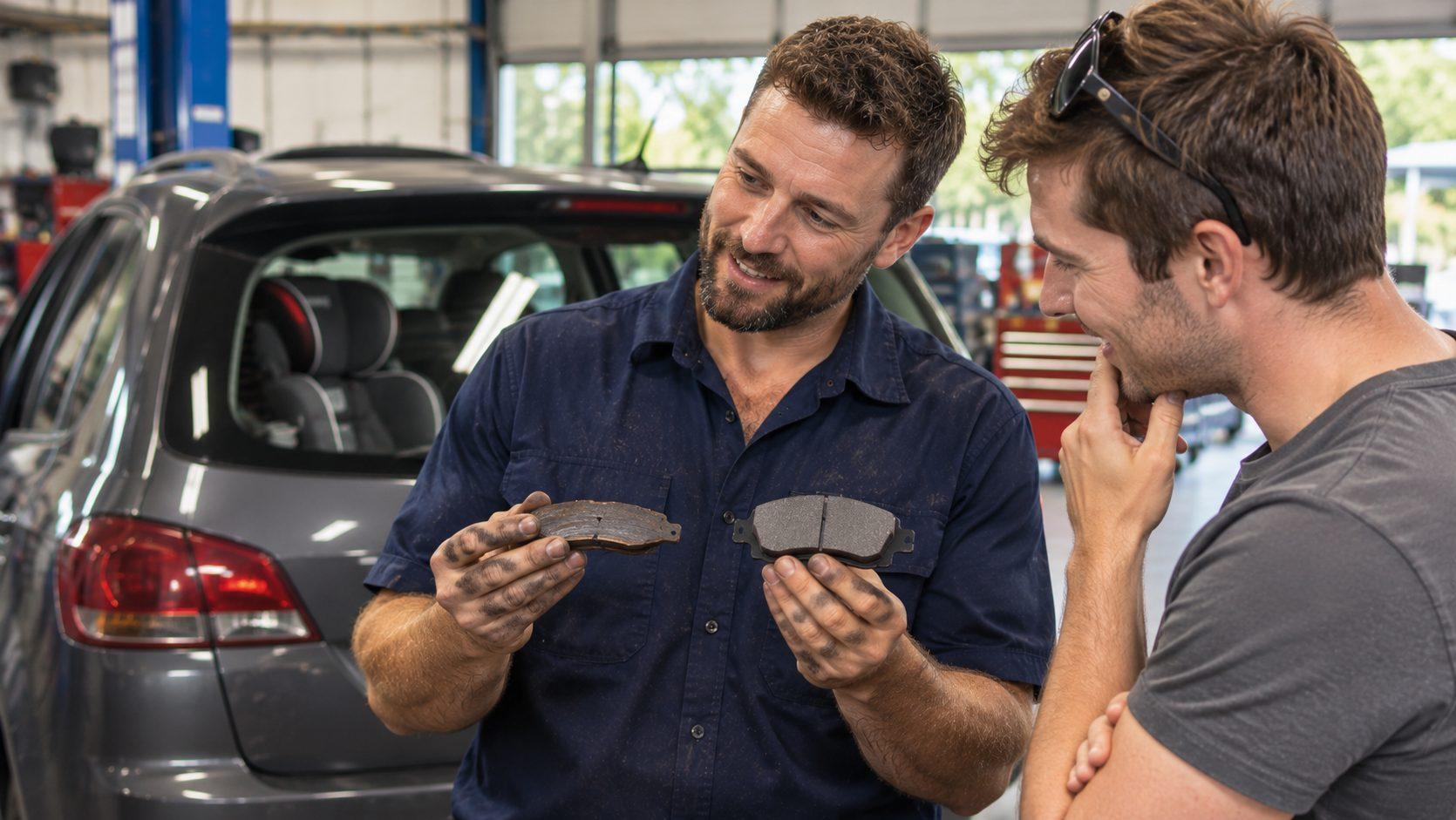
For vehicles outside warranty, an independent workshop is often a practical choice for ongoing maintenance and repairs. You can build a relationship with a team that gets to know your vehicle, your driving habits and your priorities. That matters when you are balancing a family budget, managing several cars or keeping a work vehicle reliable.
Independents can be especially useful when a car needs sensible, staged maintenance. Perhaps the front brakes need attention now, while tyres have a few months of safe life left. Perhaps a small oil leak should be monitored rather than immediately turned into an expensive job. Good advice is not about selling every possible repair. It is about helping you make an informed decision.
Local workshops are also well placed for roadworthy inspections and the repairs that sometimes follow. If you are buying, selling or re-registering a vehicle in Victoria, a licensed roadworthy certificate provider can identify safety-related issues and explain what is required for compliance. A roadworthy inspection is not a full mechanical assessment, so it is wise to request a broader pre-purchase inspection when you want a clearer picture of a used car's condition.
Questions Worth Asking Before You Book
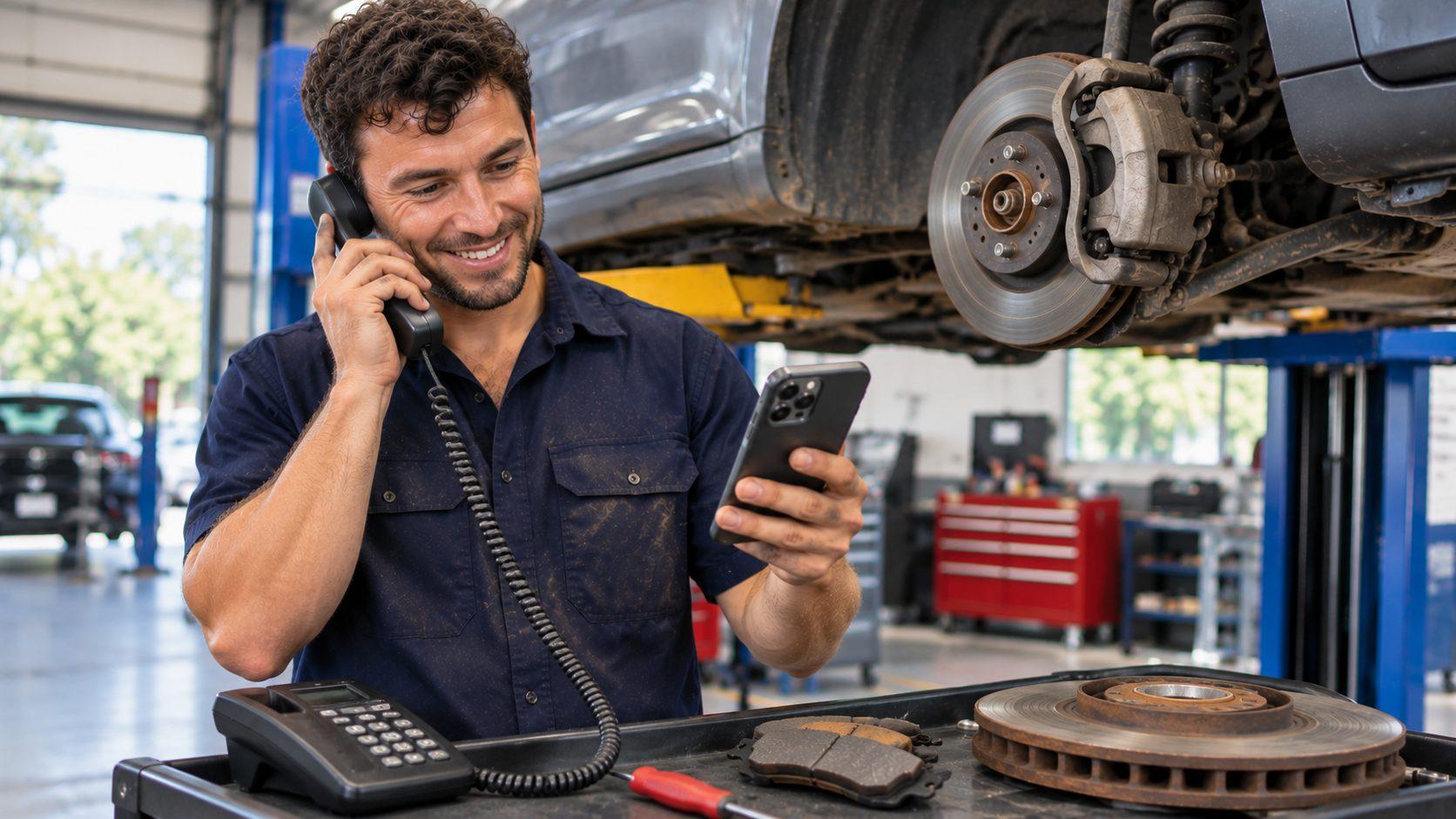
Rather than choosing purely on price, ask a few practical questions. Can the workshop service your make and model to the manufacturer schedule? Will it provide a written quote before repairs begin? Does it use quality parts and the correct fluids? Can it diagnose the fault rather than simply replace likely components? What workmanship guarantee does it provide?
Pay attention to how the answers are given. Straight answers, realistic timeframes and a willingness to explain the work are good signs. Be cautious if you are pressured to approve major repairs immediately without being shown the reason, or if no one can explain the cost beyond a single total.
Convenience has value too. A workshop that answers the phone, keeps you updated and completes agreed work on time can make car ownership far less stressful. Fast turnaround should never mean rushed diagnosis, but clear communication helps you plan around the repair.
Choose the Workshop That Treats You Properly
The independent mechanic versus dealership choice is not a test of loyalty. It is a decision about capability, transparency and value for your particular vehicle. A dealer can be the right place for factory-backed work. A skilled independent can offer personal service, quality repairs and competitive costs without the dealer-style run-around.
For routine servicing, complex diagnostics, safety repairs or a roadworthy inspection, look for qualified technicians who listen first and explain the work without jargon. Armstrong Creek Motors takes that approach: honest advice, clear quotations and workmanship intended to keep local drivers safely on the road for the long term.
Was this article helpful?