
Summarise this article with AI
On this page · 6 sections
Key takeaways
- A workmanship guarantee covers how the job was done; a parts warranty covers the part itself.
- Before you approve work, ask what the guarantee covers, how long it lasts and how to make a claim.
- Take the car back to the original workshop for inspection unless safety or distance makes that impossible.
- Under Australian Consumer Law, services must be done with due care and skill, whatever the workshop's own terms say.
It should cover the labour, state how long it lasts and how to claim, and add to your consumer right to work done with due care and skill.
A repair invoice can look reassuring until the same fault returns a week later. That is when a workshop workmanship guarantee review becomes more than fine print. It helps you understand whether the workshop will stand behind the work performed, how concerns are handled and what you need to do if something does not feel right.
For motorists, a workmanship guarantee should mean accountability, not a vague promise printed at the bottom of an invoice. The best workshops explain it plainly before work begins, provide a clear quotation, use suitable parts and keep the conversation open after you drive away.
What a workmanship guarantee should cover
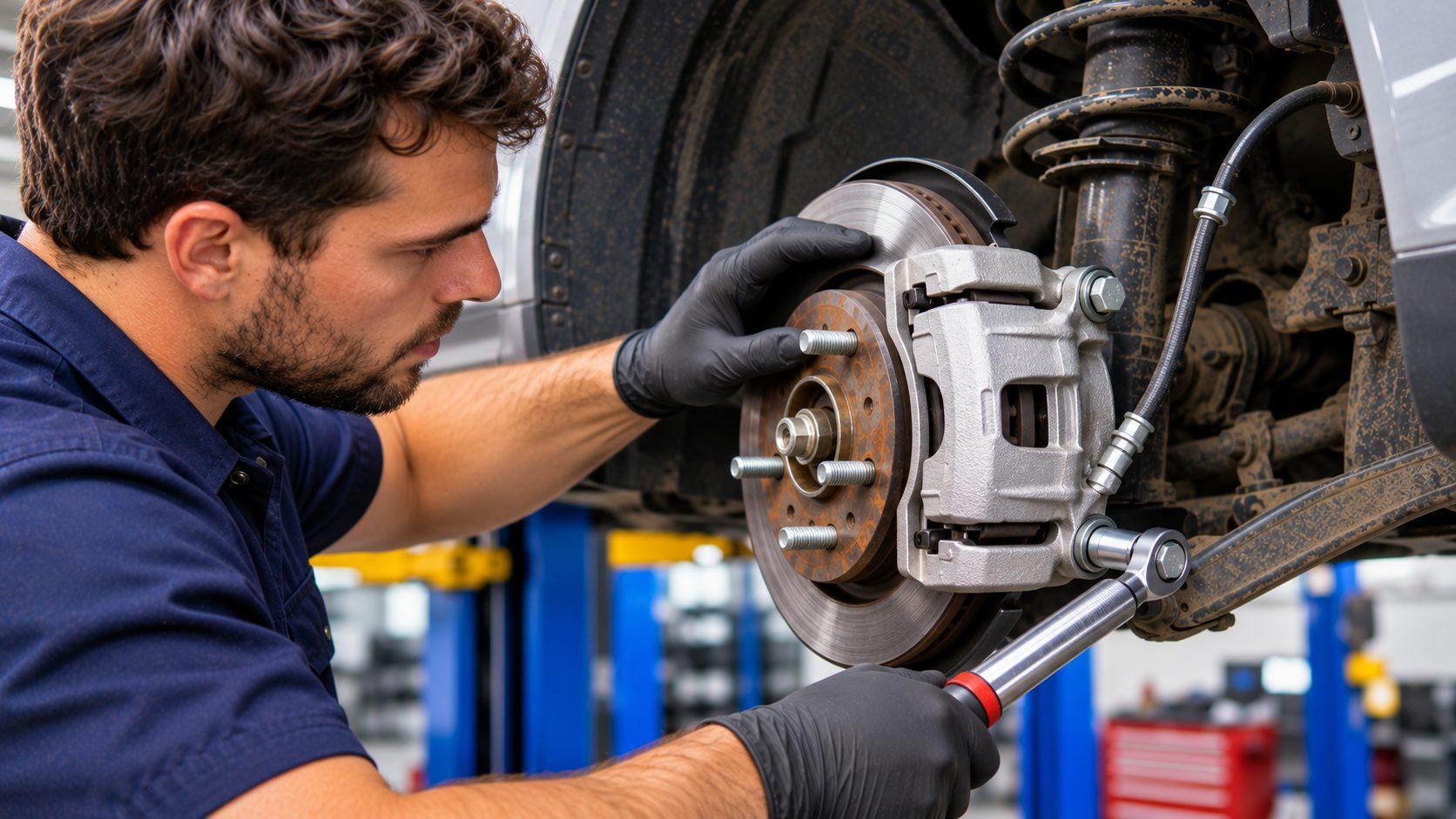
A workmanship guarantee generally applies to the quality of the labour completed by the workshop. If a repair was not carried out correctly and the same issue occurs because of that work, the workshop should inspect the vehicle and put the problem right under the stated terms.
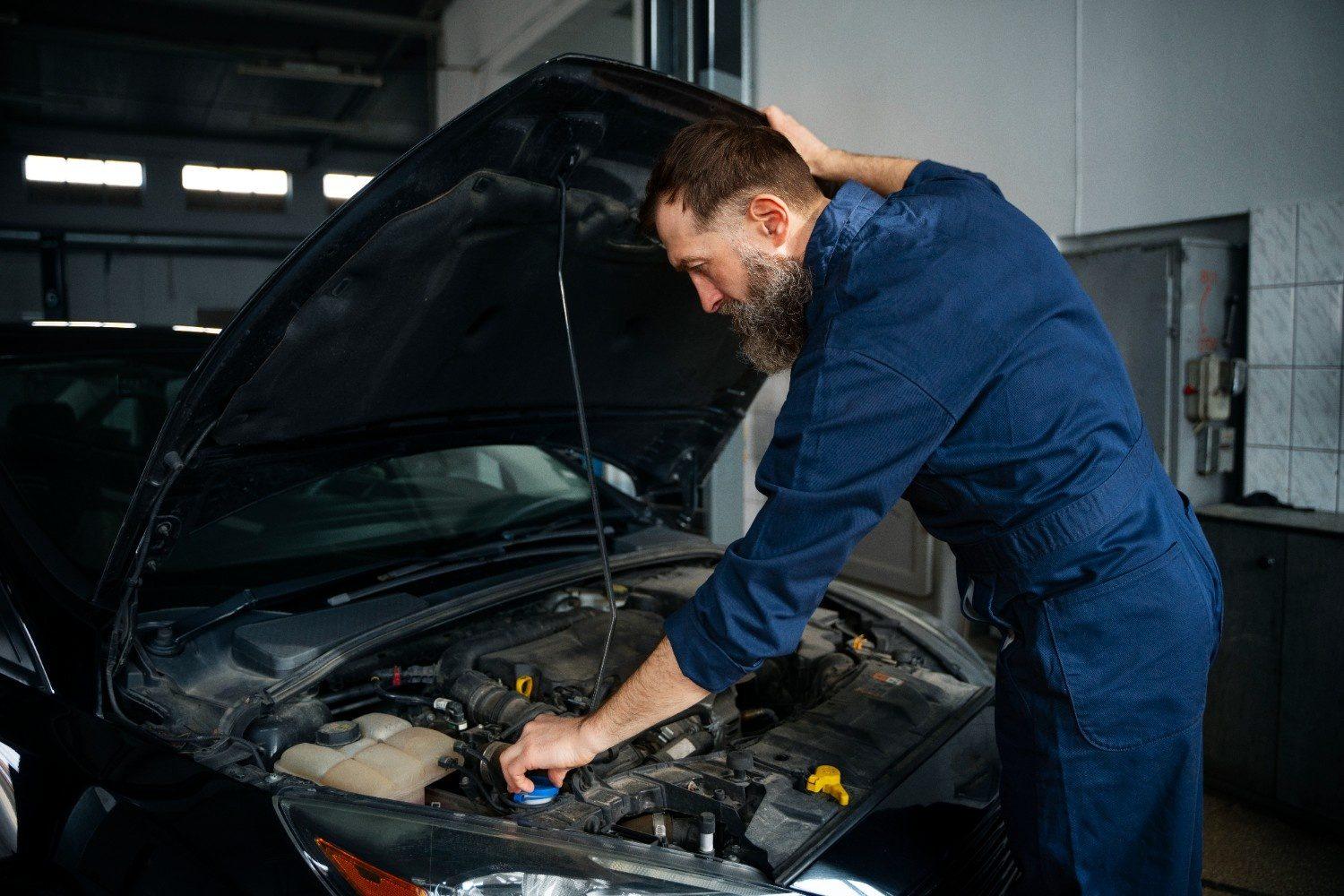
For example, if brake components have been fitted incorrectly, a hose has not been secured after cooling-system work, or an electrical connection has been left loose during a repair, those are workmanship issues. They are different from a new, unrelated fault that happens after the vehicle leaves the workshop.
The distinction matters because vehicles are complex. A warning light may return for a different reason, even when the original repair was completed correctly. A trustworthy mechanic will not dismiss your concern. They will assess the vehicle, explain what they find in plain language and show how the new issue relates, or does not relate, to the previous repair.
A good guarantee also works alongside your consumer rights. In Australia, services must be provided with due care and skill under the consumer guarantees (ACCC). A workshop cannot simply write away those consumer guarantees with its own terms. The written workmanship policy should add clarity about the process, rather than make it difficult to ask a reasonable question.
Workshop workmanship guarantee review: what to look for

Do not judge a guarantee by the longest number of months on a sign. A useful policy is specific, fair and easy to follow. Before approving repairs, ask the workshop to explain its workmanship guarantee and make sure you understand the answer.
Start with the scope. Does it cover labour on repairs, servicing work or both? Major mechanical jobs such as engine repairs, clutch replacement, suspension work and electrical fault finding can involve several systems. Knowing exactly what work has been guaranteed prevents assumptions later.
Then ask about the claim process. If there is a concern, should you call first? Does the vehicle need to return to the original workshop for inspection? This is common and reasonable, because the technician needs an opportunity to diagnose the concern before another workshop carries out further work. If the vehicle becomes unsafe or breaks down away from home, seek urgent assistance first and keep any receipts, photographs and reports.
Time limits should be clearly stated. A workshop may offer its own labour guarantee for a defined period, while parts are covered by a separate manufacturer or supplier warranty. These periods can differ. A battery, tyre, alternator or sensor may each have different conditions, so ask for the paperwork relevant to the actual part fitted.
Finally, look for clarity around exclusions. No genuine workshop can guarantee a component that was not repaired, normal wear and tear, accidental damage, misuse or a fault caused by another failed system. The point is not to find a guarantee with no exclusions. It is to choose a workshop that explains exclusions honestly before the job, not after a problem arises.
Parts warranty and workmanship are not the same thing
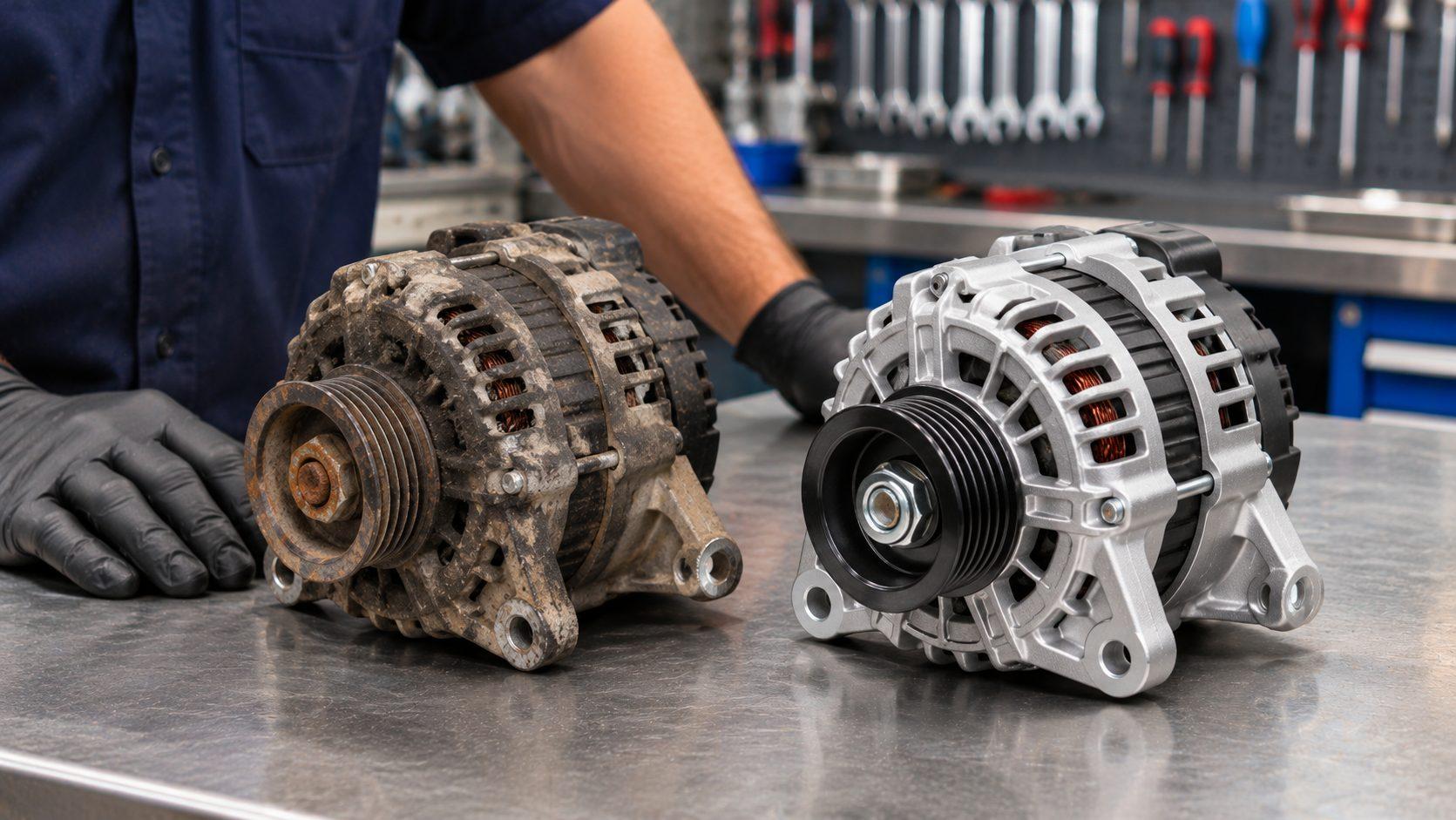
This is where many vehicle owners get caught out. A workmanship guarantee relates to how the job was performed. A parts warranty relates to the component itself. If a newly fitted part has an internal manufacturing defect, the workshop may need to test it, confirm the cause and follow the supplier's warranty process.
If the part has failed because it was fitted incorrectly, that is likely a workmanship matter. If the part is sound but another ageing component has failed, the original repair may not be responsible. It depends on the diagnosis, the work authorised and the condition of the vehicle before repairs began.
This is also why a cheap quote is not always the lowest-cost option. Quality parts, correct diagnostic procedures and proper installation take care and time. They reduce the chance of repeat repairs, especially on European vehicles where component specifications, scan-tool data and coding requirements can be critical.
Questions worth asking before you approve repairs
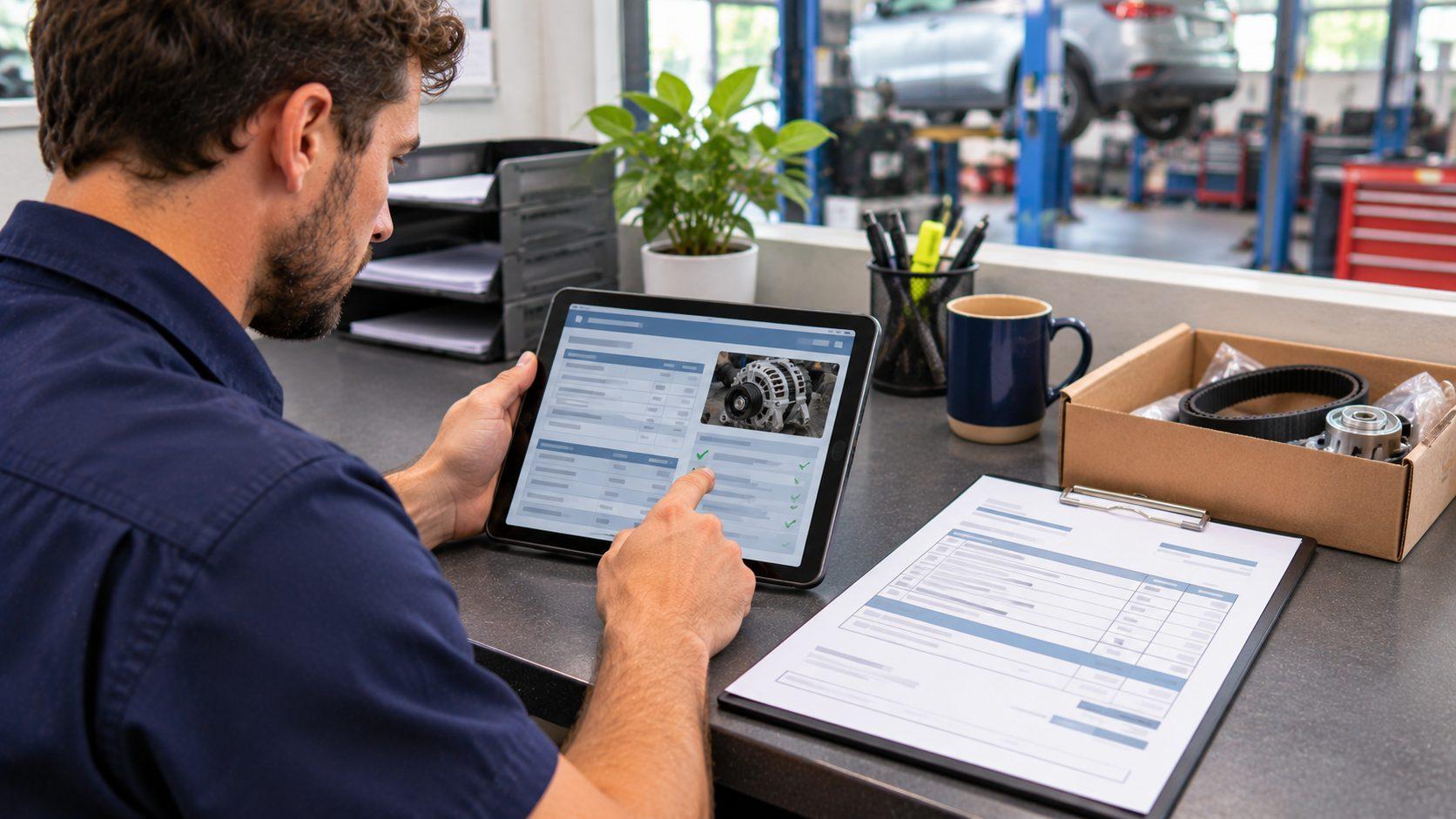
You do not need to know how an EFI system or automatic transmission works to ask sensible questions. A professional workshop should welcome them.
Ask what fault has been identified and how it was confirmed. Ask whether the quoted repair addresses the cause or only the symptom. If further issues are possible, ask what the likely next step and cost range could be. For larger repairs, such as a clutch, timing-related engine work or transmission fault, this conversation is particularly valuable.
It is also reasonable to ask whether genuine, aftermarket or reconditioned parts are being used, and why that option suits your vehicle and budget. There is no one correct answer for every car. A late-model BMW may benefit from an original-equipment quality part and specialist diagnostics, while an older family car may have a reliable aftermarket option that makes financial sense.
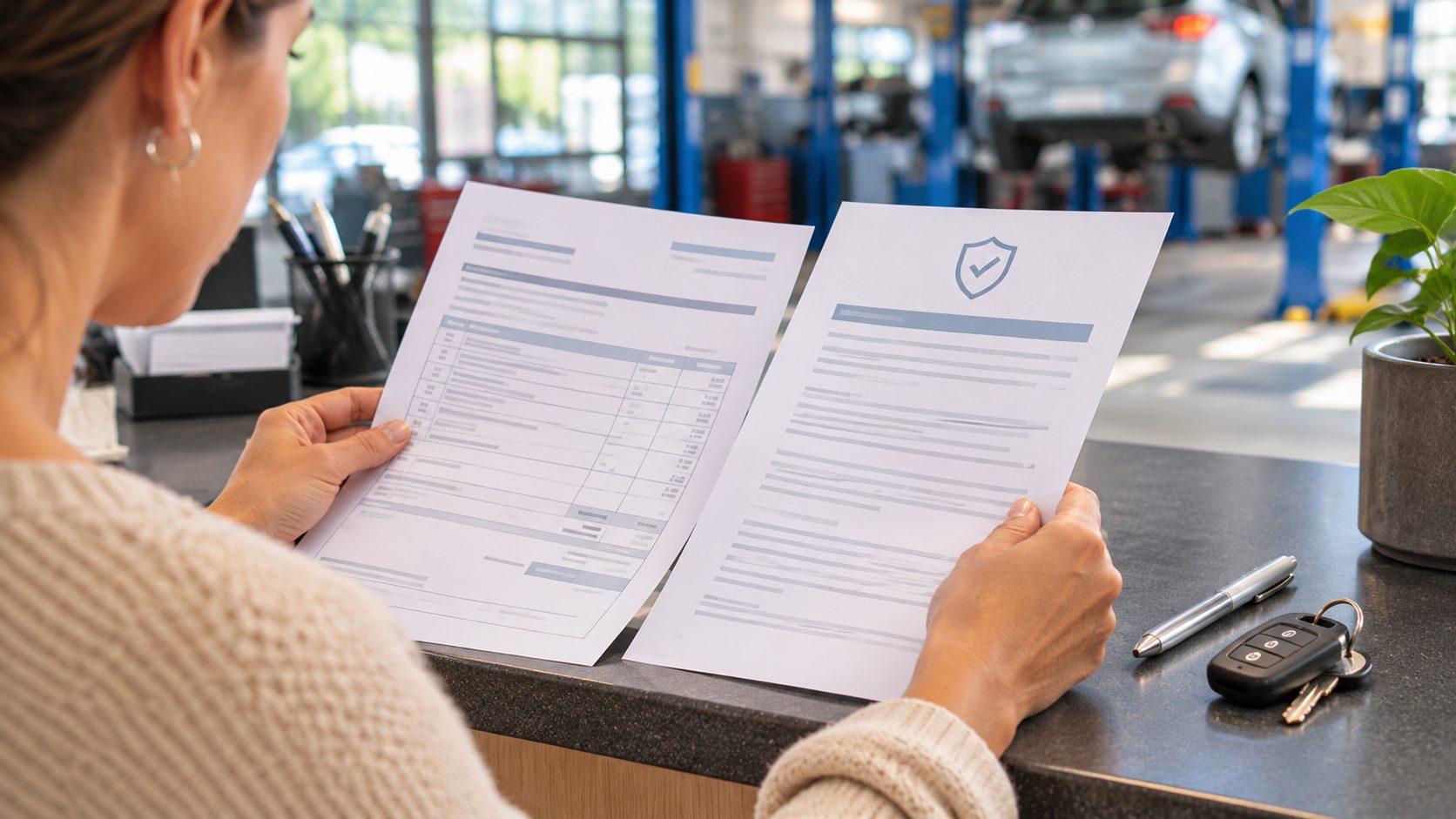
Make sure the quotation identifies the work to be completed, parts supplied and any diagnostic charges. If extra work becomes necessary, the workshop should contact you for approval where practical. Clear authority protects both sides and stops a routine service becoming a surprise bill.
Signs the guarantee is backed by good workshop habits

The guarantee matters, but the workshop's everyday process matters just as much. A workshop that documents findings, provides upfront advice and uses qualified technicians is more likely to resolve concerns fairly than one that makes broad promises without detail.
Look for practical signs of accountability: a written quote, an itemised invoice, a record of parts fitted and a clear explanation of what was done. If a safety issue is found during a service or roadworthy inspection, you should be told what needs attention, why it matters and whether the vehicle is safe to drive.
Good communication is especially helpful when a diagnosis develops over time. Intermittent electrical faults, oil leaks and air-conditioning issues can require testing before the cause is certain. An honest mechanic will explain the diagnostic path and avoid presenting a guess as a guaranteed fix.
At Armstrong Creek Motors, the focus is on clear quotations, qualified work and personal advice, so local drivers can make decisions without dealer-style confusion or pressure. That approach is not about promising that an older vehicle will never develop another issue. It is about taking responsibility for the work completed and treating every concern seriously.
If you need to raise a concern after a repair

Contact the workshop as soon as you notice the issue. Describe the symptoms, when they happen and whether any warning lights, noises, smells or changes in braking, steering or engine performance are involved. If the vehicle feels unsafe, do not keep driving it simply to see whether the problem gets worse.
Have your invoice available and avoid authorising another repairer to alter the original work unless safety or distance makes that unavoidable. The original workshop needs a fair chance to inspect the vehicle and determine the cause. Staying calm and specific usually gets the fastest result: explain what has changed, provide the dates and ask for an inspection.
Keep in mind that a return visit is not automatically proof of poor workmanship. It may reveal an unrelated fault, a failed part or an underlying issue that was not apparent during the initial repair. What counts is whether the workshop investigates properly, communicates clearly and acts fairly when its work is responsible.
A workmanship guarantee is most valuable when you never need to use it. Choose a workshop that is prepared to explain its terms before the keys change hands, keeps good records and gives you straight answers when your vehicle needs attention. That is the kind of confidence worth booking for.
Was this article helpful?