


Summarise this article with AI
On this page · 6 sections
Key takeaways
- A roadworthy certificate confirms a vehicle meets Victoria's minimum safety requirements at the time of inspection. It is not a full condition report.
- A pre-purchase inspection looks for current faults, poor maintenance and repairs that may be due soon, so you know what you are buying.
- A car can pass a roadworthy with minor oil seepage, an early wheel bearing noise or a rough shift, if those items do not make it unsafe or non-compliant at that point.
- Sellers generally need an RWC; buyers should arrange a pre-purchase inspection before handing over a deposit, even if the car already has one.
- Use the findings to ask for repairs, negotiate the price or walk away, rather than discovering the problem after the sale.
A clean roadworthy certificate can make a used car look like a safe bet. But in a roadworthy versus pre-purchase inspection decision, the two checks answer very different questions. One confirms a vehicle meets Victoria’s minimum safety requirements at the time of inspection. The other helps you understand what you are actually buying, including faults that may cost you money shortly after you drive away.
For buyers, sellers and families managing more than one vehicle, knowing the difference can prevent a frustrating surprise. A roadworthy is essential in many transactions, but it is not a substitute for a thorough mechanical assessment.
What a Victorian roadworthy certificate is for
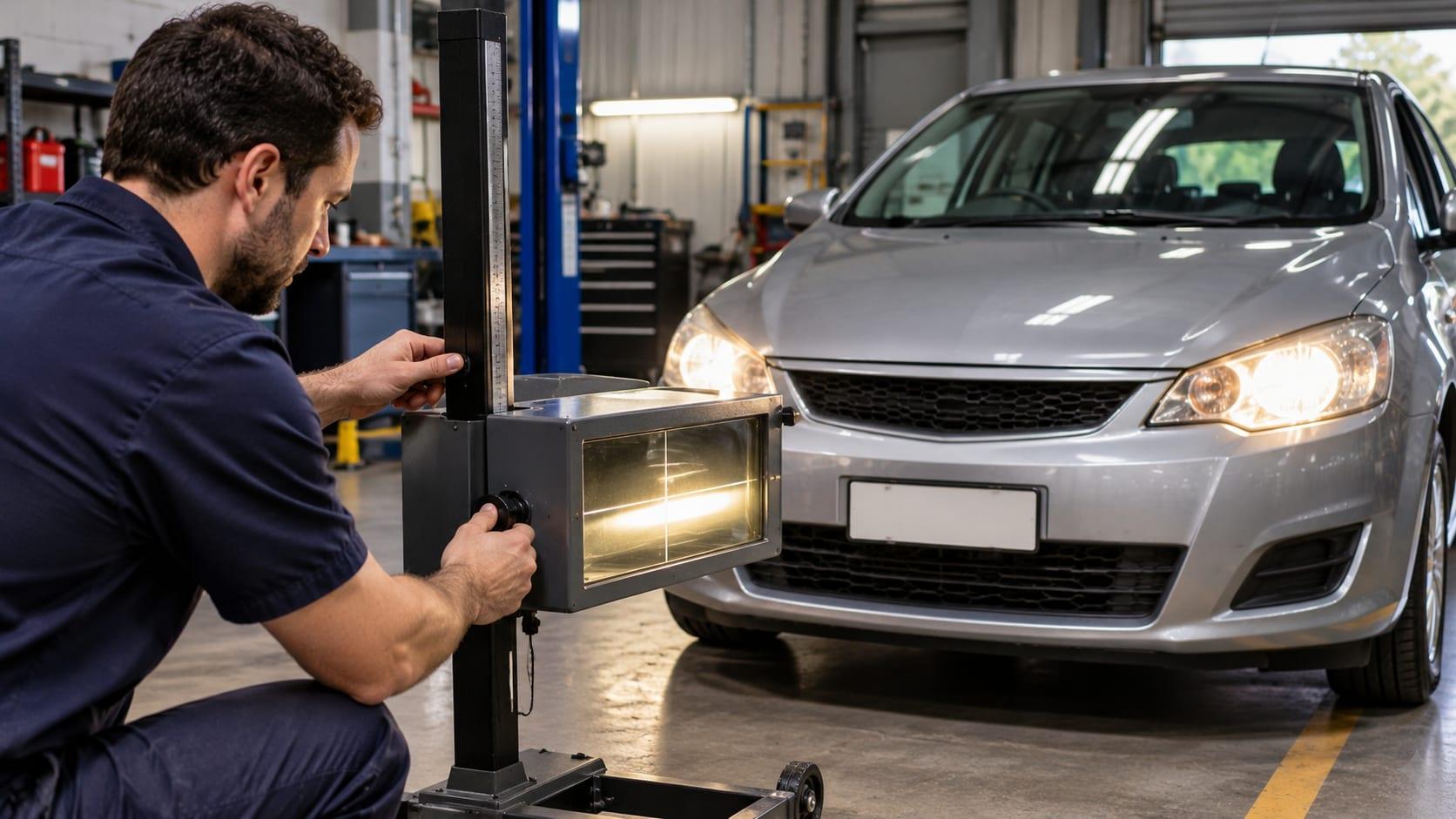
A roadworthy certificate, often called an RWC, is a legal safety check. In Victoria, it is generally required when a registered vehicle is sold, when a vehicle is re-registered, or when a vehicle is being registered for the first time. There are limited exceptions, so it is sensible to confirm the current requirements for your situation before advertising or transferring a vehicle.
The inspection focuses on whether the vehicle is safe enough to be used on the road. A licensed tester examines key safety-related areas such as tyres and wheels, brakes, steering, suspension, lights, windscreen condition, wipers, seatbelts, body condition, exhaust, fuel system and visible structural issues. Vehicle identification details are also checked.
This matters because a roadworthy certificate is not a promise that every part is new, perfect or free from wear. It is also not a guarantee that the car will be reliable for the next 12 months. A vehicle can meet the roadworthy standard while still needing routine maintenance or having developing mechanical faults that do not affect its immediate compliance.
For example, brake pads may still be above the minimum safe limit but be due for replacement soon. An air-conditioning system may be weak, a battery may be ageing, or a clutch may be starting to feel heavy. These issues can be expensive or inconvenient, yet may sit outside the purpose of a statutory roadworthy inspection.
What a pre-purchase inspection is designed to reveal
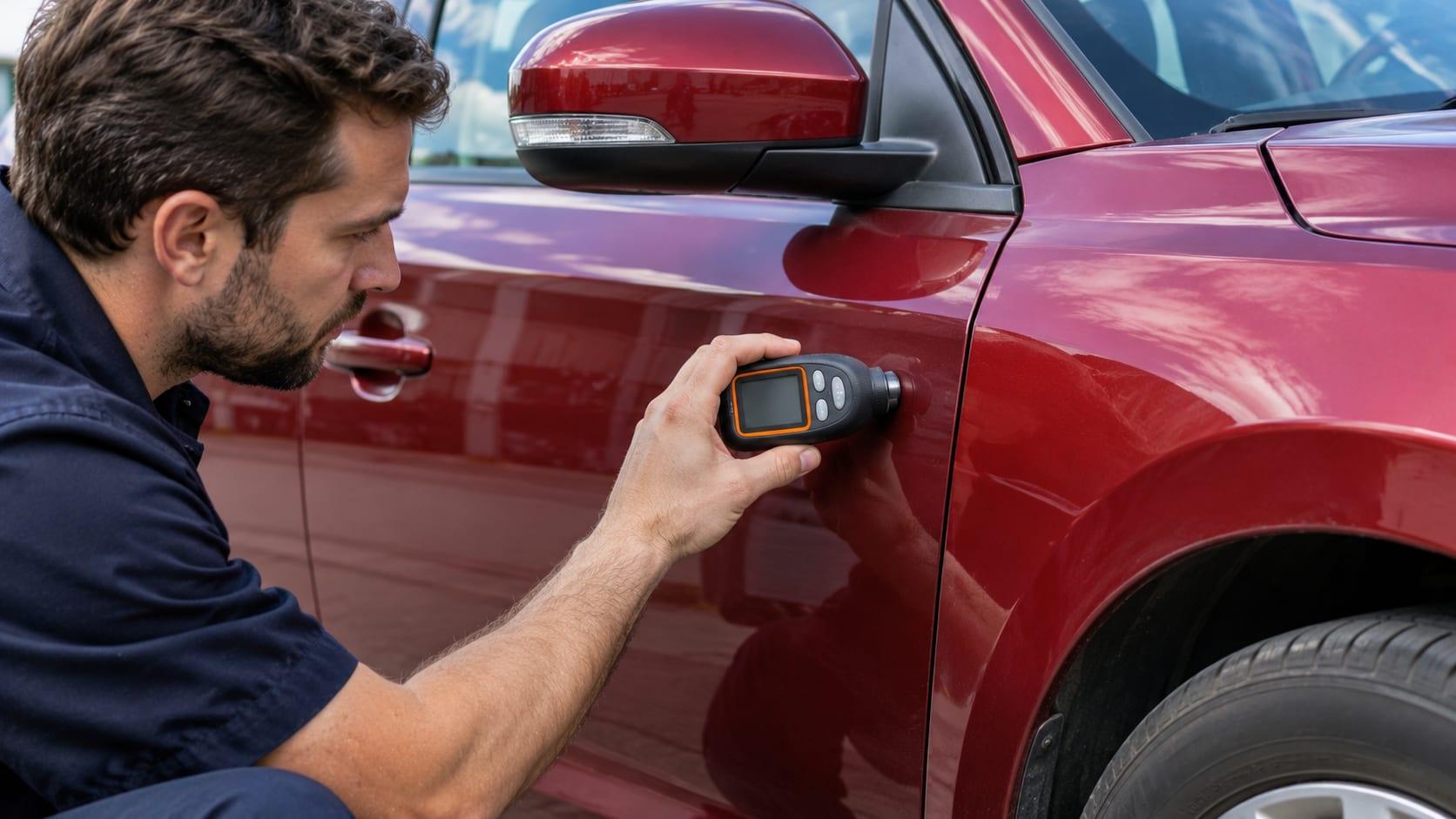
A pre-purchase inspection is for the person considering buying the vehicle. Its purpose is broader: to identify current faults, signs of poor maintenance, likely upcoming repairs and anything that should affect the purchase price or your decision to proceed.
A quality pre-purchase inspection looks beyond the minimum road safety threshold. Depending on the vehicle and what can reasonably be assessed at the workshop, it may include a road test, checks for oil or coolant leaks, brake and suspension wear, engine operation, transmission behaviour, clutch condition, tyre age and wear patterns, battery health, cooling-system concerns and visible accident repairs. Diagnostic scanning can also reveal stored fault codes or warning-light issues in the engine, transmission, ABS, airbag and other electronic systems.
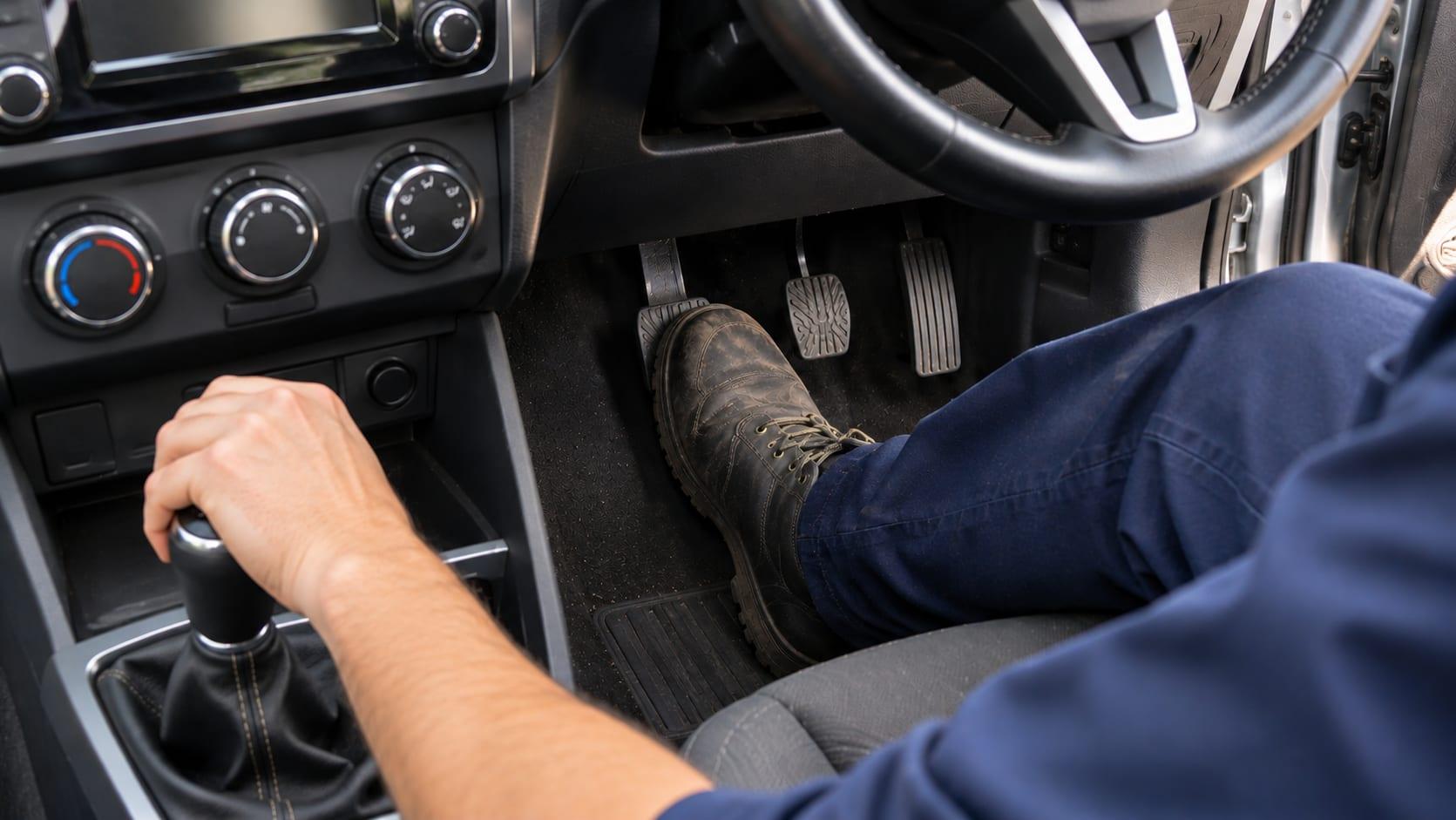
That broader scope is especially useful with modern vehicles. A dashboard without warning lights does not always tell the full story. Some faults are intermittent, recently cleared or only apparent during a scan and road test. On European vehicles such as BMW, Audi, Mercedes-Benz and Volkswagen, specialist diagnostic capability can be particularly valuable because electronic modules and service histories play a significant part in understanding the car’s condition.
A pre-purchase inspection does have limits. No workshop can see inside an engine, gearbox or differential without dismantling it, and faults can arise after any inspection. The goal is not to predict every future repair. It is to give you clear, professional information before you commit to a price.
Roadworthy versus pre-purchase inspection: the practical difference
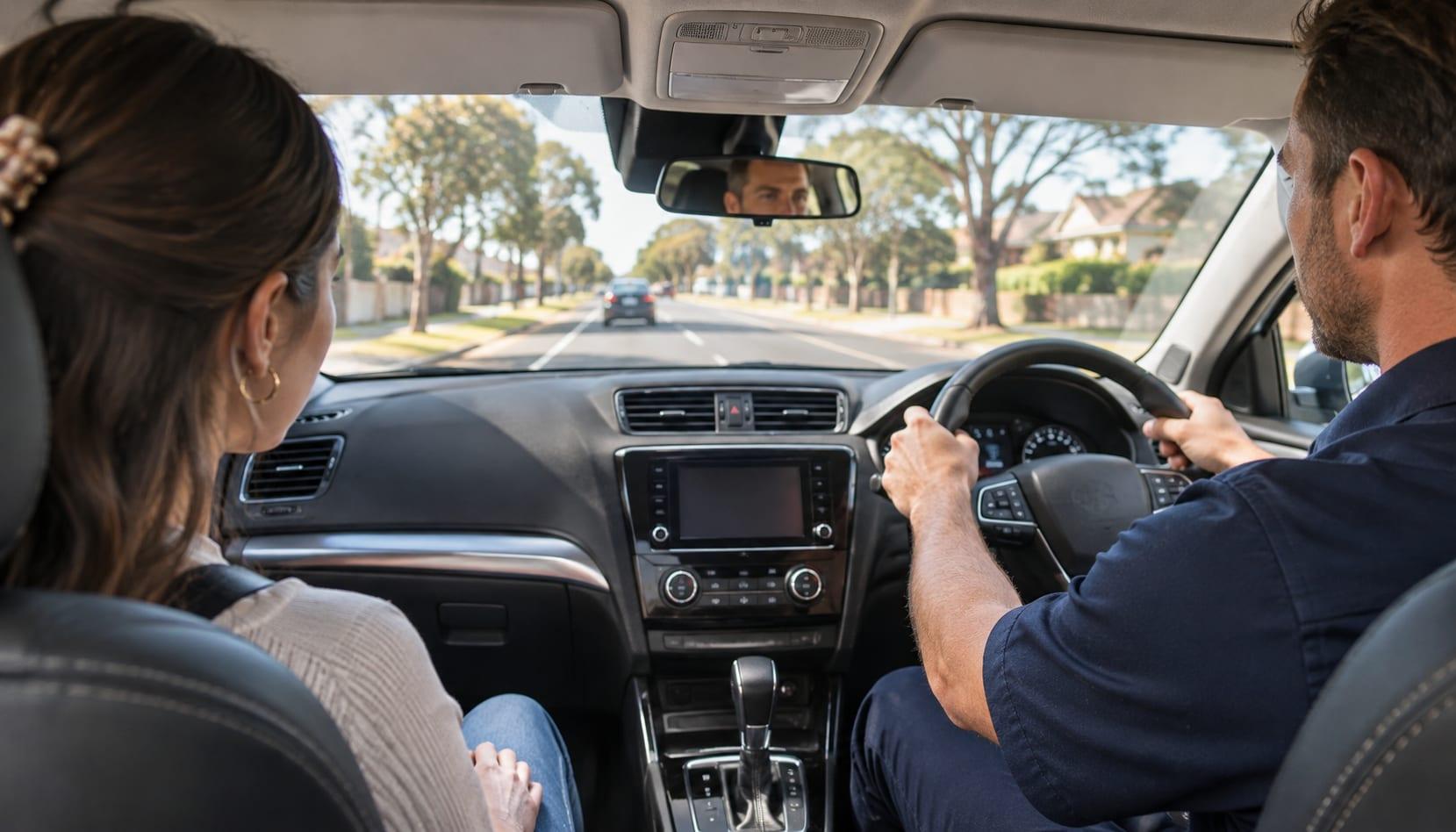
The simplest distinction is this: a roadworthy certificate asks, “Is this vehicle currently safe and compliant enough for the road?” A pre-purchase inspection asks, “What condition is this vehicle in, what may it need soon, and is the asking price fair?”
That difference changes how you should use each service. If you are selling your car, an RWC is often a necessary part of the process. It can also help you identify safety repairs before putting the vehicle on the market. If you are buying, do not assume the seller’s current RWC gives you the same protection as an independent pre-purchase inspection.
Think of a used vehicle with legal tyres, working lights and effective brakes, but an oil leak beginning around the engine, a noisy wheel bearing and a transmission that shifts roughly once warm. It may pass a roadworthy inspection if those items do not make it unsafe or non-compliant at that point. A detailed pre-purchase assessment, however, may identify them and help you avoid a repair bill that changes the value of the deal.
The reverse can also be true. A car may be mechanically well maintained but fail a roadworthy check because of a cracked windscreen, worn tyre, damaged lamp or seatbelt issue. The failure does not automatically mean it is a bad car. It means the identified safety items need repair before a certificate can be issued.
When you need one, the other, or both
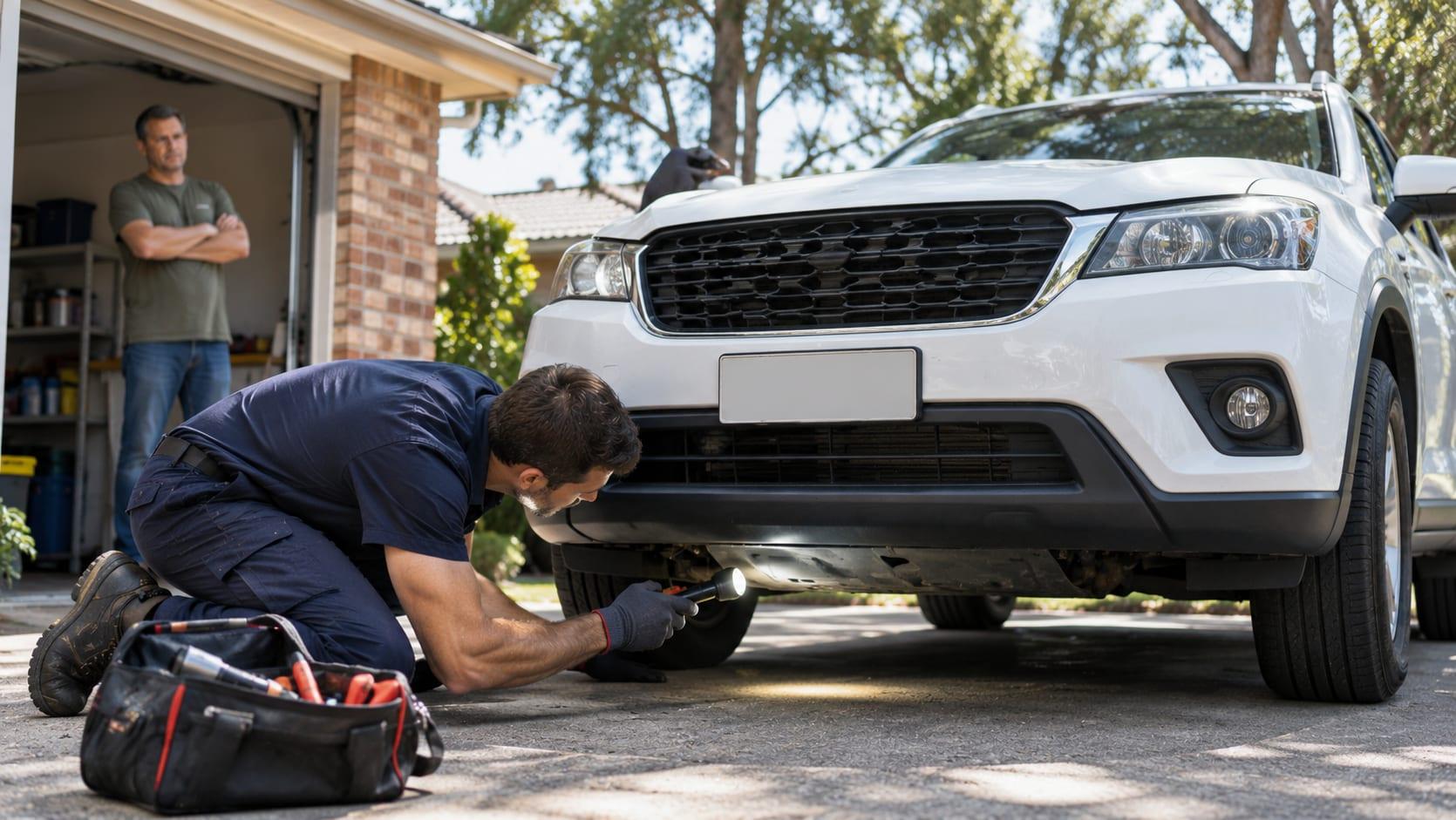
If you are buying privately, arrange a pre-purchase inspection before handing over a deposit wherever possible. Ask the seller whether they are comfortable bringing the vehicle to a workshop or allowing a mobile inspection. A reasonable seller should understand why you want an independent assessment, particularly on a higher-value vehicle.
If the seller already has a current roadworthy certificate, still consider a pre-purchase inspection. The RWC may satisfy the registration transfer requirement, but it should not be treated as a full condition report. The modest cost of an inspection can be worthwhile if it identifies tyres, brakes, cooling-system work, suspension repairs or major servicing that will be due soon.
If you are selling, a roadworthy inspection should be your first priority where it is required. If issues are found, have them repaired properly and retain the paperwork. Clear records and honest answers make the sale easier, and they support the trust that local buyers expect.
For a newer vehicle still covered by manufacturer warranty, a pre-purchase inspection can be more targeted. You may be focused on accident repairs, tyre condition, service history, warning codes and evidence of neglect rather than general age-related wear. For an older vehicle, the inspection should place more weight on leaks, rust, cooling, suspension, brakes, drivetrain noise and the likely cost of bringing maintenance up to date.
Questions worth asking before you buy
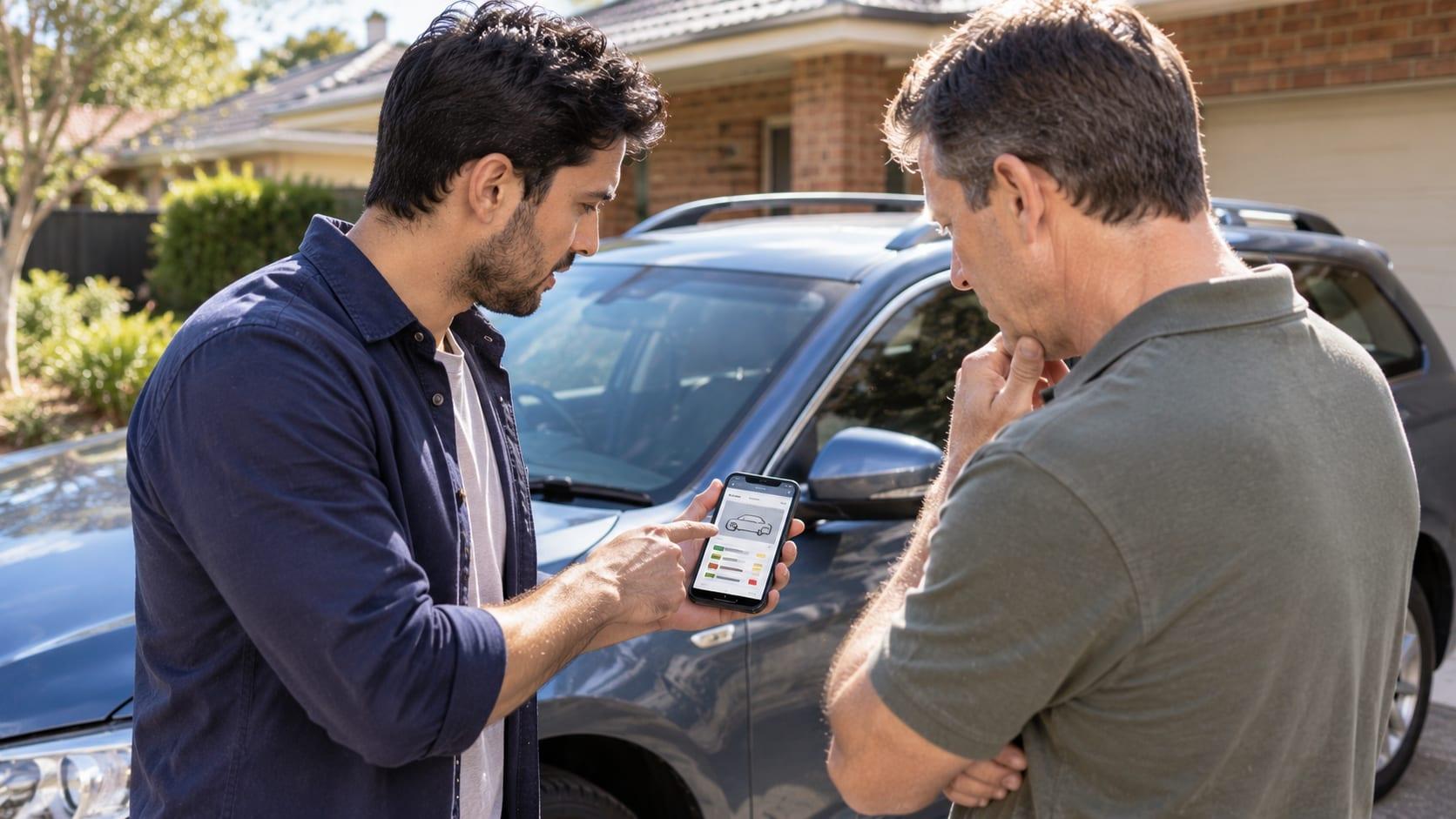
The inspection report is most useful when you discuss it in plain language. Ask whether any fault is urgent, whether it is a safety concern, and what should be budgeted for in the next six to 12 months. There is a real difference between a minor seepage that can be monitored and an active oil leak requiring prompt repairs.
You should also ask whether the vehicle’s condition matches its kilometres, age and advertised service history. A well-maintained 180,000 km family wagon can be a better purchase than a neglected 90,000 km car. Service records, tyre wear, brake condition and diagnostic results often tell a more useful story than the odometer alone.
Where repairs are identified, do not automatically walk away. Use the findings to make an informed choice. You might ask the seller to repair a clear safety issue, negotiate the price to allow for upcoming work, or decide the total cost no longer suits your budget. The right outcome depends on the vehicle, the evidence and how much risk you are comfortable accepting.
Choose independent advice before money changes hands
A seller needs a roadworthy certificate to meet a legal requirement. A buyer needs a pre-purchase inspection to make a confident decision. They can work together, but neither replaces the other.
At Armstrong Creek Motors, the focus is on clear findings, fair advice and qualified inspection work, without technical ambiguity or pressure. Before you transfer funds or sign paperwork, make time for the check that answers the question you actually need answered. It is far easier to negotiate with facts in hand than to discover a problem after the car is parked in your driveway.
Was this article helpful?