


Summarise this article with AI
On this page · 2 sections
Key takeaways
- Start with the tyre placard. It lists the size, load rating and speed rating approved for your vehicle.
- The load index matters for SUVs, utes and vehicles that carry passengers, tools or towing equipment, and the speed rating should meet or exceed the manufacturer's requirement.
- The cheapest tyre is not always the most economical. Choose the one that matches how and where you drive.
- Replace tyres in pairs across the same axle where possible, and match tyres closely on all-wheel-drive vehicles.
- Victoria's legal minimum tread depth is 1.5 mm, but uneven wear, bulges, cuts and repeated pressure loss are also reasons to have tyres inspected.
A tyre can look fine in the driveway and still be the reason a car feels unsettled in the wet, pulls under braking or uses more fuel than it should. If you are comparing cook tyres, the right choice comes down to more than price or tread pattern. Your vehicle’s approved tyre size, how you drive and the roads you use all matter.
Tyres are one of the few parts of your vehicle that contact the road. A suitable set helps braking, cornering, ride comfort and fuel economy, while the wrong specification can compromise handling and may create issues at inspection time.
Choosing Cook Tyres for Your Vehicle
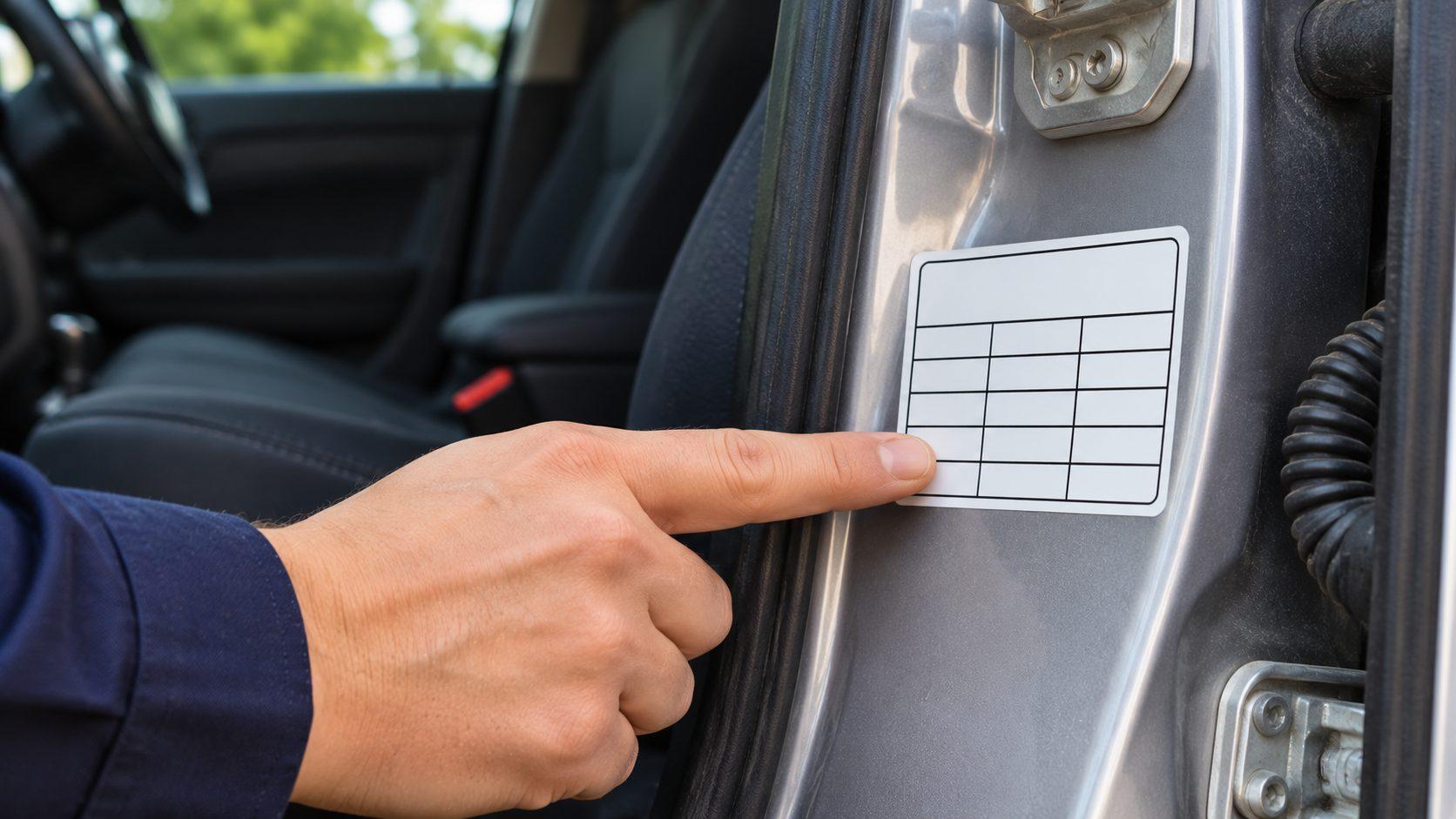
Start with the tyre placard, usually found inside the driver’s door opening, fuel flap or owner’s handbook. It lists the tyre size, load rating and speed rating approved for your vehicle. A size such as 225/45R17 is not just a description of width and wheel diameter. It is part of the vehicle’s overall handling and safety design.
The load index is especially important for family SUVs, utes and vehicles that regularly carry passengers, tools or towing equipment. Fitting a tyre with an insufficient load rating can affect safety and wear. The speed rating should also meet or exceed the manufacturer’s requirement, even if your normal driving is around town.
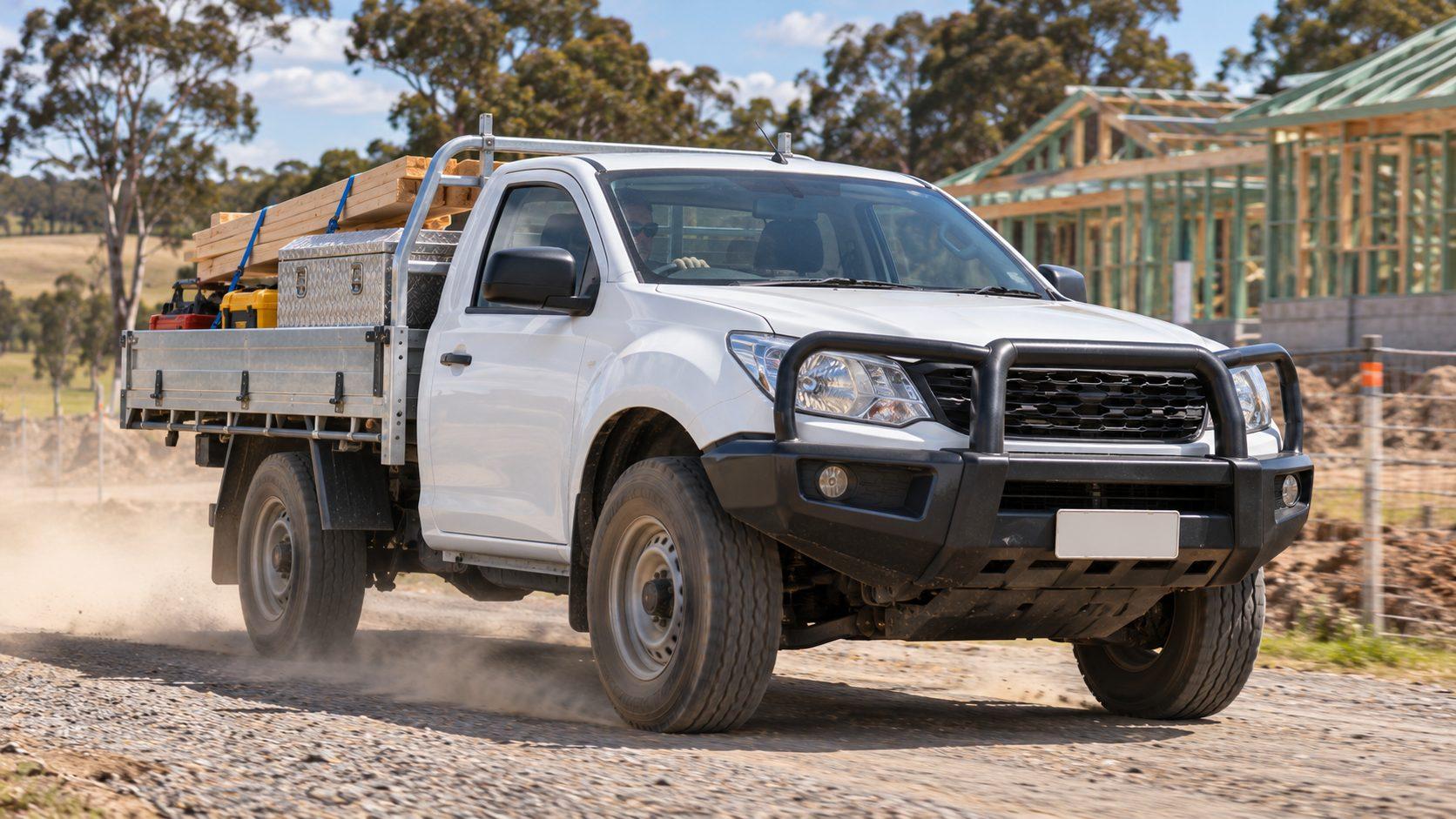
When looking at cook tyres, think honestly about where and how the vehicle is used. A commuter travelling between Armstrong Creek, Geelong and the freeway may value low road noise, wet-weather grip and longer tread life. A ute used for work may need a more durable construction and stronger sidewalls. For a performance or European vehicle, precise handling and a tyre that suits the suspension setup can make a noticeable difference.

The cheapest tyre is not always the most economical option. A lower-priced tyre that wears quickly, becomes noisy or performs poorly in the rain may cost more over its working life. On the other hand, an expensive tyre designed for track-style performance may not be necessary for a car that mainly does school runs and shopping trips. The best option is the one that matches your driving needs without paying for features you will not use.
Do not replace tyres one at a time without advice
Where possible, tyres should be replaced in pairs across the same axle, with matching size and specification. Different tread patterns or substantially different wear levels can change the way a vehicle responds, particularly during heavy braking or on wet roads.
For all-wheel-drive vehicles, matching tyres becomes even more critical. Differences in rolling circumference between tyres can place unnecessary strain on drivetrain components. If one tyre has been damaged, it is worth asking a qualified technician whether a single replacement is suitable or whether a pair, or full set, is the safer choice.
When Cook Tyres Need Inspection or Replacement
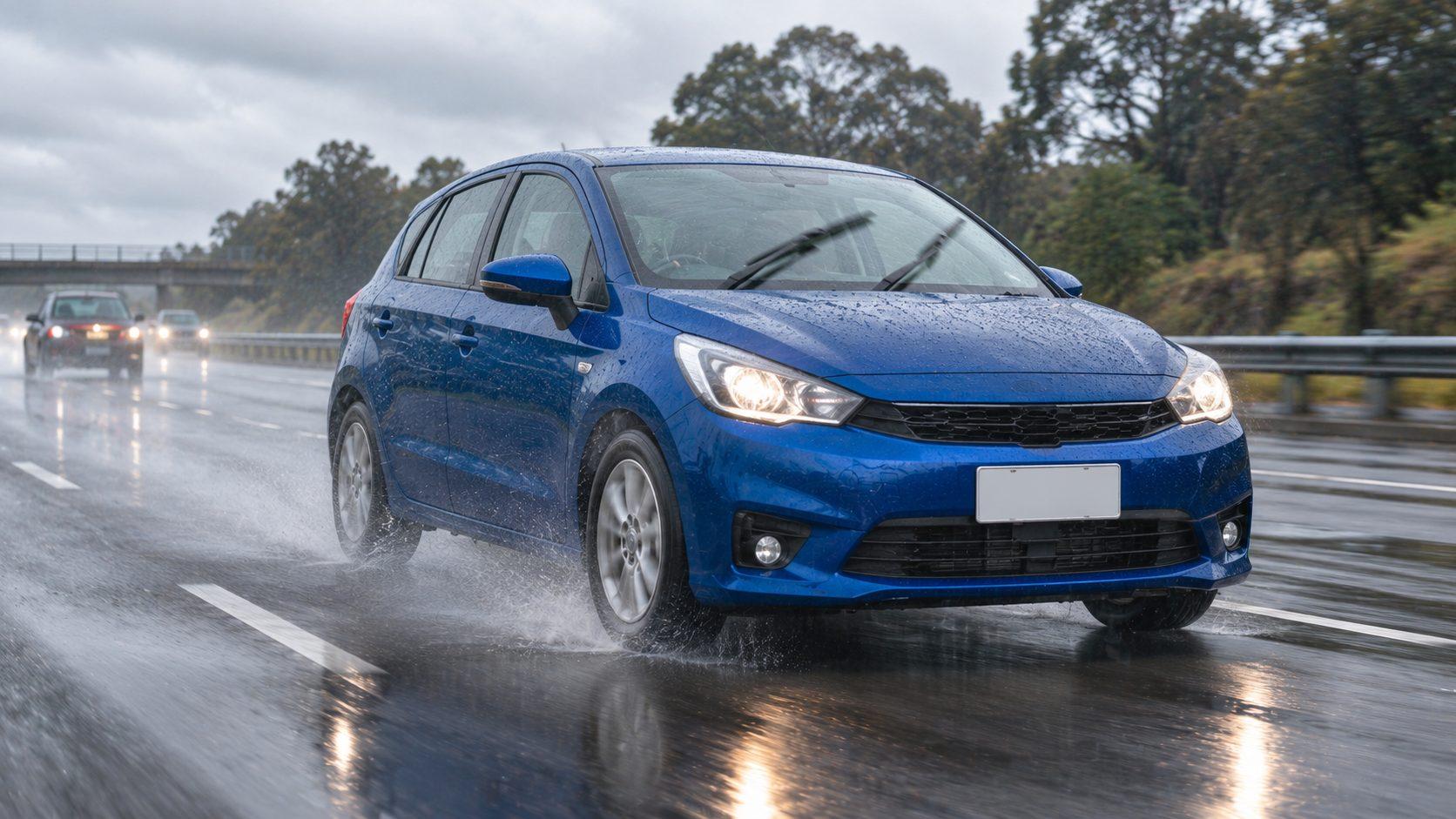
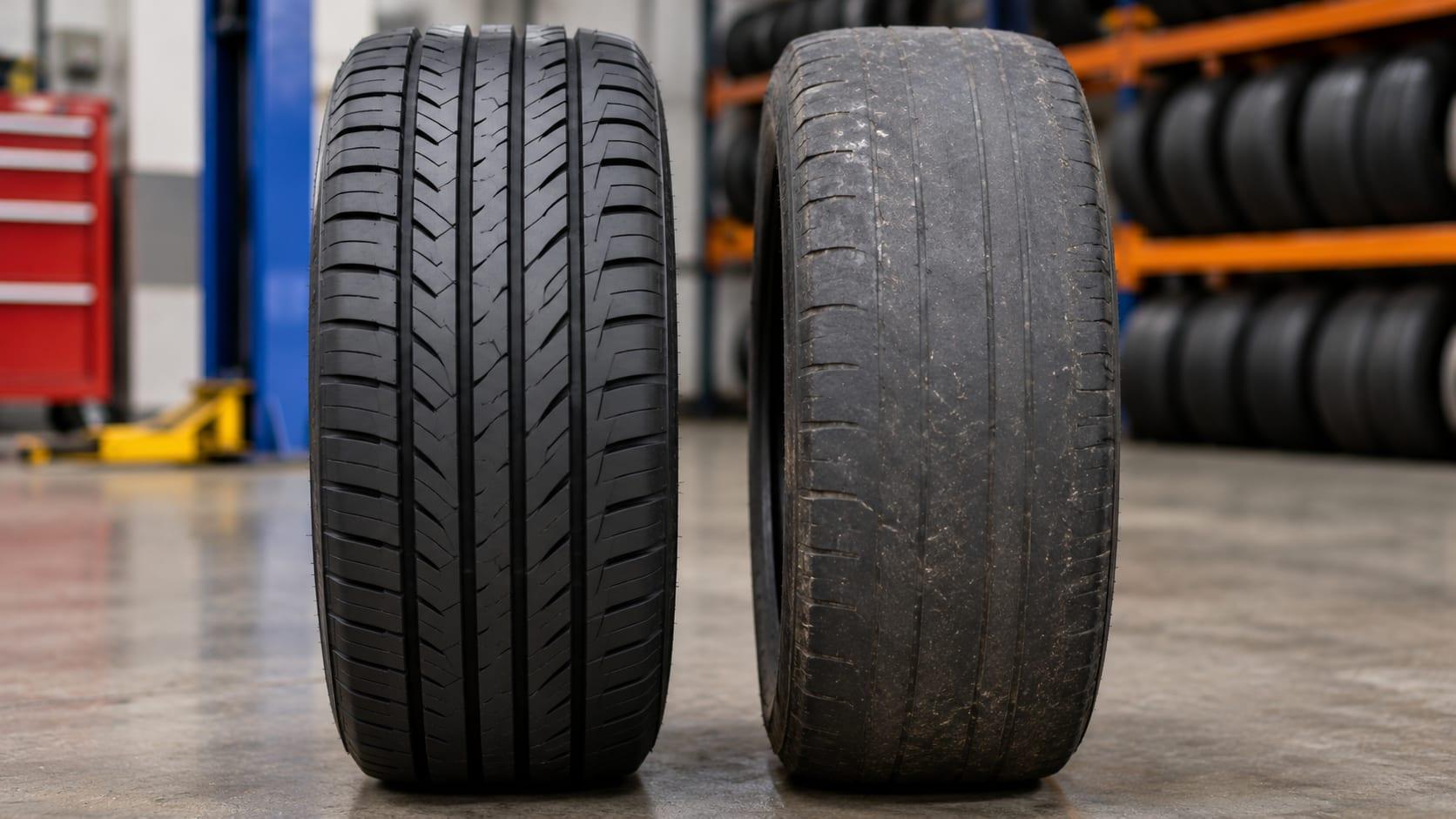
Tread depth is a simple starting point, but it is not the only reason to inspect tyres. The legal minimum tread depth is 1.5 mm across the principal tread area, although waiting until the legal limit is reached gives you less wet-weather safety margin. Many drivers choose to replace tyres earlier, particularly before winter or a long trip.
Look for cracking in the sidewalls, cuts, bulges, nails, uneven wear and repeated loss of pressure. A bulge can indicate internal damage and should be assessed promptly. Do not rely on a quick visual check if a tyre has struck a pothole, kerb or road debris. Damage can occur inside the casing even when the outer surface looks largely normal.
Uneven wear is often a sign that the tyre is not the root cause. Wear on one edge may point to wheel alignment issues, while cupping or patchy wear can be linked to worn suspension components, poor balancing or incorrect pressures. Replacing tyres without addressing the cause can mean the new set wears out early as well.
Fitting is only part of the job
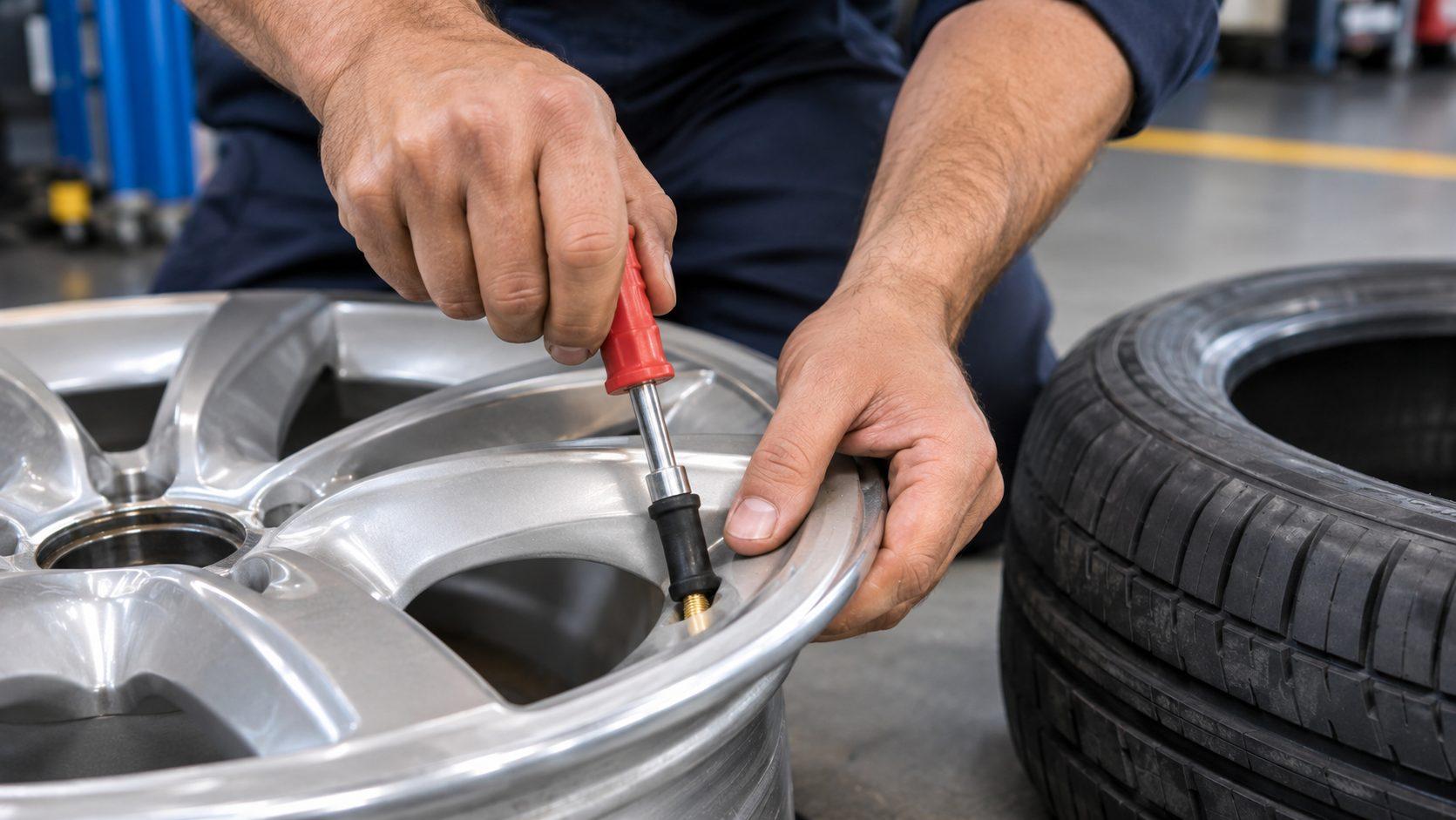
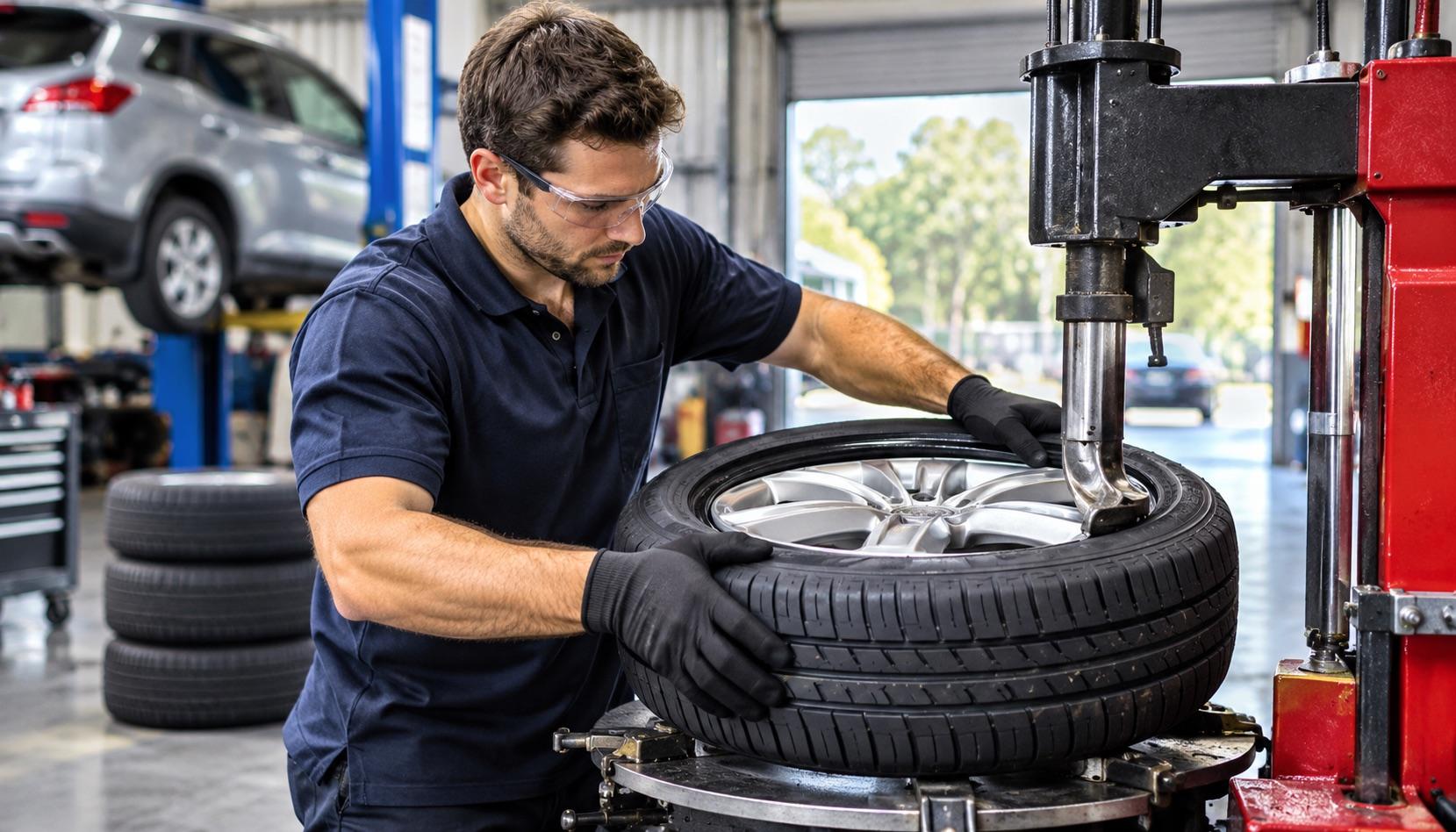
Professional fitting should include balancing, correct inflation and a check of the valves and wheel condition. Wheel alignment is worth considering whenever tyres are replaced, especially if the old tyres showed uneven wear or the steering wheel sits off-centre. Correct alignment helps tyres last longer and keeps the vehicle tracking properly on the road.
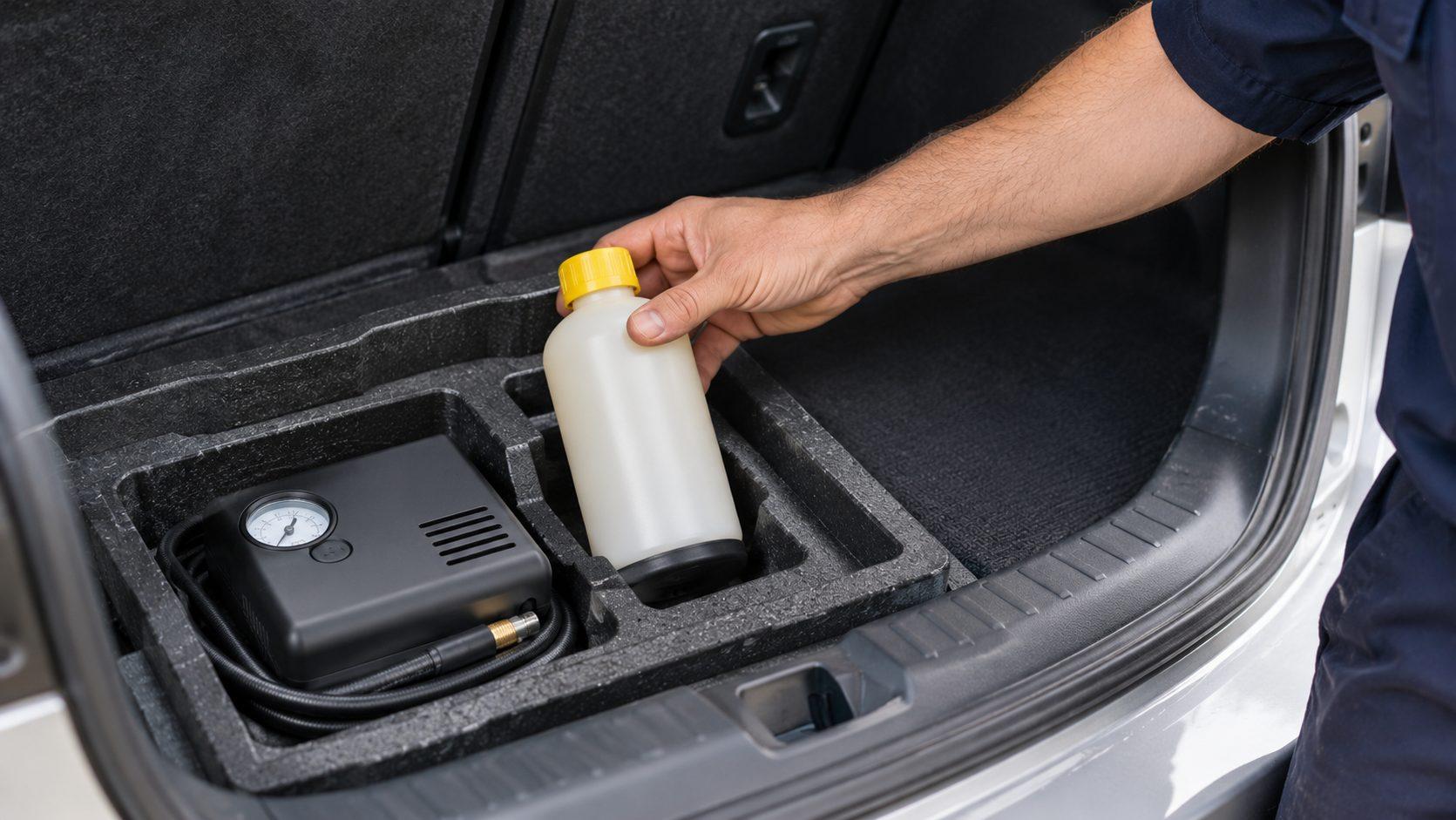
It is also sensible to check the spare tyre, if your vehicle has one. A spare can be forgotten for years, leaving you with low pressure, aged rubber or the wrong size when you need it most. Vehicles with tyre repair kits should have the sealant and compressor checked against their expiry dates and condition.
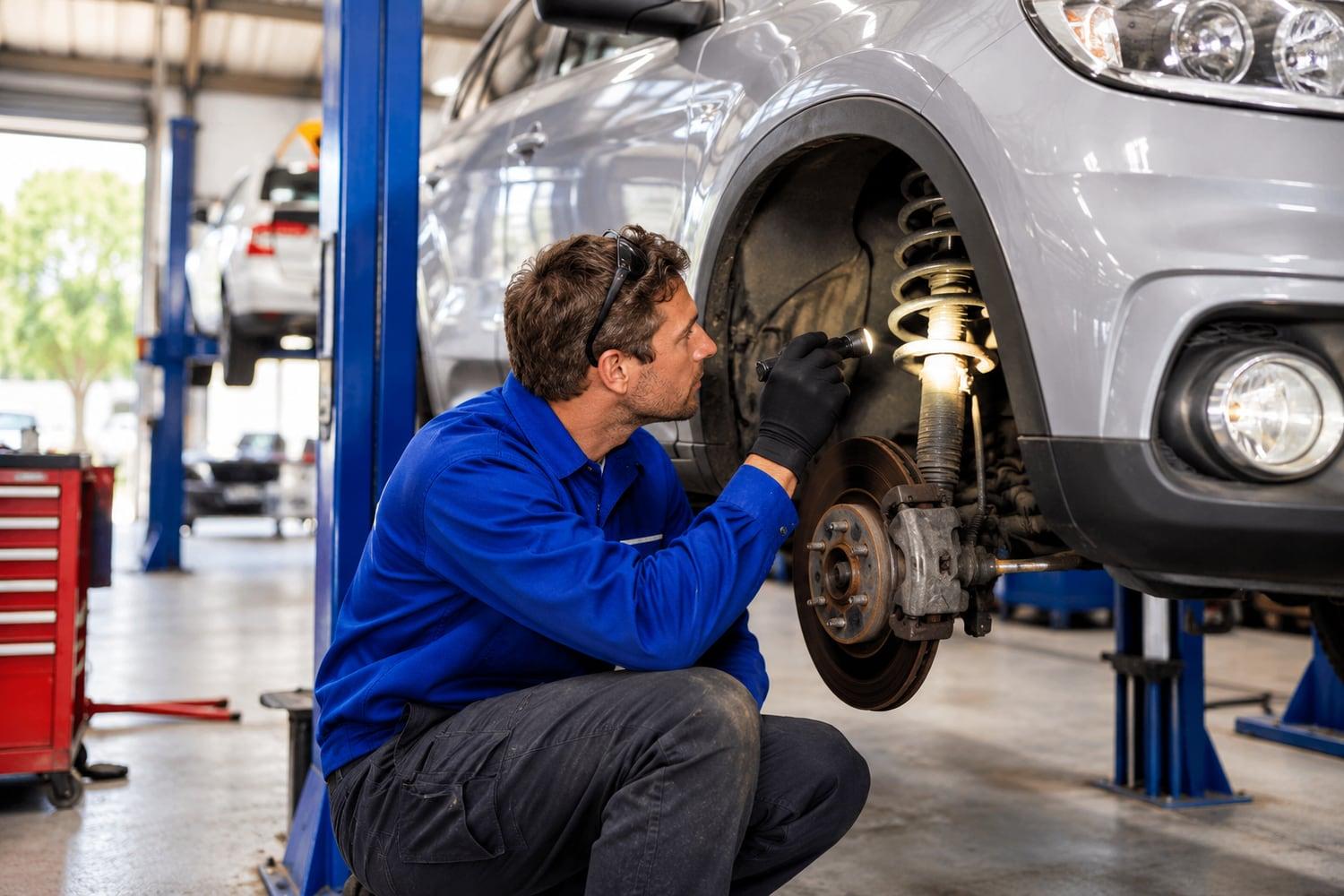
At Armstrong Creek Motors, we can assess tyre wear alongside brakes, steering and suspension so you receive clear advice on what needs attention now and what can wait. A quick inspection before choosing new tyres can help you spend wisely and leave with a vehicle that feels safe and predictable every time you head out.
Was this article helpful?